
Bread and Butter Pickles: History, Recipe, and Uses Guide
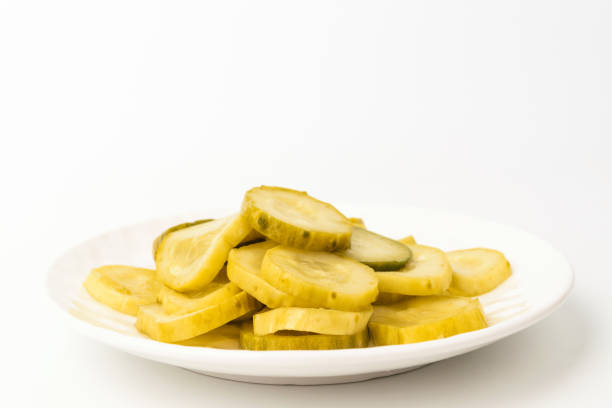
Bread and butter pickles, a delightful blend of sweet and tangy flavors, have secured their place as a beloved staple in American cuisine. Often characterized by their crisp texture and vibrant yellow hue, these pickles offer a unique take on the traditional pickle, appealing to both the palate and the eye. Their origins can be traced back to the early 20th century, and they have since become synonymous with summertime barbecues, picnics, and countless family gatherings across the United States.
The popularity of bread and butter pickles extends beyond their taste; they embody a significant piece of culinary history, reflecting the American spirit of resourcefulness. Originating during the Great Depression, these pickles exemplified the art of preserving produce to reduce waste while enhancing flavor. Today, they are not just a side dish but a versatile condiment that complements a range of foods, from sandwiches to charcuterie boards.
In this article, we will explore the rich history of bread and butter pickles, delve into their ingredients and variations, assess their health considerations, and provide a detailed homemade recipe. Additionally, we will discuss the various ways to enjoy these pickles and answer some frequently asked questions. Join us on this flavorful journey to discover why bread and butter pickles have become a cherished part of American gastronomic culture.
Section 1: History of Bread and Butter Pickles
Bread and butter pickles have a fascinating history that dates back to their humble beginnings in the United States. The first recorded recipe appeared in the early 1900s, with some accounts attributing their creation to a New England couple who began making them during the Great Depression. Faced with food scarcity, they utilized cucumbers and other available produce to create a sweet, tangy condiment that not only preserved vegetables but also delighted the palate. This period of ingenuity highlighted the American spirit of resourcefulness, and as a result, these pickles gained popularity among families looking for delicious ways to minimize waste.
Over time, bread and butter pickles have evolved significantly. As they moved from household kitchens into commercial production during the mid-20th century, recipes adapted to appeal to changing tastes. The basic concept remained the same—cucumbers, sugar, and vinegar—but variations emerged that incorporated different spices and methods of preparation. This evolution allowed bread and butter pickles to secure a spot in mainstream American culture, becoming a beloved accompaniment at cookouts, barbecues, and family gatherings. Today, they are not just a summertime favorite but a year-round pantry staple.
Culturally, bread and butter pickles hold a prominent place, particularly in Southern cuisine, where they are often served alongside fried chicken or added to sandwiches. They are lovingly referenced in literature, offered as a metaphor for comfort during difficult times in several famous literary works and films. Their presence at family gatherings invokes nostalgia, further embedding them into the fabric of American culinary traditions.
Section 2: Ingredients and Variations
At the heart of every delicious batch of bread and butter pickles is a set of simple, yet essential ingredients. The traditional recipe calls for:
- Cucumbers: Sliced, regular cucumbers or pickling cucumbers are used as the main ingredient.
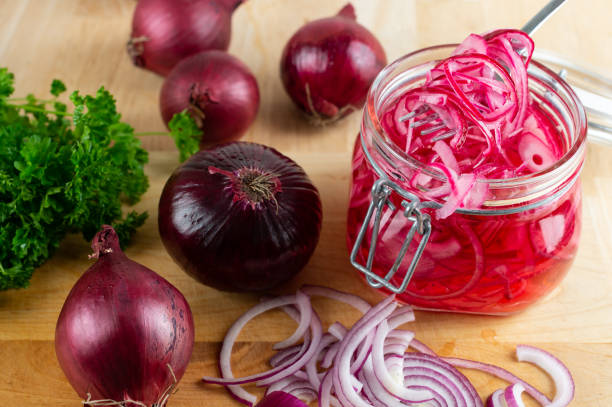
- Onions: Thinly sliced onions complement the pickles, enhancing their flavor and texture.
- Sugar: The hallmark of bread and butter pickles, sugar balances the acidity of vinegar, creating that signature sweet-tangy profile.
- Vinegar: Often white or apple cider vinegar is used for its sharpness and preservation properties.
- Spices: Mustard seeds, celery seeds, turmeric, and black peppercorns are commonly added to infuse additional flavors into the mix.
While traditional recipes provide a solid foundation, there are several popular variations to explore. For those seeking a twist on the classic, dill bread and butter pickles add a layer of herbal notes, while spicy bread and butter pickles incorporate pepper flakes or jalapeños for heat. Additionally, individuals looking for a healthier option can experiment with low-sugar or no-sugar versions, using natural sweeteners as substitutes.
Choosing the right cucumbers is crucial for achieving the desired crunch and flavor in pickles. Pickling cucumbers, which are generally smaller and have fewer seeds, are ideal for this purpose. Slicing cucumbers, although larger and often less crunchy, can also be used if pickling cucumbers are unavailable. Recommended varieties for pickling include the Kirby or Persian cucumbers, valued for their firm texture and ability to hold up during the pickling process.

Section 3: Health Considerations
When enjoying bread and butter pickles, it is important to be aware of their nutritional profile and health implications. While these pickles are a flavorful addition to many meals, understanding their caloric content and potential health benefits can enhance your dietary choices.
3.1 Nutritional Profile
Typically, a serving of bread and butter pickles (about 1 ounce) contains approximately 20 calories, primarily from the sugar used in the pickling process. In addition to calories, they provide a small quantity of vitamins such as vitamin K and some minerals, including calcium and iron.
3.2 Health Benefits
Certain variations of bread and butter pickles can offer health benefits. For instance, fermented versions may contain probiotics that are beneficial for gut health. Additionally, the spices used, such as turmeric and mustard seeds, possess antioxidant properties that contribute to overall wellness.
3.3 Moderation and Considerations
Despite their potential benefits, it is essential to consume bread and butter pickles in moderation due to their higher sugar and sodium content. Excessive consumption can lead to increased calorie intake and potential health issues related to high sodium, such as hypertension. A suggested serving size is about 1 ounce, allowing enjoyment without compromising dietary goals.
Section 4: Homemade Bread and Butter Pickles Recipe
4.1 Ingredients
To make your own delicious bread and butter pickles at home, gather the following ingredients:
- 5 cups of sliced cucumbers
- 1 cup of sliced onions
- 1 ½ cups of sugar
- 1 cup of vinegar (white or apple cider)
- Spices: mustard seeds, celery seeds, turmeric, and black peppercorns
4.2 Directions
Follow these step-by-step instructions to create your homemade bread and butter pickles:
- Prepare the cucumbers and onions by washing and slicing them thinly.
- In a large mixing bowl, combine the sugar, vinegar, and spices. Stir until the sugar is dissolved.
- Add the cucumbers and onions to the mixture, ensuring they are well coated.
- Transfer the mixture to a pot and heat over medium heat until it just begins to simmer. Stir occasionally.
- Once it simmers, remove from heat and let it cool before transferring the pickles into sterilized jars.
- Seal the jars tightly and refrigerate. For the best flavor, let them sit for at least 24 hours before enjoying.
4.3 Tips and Advice
To ensure the best results and longevity of your homemade bread and butter pickles, consider the following tips:
- Use only fresh, firm cucumbers to achieve that perfect crunch.
- Experiment with spices according to your preference for a personalized flavor profile.
- To prolong freshness, keep the pickles refrigerated and consume them within 2-3 months.
- Serve with sandwiches, burgers, or as a topping for salads for a burst of flavor.
Section 5: How to Use Bread and Butter Pickles
5.1 As a Condiment
Bread and butter pickles serve as an excellent condiment, enhancing various dishes. They can be added to sandwiches and burgers, providing a sweet and tangy contrast to savory flavors.
5.2 In Various Dishes
These pickles can also be integrated into countless recipes. Their unique flavor pairs well with charcuterie boards, adding a delicious contrast to meats and cheeses. Consider incorporating them into potato salad, coleslaw, or as a flavorful addition to wraps.
5.3 Pairing Suggestions
For the ultimate flavor experience, pair your bread and butter pickles with refreshing beverages such as iced tea or lemonade. They also complement summertime barbecues beautifully, adding zest to grilled meats and picnic fare.
Section 6: FAQs
6.1 What are bread and butter pickles made of?
Bread and butter pickles are typically made from cucumbers, onions, sugar, vinegar, and a blend of spices. Their distinct sweet and tangy flavor is achieved through the combination of these ingredients.
6.2 Can I can bread and butter pickles?
Yes, you can can bread and butter pickles using proper canning techniques. This allows you to preserve them for longer periods. Ensure to follow the guidelines to prevent spoilage.
6.3 How long do bread and butter pickles last?
When refrigerated, homemade bread and butter pickles can last for 2-3 months. Store-bought varieties often have a longer shelf life, indicated on the packaging.
6.4 Are bread and butter pickles spicy?
The traditional version of bread and butter pickles is not spicy. However, variations such as spicy bread and butter pickles may include ingredients like pepper flakes or jalapeños for added heat.
6.5 What’s the difference between dill pickles and bread and butter pickles?
The primary difference lies in flavor and preparation. Dill pickles are predominantly savory and flavored with dill weed, while bread and butter pickles are sweet and tangy, made with sugar and vinegar.
Conclusion
Bread and butter pickles are a versatile and cherished culinary staple that adds delightful flavor to a variety of dishes. Whether enjoyed on their own, as a condiment, or incorporated into different recipes, these pickles bring a unique balance of sweetness and tanginess. I encourage you to try making them at home; you might discover a new favorite treat that becomes a regular in your pantry. Their rich history and significance in American traditions make them not just a food item but a beloved part of many cherished memories.
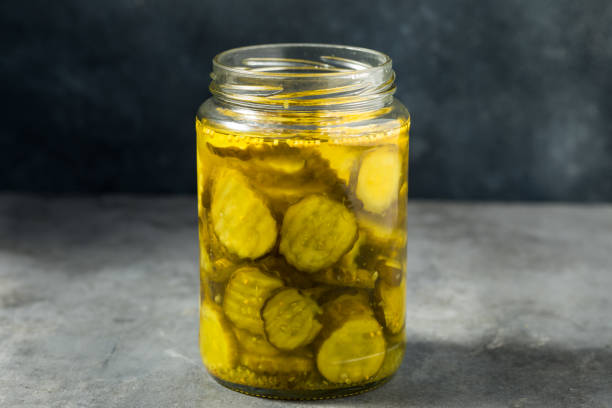
Bread and Butter Pickles
Equipment
- 1 large mixing bowl
- 1 colander
- 1 large pot
- 4 sterilized jars with lids
- 1 measuring cups and spoons
- 1 wooden spoon
- 1 ladle
- 1 funnel (optional)
Ingredients
- 8 medium cucumbers About 4 pounds, sliced.
- 2 large onions Thinly sliced.
- 2 cups granulated sugar
- 1 cup apple cider vinegar
- 1 cup water
- 2 tablespoons kosher salt
- 1 tablespoon mustard seeds
- 1 tablespoon celery seeds
- 1 teaspoon turmeric
- 1 teaspoon black peppercorns
- 1 teaspoon crushed red pepper flakes Optional.
Instructions
- In a large mixing bowl, combine the sliced cucumbers and onions. Sprinkle with kosher salt, toss to coat, and let sit for 2 hours.
- After 2 hours, drain the cucumbers and onions in a colander and rinse under cold water to remove excess salt. Set aside.
- In a large pot, combine the sugar, apple cider vinegar, water, mustard seeds, celery seeds, turmeric, black peppercorns, and crushed red pepper flakes (if using). Bring the mixture to a boil over medium heat, stirring until the sugar dissolves.
- Once boiling, add the drained cucumbers and onions to the pot. Stir well to combine and return to a boil. Cook for an additional 5 minutes, stirring occasionally.
- Remove the pot from heat. Use a ladle to fill sterilized jars with the hot pickles and brine, leaving about 1/2 inch of headspace at the top. Use a wooden spoon to remove any air bubbles.
- Wipe the rims of the jars with a clean cloth to ensure a good seal. Place the sterilized lids on the jars and screw on the metal rings until they are fingertip-tight.
- Allow the jars to cool to room temperature, then refrigerate for at least 24 hours before enjoying. For longer preservation, consider canning the jars in a water bath.