
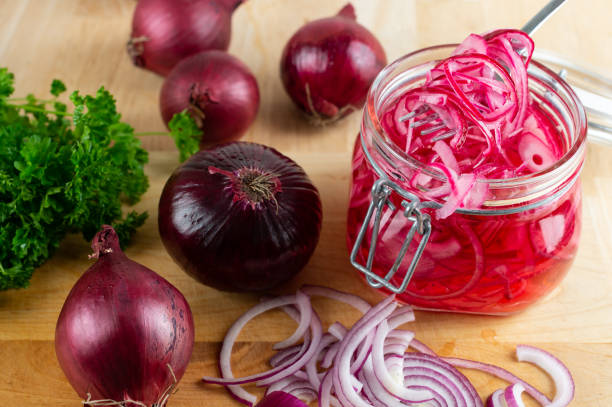
Jar of pickled red onions surrounded by whole red onions and fresh herbs on a wooden surface.

Homemade Pickled Red Onions: Benefits, Recipes, and Tips

Pickled red onions have become a culinary star in recent years, gaining popularity for their vibrant color, tangy flavor, and delightful crunch. Not only do they brighten up any dish visually, but they also add a complex flavor that effortlessly enhances a variety of meals. Their rise in popularity can be attributed to the increasing interest in home cooking and the desire for fresh, flavorful ingredients that can transform everyday recipes into extraordinary culinary creations.

This versatile condiment has found its way into cuisines around the world, from being a staple in Mexican tacos to a satisfying topping on Mediterranean salads and sandwiches. Chefs and home cooks alike appreciate how these pickled beauties can be used in an array of dishes, providing a perfect balance of sweetness and acidity while adding depth to flavor profiles. Whether served alongside grilled meats, tossed in salads, or layered in a sandwich, pickled red onions prove that they are not just a garnish but an essential ingredient.

While store-bought pickled red onions are readily available, making them at home offers distinct advantages. Homemade pickled red onions allow for complete control over the ingredients, enabling the use of high-quality vinegar, the desired level of sweetness, and the option to experiment with various spices. This not only guarantees freshness but also allows for customization to suit individual palates. By embracing the process of pickling at home, cooking enthusiasts can create a flavor-packed condiment that elevates their culinary repertoire and fosters a deeper connection to their food.
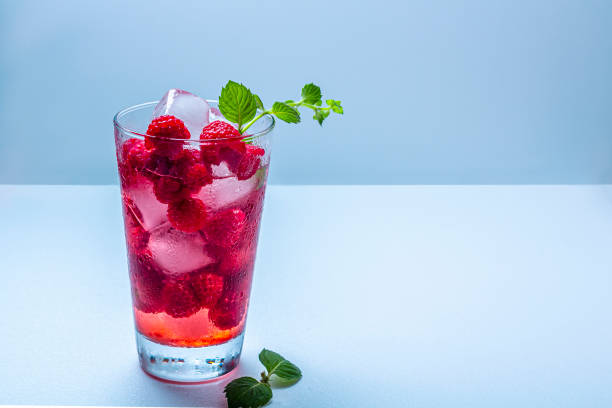
A refreshing glass of raspberry drink with ice and mint garnish on a light background.

Simple Strawberry Syrup: Quick Homemade Recipe & Uses

Strawberry syrup is a delightful and versatile sweetener made primarily from fresh strawberries, sugar, and water. It is perfect for enhancing a variety of foods and beverages, from pancakes and waffles to ice creams and cocktails. The bright red syrup not only adds a burst of flavor but also brings a touch of summer to any dish. While store-bought strawberry syrup may be convenient, nothing quite compares to the freshness and richness of homemade versions. Crafting your own syrup allows for customization in flavor and sweetness, ensuring a delicious end product without any unwanted preservatives or artificial ingredients. Plus, making simple strawberry syrup is incredibly easy and quick, requiring just a few ingredients and minimal cooking time. Whether you need a sweet topping for your breakfast or an ingredient for your favorite cocktails, homemade strawberry syrup is the way to go.

A glass jar filled with sliced pickles in brine, set against a dark background.

Bread and Butter Pickles: History, Recipe, and Uses Guide

Bread and butter pickles, a delightful blend of sweet and tangy flavors, have secured their place as a beloved staple in American cuisine. Often characterized by their crisp texture and vibrant yellow hue, these pickles offer a unique take on the traditional pickle, appealing to both the palate and the eye. Their origins can be traced back to the early 20th century, and they have since become synonymous with summertime barbecues, picnics, and countless family gatherings across the United States.

The popularity of bread and butter pickles extends beyond their taste; they embody a significant piece of culinary history, reflecting the American spirit of resourcefulness. Originating during the Great Depression, these pickles exemplified the art of preserving produce to reduce waste while enhancing flavor. Today, they are not just a side dish but a versatile condiment that complements a range of foods, from sandwiches to charcuterie boards.

In this article, we will explore the rich history of bread and butter pickles, delve into their ingredients and variations, assess their health considerations, and provide a detailed homemade recipe. Additionally, we will discuss the various ways to enjoy these pickles and answer some frequently asked questions. Join us on this flavorful journey to discover why bread and butter pickles have become a cherished part of American gastronomic culture.

A jar of homemade cranberry jam beside a basket of fresh cranberries on a wooden table.

Delicious Cranberry Jam: Recipe, Health Benefits, and Tips

Cranberry jam is a delightful spread that captures the vibrant tartness of fresh cranberries, transforming them into a sweet, luscious condiment perfect for a variety of dishes. This beloved delicacy not only showcases the unique flavor of cranberries but also brings a touch of homemade goodness to any meal. Making cranberry jam at home allows you to enjoy its bright flavor while controlling the sweetness and ingredients to suit your preferences.

The history of cranberries and jam making is rich and fascinating. Native Americans were among the first to use cranberries, not only as a food source but also for medicinal purposes. When European settlers arrived, they quickly recognized the value of this indigenous fruit, incorporating it into their diets and traditions. Over the years, cranberry jam emerged as a popular way to preserve the fruit, allowing people to savor its taste well beyond the harvest season. Today, cranberry jam holds a special place in American culture, particularly during festive occasions like Thanksgiving, where it accompanies turkey dinners and adds a burst of flavor to holiday feasts.

As cranberry jam continues to thrive in kitchens across the country, it embodies not just tradition, but also creativity, allowing for various adaptations and flavor combinations. Whether slathered on toast, used as a filling in desserts, or paired with savory dishes, the versatility of cranberry jam makes it an essential staple in many households. With each spoonful, you experience a taste of history and a celebration of seasonal bounty that truly brings people together.

A vibrant bowl of beet and vegetable salad garnished with fresh parsley on a rustic wooden table

Cranberry Relish Recipes for Delicious Holiday Flavors

Cranberry relish, a vibrant and flavorful condiment, has a rich history that dates back centuries. Originally enjoyed by Native Americans, cranberries were incorporated into their diets for medicinal purposes as well as culinary ones. Today, cranberry relish has become an essential dish at holiday gatherings, especially during Thanksgiving and Christmas celebrations. Its sweet-tart flavor complements a range of proteins and other side dishes, making it a versatile and beloved accompaniment on festive tables across the globe.

Throughout the years, the preparation of cranberry relish has evolved, adapting to modern tastes while still honoring traditional methods. Unlike cranberry sauce, which is often cooked down to a smoother consistency, cranberry relish typically retains a chunkier texture, allowing the freshness of the berries to shine. This distinctive quality, combined with various ingredients that can be added—such as citrus fruits, nuts, or spices—offers endless possibilities for creativity in the kitchen.

In this article, we will delve into the world of cranberry relish recipes, exploring classic preparations as well as innovative takes on this cherished dish. From understanding the fundamental ingredients that make up cranberry relish to showcasing delightful variations that can surprise and delight your guests, this comprehensive guide will provide you with everything you need to elevate your holiday dining experience. So gather your ingredients, and let’s start creating delicious cranberry relish that will leave everyone asking for seconds!