Delicious Vegan Fajitas Recipe: Healthy & Flavorful Ideas
Vegan fajitas are a delightful and colorful twist on a traditional Mexican favorite, promising all the bold flavors and satisfaction without any animal products. These vibrant wraps not only showcase a medley of fresh vegetables and spices but also provide a canvas for creativity in the kitchen. With options like marinated tofu, tempeh, or a variety of nutrient-rich veggies, vegan fajitas are versatile enough to please both vegans and non-vegans alike.
As more people turn to plant-based diets—whether for health benefits, ethical reasons, or environmental concerns—the popularity of meals like vegan fajitas has surged. They exemplify how delicious and fulfilling plant-based eating can be, all while encouraging culinary exploration. This article will dive into the origins of fajitas, the compelling reasons to embrace vegan adaptations, essential ingredients for crafting the perfect plant-based version, and a detailed recipe to guide you through the process. Additionally, we’ll explore variations, tips for maximizing flavor, and how to store and reheat your delicious creations. Prepare to embark on a flavorful journey that proves vegan cooking can be both satisfying and scrumptious!
What are Fajitas?
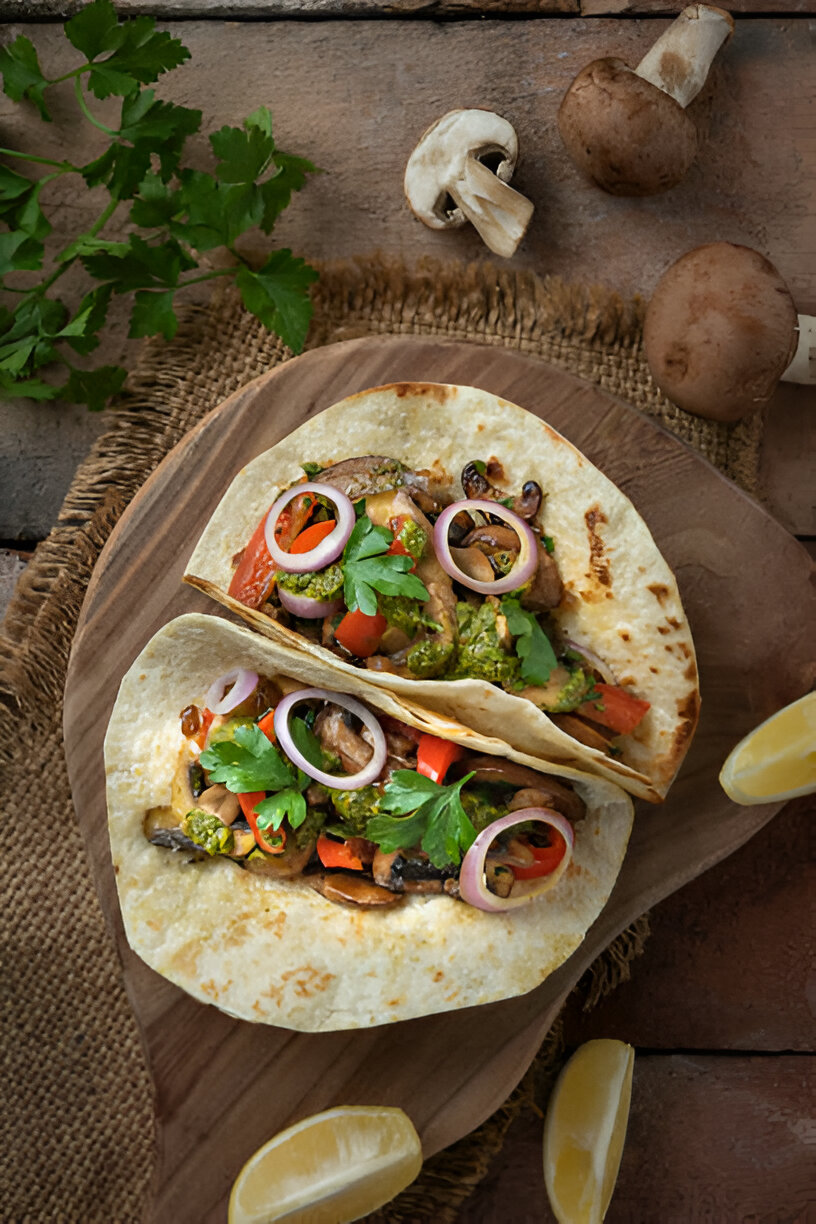
Fajitas originated in the 1930s along the Tex-Mex border, initially as a dish made from the leftover cuts of beef, specifically skirt steak. Ranch workers in Texas would cook these meats over an open flame and serve them with tortillas, creating a flexible, handheld meal. The name ‘fajita’ is derived from the Spanish word ‘faja,’ meaning ‘strip’ or ‘belt,’ referring to the cut of meat used.
Traditionally, fajitas are made with beef, chicken, or shrimp, combined with sautéed bell peppers and onions, and served with warm tortillas. Over the years, this beloved dish has evolved, leading to a variety of regional adaptations, including vegetarian versions. This evolution sets the stage for the vegan fajita revolution, which replaces animal proteins with plant-based alternatives.
Why Choose Vegan Fajitas?
Choosing vegan fajitas offers numerous health benefits. A plant-based diet is known to lower the risk of chronic diseases such as heart disease, diabetes, and certain cancers. Many find that incorporating more whole foods, like fruits and vegetables, boosts overall health, energy, and vitality.
Environmental sustainability is another compelling reason to embrace vegan cooking. Animal agriculture significantly contributes to greenhouse gas emissions, deforestation, and water pollution. By choosing plant-based meals like vegan fajitas, individuals can reduce their carbon footprint and promote a healthier planet.
Flavor and versatility also play a critical role in the appeal of vegan fajitas. The dish showcases a range of spices and herbs, allowing for creativity and personalization in the kitchen. Whether experimenting with different plant proteins like tempeh, tofu, or seitan, or incorporating a medley of seasonal vegetables, vegan fajitas can cater to a variety of tastes.
Additionally, for those concerned about missing out on the traditional fajitas flavors, easy substitutions can be made without compromising on taste. By marinating tofu or tempeh and using authentic spices, it’s simple to replicate that beloved savory experience. The transition to vegan fajitas not only offers health and environmental benefits but also proves that plant-based meals can be just as satisfying and flavorful as their traditional counterparts.
Key Ingredients in Vegan Fajitas
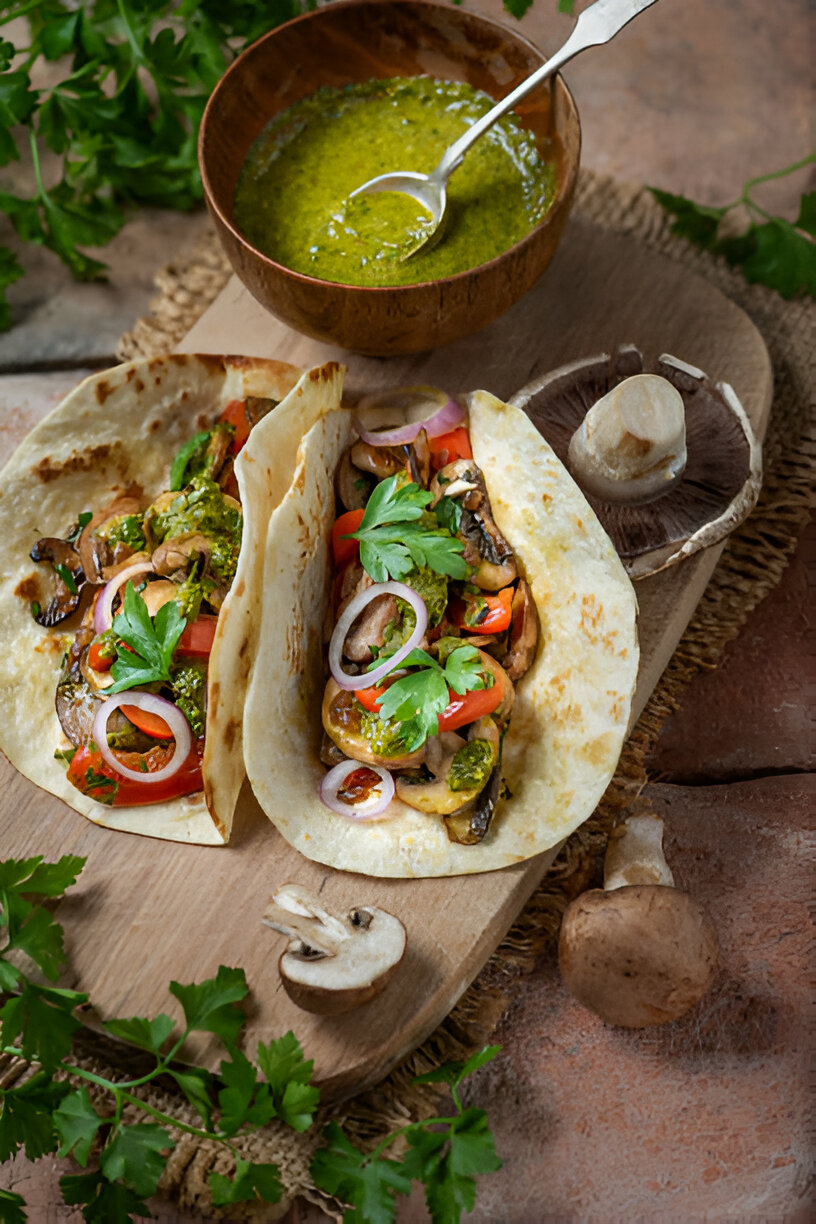
When creating vegan fajitas, understanding the key ingredients ensures a delicious and satisfying meal. Traditional fajitas typically consist of protein sources like chicken, beef, or shrimp, accompanied by colorful vegetables and a blend of spices. Below is a comparison of traditional versus vegan ingredients, along with suggestions for flavorful plant-based alternatives.
Traditional vs. Vegan Ingredients
- Protein Options: Traditional fajitas often feature chicken, beef, or shrimp. For vegan versions, tofu or tempeh are excellent substitutes, providing a similar texture and the ability to absorb flavors.
- Vegetables: Bell peppers and onions are staples in fajitas. Consider adding a variety of vegetables, such as mushrooms and zucchini, to enhance flavor and nutrition.
- Spices: The seasoning typically includes cumin, chili powder, and salt. Utilizing fresh herbs and spices elevates the taste, while lime juice adds a zesty finish.
Choosing fresh produce plays a crucial role in creating vibrant flavors and appealing textures. Aim to source seasonal vegetables to enjoy optimal taste and nutritional value.
Vegan Alternatives
- Plant Proteins: Options like tofu, tempeh, and even seitan are versatile choices that can be marinated and grilled for added depth of flavor.
- Suggested Vegetables: Include bell peppers, onions, mushrooms, and zucchini in your fajitas for a colorful and nutritious dish.
- Seasoning Essentials: Key seasonings like cumin, smoked paprika, and chili powder create a rich and savory profile that complements the vegetables and proteins.
Detailed Vegan Fajitas Recipe
Ingredients
- Protein Options:
- 1 block of firm tofu or 1 cup of tempeh
- Vegetables:
- 2 bell peppers (any color)
- 1 large onion
- 1 zucchini (optional)
- Spices/Seasonings:
- 2 teaspoons cumin
- 2 teaspoons chili powder
- 1 teaspoon smoked paprika
- Salt and pepper to taste
- Other Ingredients:
- 2 tablespoons olive oil
- Juice of 1 lime
- Tortillas for serving
- Optional toppings (avocado, salsa, cilantro)
Directions
Preparation
Start by pressing the tofu to remove excess water, which helps it absorb flavors better. If using tempeh, slice it into thin strips. Next, chop the bell peppers, onion, and zucchini into bite-sized pieces.
Cooking the Protein
In a skillet, heat 1 tablespoon of olive oil over medium heat. Add the tofu or tempeh and season with salt and pepper. Sauté until golden brown and crispy, approximately 8-10 minutes, turning occasionally for even cooking. This step enhances texture and locks in flavor.
Sautéing the Vegetables
In the same skillet, add the remaining tablespoon of olive oil. Toss in the chopped onions and bell peppers. Sauté until slightly softened but still crunchy, about 5 minutes. If you’re using zucchini, add it halfway through to ensure it maintains its texture. Season the vegetables with cumin and chili powder, mixing well to combine the flavors.
Combining Ingredients
Once the protein is cooked, add it back to the skillet with the vegetables. Squeeze the lime juice over the mixture, stirring to combine. Adjust seasoning to taste, adding more salt, pepper, or spices as desired.
Serving Suggestions
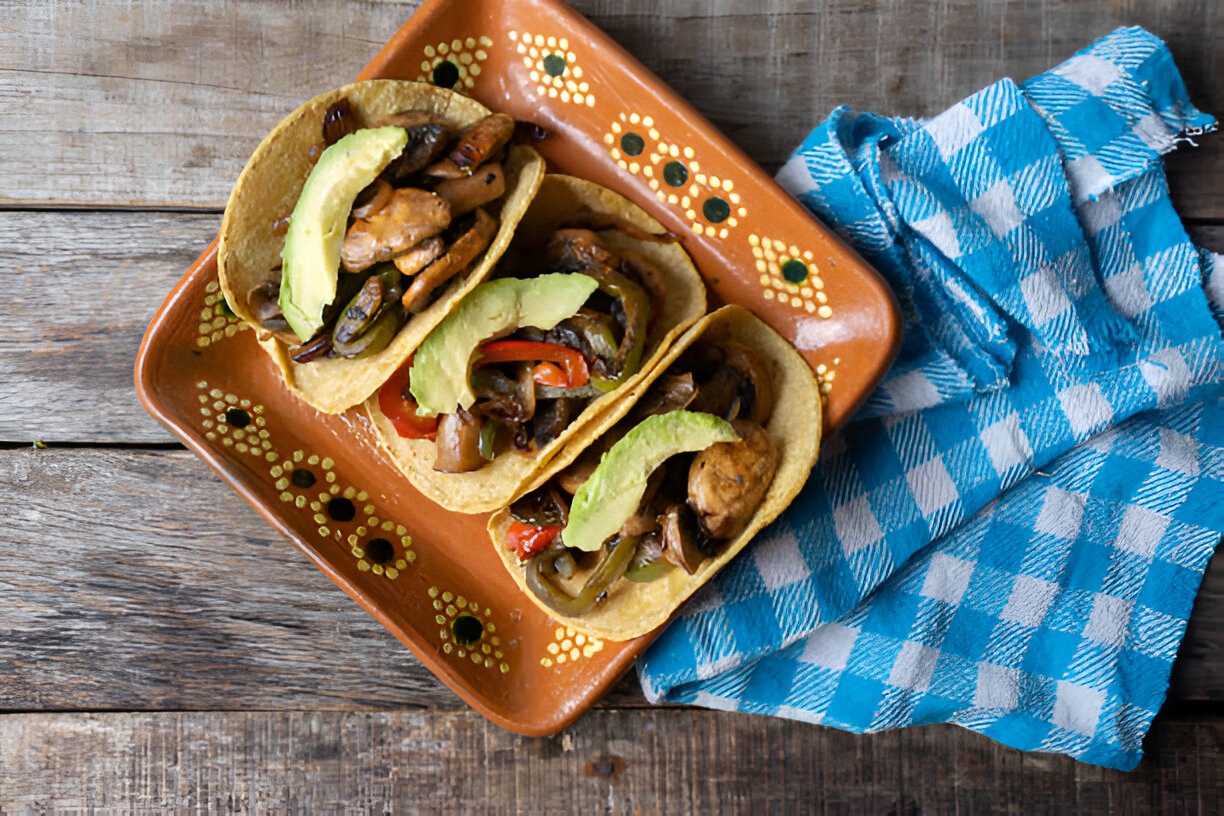
Serve the mixture hot with warm tortillas on the side. Enjoy with optional toppings such as sliced avocado, salsa, or fresh cilantro for enhanced flavor and presentation. You could also pair the fajitas with sides like black beans or rice for a complete meal.
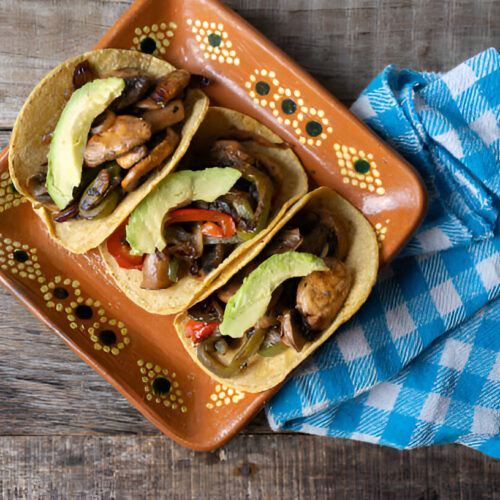
Vegan Fajitas
Equipment
- 1 large skillet
- 1 spatula
- 1 cutting board
- 1 measuring cups
- 1 measuring spoons
Ingredients
- 1 tablespoon olive oil
- 1 medium onion, sliced
- 1 red bell pepper, sliced
- 1 yellow bell pepper, sliced
- 1 green bell pepper, sliced
- 2 cloves garlic, minced
- 1 teaspoon ground cumin
- 1 teaspoon chili powder
- 1 teaspoon smoked paprika
- to taste salt
- to taste pepper
- 1 can (15 oz) black beans, drained and rinsed
- 8 small corn or flour tortillas
- optional fresh cilantro, for garnish
- optional lime wedges, for serving
Instructions
- Heat the olive oil in a large skillet over medium heat.
- Add the sliced onion and sauté for about 2-3 minutes, until it begins to soften.
- Add the sliced bell peppers and continue to cook for another 5-7 minutes, stirring occasionally, until the vegetables are tender.
- Add the minced garlic, cumin, chili powder, smoked paprika, salt, and pepper to the skillet. Stir well and cook for 1-2 minutes until fragrant.
- Stir in the black beans and cook for an additional 2-3 minutes, allowing the beans to heat through.
- While the vegetables are cooking, warm the tortillas in a separate pan or microwave.
- To serve, spoon the vegetable and bean mixture onto the warmed tortillas.
- Garnish with fresh cilantro and serve with lime wedges on the side.