
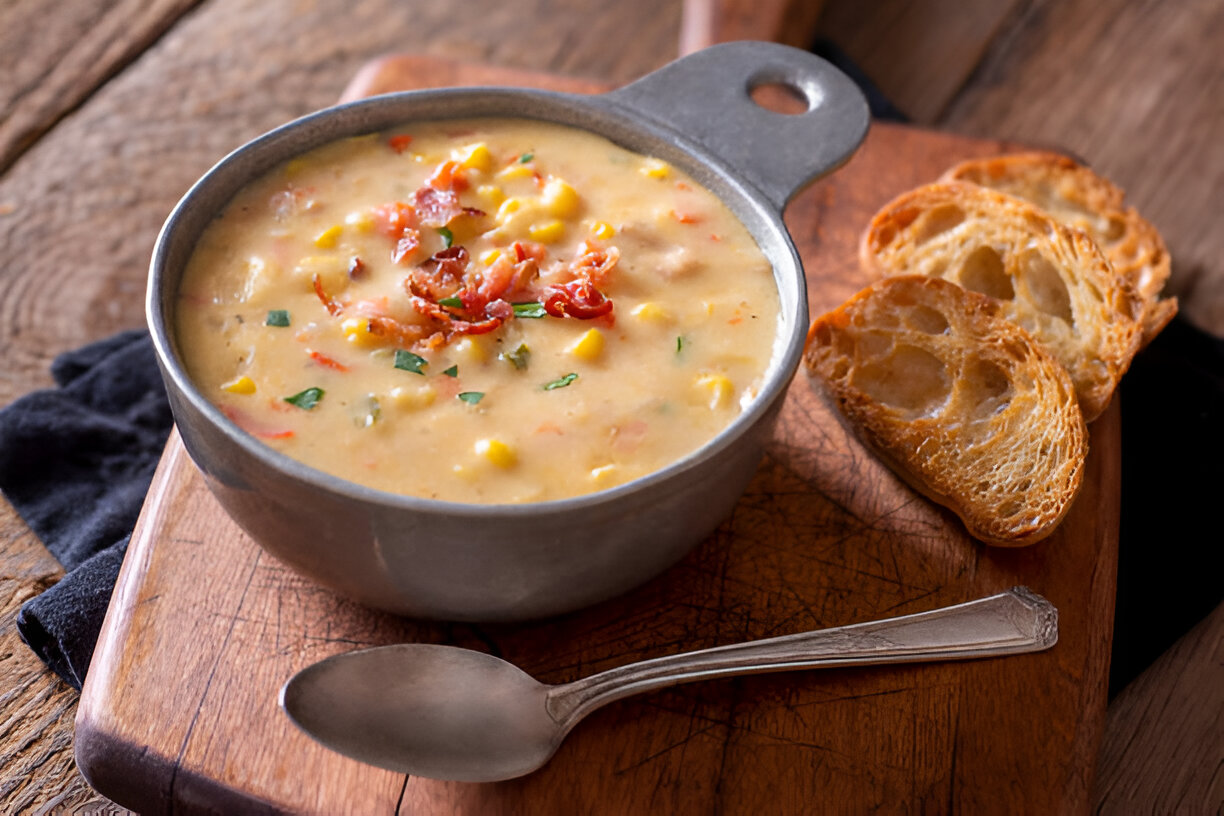
Delicious Corn Chowder: Recipe, Variations, and Benefits
Corn chowder is a beloved comfort food that has warmed hearts and homes for generations. This creamy, hearty soup is particularly popular in the United States, where it graces tables in both homes and restaurants alike. It combines the sweet, tender flavors of corn with rich dairy and spices, creating a satisfying meal that is perfect for any occasion. As a cornerstone of many culinary traditions, corn serves as a staple ingredient in this dish, offering not just flavor but also essential nutrients that contribute to a balanced diet.
The objectives of this article are to provide an in-depth understanding of corn chowder, share a classic recipe for you to try at home, and address common questions that arise about this delightful dish. Whether you’re a seasoned chef or a curious novice, this guide aims to be a comprehensive resource, enabling you to explore the rich world of corn chowder, its variations, and its nutritional benefits. Get ready to discover the warmth and versatility of this timeless dish!

1. What is Corn Chowder?
Corn chowder is a versatile and wholesome soup that primarily features corn as its star ingredient. Typically, it is characterized by its creamy texture and rich flavor, making it a favorite comfort food across the United States. The dish often combines fresh corn with potatoes, onions, and sometimes bacon or ham, creating a hearty meal that can be enjoyed year-round. While there are many versions of chowder, corn chowder stands out for its sweetness and ease of preparation.
1.1 Definition and Origin
The term “chowder” is believed to stem from the French word “chaudière,” meaning cauldron or pot, referring to the vessel used for cooking. Historically, chowders rich in seafood or vegetables became cherished staples in coastal New England communities. Corn chowder likely developed in the 19th century when corn became widely cultivated in North America, especially during the harvest season. It reflects both the agricultural abundance of the time and the ingenuity of home cooks who sought to create nourishing meals from locally available ingredients.
1.2 Characteristics
The texture of corn chowder can vary from smooth and creamy to chunky, depending on personal preference. Typically, the soup is thickened by blending some of the corn or incorporating starchy potatoes, lending it a velvety mouthfeel. The flavor profile is primarily sweet from the corn, balanced by savory elements like onion and seasonings. While a classic recipe often focuses on these basic ingredients, variations exist globally; for example, Southwestern corn chowder might include spices like cumin and peppers, while New England versions often have a richer dairy component.
2. Nutritional Benefits of Corn Chowder
Corn chowder not only satisfies the palate but also offers a variety of nutritional benefits. The primary components—corn, potatoes, and dairy—contribute essential nutrients that support overall health. Understanding the nutritional breakdown reveals why this soup is not just delicious, but also a smart dietary choice.
2.1 Nutritional Breakdown
At the core of corn chowder, fresh corn is rich in vitamins such as vitamin C, several B vitamins, and fiber. A typical serving may contain approximately 150-250 calories, depending on added ingredients like cream or bacon. Corn provides carbohydrates for energy, while potatoes add further fiber and nutrients. Dairy elements, whether whole milk or cream, contribute protein and calcium, vital for bone health. Thoughtful ingredient choices can cater to dietary preferences while maintaining the soup’s wholesome nature.
2.2 Health Benefits
Consuming corn chowder can offer numerous health benefits. The corn and potatoes help to promote digestive health due to their high fiber content, aiding in healthy bowel function while keeping you full and satisfied. The inclusion of dairy provides a good source of calcium, which is essential for bone density and muscle function. Moreover, antioxidants found in corn, such as lutein and zeaxanthin, support eye health and may reduce the risk of chronic diseases. When made with fresh ingredients and minimal additives, corn chowder can be a balanced meal option that aligns with various dietary needs.
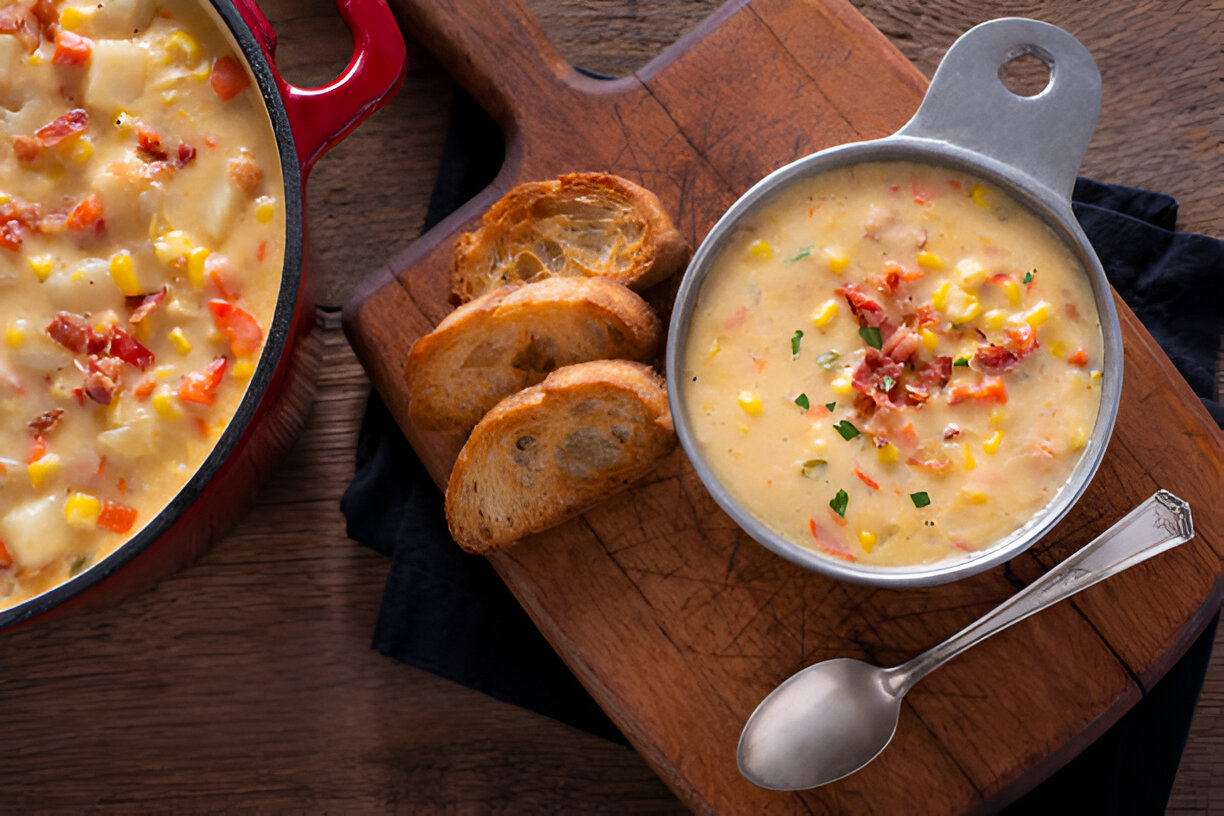
3. Classic Corn Chowder Recipe
3.1 Ingredients
- 4 cups fresh corn kernels (about 6-8 ears of corn)
- 1 medium onion, diced
- 2 medium potatoes, peeled and diced
- 2 stalks celery, diced
- 2 cups milk or heavy cream
- 4 cups vegetable or chicken broth
- 1 teaspoon dried thyme
- Salt and pepper to taste
- Optional: 4 slices bacon or 1 cup diced ham
- Chives for garnish
3.2 Directions
- Prepare the ingredients by shucking the corn and cutting the kernels off the cob, chopping the onion, celery, and potatoes.
- In a large pot, cook the bacon over medium heat until crispy (if using). Remove and set aside, leaving the grease in the pot. If not using bacon, add a tablespoon of oil.
- Add the diced onion and celery to the pot, sautéing until translucent—about 5 minutes.
- Stir in the diced potatoes and corn, combining everything well for another 2-3 minutes.
- Pour in the broth and bring the mixture to a boil. Reduce heat and let it simmer for about 15-20 minutes until the potatoes are tender.
- Using a blender or immersion blender, blend a portion of the soup to achieve desired consistency—smooth or chunky.
- Return the mixture to low heat, add the milk or cream, and adjust seasoning with salt, pepper, and thyme.
- If using, crumble the reserved bacon on top before serving. Garnish with chives and enjoy hot!
3.3 Advice and Tips
- For a dairy-free version, substitute coconut milk or almond milk for regular milk/cream.
- Leftover chowder can be stored in an airtight container in the fridge for up to three days.
- To freeze, place cooled chowder in freezer-safe containers and consume within three months.
- Chowder pairs well with crusty bread, mixed greens salad, or cornbread for a complete meal.
4. Variations of Corn Chowder
4.1 Creamy vs. Chunky
Corn chowder can take on different textures based on personal preference. Creamy versions often involve blending the soup until smooth, resulting in a velvety consistency that is rich and satisfying. On the other hand, a chunky chowder retains bits of vegetables and corn for a heartier bite, providing a delightful contrast in every spoonful. Each style has its advantages, catering to varying appetites and tastes.
4.2 Regional Variations
While corn chowder is beloved across the United States, regional variations highlight cultural influences and available ingredients. For example, New England corn chowder typically leans heavily on creamy bases and often includes potatoes and lots of butter. In contrast, Southwestern corn chowder may incorporate bold spices, such as cumin, jalapeños, and black beans, adding a spicy kick to the traditional recipe.
4.3 Vegan and Gluten-Free Versions
For those following a vegan or gluten-free diet, adapting corn chowder is quite simple. Use vegetable broth, substitute dairy with plant-based milk, and ensure all added ingredients are gluten-free. Incorporating ingredients like quinoa or chickpeas can also enhance the nutritional value while maintaining the hearty essence of the chowder.
5. Common Mistakes to Avoid
5.1 Ingredient Selection
Choosing the right ingredients plays a crucial role in the overall flavor of the chowder. Opt for fresh, seasonal corn when possible for the sweetest taste. Lower-quality canned or frozen corn can dull the flavors. Ensure that dairy products are fresh, and if adding bacon or ham, select high-quality options for the best results.
5.2 Cooking Technique
Overcooking corn can lead to mushy kernels, resulting in a less appealing texture, so aim to add it toward the end of the cooking process. Additionally, under-seasoning is a common pitfall; be generous with spices and herbs to enhance the natural sweetness of the corn.
5.3 Texture Issues
Achieving the right consistency is critical for a delightful corn chowder. If the chowder is too thick, add more broth or milk until the desired creaminess is reached. Conversely, if it’s too thin, continue to simmer and allow it to reduce, or blend in some additional corn or potato to thicken.
6. FAQs about Corn Chowder
6.1 How long does corn chowder last in the fridge?
Corn chowder can be stored in the refrigerator for up to three days. Make sure to cool it down to room temperature before transferring it to an airtight container for best results.
6.2 Can I freeze corn chowder?
Yes, corn chowder can be frozen for up to three months. It’s recommended to freeze it in portions for easier reheating. Ensure it’s cooled completely, then transfer soup into freezer-safe containers. Thaw in the refrigerator overnight before reheating.
6.3 What can I serve with corn chowder?
Corn chowder pairs beautifully with various sides. Consider serving it alongside crusty bread or cornbread, a fresh garden salad, or even a side of roasted vegetables to create a well-rounded meal.
6.4 How can I thicken my corn chowder?
To thicken corn chowder, you can use methods like adding cornstarch mixed with a bit of cold water, creating a roux with flour and butter, or blending a portion of the soup and returning it to the pot for a creamier texture.
6.5 Is corn chowder healthy?
Corn chowder can be a healthy meal option when made with fresh ingredients. It’s rich in vitamins from the corn and potatoes, provides protein and calcium from dairy, and can be tailored to meet various dietary needs by adjusting the ingredients accordingly.
7. Conclusion
Corn chowder is a timeless dish that showcases the versatility of corn, with a comforting flavor profile and a wealth of nutritional benefits. Whether you’re making the classic version or exploring regional variations, this chowder is sure to warm both the heart and the stomach.
References
Popular sources for recipes and nutritional information include cookbooks, online culinary resources, and nutritional databases.
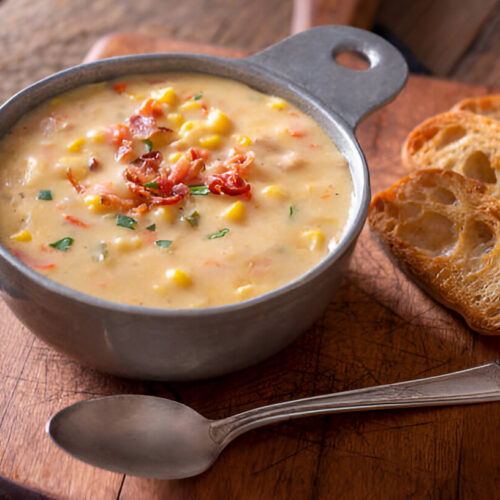
Corn Chowder
Equipment
- 1 large pot or Dutch oven
- 1 wooden spoon
- 1 blender optional, for a creamier texture
- 1 measuring cups and spoons
- 1 ladle
Ingredients
- 4 cups fresh or frozen corn kernels About 6 ears of corn if using fresh.
- 4 slices bacon
- 1 medium onion, chopped
- 2 cloves garlic, minced
- 1 medium red bell pepper, chopped
- 2 medium potatoes, diced
- 4 cups vegetable or chicken broth
- 1 cup heavy cream
- 1 teaspoon smoked paprika
- to taste salt
- to taste pepper
- for garnish fresh chives, chopped
Instructions
- In a large pot or Dutch oven, cook the bacon over medium heat until crispy. Remove the bacon and set aside, leaving the drippings in the pot.
- Add the chopped onion and red bell pepper to the pot, sautéing until the onion is translucent, about 5 minutes. Stir in the minced garlic and cook for another minute until fragrant.
- Add the diced potatoes, corn kernels, and vegetable or chicken broth to the pot. Bring to a boil, then reduce heat to a simmer. Cover and cook for about 15 minutes, or until the potatoes are tender.
- Once the potatoes are cooked, use a blender to puree part of the chowder for a creamier consistency, if desired. Alternatively, you can leave it chunky for more texture.
- Stir in the heavy cream and smoked paprika. Season with salt and pepper to taste. Let it simmer for another 5 minutes to heat through.
- Crumble the reserved bacon and add it back into the chowder. Stir well and adjust seasoning if needed.
- Serve hot, garnished with chopped chives.


