
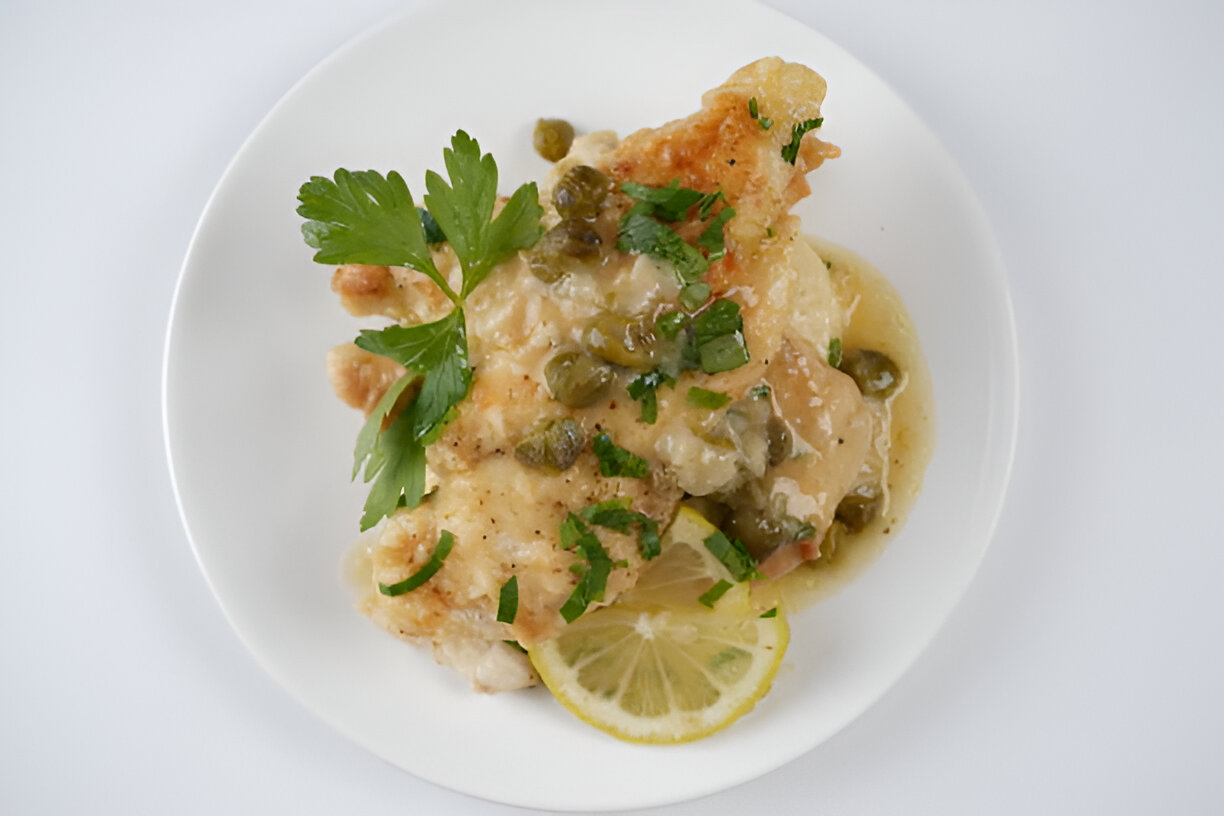
Delicious Chicken Francese Recipe: A Delicious Italian Classic
Chicken Francese, a delightful dish that combines tender chicken with a tangy lemon sauce, has gained notable popularity in Italian-American cuisine. It features chicken breasts that are lightly battered, pan-fried, and typically served with a bright and flavorful sauce that highlights the freshness of lemon and parsley. The process of creating Chicken Francese not only showcases skillful cooking techniques but also brings together the comforting flavors of home-cooked meals, making it a beloved choice for family dinners and special occasions alike.
The origins of Chicken Francese can be traced back to Italian culinary traditions, where the method of frying battered chicken is a well-established practice. While the dish itself is often associated with Italian-American cooking, it is believed to be a variant of the classic French recipe “Francese,” which translates to “in the French style.” This dish has evolved over time, establishing itself firmly in the repertoire of Italian-American restaurants and households. The blend of Italian ingredients and American techniques exemplifies the fusion of cultures that characterizes much of Italian-American cuisine.
As Chicken Francese continues to charm palates across the globe, its importance in the culinary landscape cannot be understated. It serves as a testament to the rich heritage of Italian cuisine while also illustrating how traditional dishes can adapt and flourish in new contexts. Whether enjoyed in an upscale eatery or prepared at home for a casual family gathering, Chicken Francese remains a favorite for those seeking a delicious and satisfying meal that brings a taste of Italy right to their table.
What is Chicken Francese?
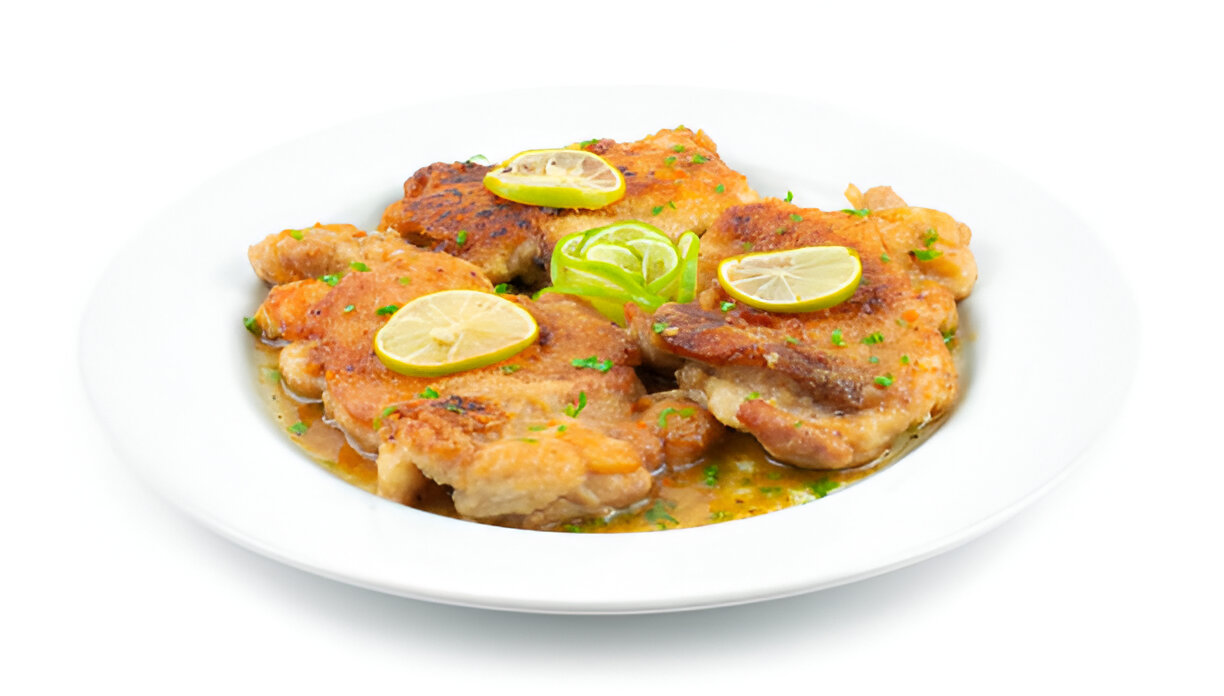
Chicken Francese is a classic Italian-American dish that is cherished for its delightful combination of flavors and textures. At its core, Chicken Francese consists of thinly sliced chicken breasts that are lightly battered and pan-fried to golden perfection. This technique creates a crispy exterior that contrasts beautifully with the moist and tender chicken inside. The dish is then generously coated in a zesty lemon sauce, which is often enriched with garlic, white wine, and chicken broth, allowing for a robust flavor profile that is bright and inviting.
Key characteristics that define Chicken Francese include its signature lemon sauce that offers a perfect balance of acidity and richness, thanks to the addition of butter and herbs like fresh parsley. Despite its unique flavor, Chicken Francese is often compared to similar Italian dishes such as Chicken Piccata and Chicken Marsala. While Chicken Piccata also features a lemony sauce, it traditionally uses capers for a distinct briny flavor, whereas Chicken Marsala includes a savory mushroom sauce made with Marsala wine. Each dish is representative of the diverse culinary landscape of Italian-American cuisine, showcasing how simple ingredients can yield spectacular results.
Ingredients Needed for Chicken Francese
The following ingredients are essential for creating a delicious Chicken Francese:
- Chicken breasts (2, boneless and skinless)
- Flour (for dredging)
- Eggs (2, beaten)
- Olive oil (½ cup for frying)
- Butter (2 tablespoons)
- Lemon (1, juiced)
- Fresh parsley (for garnish)
- Chicken broth or stock (½ cup)
- Salt and pepper (to taste)
Step-by-Step Guide to Making Chicken Francese
Preparation
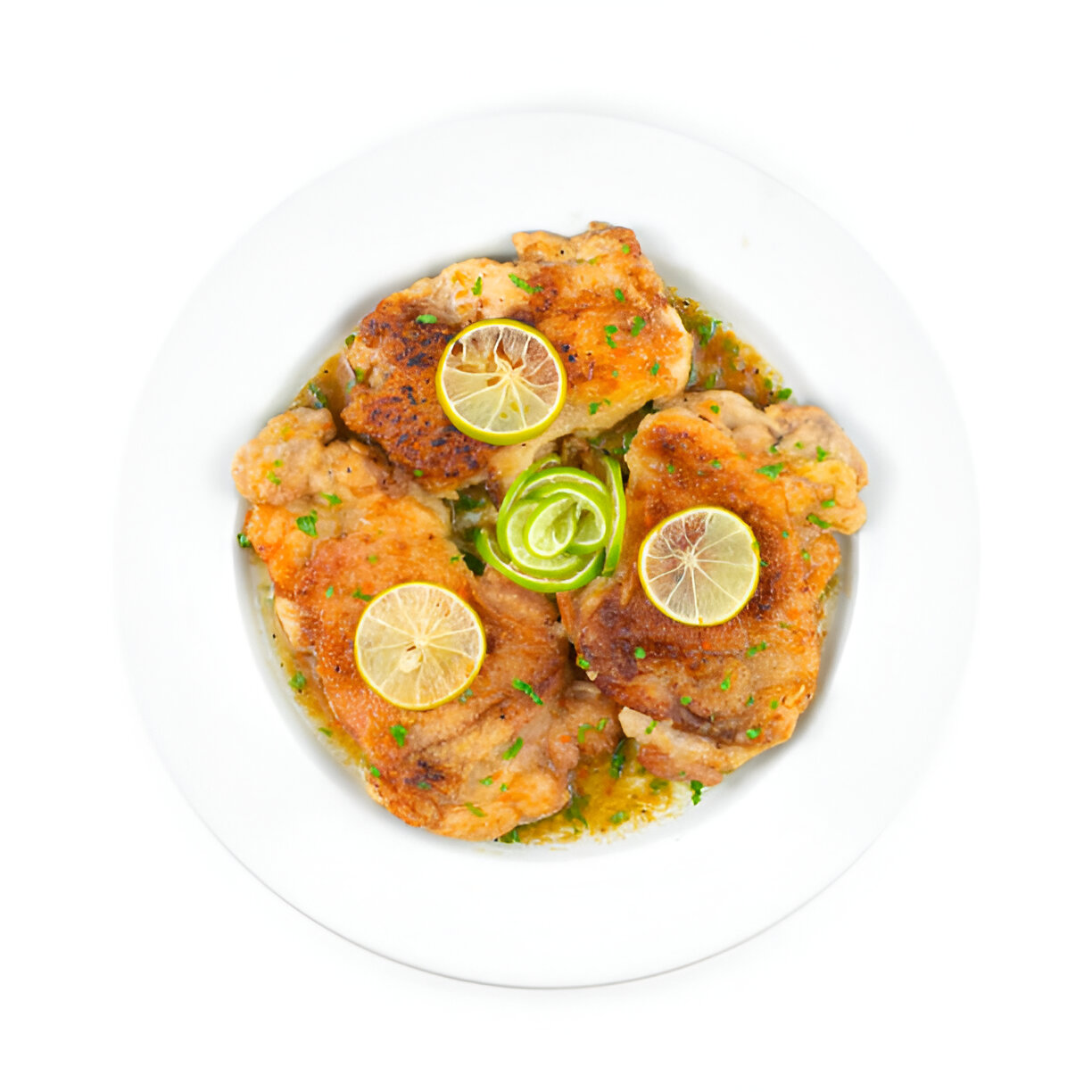
To create the perfect Chicken Francese, start with the preparation of the chicken. Begin by placing the boneless and skinless chicken breasts between two pieces of plastic wrap or parchment paper. Use a meat mallet or rolling pin to gently pound the chicken to an even thickness, about 1/2 inch. This helps ensure even cooking and tenderness. Once prepared, season both sides of the chicken with salt and pepper.
Next, set up a dredging station. In one shallow dish, add flour for dredging, and in another, whisk the beaten eggs. Dredging the chicken in flour helps the egg adhere better, creating a delicious crust when cooked. Make sure to coat each piece in flour fully, shaking off any excess before dipping it into the beaten eggs.
Cooking Instructions
- Dredging the Chicken: Begin by coating each piece of chicken in flour, ensuring an even layer, before dunking it into the beaten eggs. The flour helps to create a crispy texture during cooking.
- Frying the Chicken: In a large skillet, heat the olive oil and butter over medium-high heat. When the oil is hot, carefully add the battered chicken pieces, cooking them for about 3-4 minutes on each side, or until golden brown and cooked through. Avoid overcrowding the pan; cook in batches if necessary.
- Making the Sauce: After frying, remove the chicken from the skillet and set it aside on a plate. In the same skillet, keep the drippings and add a splash of white wine to deglaze the pan, scraping up any browned bits. Then pour in the chicken broth and the juice of one lemon, bringing the mixture to a simmer.
- Bringing it All Together: Finally, return the cooked chicken to the skillet, allowing it to simmer in the lemon sauce for a couple of minutes, ensuring each piece is well-coated. Add fresh parsley for garnish before serving, enhancing both flavor and presentation.
Serving Suggestions
Chicken Francese pairs beautifully with a variety of sides, allowing you to create a well-rounded and satisfying meal. For a traditional Italian touch, serve it alongside classic pasta dishes such as spaghetti aglio e olio or fettuccine alfredo. These creamy or olive oil-based sauces complement the tangy lemon of the Chicken Francese.
Vegetable sides can also elevate your meal; consider serving steamed broccoli or sautéed spinach to add a nutritious element to the plate. These greens not only enhance the flavors but also bring a vibrant color contrast to the dish.
For the perfect beverage pairing, a crisp white wine, such as Pinot Grigio or Sauvignon Blanc, can enhance the citrus notes of the Chicken Francese while balancing its richness.
Health Considerations
While Chicken Francese is undoubtedly a delicious choice, it is essential to consider its nutritional profile. A typical serving contains a moderate amount of protein from the chicken, but it is also relatively rich in calories and fats due to frying and the addition of butter.
For those seeking a healthier alternative, consider baking the chicken instead of frying. This method significantly reduces fat content while still retaining the dish’s delightful flavor. Additionally, using less butter in the sauce or substituting with low-sodium chicken broth can help lighten the dish without sacrificing taste.
Frequently Asked Questions (FAQs)
Common Questions about Chicken Francese
What is the difference between Chicken Francese and Chicken Piccata?
While both dishes feature a lemony sauce, Chicken Piccata typically includes capers, adding a briny flavor that differs from the robust richness of Chicken Francese.
Can I use other proteins instead of chicken?
Yes! Chicken Francese can be adapted to include proteins like shrimp or veal, both of which work well with the lemon sauce.
What can I substitute for the white wine in the recipe?
If you prefer to skip the wine, consider using additional chicken broth or a mixture of vinegar and water for acidity and flavor.
How can I make this dish gluten-free?
By substituting regular flour with gluten-free flour or a gluten-free breadcrumb mixture, you can easily make Chicken Francese gluten-free.
Can Chicken Francese be made in advance?
Yes, you can prepare the chicken and sauce ahead of time. Simply reheat before serving, ensuring the chicken is heated through and the sauce is bubbling.
Variations of Chicken Francese
Chicken Francese is a versatile dish that can be modified to suit various tastes and dietary preferences. For a lighter version, consider using less oil for frying or opting to bake the chicken for a healthier approach. Additionally, experimenting with different proteins such as shrimp or veal offers exciting variations to this classic dish.
You can also get creative with the lemon sauce. Incorporate different herbs, such as thyme or basil, or add a splash of cream for a richer sauce. These tweaks can provide a unique twist on the traditional Chicken Francese while retaining its essential flavors.
Conclusion
Chicken Francese continues to be a favorite among Italian-American cuisine enthusiasts. Its beautiful blend of flavors and textures makes it a delightful dish that can be enjoyed for any occasion. Whether you opt for the classic recipe or choose to explore innovative variations, making Chicken Francese at home is sure to impress your family and friends. Don’t hesitate to share your experience or unique takes on this beloved dish!
Chicken Francese
Equipment
- 1 large skillet
- 2 shallow bowls for egg and flour
- 1 cookware for boiling pasta if serving with pasta
- 1 meat mallet or rolling pin for flattening chicken
- 1 tongs or spatula
- 1 cutting board
- 1 measuring cups and spoons
- 1 zester optional for garnish
Ingredients
- 4 pieces boneless, skinless chicken breasts About 1.5 pounds.
- 1 cup all-purpose flour
- 3 large eggs
- 1/4 cup grated Parmesan cheese
- 1/2 cup unsalted butter Divided, half for cooking and half for the sauce.
- 1/4 cup olive oil
- 1 cup chicken broth
- 1/4 cup fresh lemon juice About 2 lemons.
- 2 tablespoons chopped fresh parsley For garnish.
- optional pieces lemon slices For garnish.
- to taste pieces salt and pepper
Instructions
- Start by flattening the chicken breasts to an even thickness of about 1/2 inch using a meat mallet or rolling pin.
- In a shallow bowl, season the flour with salt and pepper. In another shallow bowl, beat the eggs and mix in the grated Parmesan cheese.
- Dredge each chicken breast in the flour, shaking off any excess. Then, dip it into the egg mixture, allowing any excess to drip off.
- Heat the olive oil and half of the butter in a large skillet over medium heat until shimmering.
- Add the chicken breasts to the skillet in batches, cooking for about 4-5 minutes on each side until golden brown and cooked through. Remove the chicken and set it aside on a plate.
- In the same skillet, add the chicken broth and lemon juice, scraping up any browned bits from the bottom and bringing the mixture to a simmer.
- Add the remaining butter, stirring until melted and combined to create a sauce.
- Return the chicken to the skillet, spooning the sauce over the top to coat it well, and allow it to heat through for another 2 minutes.
- Serve the chicken hot, garnished with chopped parsley and lemon slices if desired.


