
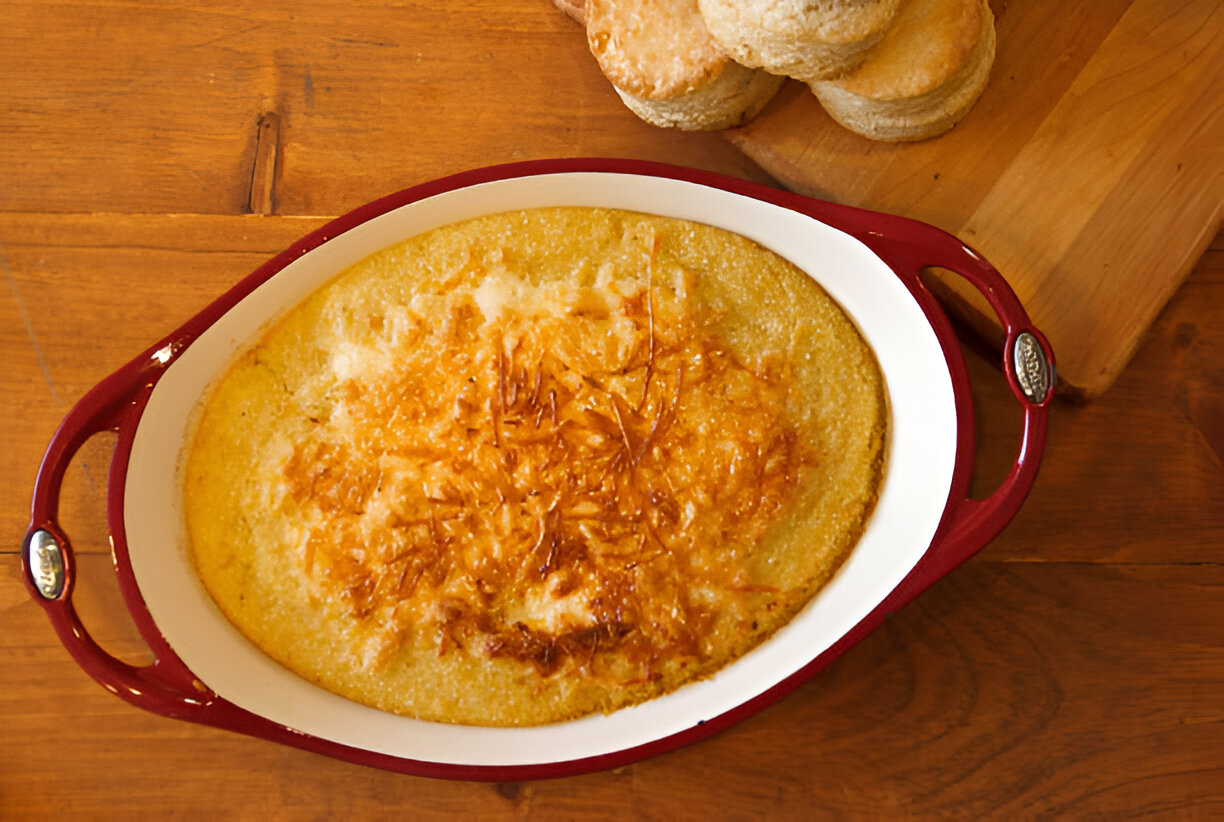
Cheesy Grits: A Comfort Food Guide with Recipes and Tips
Grits, a beloved staple in Southern cooking, have a rich cultural history that reflects the region’s diverse culinary heritage. Made from ground corn, these versatile ingredients have been a fundamental part of Southern households for centuries, appearing at breakfast tables, in gourmet restaurants, and at festive gatherings alike. Their history can be traced back to Native American traditions, where they were first prepared and enjoyed, evolving over time into a symbol of comfort and hospitality in Southern cuisine.
Among the many ways to enjoy grits, cheesy grits stand out as a quintessential comfort food. This dish combines the creamy, smooth texture of well-cooked grits with the rich flavor of melted cheese, creating a satisfying and hearty option for any meal. Whether served as a warm side dish beside fried chicken or as a flavorful base for shrimp and grits, cheesy grits embody the essence of comfort food—nourishing, indulgent, and utterly delicious. This article delves into the composition, history, and variations of cheesy grits, inviting you to explore and appreciate this cherished Southern delicacy.

1. What are Grits?
Grits are a traditional Southern dish made from ground corn, and they come in various forms, each with its unique texture and flavor profile. Typically, grits are made from white or yellow corn and are enjoyed in both sweet and savory dishes, often as a breakfast staple or side dish. The preparation of grits involves boiling them in water or broth until they reach a creamy consistency, making them a delectable canvas for a range of ingredients.
1.1 Definition of Grits
At their core, grits refer to coarsely ground corn that has been processed and typically cooked in water or milk. This simple yet hearty dish serves as a versatile base in Southern cooking, whether it’s part of breakfast scrambles, a comforting bowl adorned with savory toppings, or served as a creamy side accompanying meats and vegetables.
1.2 Types of Grits
There are several types of grits available, each offering distinct flavors and textures:
- Stone-ground grits: These are made from whole corn kernels, stone-ground to retain more texture and nutrients. They require longer cooking times but provide an authentic flavor and a rustic bite.
- Hominy grits: Made from hominy, these grits undergo a nixtamalization process in which the corn is soaked and treated with an alkali. This method enhances flavor and digestibility, resulting in a smoother texture.
- Instant grits: These grits are precooked and dehydrated, allowing for quick preparation. They are convenient but often lack the depth of flavor and creaminess found in traditional stone-ground varieties.
1.3 Nutritional Profile
Grits offer a modest nutritional profile, primarily consisting of carbohydrates. A standard serving of grits provides:
- Carbohydrates: Approximately 30 grams, depending on the type and preparation.
- Protein: About 4 grams, making it a decent source of this macronutrient.
- Fat: Naturally low in fat, but adding cheese or butter can increase the fat content significantly.
Additionally, grits are often fortified with vitamins and minerals, depending on the brand and preparation method. When paired with nutrient-rich ingredients, they can contribute to a balanced meal.
2. The History of Cheesy Grits
The history of cheesy grits is deeply intertwined with the culinary traditions of the American South, where grits have been a beloved staple for centuries. From their Native American roots to their status as a contemporary comfort food, grits have evolved remarkably through the ages.
2.1 Origins of Grits
The origins of grits can be traced back to Native American communities who cultivated and processed corn long before European settlers arrived. These early inhabitants developed techniques for grinding corn into meal, and they commonly cooked it to create various dishes. This foundational practice laid the groundwork for the grits we know today. Indigenous methods included soaking and boiling corn, producing a dish that was both nutritious and satisfying.
2.2 Evolution into Modern Cuisine
As settlers adapted Native American cooking methods, grits became a favored food among Southern families. They found their way into households as an affordable and versatile ingredient, often served at breakfast alongside eggs and meats. Over time, grits evolved from basic fare to a culinary canvas, inspiring chefs to create gourmet versions, introducing cheeses, herbs, and spices, which eventually led to the popular cheesy grits we savor today.
2.3 Cheesy Grits in Popular Culture
Cheesy grits have transcended regional boundaries to become a celebrated dish beyond the South. They frequently appear in cookbooks, food blogs, and television shows, highlighting their significance in the broader American culinary landscape. Many chefs, both home cooks and professionals, embrace cheesy grits as a staple for experimentation, showcasing their adaptability in various recipes. This exposure has further elevated the dish’s status, solidifying its place in American comfort food culture.

3. The Perfect Cheesy Grits Recipe
Creating the perfect cheesy grits involves selecting the right ingredients and following a few key steps to achieve that creamy, delightful texture. Here’s a straightforward recipe that makes cheesy grits a standout side dish or main course.
3.1 Ingredients
- 1 cup grits
- 4 cups water (or broth)
- 1 cup shredded cheese (cheddar or gouda)
- ½ cup milk or cream
- Salt and pepper to taste
- Optional: butter, jalapeños, bacon, scallions
3.2 Directions
- In a large pot, bring the water or broth to a boil; add salt.
- Gradually whisk in the grits, stirring continuously to prevent lumps.
- Reduce the heat to low and cook, stirring frequently, until the grits have thickened, about 20-30 minutes for stone-ground grits.
- Once thickened, stir in the cheese, milk or cream, and adjust seasoning with salt and pepper.
- Serve immediately, or use as a base for your favorite toppings such as shrimp, mushrooms, or crispy bacon.
3.3 Tips for Making Perfect Cheesy Grits
- Choosing the right type of grits: Opt for stone-ground grits for the most authentic texture and flavor.
- Cooking time adjustments: Instant grits require less time, while stone-ground grits need longer to achieve the perfect creamy consistency.
- Adding flavor: Enhance your cheesy grits with herbs like thyme or spices like smoked paprika for an extra layer of taste.
4. Variations of Cheesy Grits
Cheesy grits are incredibly versatile and can be tailored to suit various tastes and dietary preferences. Here are some delightful variations to try:
4.1 Cheesy Grits with Meats
Elevate your cheesy grits by adding various meats. Sausage crumbles, crispy bacon bits, or sautéed shrimp can be stirred in or served atop the dish for extra flavor and protein. These meat additions provide a savory contrast that complements the creamy grits perfectly.
4.2 Gourmet Cheesy Grits
For a more sophisticated take, consider using gourmet cheeses such as gouda or blue cheese. A drizzle of truffle oil can also add an elegant touch. Incorporating sautéed mushrooms or caramelized onions enhances the flavor profile, making them suitable for a fancy brunch or dinner party.
4.3 Vegetarian and Vegan Options
To cater to vegetarian or vegan diets, substitute dairy products with nut-based cheese and non-dairy milk, like almond or oat milk. You can also add vegetables like spinach, kale, or roasted red peppers for added nutrition and texture.
5. Serving Suggestions
Cheesy grits are not only delicious but also incredibly versatile when it comes to serving. Here are some suggestions to enhance your meal:
5.1 As a Side Dish
Pair cheesy grits with classic Southern dishes such as fried chicken, catfish, or grilled shrimp. Their creamy richness complements the crispy textures and enhances the overall flavor of the meal.
5.2 As a Main Dish
Transform cheesy grits into a hearty main dish by serving them in a bowl topped with fried eggs, sautéed greens, or spicy sautéed mushrooms. Add a sprinkle of fresh herbs for a burst of color and flavor.
5.3 Perfect Pairings
Cheesy grits pair beautifully with various beverages. For a classic Southern touch, serve them with sweet tea or a refreshing lemonade. If you’re in the mood for something stronger, consider a light-bodied white wine or a craft beer that complements the dish’s richness.
6. Common Mistakes to Avoid When Making Cheesy Grits
Making cheesy grits might seem straightforward, but a few common mistakes can lead to less-than-perfect results. Here are pitfalls to avoid:
- Cooking too quickly: Don’t rush the cooking process. Grits require time to cook properly, allowing them to achieve a creamy texture.
- Using low-quality grits: Invest in good-quality stone-ground grits for the best flavor and texture. Instant varieties can be convenient but often lack depth.
- Improper seasoning: Always remember to taste and adjust seasoning. A little salt can dramatically enhance the flavor of the grits.
7. Health Benefits of Grits
Beyond being a delightful comfort food, grits offer several health benefits when prepared mindfully.
7.1 Nutritional Advantages
Grits provide a good source of carbohydrates, giving energy to start your day. They contain modest protein and can be fortified with vitamins such as B12 or minerals like iron, depending on the brand.
7.2 Ingredient Substitutions for Healthier Options
Consider whole grain alternatives like farina or quinoa grits for added fiber and nutrients. Reducing the amount of dairy by using non-dairy milk and cheese alternatives can also make cheesy grits healthier without sacrificing flavor.
8. FAQs about Cheesy Grits
8.1 What is the best type of cheese for cheesy grits?
The best cheese for cheesy grits is a matter of personal preference, but cheddar and gouda are popular choices due to their melting properties and flavor. Experimenting with different cheeses can yield delightful results.
8.2 Can you make cheesy grits ahead of time?
Yes, you can prepare cheesy grits ahead of time. Just reheat them gently on the stove, adding a bit more liquid to restore creaminess as needed.
8.3 How do you store leftover cheesy grits?
Store leftover cheesy grits in an airtight container in the refrigerator for up to 3 days. For longer storage, consider freezing them in portions.
8.4 Are grits gluten-free?
Yes, grits are naturally gluten-free as they are made from corn. However, always check the packaging for cross-contamination if you have a severe gluten allergy.
8.5 How do you reheat cheesy grits?
To reheat cheesy grits, add a splash of water or broth to loosen the mixture and heat gently on the stove or in the microwave until warmed through.
Conclusion
Cheesy grits are a delicious and versatile dish that embodies the heart of Southern cuisine. The ability to customize them with various ingredients, flavors, and textures makes them a favorite basis for many meals. Embrace the rich culinary tradition of cheesy grits and enjoy exploring the many ways to savor this delightful comfort food.
cheesy grits
Equipment
- 1 Medium saucepan
- 1 Whisk
- 1 Wooden spoon
- 1 Cheese grater
- 1 Bowl
Ingredients
- 1 cup stone-ground grits
- 4 cups water or chicken broth
- 1 cup shredded sharp cheddar cheese About 4 ounces.
- 1/2 cup whole milk
- 2 tablespoons unsalted butter
- salt To taste.
- freshly ground black pepper To taste.
Instructions
- In a medium saucepan, bring 4 cups of water or chicken broth to a boil over high heat.
- Gradually whisk in the stone-ground grits while stirring to prevent lumps from forming.
- Reduce the heat to low and cover the saucepan. Simmer for 15-20 minutes, stirring occasionally until the grits are thick and creamy.
- Remove the saucepan from heat and stir in the butter, shredded cheddar cheese, and whole milk. Mix until the cheese is melted and fully incorporated.
- Season with salt and freshly ground black pepper to taste.
- Serve warm, garnished with additional cheese or chopped herbs if desired.
- For an extra kick, consider adding a pinch of cayenne pepper or hot sauce while mixing in the cheese.
- Serve with different types of cheese like pepper jack, Gouda, or mozzarella for alternative flavors.
- If there are leftovers, refrigerate them and reheat while adding a bit of milk to adjust consistency.