

Delicious Bulgogi Sauce Recipe for Authentic Korean BBQ Beef
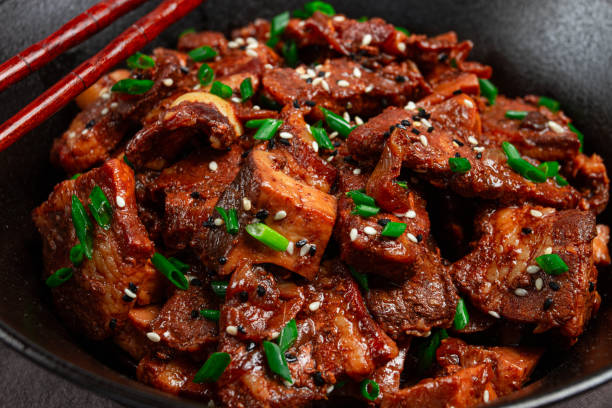
Bulgogi sauce, a staple in Korean cuisine, is a savory-sweet marinade that perfectly complements grilled meats, particularly beef. This beloved sauce has its origins deeply rooted in the rich culinary traditions of Korea, where it transforms simple dishes into flavor-packed meals. The name “bulgogi” translates to “fire meat,” aptly describing the method of cooking the marinated meat over an open flame or grill, which enhances its taste and texture.
In Korean culture, Bulgogi sauce holds a significant place not just as a condiment but as an essential component of social gatherings and family meals. It epitomizes the essence of Korean BBQ, where friends and family unite over shared plates of grilled delicacies, embodying the spirit of togetherness and celebration. This sauce is so beloved in Korea that it has become a symbol of comfort food, evoking memories of home-cooked meals enjoyed with loved ones.
Beyond its cultural significance, Bulgogi sauce has gained immense popularity on the international culinary scene. As global interest in Korean food continues to rise, this flavorful sauce has made its way into kitchens around the world, inspiring chefs and home cooks alike to experiment with its unique flavors. Whether used in traditional marinated beef dishes or as a creative ingredient in fusion recipes, Bulgogi sauce has truly earned its place in the global culinary repertoire.
Introduction to Bulgogi Sauce
Bulgogi sauce, a staple in Korean cuisine, is a savory-sweet marinade that perfectly complements grilled meats, particularly beef. This beloved sauce has its origins deeply rooted in the rich culinary traditions of Korea, where it transforms simple dishes into flavor-packed meals. The name “bulgogi” translates to “fire meat,” aptly describing the method of cooking the marinated meat over an open flame or grill, which enhances its taste and texture.
In Korean culture, Bulgogi sauce holds a significant place not just as a condiment but as an essential component of social gatherings and family meals. It epitomizes the essence of Korean BBQ, where friends and family unite over shared plates of grilled delicacies, embodying the spirit of togetherness and celebration. This sauce is so beloved in Korea that it has become a symbol of comfort food, evoking memories of home-cooked meals enjoyed with loved ones.
Beyond its cultural significance, Bulgogi sauce has gained immense popularity on the international culinary scene. As global interest in Korean food continues to rise, this flavorful sauce has made its way into kitchens around the world, inspiring chefs and home cooks alike to experiment with its unique flavors. Whether used in traditional marinated beef dishes or as a creative ingredient in fusion recipes, Bulgogi sauce has truly earned its place in the global culinary repertoire.
Key Ingredients in Bulgogi Sauce
The distinct flavor profile of Bulgogi sauce is achieved through a harmonious blend of key ingredients, each contributing its unique essence. Let’s explore the primary components:
- Soy Sauce: This cornerstone of Bulgogi sauce provides a savory umami flavor, creating a rich base for the marinade.
- Sugar or Honey: Sweetness balances the saltiness of the soy sauce, with sugar offering a more neutral sweetness while honey provides floral notes.
- Sesame Oil: This ingredient adds depth with its nutty flavor, enhancing the overall aroma of the dish.
- Garlic and Ginger: These aromatics boost the sauce’s flavor profile, infusing it with warmth and spice.
- Mirin or Rice Wine (optional): This ingredient contributes additional depth and sweetness, often used to elevate the sauce’s complexity.
- Pepper: For added heat, options such as black pepper or Korean chili pepper can be incorporated, offering various levels of spiciness.
Understanding these key ingredients not only helps in mastering the traditional sauce but also allows for creative variations that can suit personal tastes.
The Role of Bulgogi Sauce in Korean BBQ
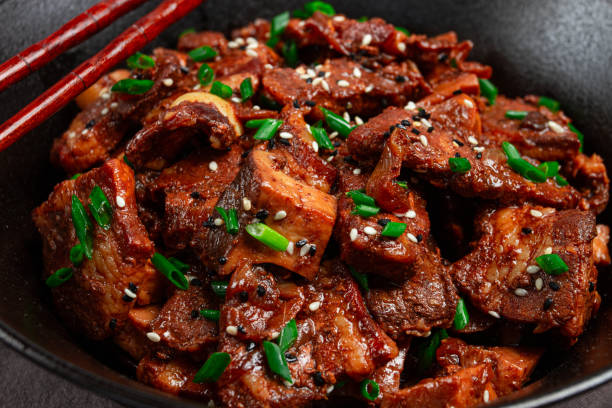
Korean BBQ culture is renowned for its interactive and communal dining experience, where friends and family gather around a grill to cook and share meals together. Within this vibrant culinary tradition, Bulgogi sauce plays a pivotal role. Its rich, savory-sweet flavor enhances the natural taste of grilled meats, transforming them into a delectable dining experience.
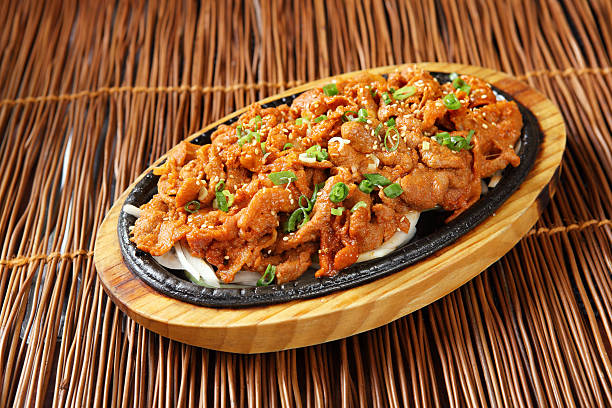
The marination process with Bulgogi sauce not only infuses meats with its unique flavors but also tenderizes them, resulting in juicy and succulent dishes. While beef is the classic choice for Bulgogi, this versatile sauce can also elevate other proteins, including pork, chicken, and even tofu for vegetarian options. The grilling process allows the sugars in the sauce to caramelize, creating a beautiful char and deepening the overall flavor.
As you savor traditional Korean BBQ, the fragrant aroma of meats marinated in Bulgogi sauce fills the air, inviting everyone to partake in the meal. The combination of marinated, grilled meats with side dishes creates a balanced and fulfilling dining experience, celebrating culinary harmony and social connection.
Detailed Recipe for Homemade Bulgogi Sauce
Ingredients
To create your own Bulgogi sauce at home, you’ll need the following essential ingredients:
- Soy Sauce: 1/2 cup
- Sugar or Honey: 1/4 cup (adjust to taste)
- Sesame Oil: 2 tablespoons
- Garlic: 4 cloves, minced
- Ginger: 1 tablespoon, minced
- Mirin or Rice Wine (optional): 2 tablespoons
- Black Pepper or Korean Chili Pepper: to taste
Directions
Follow these simple steps to prepare your homemade Bulgogi sauce:
- In a medium bowl, combine the soy sauce, sugar or honey, and sesame oil. Stir until the sugar or honey is completely dissolved.
- Add minced garlic and ginger to the mixture, ensuring they are well incorporated for maximum flavor.
- If using, stir in the mirin or rice wine for added depth and complexity in taste.
- Season the sauce with black pepper or Korean chili pepper, depending on your preferred level of heat.
- Taste the sauce and adjust the sweetness or spiciness to your liking, adding more sugar or pepper as needed.
Advice for Use
For best results, marinate your chosen meat in the Bulgogi sauce for at least 30 minutes, though a few hours or overnight is ideal for enhancing flavor. The marinated meat can be grilled, stir-fried, or even broiled for a delicious meal. Pair the seasoned meat with traditional sides like rice and kimchi to create an authentic Korean BBQ experience.
Storing and Preserving Bulgogi Sauce
To maximize the shelf life of your homemade Bulgogi sauce, store it in an airtight container in the refrigerator. Properly stored, it can last for up to one week. For longer preservation, consider freezing the sauce in small portions using ice cube trays. Once frozen, transfer the cubes to a resealable plastic bag, allowing you to thaw only what you need for future cooking adventures.
If you have leftover sauce after marinating meats, it can be repurposed in various ways. Use it as a marinade for vegetables, drizzle it over stir-fries, or incorporate it into sauces for pasta dishes to add a unique Korean twist.
Pairing Ideas with Bulgogi Sauce
When enjoying dishes made with Bulgogi sauce, several side dishes and beverages complement its rich flavors:
- Side Dishes: Traditional Korean sides like kimchi, pickled vegetables, and steamed rice enhance the meal’s balance, adding crunch and acidity.
- Beverage Pairings: Pair your meal with Korean beer, soju, or makgeolli, which can elevate your dining experience and provide a refreshing counterbalance to the savory flavors.
- Fusion Recipes: Experiment with broader culinary applications by using Bulgogi sauce in tacos, burgers, or salads, showcasing its versatility beyond traditional dishes.
Popular Variations of Bulgogi Sauce
While the classic Bulgogi sauce has its signature flavor profile, there are exciting variations to explore:
- Vegetarian and Vegan Alternatives: Substitute the meat with marinated tofu or tempeh and use plant-based versions of soy sauce or alternative sweeteners to create a vegan-friendly dining option.
- Spicy Versions: Add Korean gochujang (red chili paste) or increase the amount of Korean chili pepper for a spicier sauce that can tantalize the taste buds.
- Regional Variations: Explore different regional styles in Korea, such as Jeongol (a hot pot dish) or Yukjeon (thinly sliced beef dipped in egg and pan-fried), which also utilize Bulgogi sauce in unique ways.
Health Considerations
While Bulgogi sauce enhances the flavor of dishes, it is essential to be mindful of its nutritional components:
- Nutritional Breakdown: On average, Bulgogi sauce is rich in sodium due to soy sauce, with varying sugar content based on the sweeteners used.
- Healthier Versions: For a lighter variation, consider using low-sodium soy sauce or substituting some of the sugar with natural sweeteners like maple syrup or agave nectar.
- Potential Allergens: Be aware of common allergens, especially gluten found in traditional soy sauce and sesame oil for individuals with sensitivities.
FAQs
What is Bulgogi sauce made of?
Bulgogi sauce typically consists of soy sauce, sugar or honey, sesame oil, garlic, ginger, and optional ingredients like mirin or rice wine, and pepper.
How long can you marinate beef in Bulgogi sauce?
You can marinate beef for as little as 30 minutes, but ideally, letting it sit for several hours or overnight allows for deeper flavor absorption.
Can we use Bulgogi sauce as a dipping sauce?
Yes, Bulgogi sauce can be enjoyed as a dipping sauce or drizzled over cooked dishes to enhance their flavors further.
Is Bulgogi sauce gluten-free?
Traditional Bulgogi sauce contains soy sauce, which often has gluten. However, gluten-free soy sauce alternatives can be used for those with sensitivities.
What is a good substitute for Bulgogi sauce?
A mixture of soy sauce, sugar, sesame oil, garlic, and ginger can replicate the basic flavor of Bulgogi sauce if you need a substitute.
Conclusion
Bulgogi sauce is not just a marinade; it symbolizes the joy and warmth of Korean BBQ. Its rich flavors bring people together and offer culinary delight both locally and internationally. Whether you’re grilling at home or exploring Korean cuisine in a restaurant, Bulgogi sauce is guaranteed to elevate your dining experience.
Bulgogi Sauce (Korean BBQ Beef Sauce)
Equipment
- 1 mixing bowl
- 1 whisk or fork
- 1 measuring cups
- 1 measuring spoons
- 1 air-tight container
Ingredients
- 1/2 cup soy sauce
- 2 tablespoons brown sugar
- 2 tablespoons sesame oil
- 2 cloves garlic, minced
- 1 tablespoon ginger, grated
- 1 tablespoon rice vinegar
- 1/4 teaspoon black pepper
- 1 tablespoon sesame seeds optional
- 2 green onions, chopped for garnish optional
Instructions
- In a mixing bowl, combine the soy sauce, brown sugar, sesame oil, minced garlic, grated ginger, rice vinegar, black pepper, and sesame seeds (if using).
- Whisk the ingredients together until the brown sugar is completely dissolved and the mixture is well combined.
- Taste the sauce and adjust seasoning as desired, adding more sugar for sweetness or soy sauce for saltiness.
- Use the sauce immediately to marinate beef or other proteins for at least 30 minutes before cooking for the best flavor.
- If not using right away, transfer the sauce to an air-tight container and refrigerate. It can be stored for up to 1 week.


