
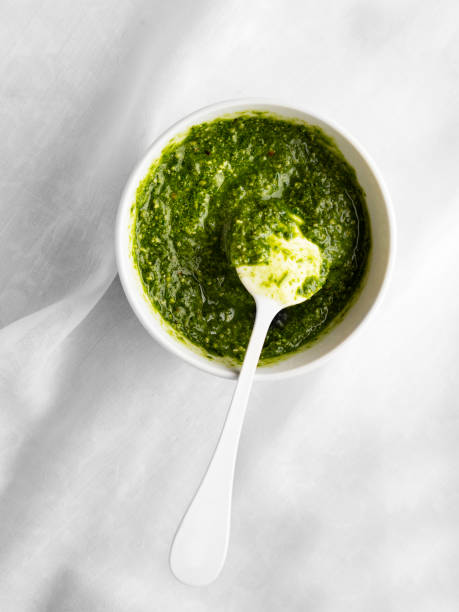
Ultimate Guide to Spinach Pesto: Recipes, Tips, Benefits
Pesto, a beloved Italian sauce, has captivated taste buds around the world with its delightful blend of fresh herbs, garlic, nuts, and cheese. While traditional pesto typically features basil as its star ingredient, countless variations have emerged, showcasing different leafy greens, nuts, and flavoring agents. One such variation that has gained popularity in recent years is spinach pesto, a nutritious alternative that retains the mouthwatering appeal of its basil counterpart.
Spinach pesto offers a wealth of health benefits, making it a fantastic addition to any meal. Packed with vitamins, minerals, and antioxidants, this vibrant green sauce not only enhances the flavor of your dishes but also provides a health boost. Its versatility is unmatched; spinach pesto can be used in a variety of applications, from pasta and sandwiches to salads and dips. Whether you’re looking to incorporate more greens into your diet or simply want to try a new recipe, spinach pesto is a wholesome choice that meets both culinary and nutritional needs.
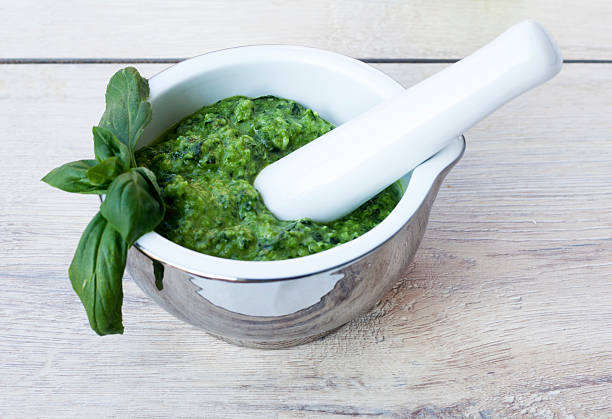
What is Spinach Pesto?
Spinach pesto is a delicious and nutritious twist on traditional pesto, which is primarily made from fresh basil leaves, garlic, nuts, and olive oil. While traditional pesto, often referred to as “Pesto alla Genovese,” celebrates the vibrant flavor of basil, spinach pesto showcases the versatility of leafy greens by using spinach as its primary ingredient. This allows for a delightful and healthy alternative that not only tastes great but also adds an array of nutrients to your meals.
The origins of pesto can be traced back to the Genoese region of Italy, where it was created as a means to preserve the fresh flavors of herbs and nuts. Over the years, the classic recipe has evolved, and variations have emerged as home cooks and chefs alike explore different combinations of ingredients. Spinach pesto is a perfect example of this evolution, providing an accessible and adaptable recipe that caters to varying tastes and nutritional needs.
Nutritionally, spinach pesto offers a wealth of benefits compared to its basil counterpart. For instance, spinach is rich in vitamins A, C, and K, as well as several essential minerals such as iron and magnesium. By swapping out a portion of the basil for spinach, the resulting pesto becomes a power-packed sauce with fewer calories but all the satisfying flavors of traditional pesto. The creamy texture and bright green color make spinach pesto an appealing addition to various dishes, ensuring everyone can enjoy its benefits without compromising on taste.
Health Benefits of Spinach Pesto
Spinach pesto is not just a flavor enhancer; it’s also a powerhouse of nutrition packed into a simple sauce. Rich in essential vitamins and minerals, spinach contributes significantly to your overall health. Here’s a closer look at the incredible health benefits of incorporating spinach pesto into your diet.
One of the standout features of spinach is its high vitamin content, particularly vitamins K, A, and C. Vitamin K is crucial for blood clotting and maintaining healthy bones, while vitamin A supports vision and immune function. Vitamin C serves as a potent antioxidant that helps protect cells from damage. Additionally, spinach is an excellent source of iron, which is essential for healthy blood circulation and energy production.
In terms of antioxidants, spinach pesto is a standout contender. Antioxidants play a critical role in reducing oxidative stress in the body, helping to lower the risk of chronic diseases such as heart disease and certain cancers. Spinach contains compounds like flavonoids and carotenoids, which have been linked to various health benefits, including anti-inflammatory effects.
Moreover, spinach pesto is a low-calorie sauce when compared to creamy alternatives, making it ideal for those looking to manage their weight. It adds flavor and richness to any dish without the burden of high-calorie ingredients. The heart-healthy fats derived from olive oil further support cardiovascular health by promoting healthy cholesterol levels.
Overall, integrating spinach pesto into your meals provides not only a burst of flavor but also a wealth of health benefits, making it a smart, nutritious choice for a variety of dishes.
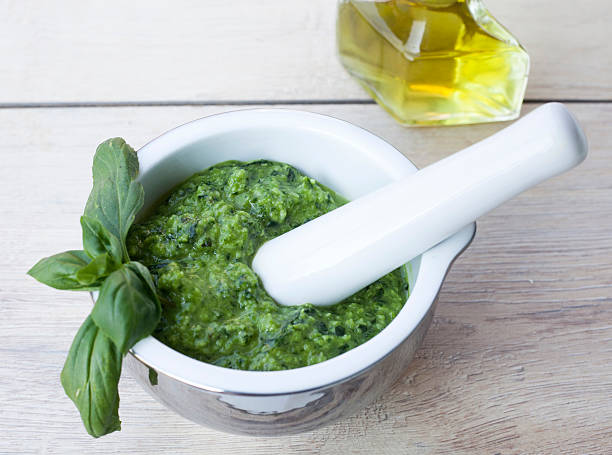
Spinach Pesto Recipe
If you’re eager to try making your own spinach pesto, here’s a simple recipe that will delight your taste buds while providing a nutritious boost to your meals. Follow these easy steps to create a delicious batch of spinach pesto.
Ingredients
- Fresh spinach (2 cups, packed)
- Olive oil (1/2 cup)
- Garlic (2 cloves, peeled)
- Pine nuts (1/3 cup, lightly toasted)
- Parmesan cheese (1/2 cup, grated)
- Lemon juice (1 tablespoon, fresh)
- Salt (to taste)
- Black pepper (to taste)
- Optional: nutritional yeast for a vegan version
- Optional: other spices like basil for enhanced flavor
Directions
- Prepare the Ingredients: Clean and dry the spinach leaves thoroughly. In a small frying pan, toast the pine nuts over medium heat until they are golden brown, being careful not to burn them.
- Blend Ingredients: In a food processor, combine the spinach leaves, garlic, toasted pine nuts, lemon juice, salt, and black pepper. Begin blending and gradually add the olive oil until the mixture reaches a smooth consistency.
- Add Cheese and Adjust Seasoning: Mix in the grated Parmesan cheese with a few short pulses, ensuring it is well integrated. Taste the pesto and adjust the seasoning with more salt or pepper if needed.
- Store and Serve: Transfer the spinach pesto to an airtight container. For best flavor, drizzle a thin layer of olive oil on top before sealing. Store in the refrigerator for up to a week, or freeze for longer storage. Serve it over pasta, spread on sandwiches, or as a dip for veggies.
Advice
- Variations: Feel free to add fresh herbs like basil or parsley for added flavor, or try substituting the pine nuts with almonds or walnuts for a different taste.
- Storage Tips: Spinach pesto can last up to one week in the refrigerator or can be frozen in small portions for several months.
- Ways to Use Spinach Pesto: Use it as a pasta sauce, a spread for sandwiches and wraps, a dressing for salads, or a topping for grilled meats and fish.
How to Use Spinach Pesto in Your Cooking
Spinach pesto is a versatile ingredient that can elevate a variety of dishes. Here are some creative ways to incorporate spinach pesto into your meals:
- As a Pasta Sauce: Toss spinach pesto with your favorite pasta and a splash of reserved cooking water for a simple yet flavorful dish. It pairs wonderfully with whole grain or vegetable-based pasta.
- Spread for Sandwiches and Wraps: Use spinach pesto as a spread on sandwich bread or as a flavorful layer in wraps. Combine it with ingredients like roasted vegetables or turkey for a satisfying meal.
- Vegetable Dip or Topping: Serve spinach pesto as a dip for fresh vegetables or as a topping for grilled meats and fish, adding a burst of flavor and nutrition.
- Adding to Soups: Stir a spoonful of spinach pesto into soups for extra flavor and richness. It works especially well with tomato-based soups or creamy vegetable soups.
Common Mistakes When Making Spinach Pesto
While making spinach pesto is generally straightforward, there are some common pitfalls to avoid. Here are a few tips to ensure your pesto turns out perfectly:
- Using Too Much or Too Little Olive Oil: Getting the right amount of olive oil is crucial for achieving the desired consistency. Too much can make it greasy, while too little can result in a dry texture.
- Over-Processing the Spinach: Blend just until smooth. Over-processing can lead to a pasty texture instead of a fresh and vibrant sauce.
- Skipping Toasting the Nuts: Toasting pine nuts brings out their nutty flavor and enhances the overall taste of the pesto. Don’t skip this step!
- Ignoring Seasoning Adjustments: Always taste your pesto before serving. Adjust the salt, pepper, and acidity to achieve the best flavor balance.
FAQs about Spinach Pesto
Here are some frequently asked questions regarding spinach pesto:
- Can I freeze spinach pesto? Yes, spinach pesto freezes well. Store it in airtight containers or ice cube trays for easy portioning.
- Is spinach pesto healthy? Absolutely! Spinach pesto is rich in vitamins, minerals, and antioxidants, making it a nutritious addition to any meal.
- What can I substitute for pine nuts? You can use nuts like walnuts, almonds, or sunflower seeds as alternatives, depending on your preference.
- How long does homemade pesto last in the fridge? Homemade spinach pesto can last in the refrigerator for up to one week.
- Can I make spinach pesto without cheese? Yes, you can omit cheese or use nutritional yeast for a dairy-free version while still maintaining great flavor.
Conclusion
Incorporating spinach pesto into your cooking not only adds delightful flavor but also offers a wealth of health benefits. Its versatility makes it an excellent choice for a variety of dishes, whether you’re enhancing pasta or topping meats. Don’t hesitate to experiment with different variations and enjoy the wholesome goodness of spinach pesto!
Reference Section
For further information on the health benefits of spinach and traditional pesto, consider exploring reliable health and cooking sources. Acknowledging the origins and evolution of pesto can deepen your appreciation for this Italian delicacy.
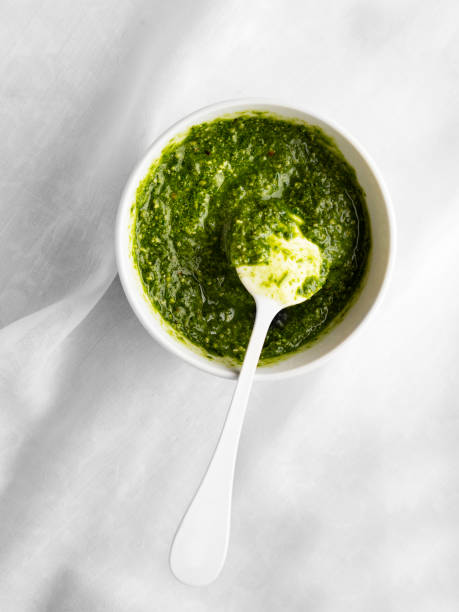
spinach pesto
Equipment
- 1 Food processor or blender
- 1 Measuring cups and spoons
- 1 Spatula
- 1 Airtight container for storage
Ingredients
- 2 cups fresh spinach leaves Packed.
- 1/2 cup grated Parmesan cheese
- 1/3 cup walnuts Toasted for extra flavor.
- 2 cloves garlic Minced.
- 1/3 cup olive oil
- 1 tablespoon lemon juice
- to taste salt
- to taste black pepper
Instructions
- Toast the walnuts in a dry skillet over medium heat for 3-5 minutes, stirring constantly until fragrant and slightly golden. Remove from heat and let cool.
- In a food processor or blender, combine the fresh spinach, toasted walnuts, grated Parmesan cheese, and minced garlic.
- Pulse the mixture until finely chopped, scraping down the sides as necessary.
- While the food processor is running, gradually pour in the olive oil until the mixture is well blended and has a creamy consistency.
- Add the lemon juice, salt, and black pepper. Blend until fully incorporated and adjust seasoning if needed.
- Transfer the spinach pesto to an airtight container for storage.
- Store in the refrigerator for up to a week, or freeze for longer storage.