Shrimp Yakisoba: Delicious Recipe and Cooking Tips
Yakisoba, a beloved staple in Japanese cuisine, literally translates to “fried noodles.” Traditionally made with wheat noodles stir-fried alongside a mix of vegetables and protein, it boasts a rich flavor profile that’s sweet, savory, and umami-packed. Historically, yakisoba originated as a Chinese-style dish, but through the years, it has adapted to fit Japanese tastes and preferences. Today, it finds its place on street stalls and in homes alike, emblematic of comfort food in Japan and beyond, often enjoyed during festivals or as a quick meal on busy days.
Focusing on shrimp yakisoba, this dish offers a delightful twist that appeals to seafood lovers. The choice of shrimp not only adds a succulent taste and tender texture but also infuses the dish with a hint of oceanic freshness. As a source of lean protein, shrimp enhances both the nutritional profile and the overall allure of yakisoba. Combining the satisfying chew of yakisoba noodles with perfectly cooked shrimp and colorful vegetables allows this version of the dish to shine brightly in the culinary landscape, making it a must-try for anyone eager to indulge in Japanese flavors with a seafood twist.
History of Yakisoba
The history of yakisoba traces back to the early 20th century, when it was introduced to Japan from China. Originally inspired by “chow mein,” yakisoba’s early versions differed significantly from what we enjoy today. Initially, it consisted of stir-fried wheat noodles paired with basic meat and vegetables. However, as food culture in Japan evolved, yakisoba embraced local tastes, leading to unique Japanese interpretations. This evolution highlights the adaptability of yakisoba, allowing it to integrate various flavor profiles and ingredients, such as the popular use of tonkatsu sauce in contemporary recipes.
Todays’ yakisoba serves as a testament to both tradition and innovation. Each region of Japan boasts its own take on this dish. For instance, in Hiroshima, yakisoba might include an egg topping, while in Osaka, it is often served with a variety of seasonal vegetables, reflecting local agricultural practices. These regional variations underscore yakisoba’s versatility, demonstrating how it has not only remained relevant over the decades but has also become a signature street food in Japanese culinary culture.
What is Shrimp Yakisoba?
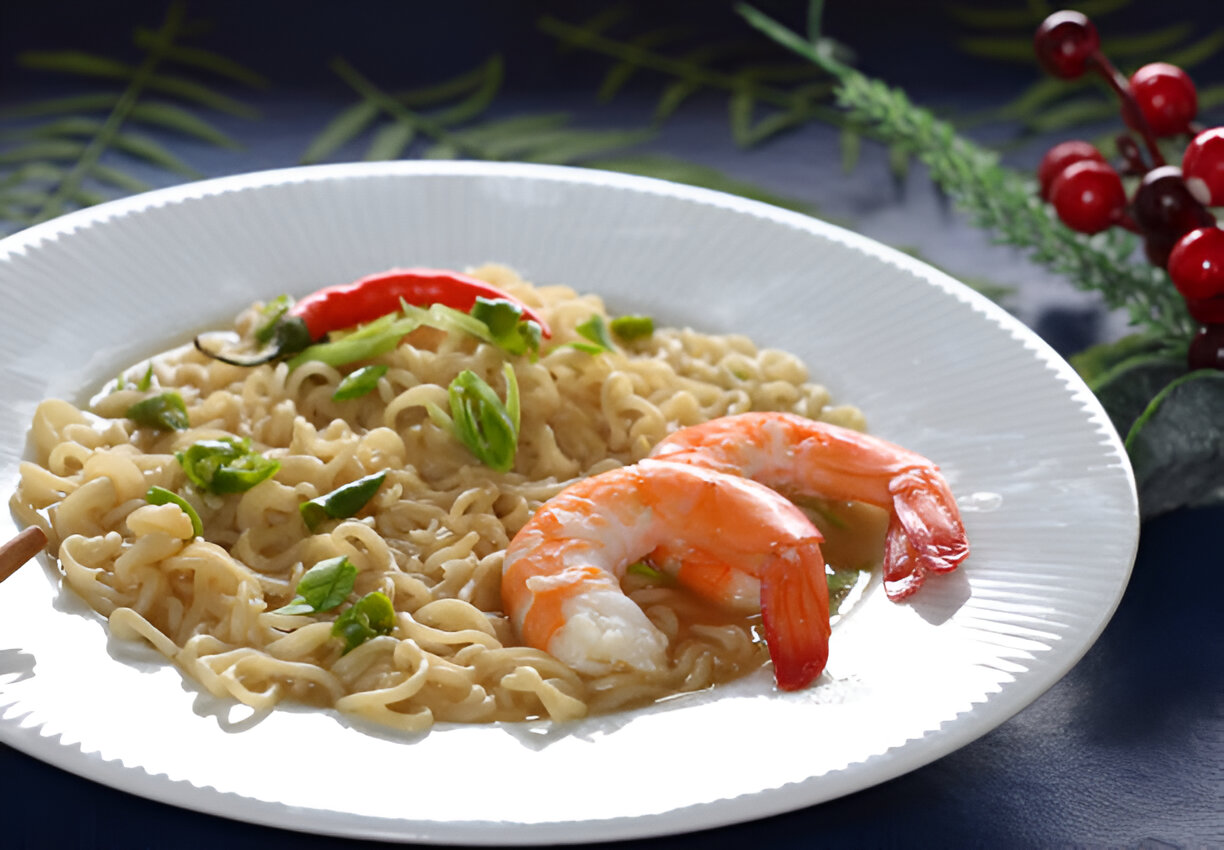
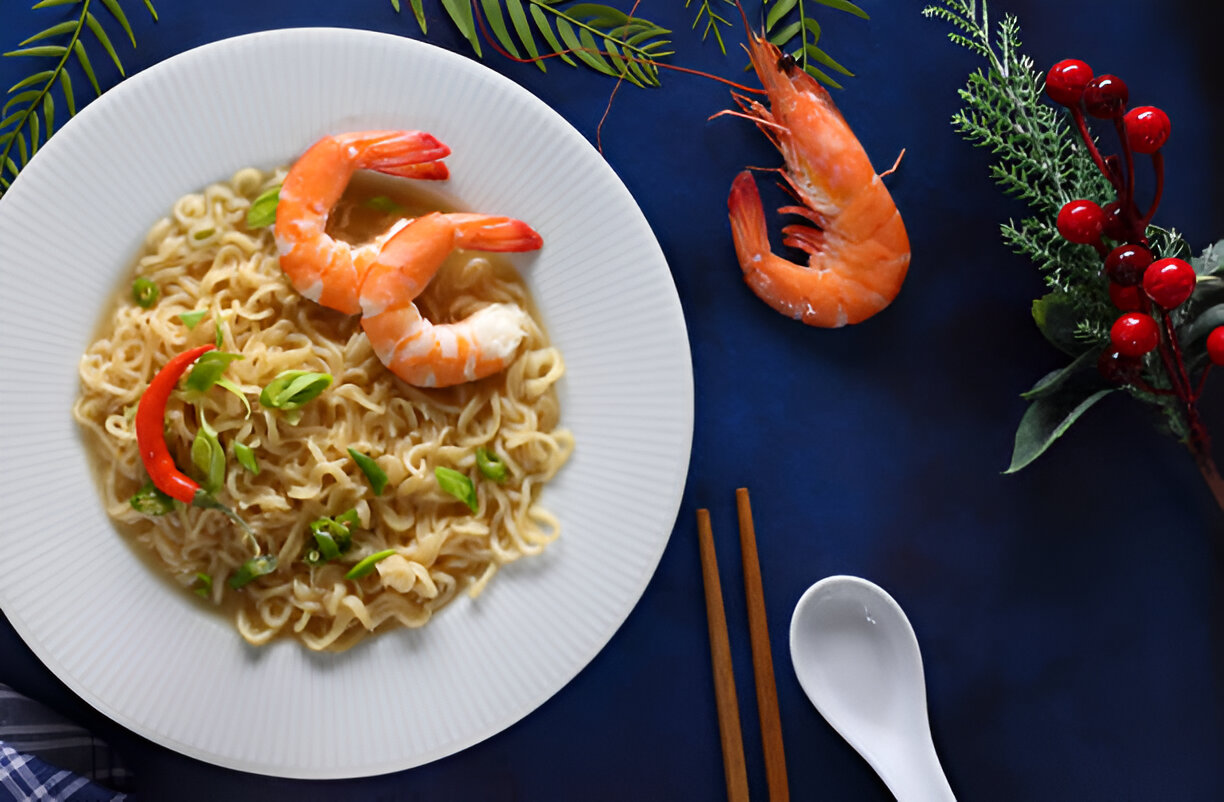
Shrimp yakisoba is a flavorful adaptation of traditional yakisoba, featuring succulent shrimp as the star protein. This delightful dish combines stir-fried wheat noodles with carefully selected vegetables, creating a well-rounded and satisfying meal. The main components of shrimp yakisoba include yakisoba noodles, shrimp, and an array of vibrant vegetables such as cabbage, bell peppers, and carrots. The incorporation of shrimp adds a tender, juicy texture and infuses the dish with a hint of oceanic freshness, making it a favorite among seafood lovers.
The flavor profile of shrimp yakisoba is a harmonious blend of sweet, savory, and umami tastes. The noodles are typically stir-fried with a special sauce composed of soy sauce, Worcestershire sauce, and other ingredients, enveloping the shrimp and vegetables in a delicious coat of flavor. This unique combination not only tantalizes the taste buds but also creates a comforting and aromatic experience for those indulging in this delicious meal. Whether enjoyed at a bustling street stall or prepared at home, shrimp yakisoba is a dish that perfectly exemplifies the blend of tradition and modern culinary creativity.
Nutritional Profile
Shrimp yakisoba is not only a delicious meal but also offers several nutritional benefits, primarily due to its main ingredient, shrimp. Shrimp is a fantastic source of lean protein, providing significant amounts of essential amino acids without the extra calories and fat often found in other protein sources. A serving of shrimp typically contains around 20 grams of protein while being low in calories, making it an excellent choice for those looking to maintain a balanced diet.
The whole dish of shrimp yakisoba also provides carbohydrates from the yakisoba noodles, which are essential for energy. The inclusion of vegetables like cabbage, bell peppers, and carrots adds vitamins and minerals to the meal. These ingredients not only enhance the flavor and texture but also contribute important nutrients, such as vitamin C, dietary fiber, and antioxidants.
However, it is essential to consider potential health concerns associated with shrimp yakisoba. For individuals with shellfish allergies, this dish is not suitable. Additionally, those who are gluten intolerant should ensure they use gluten-free noodles or sauces, as traditional yakisoba noodles contain wheat. By being mindful of these factors, shrimp yakisoba can be enjoyed as part of a nutritious and satisfying diet.
Key Ingredients for Shrimp Yakisoba
Creating a delicious shrimp yakisoba requires a few essential ingredients, each contributing to the dish’s unique flavor and texture.
- Noodles: The backbone of yakisoba, wheat noodles are preferred for their chewy texture. Fresh or pre-cooked yakisoba noodles can be found in many grocery stores. The distinct texture sets them apart from other types of Asian noodles.
- Shrimp: When selecting shrimp, medium-sized shrimp are ideal for this dish. It’s important to choose fresh or properly thawed shrimp to maintain tenderness and flavor. Sustainable sourcing is a crucial factor, so look for shrimp that is certified by reputable organizations.
- Vegetables: Common vegetables used in shrimp yakisoba include cabbage, carrots, bell peppers, and onions. These ingredients should be fresh and vibrant, ensuring optimal flavor and nutrition. When preparing the vegetables, cut them uniformly for even cooking.
- Sauce: The signature sauce of yakisoba typically consists of soy sauce, Worcestershire sauce, and sometimes ketchup. This combination brings out a savory umami flavor. Variations may include mirin or other flavor enhancers, allowing for personal customization.
By selecting quality ingredients, you can elevate your shrimp yakisoba, making it not just a meal, but an experience to remember.
Detailed Shrimp Yakisoba Recipe
Ingredients
- For the Yakisoba:
- Yakosoba noodles (2 servings)
- Shrimp (12-16 medium, peeled and deveined)
- Cabbage (1 cup, shredded)
- Carrots (1 medium, julienned)
- Bell pepper (1 medium, sliced)
- Green onions (2, sliced)
- For the Sauce:
- Soy sauce (3 tablespoons)
- Worcestershire sauce (1 tablespoon)
- Ketchup (1 tablespoon)
- Mirin (optional, 1 tablespoon)
- For Cooking:
- Vegetable oil (2 tablespoons)
- Salt & pepper (to taste)
Directions
- Preparation of Ingredients: Begin by washing and cutting the vegetables into uniform sizes to ensure even cooking. Shred the cabbage, julienne the carrots, and slice the bell pepper and green onions.
- Cooking the Noodles: In a pot of boiling water, cook the yakisoba noodles according to the package instructions. Once cooked, drain and rinse them under cold water to stop the cooking process and set them aside.
- Stir-frying Shrimp: In a large skillet or wok, heat the vegetable oil over medium-high heat. Add the shrimp and stir-fry until they turn pink and opaque. This should take about 2-3 minutes. Remove the shrimp from the skillet and set aside.
- Adding Vegetables: In the same skillet, add the prepared vegetables, starting with the cabbage, followed by the carrots and bell pepper. Stir-fry the vegetables for about 4-5 minutes, or until they are tender yet crisp.
- Combining with Sauce: Add the cooked yakisoba noodles back to the skillet along with the shrimp. Pour in the sauce ingredients, ensuring all components are evenly coated. Toss everything together for 2-3 minutes over medium heat.
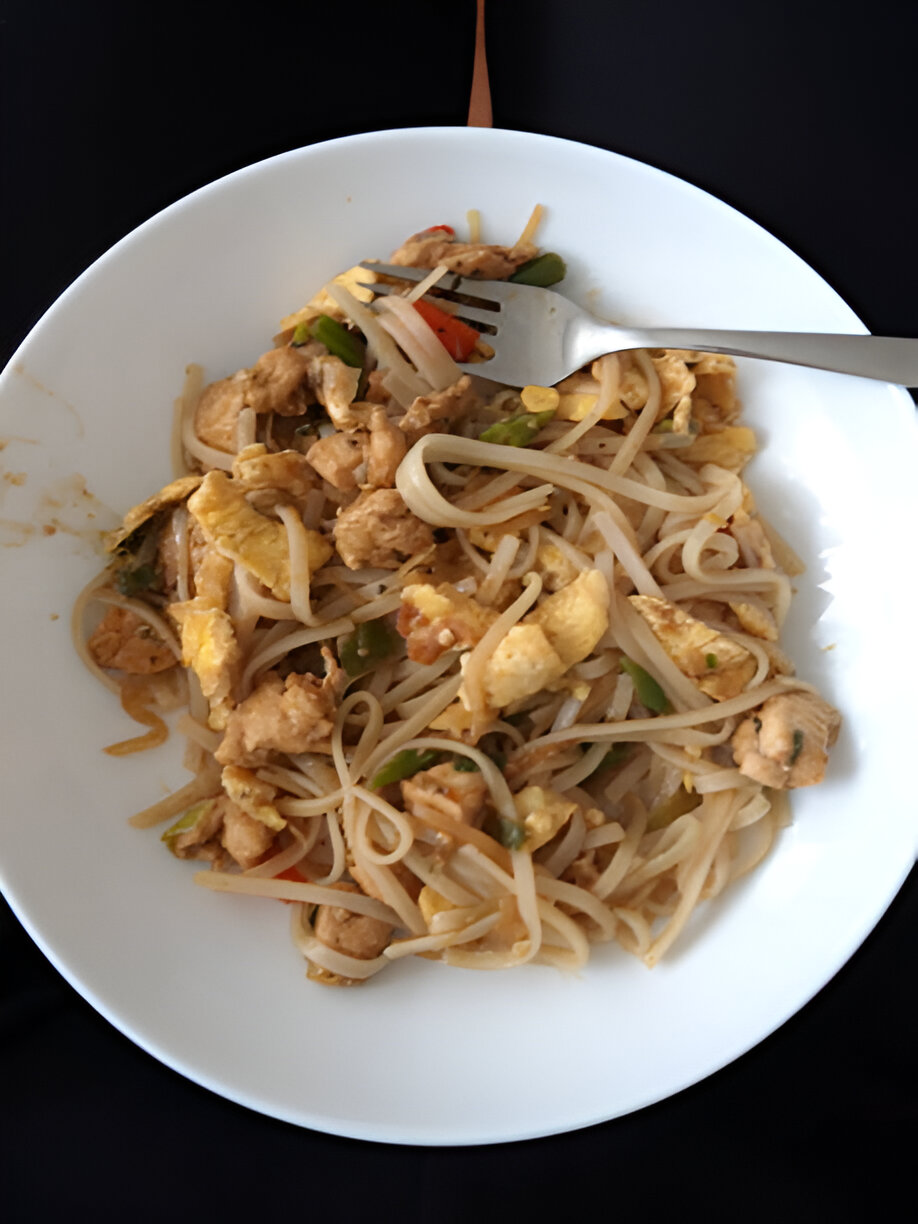
- Final Touches: Taste and adjust the seasoning with salt and pepper as needed. Serve hot, garnished with sliced green onions or a sprinkle of sesame seeds if desired.
Cooking Tips and Advice
Substitutions: Feel free to swap vegetables based on what’s available in your kitchen, such as adding broccoli, snap peas, or mushrooms for added texture and flavor.
Prepping in Advance: You can prepare the ingredients ahead of time, cutting the vegetables and marinating the shrimp for a more pronounced flavor.
Serving Suggestions: Shrimp yakisoba pairs beautifully with sides like edamame, pickled vegetables, or even a light miso soup for a complete meal.
Variations of Shrimp Yakisoba
Shrimp yakisoba can be customized in various ways to appeal to different preferences and tastes.
- Spicy Shrimp Yakisoba: Add chili paste or spicy sauce to the dish for a kick. Alternatively, incorporate spicy vegetables like jalapeños for extra heat.
- Vegetarian Alternatives: You can easily substitute shrimp with tofu or simply focus on the vibrant vegetables for a hearty vegetarian meal.
- Different Proteins: Explore the use of chicken, beef, or pork as an alternative to shrimp, adjusting cooking times accordingly to ensure proper doneness.
Pairing Suggestions
For a balanced dining experience, consider complementary dishes for your shrimp yakisoba.
- Complementary Dishes: Side dishes like Japanese pickles (tsukemono) or a serving of edamame provide a refreshing contrast to the main dish.
- Beverage Pairing: Pair your meal with a light beer like Asahi or a traditional Japanese green tea for a delightful combination.
Where to Find Shrimp Yakisoba
If you’re looking to enjoy shrimp yakisoba in a restaurant setting, many establishments specialize in this classic dish. Notable restaurants often feature yakisoba on their menu, particularly in areas with a strong Japanese culinary presence.
For convenience, many grocery stores offer take-out options or frozen meals that include shrimp yakisoba. When selecting frozen options, look for brands known for quality ingredients to ensure a tasty experience at home.
FAQs
What is Yakisoba traditionally made of?
Yakisoba is typically made with wheat noodles, meat (usually pork or chicken), and assorted vegetables, all stir-fried together with a unique sauce.
Can I use frozen shrimp for shrimp yakisoba?
Yes, frozen shrimp can be used for shrimp yakisoba. Just ensure they are properly thawed and patted dry to avoid excess moisture during cooking.
How spicy is shrimp yakisoba?
The spice level can be adjusted based on personal preference. Traditional shrimp yakisoba is not spicy, but you can add spicy components to suit your taste.
Is yakisoba gluten-free?
No, traditional yakisoba contains wheat noodles, making it unsuitable for a gluten-free diet. However, gluten-free noodles can be used as a substitute.
What’s the difference between yakisoba and chow mein?
While both are stir-fried noodle dishes, yakisoba is made with fermented soy sauce and Worcestershire sauce, giving it a distinct flavor compared to the Chinese chow mein, which varies widely in preparation and sauce ingredients.
Conclusion
Shrimp yakisoba is not just a meal; it’s a delightful experience, combining flavors, textures, and cultural significance. With the right ingredients and a touch of creativity, anyone can recreate this dish at home. We encourage you to explore different variations and make it your own. Share your experiences or favorite twists on shrimp yakisoba in the comments below!
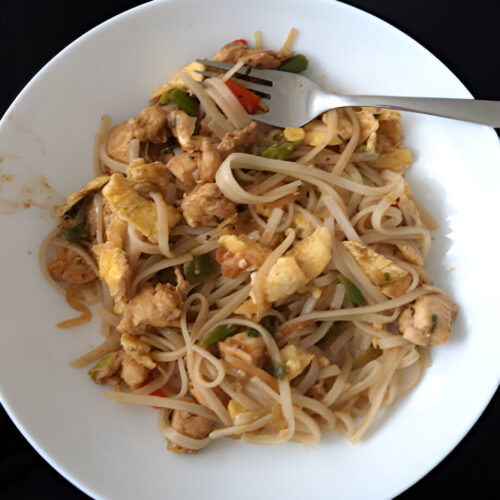
shrimp yakisoba
Equipment
- 1 large skillet or wok
- 1 pot for boiling noodles
- 1 strainer
- 1 cooking spatula
- 1 set measuring cups and spoons
Ingredients
- 8 ounces yakisoba noodles
- 1 pound shrimp, peeled and deveined
- 2 tablespoons vegetable oil
- 1 cup cabbage, thinly sliced
- 1 cup carrots, julienned
- 1 cup bell peppers (any color), thinly sliced
- 3 cloves garlic, minced
- 1 tablespoon ginger, minced
- ¼ cup soy sauce
- 2 tablespoons oyster sauce
- 1 tablespoon mirin (optional)
- to taste salt
- to taste pepper
- for garnish chopped green onions (optional)
- for garnish sesame seeds (optional)
Instructions
- Begin by boiling water in a pot. Once boiling, add the yakisoba noodles and cook according to the package instructions (usually 3-5 minutes). Drain and set aside.
- In a large skillet or wok, heat the vegetable oil over medium-high heat.
- Add the minced garlic and ginger to the oil and sauté for about 30 seconds until fragrant.
- Add the shrimp to the skillet and cook for about 3-4 minutes until the shrimp turn pink and opaque. Remove the shrimp and set aside.
- In the same skillet, add the sliced cabbage, carrots, and bell peppers. Stir-fry the vegetables for about 4-5 minutes until they are tender but still crisp.
- Return the cooked shrimp to the skillet. Add the cooked yakisoba noodles.
- Pour in the soy sauce, oyster sauce, and mirin (if using). Toss everything together until well combined and heated through, about 2-3 minutes.
- Taste and adjust seasoning with salt and pepper if needed.
- Serve hot, garnished with chopped green onions and sesame seeds if desired.