Ultimate Guide to Pasta Vegetables: Healthy Recipes & Tips
Pasta is one of the most beloved comfort foods around the world, cherished for its versatility, flavor, and ease of preparation. From classic spaghetti and meatballs to sophisticated fettuccine alfredo, pasta offers countless opportunities for delicious meals that can cater to any palate. However, the modern culinary landscape encourages a shift towards healthier eating, which is where pasta vegetables come into play. By incorporating a variety of fresh vegetables into pasta dishes, not only are we enhancing flavors and textures, but we are also boosting nutritional value.
This ultimate guide to pasta vegetables will take you on a journey through the health benefits of combining pasta with an array of colorful vegetables. You’ll discover which veggies are best suited to pair with your favorite pasta types, learn about popular dishes from different cuisines around the globe, and find out how to create your own pasta and vegetable masterpieces at home. Whether you’re a seasoned chef or just beginning your culinary adventure, this comprehensive article provides an engaging look at the delightful world of pasta vegetables that will keep you inspired to cook and eat healthier.
The Nutritional Benefits of Pasta Vegetables
Pasta is an excellent source of carbohydrates, which are vital for providing energy. In addition to traditional semolina pasta, there are many types available such as whole grain, gluten-free, and enriched pasta. Whole grain pasta offers more fiber and nutrients compared to its refined counterparts, making it a better choice for those seeking a healthier diet. Gluten-free varieties, made from ingredients like rice or lentils, allow individuals with dietary restrictions to enjoy pasta without compromising their health.
Health Benefits of Pasta
Carbohydrates, primarily found in pasta, are a necessary fuel source for our bodies, particularly for our brain and muscles. They provide quick energy, aiding in physical performance and daily activities. However, it’s essential to choose pasta wisely—opting for whole grain or fortified types can significantly enhance its nutritional profile. These pasta varieties are often packed with additional nutrients and fiber, which support digestive health and contribute to a feeling of fullness.
Advantages of Incorporating Vegetables
Adding vegetables to pasta dishes not only boosts flavor and texture but also significantly increases the nutritional value of the meal. Vegetables are rich in essential vitamins and minerals, providing a wide range of health benefits. For instance, greens like spinach and kale offer high levels of vitamins A, C, and K, while cruciferous vegetables like broccoli and cauliflower are known for their cancer-fighting properties.
- Fiber: Vegetables are an excellent source of dietary fiber, helping to regulate digestion and keep you satiated.
- Vitamins and Minerals: Each vegetable contributes a unique set of nutrients that support overall health and well-being.
- Weight Management: Incorporating more vegetables into meals can help with weight management due to their low calorie and high fiber content, promoting feelings of fullness.
Best Vegetables to Pair with Pasta
When it comes to pairing vegetables with pasta, variety is key. Here are some excellent choices that complement pasta dishes:
- Leafy Greens: Spinach and kale are fantastic additions for their nutritional benefits and pleasant flavor. They wilt nicely into hot pasta dishes.
- Cruciferous Vegetables: Broccoli and cauliflower not only add a satisfying crunch but are also nutrient powerhouses with numerous health benefits.
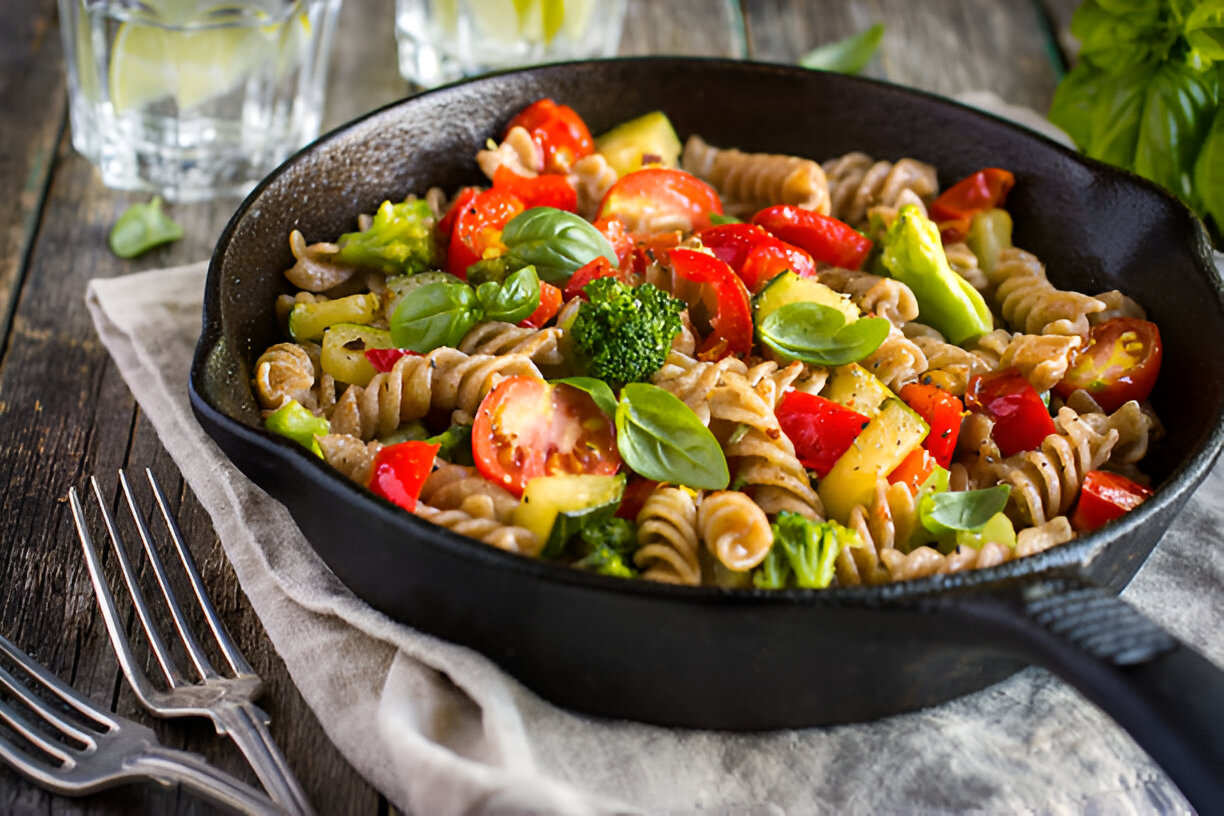
- Seasonal Vegetables: Zucchini, bell peppers, and cherry tomatoes can add vibrant colors and fresh flavors to your pasta dishes, making them even more appealing.
Popular Pasta Vegetable Dishes Around the World
Pasta is enjoyed globally, with various cultures adding their distinct twist to this beloved dish by incorporating a diverse array of vegetables. Here are some popular pasta vegetable dishes that showcase different culinary traditions:
Italian Pasta Dishes
- Ratatouille Pasta: This dish combines the rich flavors of ratatouille with pasta, featuring zucchini, eggplant, and bell peppers in a tomato-based sauce.
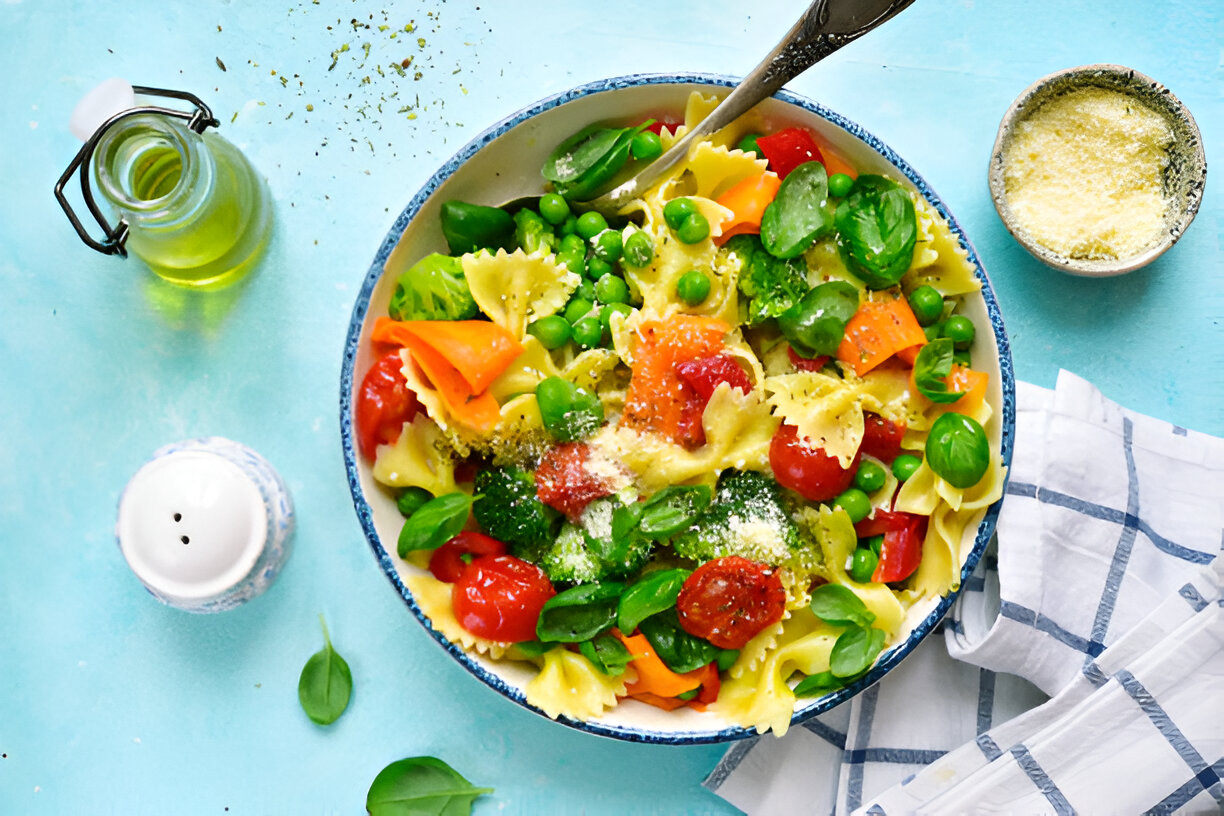
- Pasta Primavera: A classic Italian dish that highlights the freshness of spring vegetables, such as asparagus, bell peppers, and peas, all tossed with pasta and a light sauce.
Asian-Inspired Vegetable Pasta
- Asian Noodle Salad with Vegetables: A refreshing dish made with rice noodles and a colorful array of vegetables, finished with a tangy dressing.
- Stir-Fried Noodles with Mixed Vegetables: This dish features stir-fried noodles mixed with a variety of vegetables like bok choy, bell peppers, and bean sprouts, creating a vibrant and hearty meal.
Mediterranean Pasta
- Pasta with Roasted Vegetables: A rustic dish where pasta is combined with roasted seasonal vegetables, drizzled with olive oil and fresh herbs.
- Greek Pasta Salad: A cold pasta salad tossed with cucumbers, tomatoes, olives, and feta cheese, perfect for a refreshing summer meal.
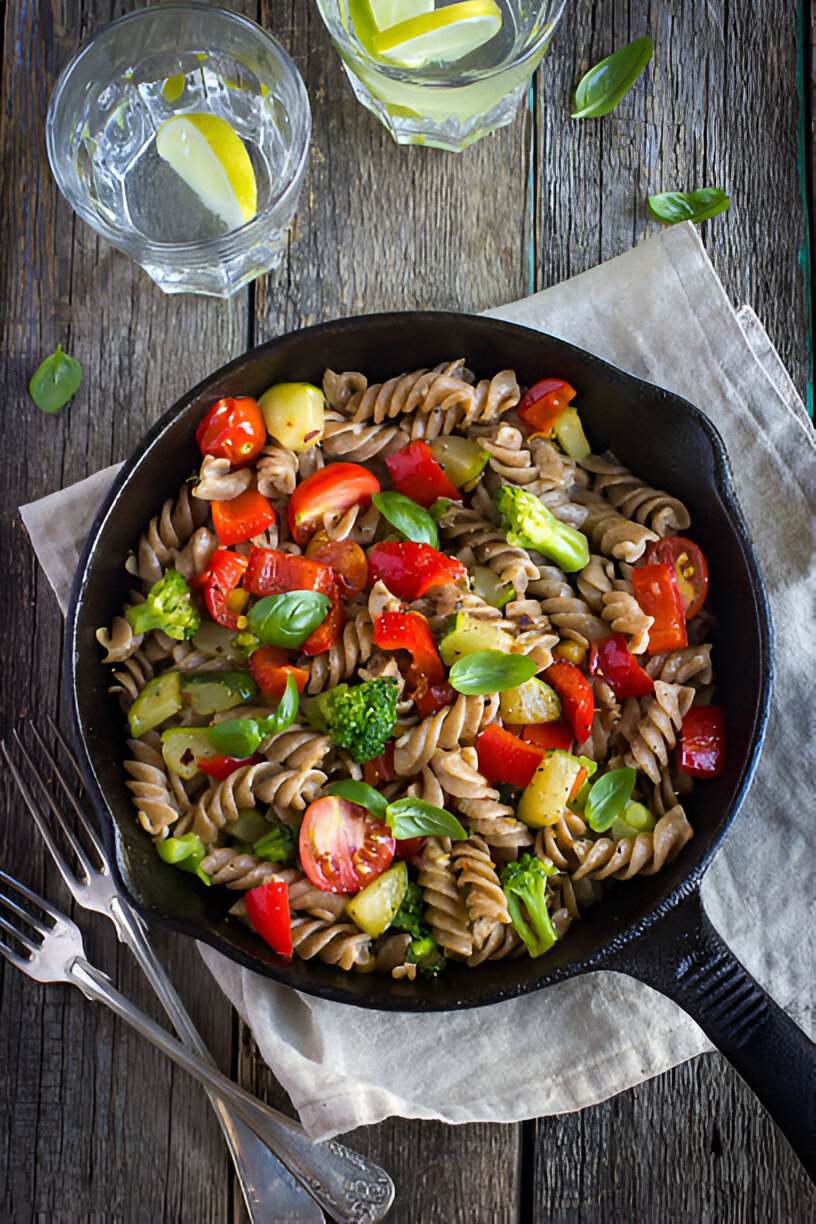
How to Prepare Pasta with Vegetables
Creating delicious pasta dishes with vegetables is both an art and a science. With the right techniques and ingredients, you can elevate a simple pasta meal into a flavorful and nutritious feast. Here’s a comprehensive guide on how to prepare the perfect pasta with vegetables.
Choosing the Right Type of Pasta
When preparing pasta with vegetables, selecting the right type of pasta is crucial. Different pasta shapes can enhance various dishes:
- Long Pastas: Spaghetti and linguine are ideal for light vegetable sauces and sautéed veggies.
- Short Pastas: Penne or fusilli hold onto chunky vegetable sauces beautifully.
- Stuffed Pastas: Ravioli and tortellini can be paired with a simple vegetable broth or sauce for added flavor.
Cooking the Perfect Pasta
To achieve the ideal pasta for your dishes, follow these steps:
- Bring a large pot of salted water to a rolling boil.
- Add the pasta and cook according to package instructions until al dente.
- Reserve a cup of pasta water before draining to adjust sauce consistency later, if needed.
- Drain the pasta and toss with a drizzle of olive oil to prevent sticking.
Cooking Techniques for Vegetables
The method you select for cooking vegetables can drastically change the taste and texture of your pasta dishes:
- Sautéing: Quick cooking over high heat retains flavor and crunch. Use a non-stick pan and add a bit of oil before tossing in your vegetables.
- Steaming: This method helps preserve nutrients and results in tender vegetables. Steam until just cooked and vibrant in color.
- Roasting: Roasted vegetables develop a deep, rich flavor. Toss vegetables in olive oil, season, and bake until caramelized.
Flavor Enhancements
Enhancing flavors in your pasta and vegetable dishes can make a significant difference. Consider the following:
- Herbs and Spices: Fresh herbs like basil, parsley, and oregano add vibrant flavors. Don’t forget garlic for its aromatic quality.
- Sauces vs. Oil-based Dressings: Light sauces like marinara or pesto can complement your ingredients without overpowering them. A drizzle of olive oil mixed with lemon juice can also add brightness.
Recipe Section: Pasta with Seasonal Vegetables
Simple Pasta Primavera Recipe
This vibrant dish showcases the freshness of seasonal vegetables. Perfectly cooked pasta paired with colorful veggies creates a delightful meal.
Ingredients:
- 8 oz spaghetti
- 2 cups mixed seasonal vegetables (bell peppers, zucchini, carrots)
- 4 cloves garlic, minced
- 1/4 cup olive oil
- Salt and pepper to taste
- Parmesan cheese for serving
Directions:
- Cook spaghetti according to package directions until al dente.
- In a large skillet, heat olive oil over medium heat.
- Add garlic, then the mixed vegetables; sauté until slightly tender, about 4-5 minutes.
- Drain spaghetti and add it to the skillet; toss to combine.
- Season with salt and pepper to taste, and serve with Parmesan cheese on top.
Tips and Variations
Feel free to experiment with this recipe:
- Try using different vegetable combinations such as asparagus, peas, or mushrooms for variety.
- For a protein boost, add grilled chicken, shrimp, or tofu.
Frequently Asked Questions (FAQs)
What are the best vegetables to use in pasta dishes?
Some of the best vegetables to use include leafy greens like spinach and kale, cruciferous vegetables like broccoli and cauliflower, and seasonal picks like zucchini, bell peppers, and cherry tomatoes.
Can I use frozen vegetables in pasta recipes?
Yes, frozen vegetables can be a convenient option. They are pre-washed and pre-cut, making meal prep easier. However, ensure to avoid overcooking them, as they are already partially cooked.
How do I store leftovers from pasta vegetable dishes?
Store leftover pasta dishes in an airtight container in the refrigerator. They can be kept for 3-5 days. Reheat in the microwave or on the stove, adding a splash of water if needed.
Are there gluten-free pasta options?
Absolutely! There are several gluten-free pasta options available, such as those made from lentils, chickpeas, rice, or quinoa. These options cater to individuals with gluten sensitivities while offering delicious alternatives.
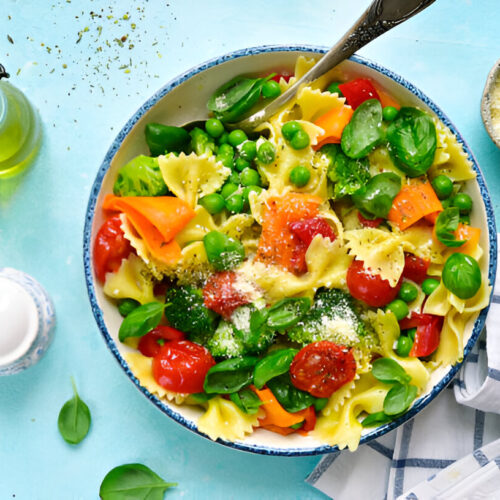
pasta vegetables
Equipment
- 1 large pot for boiling pasta
- 1 large skillet or frying pan
- 1 colander for draining pasta
- 1 cutting board
- 1 measuring cups and spoons
Ingredients
- 12 oz pasta any shape
- 1 tablespoon olive oil
- 1 medium onion, chopped
- 2 cloves garlic, minced
- 1 cup bell peppers, chopped mix of red and yellow
- 1 cup zucchini, diced
- 1 cup cherry tomatoes, halved
- 1 cup spinach leaves
- 1 teaspoon dried oregano
- to taste salt
- to taste pepper
- optional grated Parmesan cheese for serving
Instructions
- Begin by boiling water in a large pot. Once boiling, add the pasta and cook according to the package instructions until al dente. Drain and set aside.
- In a large skillet, heat the olive oil over medium heat. Add the chopped onion and sauté for about 3 minutes until it becomes translucent.
- Add the minced garlic and cook for an additional minute, stirring to prevent burning.
- Incorporate the chopped bell peppers and zucchini into the skillet. Sauté for about 5–7 minutes until the vegetables are tender.
- Stir in the halved cherry tomatoes and spinach leaves. Cook until the spinach wilts, roughly 2–3 minutes.
- Add the cooked pasta to the skillet, along with the dried oregano, salt, and pepper. Toss everything together until well combined and heated through.
- Serve hot, topped with grated Parmesan cheese if desired.