Pasta Oil and Garlic: A Simple and Flavorful Dish Guide
Pasta has long held a cherished place at the heart of many cuisines around the world, celebrated for its versatility, accessibility, and comforting qualities. From rich, creamy sauces to vibrant vegetable accompaniments, pasta can be transformed into an array of delightful dishes that cater to every taste and occasion. Among these, the straightforward yet exquisite combination of pasta with oil and garlic stands out as a favorite for both novice cooks and seasoned chefs alike.
This classic dish highlights the beauty of minimalism in the kitchen, requiring just a handful of ingredients to create a deeply flavorful meal. Oil and garlic are the heroes of this recipe, infusing the pasta with their rich and aromatic essence. Whether you’re whipping up a quick weeknight dinner or impressing guests at a gathering, pasta with oil and garlic is a go-to option that never fails to satisfy.
The widespread popularity of pasta oil and garlic recipes can be attributed to their remarkable versatility. The basic formula can be adapted with various seasonings, protein options, or veggies, allowing cooks to tailor each dish to their preferences. This not only makes it an accessible meal for all, but also a starting point for culinary creativity that encourages experimentation and personalization in cooking.
1. Understanding “Pasta Oil and Garlic”
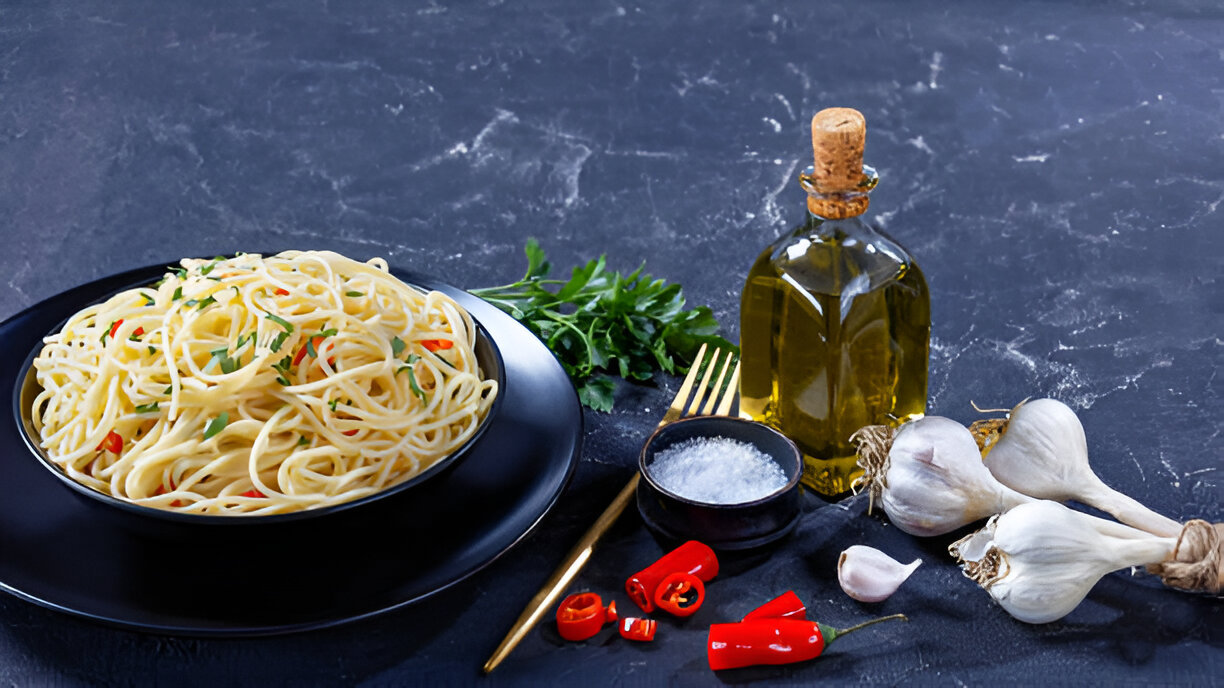
Pasta oil and garlic is a beloved dish renowned for its simplicity and robust flavor. At its core, this dish features pasta tossed with aromatic garlic and a generous amount of oil, typically olive oil. While traditional recipes often focus on this minimalistic base, modern interpretations allow for a variety of adaptations, including the addition of herbs, spices, or other ingredients that enhance the flavor profile. This flexibility has led to its emergence as a favorite among both home cooks and culinary enthusiasts, making it a universal comfort food.
1.2. Historical Background
The origins of pasta date back to ancient times, with its evolution intertwined with the history of various cultures. While some claim that pasta was first created in China, the dish became a staple in Italian cuisine by the Middle Ages. Garlic, on the other hand, has been used for centuries for both culinary and medicinal purposes, tracing its roots to regions in Central Asia. Throughout history, recipes utilizing oil and garlic have evolved, particularly in Mediterranean countries, where olive oil and garlic are cornerstones of the diet. This enduring combination has led to countless variations, enriching culinary traditions worldwide and ensuring its lasting popularity.
2. The Magic of Simple Ingredients
The appeal of pasta oil and garlic lies not only in its taste but also in the quality of its ingredients. When it comes to creating this dish, the choice of oil and garlic plays a crucial role in determining the final product’s flavor and texture.
2.1. Importance of Quality Ingredients
Using high-quality ingredients is paramount when preparing pasta oil and garlic. Fresh garlic will impart a more robust flavor compared to its powdered counterpart, while exceptional olive oil enhances the overall taste and mouthfeel. The texture of the dish can also be significantly affected by the choice of pasta and how it is cooked. A well-selected combination of these elements elevates the dish to extraordinary heights, showcasing the beauty of simplicity.
2.2. Types of Oil to Use
Choosing the right oil is essential in creating the perfect pasta oil and garlic dish. Extra virgin olive oil is most commonly used, known for its rich flavor and health benefits. However, understanding the difference between extra virgin and regular olive oil can impact your recipe. Extra virgin olive oil offers superior taste and aroma, while regular olive oil has a more neutral flavor that can serve as a milder alternative.
Beyond olive oil, other oils like grapeseed and avocado oil can also be employed to add unique flavors to the dish. Each type of oil brings its distinct properties, allowing cooks to experiment and personalize their creations.
2.3. Importance of Garlic
Garlic is the star player in this dish, providing depth and complexity. Fresh garlic, sliced or minced, delivers a robust taste, while powdered garlic, though more convenient, lacks the vibrancy and aroma of its fresh counterpart. The choice between the two depends on personal preference and the desired intensity of flavor.
Besides its culinary advantages, garlic also boasts numerous health benefits. Known for its antimicrobial properties, garlic supports heart health and is often associated with a plethora of other wellness benefits, making it a valuable addition to many dishes.
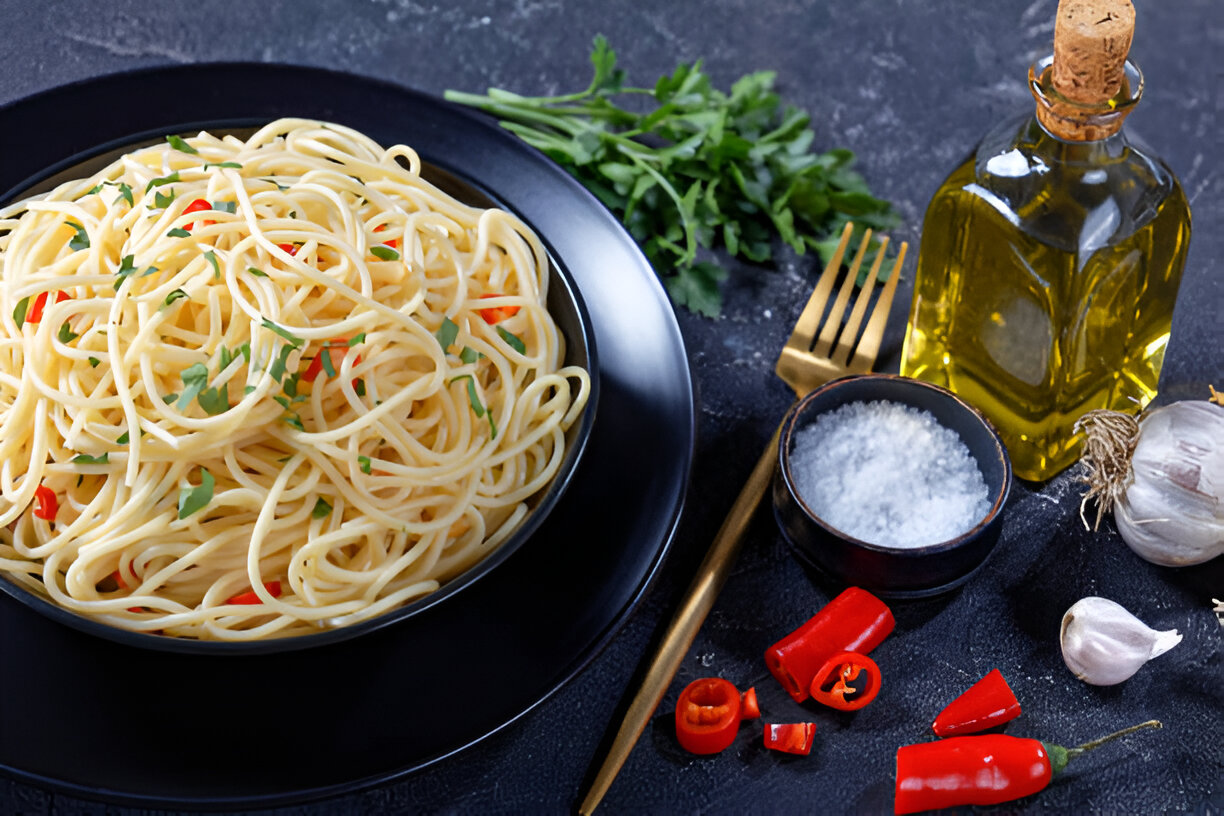
3. Classic Pasta Oil and Garlic Recipe
3.1. Ingredients
- 400g of pasta (spaghetti, linguine, etc.)
- 4-6 cloves of garlic (thinly sliced)
- 1/2 cup of extra virgin olive oil
- Red pepper flakes (optional, to taste)
- Salt and pepper (to taste)
- Fresh parsley (chopped, for garnish)
3.2. Instructions
- Bring a large pot of salted water to a boil. Add pasta and cook according to package instructions until al dente. Reserve 1 cup of pasta water, then drain the pasta.
- In a large skillet over medium heat, add olive oil. Once the oil is warm, add sliced garlic and sauté until it turns golden brown, about 2 minutes. Be careful not to burn the garlic.
- Add the drained pasta to the skillet and toss to coat the pasta in the oil and garlic. If the dish seems dry, add reserved pasta water a little at a time until desired consistency is reached.
- Season with red pepper flakes, salt, and pepper to taste. Mix well.
- Serve hot, garnished with chopped fresh parsley.
3.3. Tips for Perfecting the Recipe
- Choosing the right pasta: Spaghetti and linguine are excellent choices, but feel free to experiment with your favorite types.
- Avoid burning the garlic: Cook the garlic over medium heat and watch it closely to prevent burning, which can lead to a bitter taste.
- Adding protein or vegetables: Consider adding shrimp, grilled chicken, or sautéed seasonal vegetables for a heartier meal.
4. Variations and Additions
4.1. Protein Options
Enhancing your pasta with protein can create a more filling and balanced meal. Consider adding:
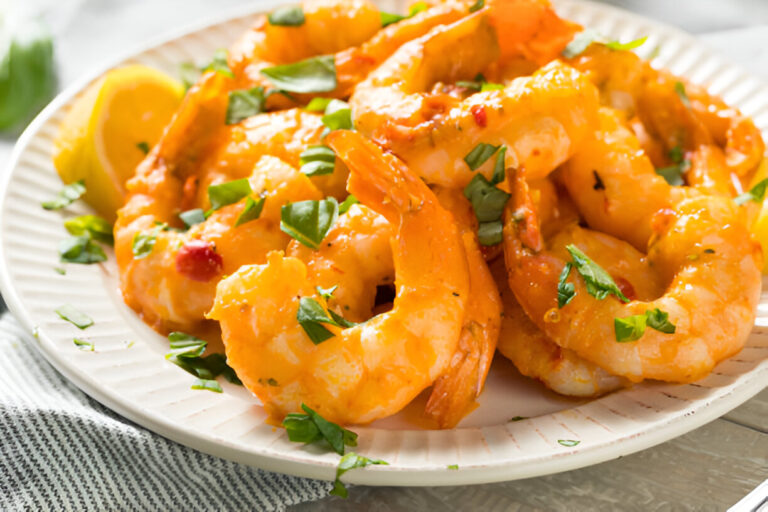
- Shrimp: Quick to cook and pairs beautifully with garlic.
- Chicken: Grilled or sautéed chicken can provide additional flavor and substance.
- Beans: Chickpeas or cannellini beans are excellent vegetarian options that add both protein and texture.
4.2. Vegetable Additions
Incorporating vegetables not only enhances nutrition but also adds color and flavor to the dish. Suitable options include:
- Spinach: Wilts nicely and adds a fresh taste.
- Cherry tomatoes: Sweet and juicy, they bring a pop of color.
- Zucchini: Sautéed or grated, they add a mild flavor and lovely texture.
4.3. Flavor Enhancements
Experimenting with different flavors can take your pasta to new heights. Consider adding:
- Lemon zest: A squeeze of fresh lemon juice or a sprinkle of zest adds brightness.
- Parmesan cheese: Grated cheese adds a rich, savory depth.
- Fresh herbs: Basil or thyme can introduce additional aromatic notes.
4.4. Alternative Preparations
The classic Aglio e Olio is an authentic Italian version of this dish that emphasizes the flavors of garlic and oil. To adapt to various dietary needs, consider:
- Vegan options: Ensure your ingredients like pasta and garnishes are vegan, and avoid cheese.
- Gluten-free pasta: Substitute traditional pasta with gluten-free options, ensuring a similar cooking process.
5. Pairing Suggestions
5.1. Wines That Complement
Choosing the right wine to pair with pasta oil and garlic can elevate the dining experience. Here are a couple of suggestions:
- White wine: A crisp Sauvignon Blanc or a buttery Chardonnay complements the dish beautifully.
- Red wine: Light-bodied reds like Pinot Noir can also work well without overpowering the flavors.
5.2. Side Dishes to Serve Alongside
To create a well-rounded meal, consider serving your pasta with side dishes such as:
- Fresh salads: A mixed green salad with a light vinaigrette adds crunch and freshness.
- Bread: Crusty bread or garlic bread is perfect for soaking up any leftover oil and garlic.
- Antipasti: An assortment of olives, cheeses, and cured meats can make for a wonderful appetizer.
6. The Health Aspects of Pasta with Oil and Garlic
6.1. Nutritional Benefits
Pasta oil and garlic can be part of a nutritious diet:
- Carbohydrates from pasta: Pasta serves as a great source of energy.
- Healthy fats from olive oil: Olive oil is rich in monounsaturated fats, which can promote heart health.
6.2. Garlic’s Health Benefits
Garlic does more than enhance flavor; it offers numerous health advantages:
- Antimicrobial properties: Garlic has been known to support the immune system.
- Heart health: Regular consumption of garlic may contribute to lower blood pressure and cholesterol levels.
7. Common Mistakes to Avoid
- Overcooking pasta: Ensure pasta is cooked al dente for the best texture.
- Using low-quality garlic or oil: The quality of ingredients significantly impacts the flavor of the dish.
- Neglecting seasoning properly: Don’t skip on salt; it’s crucial for enhancing flavors.
8. FAQs
8.1. What type of pasta is best for this dish?
Spaghetti and linguine are traditional choices, but you can use any pasta you prefer, such as fettuccine or penne.
8.2. Can I use other types of oil instead of olive oil?
Yes, other oils like grapeseed or avocado oil can be used to achieve different flavor profiles.
8.3. Is this dish suitable for meal prep?
Absolutely! Pasta oil and garlic can be made ahead and reheated, making it perfect for meal prep.
8.4. How can I make this dish gluten-free?
Simply substitute regular pasta with gluten-free varieties available in stores for a similar taste and texture.
Conclusion
Pasta with oil and garlic embodies simplicity and flavor, making it a beloved dish for any occasion. With its versatility for customization, it encourages experimentation, allowing every cook to add their personal touch. Whether enjoyed as a quick weeknight meal or served to impress at gatherings, this enduring recipe continues to delight palates worldwide.
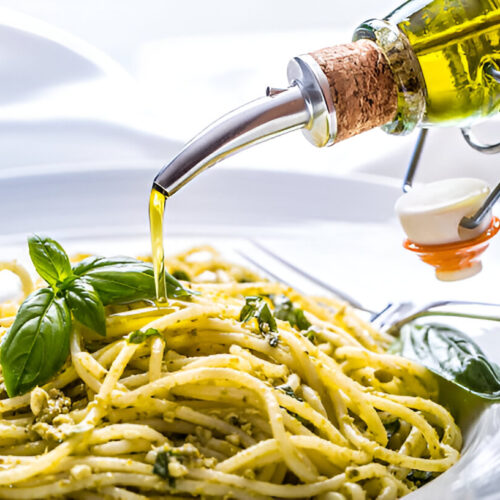
pasta oil and garlic
Equipment
- 1 Large pot
- 1 Colander
- 1 Large skillet
- 1 Wooden spoon
- 1 Measuring cups and spoons
- 1 Cutting board
Ingredients
- 12 oz spaghetti or pasta of choice
- 1/2 cup extra virgin olive oil
- 6 cloves garlic, thinly sliced
- 1/4 teaspoon red pepper flakes optional
- Salt to taste
- Freshly ground black pepper to taste
- 1/4 cup fresh parsley, chopped for garnish
- 1/2 cup grated Parmesan cheese for serving, optional
Instructions
- Bring a large pot of salted water to a boil. Add the spaghetti and cook according to package instructions until al dente, about 8-10 minutes. Reserve about 1 cup of pasta water and then drain the pasta in a colander.
- While the pasta cooks, heat the olive oil in a large skillet over medium heat.
- Add the sliced garlic to the skillet and sauté gently, stirring frequently for about 2-3 minutes, or until the garlic is golden brown and fragrant.
- If using, add the red pepper flakes to the garlic oil and stir for an additional 30 seconds.
- Add the drained pasta directly to the skillet with the garlic oil. Toss well to combine, adding reserved pasta water as needed for a silky sauce.
- Season with salt and freshly ground black pepper to taste.
- Serve immediately, garnished with chopped fresh parsley and grated Parmesan cheese, if desired.
- For added flavor, consider including a squeeze of lemon juice or a sprinkle of lemon zest before serving.
- Feel free to customize this recipe by adding veggies such as spinach or cherry tomatoes, or protein such as grilled chicken or shrimp for a more filling meal.