Discover the World of Pasta Noodles: Types, Recipes & Benefits
Pasta noodles are a beloved staple in kitchens around the globe, offering comfort and versatility in countless dishes. Whether you savor a classic plate of spaghetti or indulge in a warm bowl of ramen, pasta noodles hold a special place in various cuisines, from Italian to Asian and beyond. Made from simple ingredients like flour and water, these delightful strands can take many forms, each lending its unique texture and taste to a meal.
The importance of pasta noodles transcends mere sustenance; they embody cultural heritage and culinary creativity. From festive gatherings to everyday dinners, pasta dishes often bring people together, sparking joy and connection around the dinner table. Moreover, the myriad types of pasta noodles available provide endless opportunities for experimentation and creativity in cooking.
This article aims to explore the fascinating world of pasta noodles, delving into the different types available, their nutritional benefits, and the myriad recipes that incorporate them. Additionally, we will address common questions and concerns about pasta, ensuring that readers have a comprehensive understanding of this beloved ingredient. Whether you are a novice cook or a seasoned chef, you will find valuable insights to enhance your culinary creations with pasta noodles.
1. Understanding Pasta Noodles
Pasta noodles are one of the most cherished ingredients in global cuisines, cherished for both their simplicity and adaptability. At their core, pasta noodles are a blend of flour and water, shaping into various forms that each provide unique textures and flavors. While the classic image of pasta is often tied to Italian cooking, it is crucial to understand its broader context in culinary traditions around the world.
1.1 What Are Pasta Noodles?
Pasta noodles are unleavened dough pieces that are rolled out and cut into various shapes and sizes. Generally, they can be categorized into two main types: fresh and dried. Fresh pasta, typically made with eggs, is softer, more tender, and has a slightly richer flavor than its dried counterpart. Dried pasta, on the other hand, is more shelf-stable and typically uses a blend of semolina flour and water, resulting in a firmer texture.
1.2 History of Pasta Noodles
The history of pasta noodles is as diverse as the dishes they create. While the exact origin remains debated, many trace their beginnings to ancient civilizations, such as the Etruscans or the Chinese. The first recorded mention of pasta in Italy dates back to the 13th century. However, the concept of noodles existed long before in other cultures, notably in Asia, where various forms of noodles, like rice-based and wheat-based, have been staples for centuries. Each culture has adapted the basic concept of pasta noodles, infusing them with local ingredients and culinary techniques.
1.3 Types of Pasta Noodles
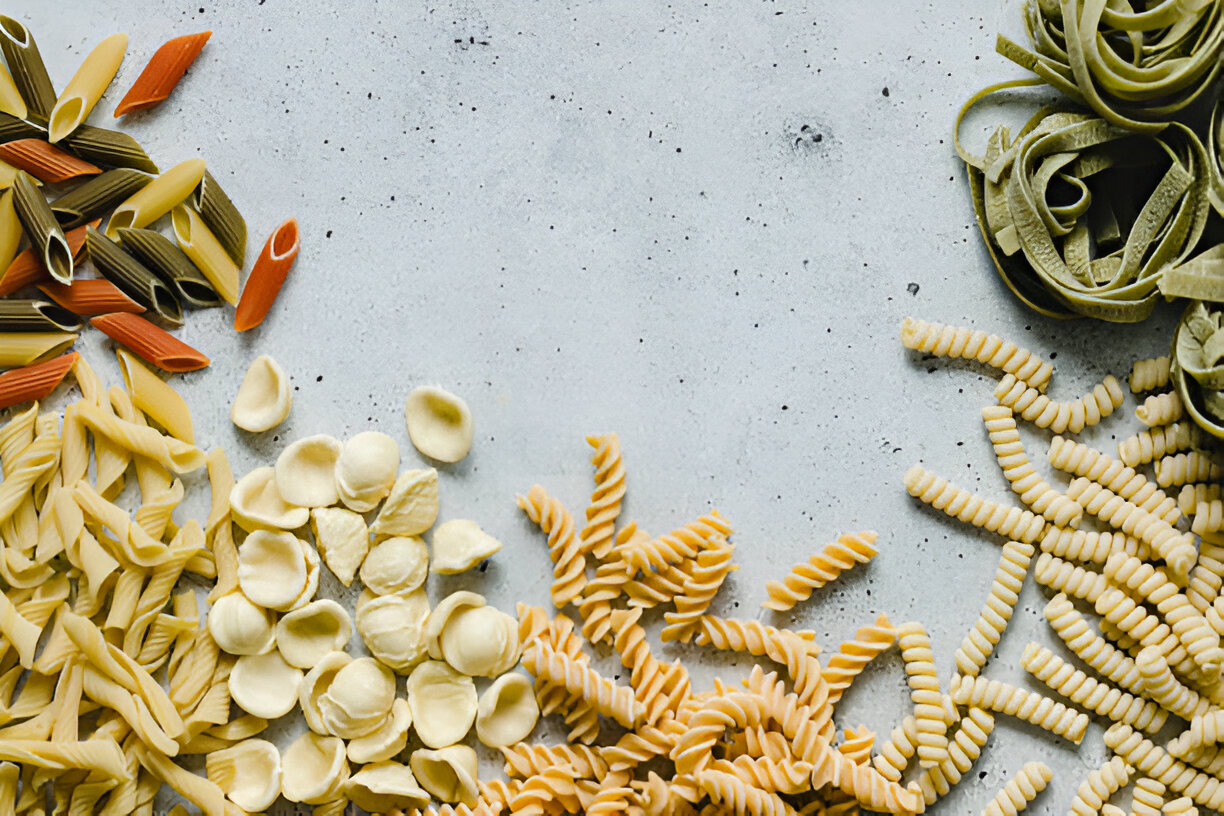
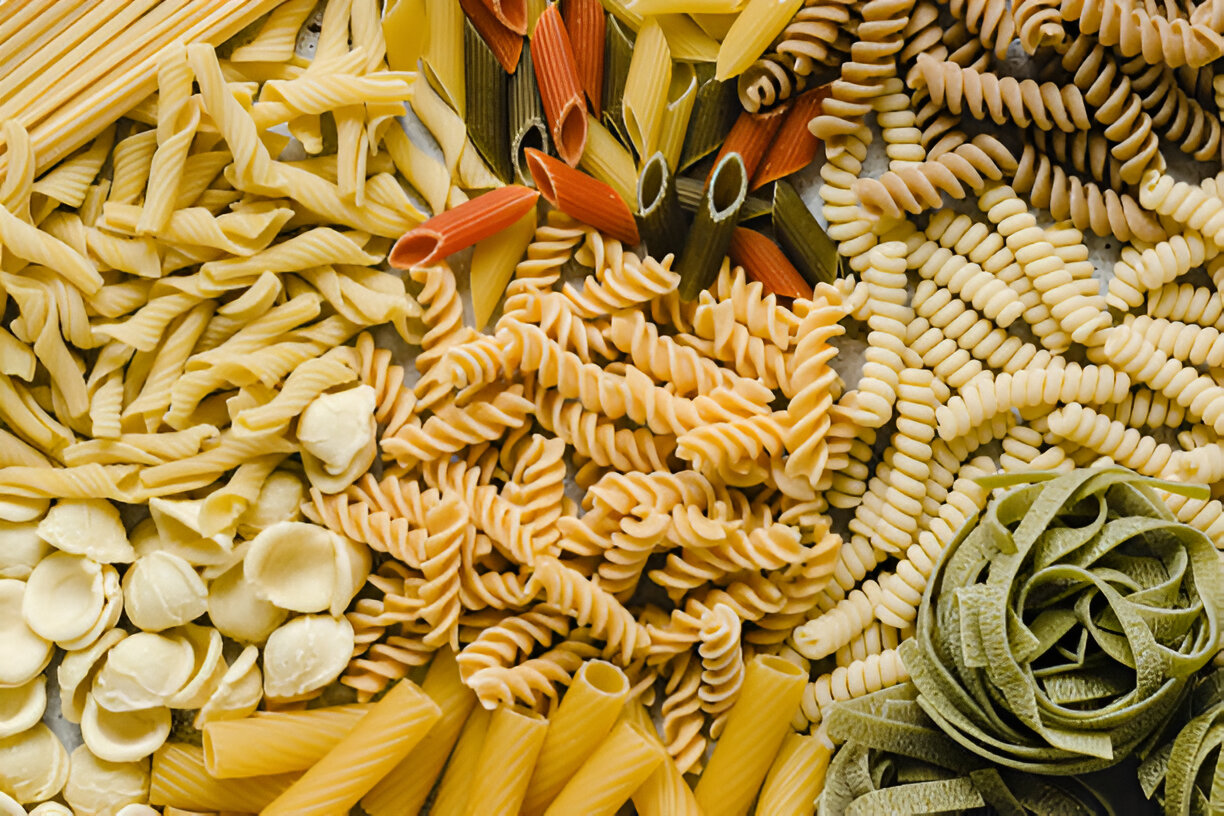
Pasta noodles come in a myriad of shapes and sizes, each designed for specific types of cuisine and dishes. They can be broadly categorized into two groups: fresh and dried pasta. Fresh pasta is often used in traditional Italian recipes like ravioli and tagliatelle, while dried pasta is favored in recipes that require a longer cooking time, such as baked casseroles. Additionally, noodles can be classified as long, such as spaghetti and fettuccine, or short, including penne and bowtie pasta. Understanding the differences among these types allows cooks to choose the perfect pasta for their dishes.
2. Types of Pasta Noodles
With so many types of pasta noodles available, it can be an exciting challenge to explore their varieties. Each type brings its unique characteristics, flavor, and potential for enhancing your culinary adventures. Below, we delve into some of the most popular pasta noodles categorized by their cultural origins.
2.1 Traditional Italian Pasta Noodles
Italian cuisine boasts a rich variety of pasta noodles, each tailored to pair with certain sauces and ingredients:
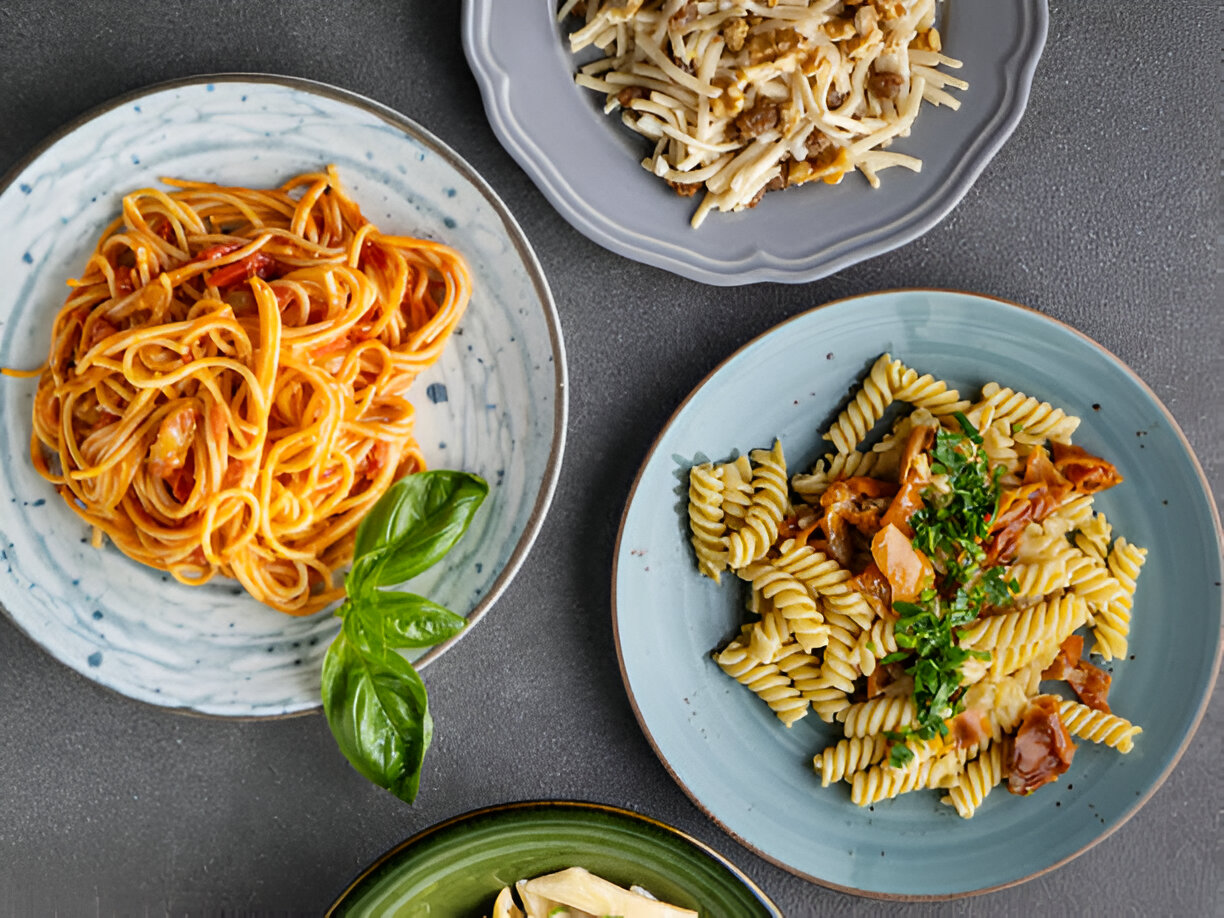
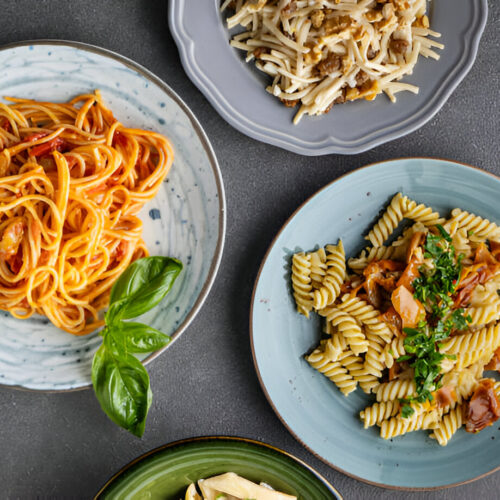
- Spaghetti: This long, thin noodle is perhaps the most iconic pasta, traditionally served with tomato-based sauces.
- Fettuccine: A broader noodle that is often used in creamy sauces like Alfredo.
- Lasagna: Flat sheets of pasta that are layered with ingredients and baked, making for a comforting and hearty dish.
- Penne: Short, tubular pasta that holds sauces well, making it a versatile choice for many dishes.
2.2 Asian Noodles
Asian cuisine features a variety of cultural noodle types, commonly made from rice or wheat:
- Udon: Thick, chewy noodles made from wheat flour, typically served in broth.
- Rice noodles: These gluten-free noodles come in various widths and are ideal for stir-fries and soups.
- Soba: Buckwheat noodles that are either served cold with dipping sauce or in hot broth.
- Vermicelli: Thin rice noodles often used in salads or stir-fries, known for their delicate texture.
2.3 Specialty and Gluten-Free Noodles
As dietary needs evolve, specialty noodles have gained popularity, including:
- Zucchini noodles (zoodles): Made by spiralizing zucchini, these low-carb alternatives are ideal for those following a gluten-free or low-carb diet.
- Quinoa noodles: A protein-rich option that provides a gluten-free alternative, packed with nutritional benefits.
- Chickpea noodles: High in protein and fiber, these noodles offer a nutritious twist on traditional pasta dishes.
- Rice-based options: Offering gluten-free options, these noodles provide flexibility for a variety of meals.
3. Nutritional Benefits of Pasta Noodles
Pasta noodles offer a range of nutritional benefits that can contribute to a balanced diet. While they are often criticized for being high in carbohydrates, understanding their composition reveals a variety of healthful elements that can be included in any meal plan.
3.1 Macronutrients Overview
At their core, pasta noodles are a significant source of carbohydrates, which provide energy essential for daily activities. Depending on the type, they can also contain proteins that play a vital role in muscle repair and overall function. Whole grain and alternative pasta options may provide additional nutritional benefits through their higher fiber content.
3.2 Vitamins and Minerals
Pasta noodles are often enriched with B vitamins, which are crucial for energy production and brain health. Additionally, those made from whole grains can contribute meaningful amounts of iron, an important mineral for transporting oxygen in the blood. Furthermore, dietary fiber in whole grain pasta supports digestive health.
3.3 Myths and Facts about Pasta Noodles
There are common myths surrounding pasta noodles, particularly concerning carbohydrates. Many people believe that consuming pasta will lead to weight gain; however, when enjoyed in moderation and paired with nutrient-dense ingredients, pasta can be part of a healthy meal plan. It’s also worthwhile to distinguish between refined and whole grain options, with the latter providing more nutrition.
4. Cooking Pasta Noodles
Cooking pasta noodles to perfection is both an art and a science, requiring attention to detail and some practice. Here are essential tips to guide you through the cooking process.
4.1 The Cooking Process
To achieve the perfect al dente texture, begin by boiling water in a large pot. It is advised to add salt to the water, as this enhances the flavor of the pasta. After the water reaches a rolling boil, add the pasta and monitor the cooking time listed on the package. When the pasta is cooked just enough to be firm to the bite, drain it immediately.
4.2 Choosing the Right Water and Salt
Water should be abundantly salted, reflecting the salinity of the sea, to impact the taste of the pasta. A good rule of thumb is to use approximately one tablespoon of salt per gallon of water. The correct ratio ensures that the pasta absorbs just the right amount of flavor during cooking.
4.3 Tips for Cooking Different Types of Pasta
Different types of pasta require varying cooking times. For example, fresh pasta cooks much quicker than dried pasta, usually only needing 2-3 minutes. To prevent overcooking, it is advisable to set a timer and taste a piece a minute before the designated cooking time ends to ensure it reaches the desired texture.
5. Delicious Pasta Noodle Recipes
Exploring recipes that incorporate pasta noodles is an excellent way to experience their versatility in the kitchen. Below are some classic and creative dishes to inspire your culinary endeavors.
5.1 Classic Spaghetti Bolognese
Ingredients:
- 400g spaghetti
- 300g ground beef
- 1 onion, finely chopped
- 2 garlic cloves, minced
- 400g canned tomatoes
- Olive oil, salt, and pepper
Directions:
- Cook spaghetti in boiling salted water.
- Sauté onion and garlic in olive oil until fragrant.
- Add ground beef and cook until browned.
- Mix in canned tomatoes and simmer for 20 minutes.
- Serve sauce over drained spaghetti.
Advice: Pair with fresh basil and grated Parmesan cheese.
5.2 Chicken Alfredo Fettuccine
Ingredients:
- 300g fettuccine
- 2 chicken breasts, sliced
- 200ml heavy cream
- 100g Parmesan cheese
- Olive oil, salt, and pepper
Directions:
- Cook fettuccine according to package instructions.
- In a skillet, sauté chicken until golden.
- Stir in heavy cream and Parmesan until melted and thickened.
- Combine with fettuccine and season accordingly.
Advice: Add steamed broccoli for extra nutrition.
5.3 Veggie Stir-Fried Rice Noodles
Ingredients:
- 200g rice noodles
- 1 carrot, julienned
- 1 bell pepper, sliced
- 2 tbsp soy sauce
- 1 tbsp sesame oil
- Green onions and sesame seeds for garnish
Directions:
- Soak rice noodles in warm water until softened.
- Stir-fry veggies in sesame oil for 5 minutes.
- Add drained noodles and soy sauce, stir well.
- Cook until heated through.
Advice: Customize with your favorite protein like tofu or chicken.
6. Storage and Leftovers
Proper storage of pasta noodles can enhance their shelf life and maintain their flavor, ensuring you enjoy every meal.
6.1 How to Store Cooked Pasta Noodles
Once pasta noodles are cooked, they should be stored in an airtight container and placed in the refrigerator if not eaten immediately. They can remain fresh for about 3-5 days. If you plan to keep them longer, consider freezing them, which can extend their life for up to 2 months.
6.2 Ideas for Leftover Pasta
Leftover pasta can be creatively transformed into new meals. For example, cold pasta can be used in salads, while reheated pasta can be incorporated into casseroles or stir-fries. Always ensure to reheat leftovers thoroughly to safeguard against any foodborne illnesses.
7. FAQs
7.1 What is the best way to cook pasta?
The best way to cook pasta involves boiling it in a generous amount of salted water until it reaches the al dente stage. This method ensures that pasta is both flavorful and maintains a desirable texture.
7.2 How do you know when pasta is done?
Pasta is done when it is tender yet firm to the bite, or al dente. Tasting a piece a minute before the package’s recommended cooking time is the best way to gauge its doneness.
7.3 Can you overcook pasta?
Yes, overcooking pasta can lead to a mushy texture that is far from ideal. To prevent this, closely monitor the cooking time and perform a taste test as it approaches the end of the suggested cooking period.
7.4 How long can you store cooked pasta?
Cooked pasta can be stored in the refrigerator for 3-5 days in an airtight container. If you choose to freeze it, it can last for up to 2 months.
7.5 Are pasta noodles gluten-free?
There are gluten-free pasta options available, made from alternatives like rice, quinoa, and chickpeas. These options cater to those with gluten sensitivities or celiac disease, allowing everyone to enjoy delicious pasta dishes.
pasta noodles
Equipment
- 1 large mixing bowl
- 1 rolling pin
- 1 clean flat surface or pastry board
- 1 sharp knife or pasta cutter
- 1 large pot
- 1 slotted spoon
Ingredients
- 2 cups all-purpose flour Plus extra for dusting.
- 3 large eggs
- 1/2 teaspoon salt
- as needed water Add if dough is too dry.
Instructions
- In a large mixing bowl, combine the flour and salt. Make a well in the center and crack the eggs into this well.
- Using a fork, beat the eggs gently while gradually incorporating the flour from the edges.
- Once the mixture starts to come together, use your hands to form a dough. If the dough is too dry, add a small amount of water.
- Knead the dough on a floured surface for about 8-10 minutes until it is smooth and elastic.
- Wrap the dough in plastic wrap and let it rest for at least 20 minutes at room temperature.
- After resting, divide the dough into four equal pieces. Keep the unused portions covered to prevent them from drying out.
- Roll out one piece of dough using a rolling pin to your desired thickness, sprinkling flour as needed to prevent sticking.
- Using a sharp knife or pasta cutter, cut the rolled-out dough into noodles of your desired shape (fettuccine, tagliatelle, etc.).
- Dust the cut noodles with flour to prevent them from sticking together. Repeat with the remaining pieces of dough.
- Bring a large pot of salted water to a boil. Carefully add the fresh pasta noodles and cook for 2-3 minutes, or until they float to the surface.
- Using a slotted spoon, remove the noodles and drain them. They are now ready to be served with your favorite sauce.
- You can store uncooked pasta in the refrigerator for a day or freeze it for longer storage. To freeze, lay noodles flat on a baking sheet, freeze until solid, and then transfer to a zip-top bag.