
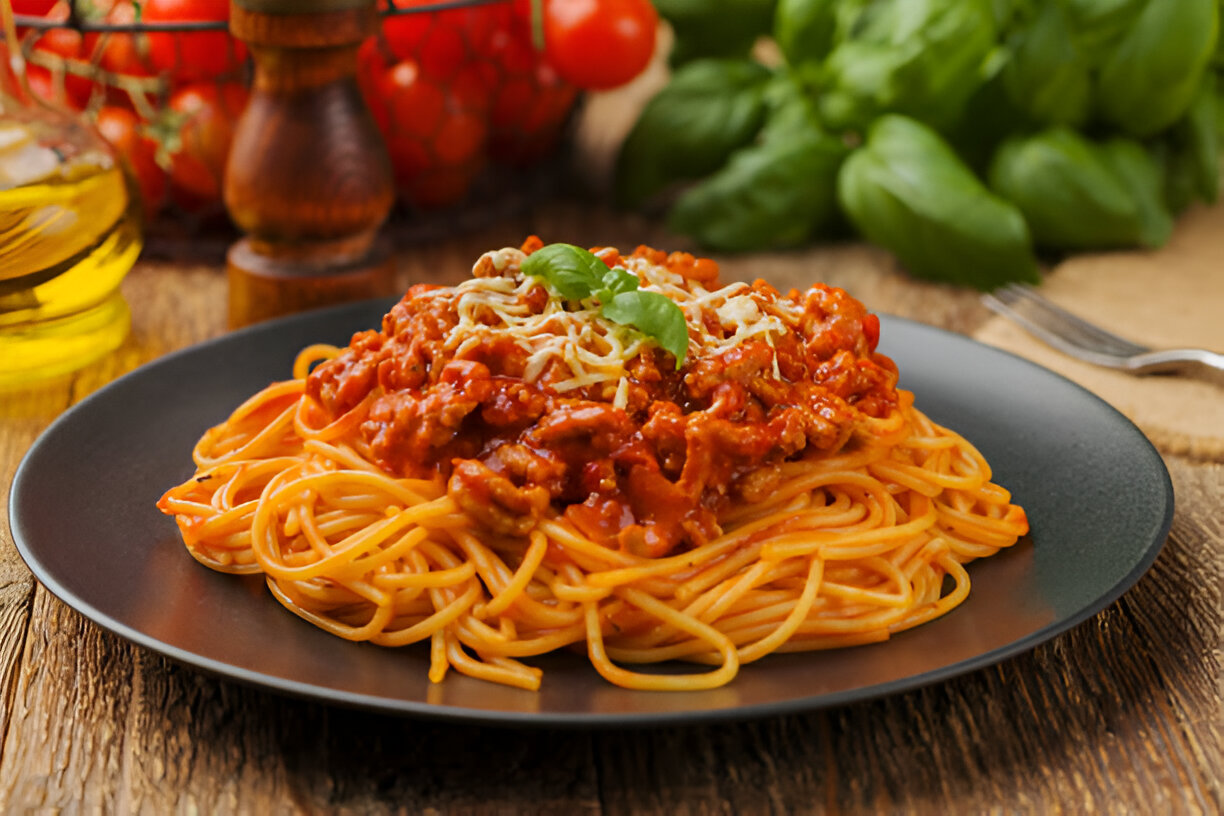
Ultimate Guide to Pasta Bolognese: History, Recipe & Tips
Pasta Bolognese is a beloved dish that resonates with food enthusiasts around the globe. Originating from the rich culinary tradition of Italy, this hearty meal features a flavorful sauce crafted from ground meats, ripe tomatoes, and aromatic vegetables, all simmered to perfection. It captures the essence of comfort food, making it a regular fixture on dining tables, not only in Italian restaurants but also in home kitchens worldwide.
The importance of Pasta Bolognese extends beyond its delightful taste. It serves as a gateway to understanding Italian cuisine, reflecting the cultural nuances and regional variations that define this iconic dish. Its popularity can be attributed to its versatility, making it suitable for casual family dinners or elegant gatherings. The unique blend of flavors appeals to a wide range of palates, ensuring that it has secured a place in the hearts of many.
This article aims to provide a comprehensive guide to Pasta Bolognese, delving into its history, essential ingredients, cooking techniques, and even common pitfalls to avoid. Whether you are a seasoned cook or a beginner eager to explore new culinary territory, this guide will equip you with the knowledge needed to create a delicious, authentic Bolognese sauce that can be enjoyed for years to come.
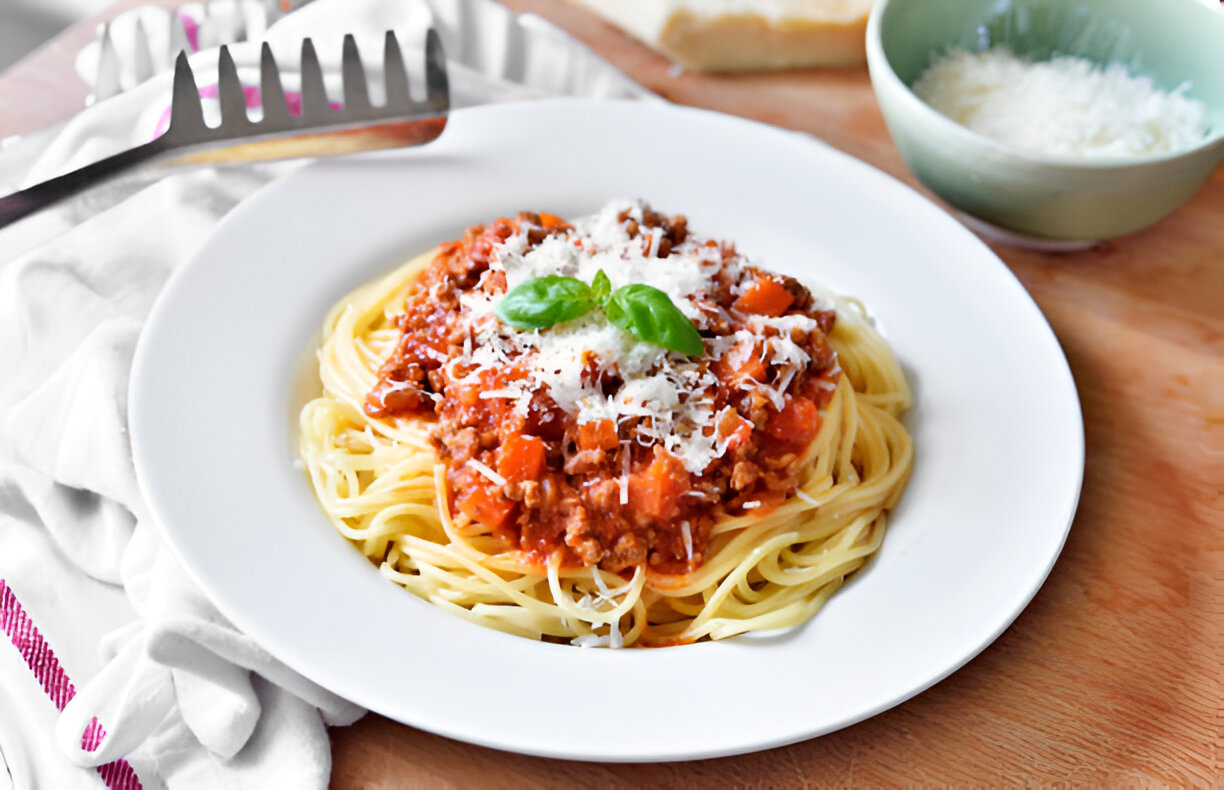
The History of Bolognese Sauce
Bolognese sauce, or “ragù alla Bolognese,” finds its roots in the Emilia-Romagna region of Italy, specifically the city of Bologna. This region is renowned for its rich culinary culture, where food is not merely sustenance but a form of art. Traditional recipes of Bolognese sauce date back to the 18th century, showcasing a combination of finely minced meat, vegetables, and tomatoes. Over the years, Bolognese has evolved, with modern interpretations often introducing variations that cater to contemporary tastes and preferences, such as the inclusion of additional ingredients like bell peppers or even mushrooms.
The authentic Bolognese is characterized by its hearty and flavorful profile, which is carefully prepared and simmered for hours until it reaches the desired richness. Traditionalists argue that modern variations dilute the essence of the original dish, which emphasizes quality over quantity and showcases the love and labor that go into its preparation. The debate between traditional and modern recipes continues, highlighting the dynamic nature of culinary traditions in response to changing palates and lifestyles.
Cultural Significance
Bolognese sauce holds a significant role in Italian cuisine, representing the heart of comfort food that resonates deeply with both locals and visitors. Symbolizing the Italian ethos of using fresh, high-quality ingredients, Bolognese is often enjoyed during family gatherings and festive occasions, emphasizing its role in social connection through food. Each family might have their own treasured recipes passed down through generations, adding a layer of personal history to the dish.
Regional variations of Bolognese sauce reflect the diverse culinary practices found across Italy. While the classic version emphasizes a slow-cooked, rich experience, other areas may introduce local ingredients, adapting the dish to their unique context. For instance, in some southern regions, the sauce may feature more tomato or even a different meat base. Moreover, as Bolognese spread around the world, it has transformed, melding with various cultural influences, leading to creative adaptations such as vegetarian or seafood versions, highlighting the dish’s enduring popularity and versatility.

Understanding the Ingredients
To create an authentic Pasta Bolognese, understanding the ingredients is crucial. Each component plays a significant role, contributing to the overall flavor and texture of the dish. The careful selection of quality ingredients is the foundation for a delicious Bolognese sauce that captures traditional Italian flavors.
Key Ingredients for Authentic Bolognese
The hallmark of a traditional Bolognese is the use of a mixture of ground meats. Typically, this includes:
- Ground Beef: Offers a robust flavor that forms the base of the sauce.
- Ground Pork: Adds a hint of sweetness and additional depth.
- Ground Veal: Used in some traditional recipes for a more delicate flavor.
Another essential component is the soffritto, a fragrant base made from finely chopped onion, carrot, and celery. This trio of vegetables infuses sweetness and complexity into the sauce.
Additionally, tomato puree provides acidity and richness, while red wine deepens the flavor profile. Milk may also be incorporated towards the end of cooking, which helps to mellow the acidity of the tomatoes and adds creaminess to the sauce.
Optional Ingredients
While the above ingredients are fundamental, there are several optional ingredients that can enhance the sauce:
- Herbs and Spices: Common additions include bay leaves and a pinch of nutmeg for warmth.
- Pancetta: This Italian bacon can add an extra layer of flavor.
- Parmesan: Grated parmesan can be used as a finishing touch, providing a rich umami flavor.
Cooking Techniques
Mastering the cooking techniques for Pasta Bolognese is essential for achieving the desired richness and depth. The preparation and the cooking methods contribute significantly to the final result.
Preparation Steps
Starting with a proper soffritto is critical. Begin by finely chopping the onion, carrot, and celery, then sauté them slowly in olive oil and butter. This process releases their natural sweetness and forms the flavor base for the sauce.
Next, layering flavors through slow cooking is key. After preparing the soffritto, the ground meats should be added and browned thoroughly before incorporating the tomato puree and other liquids. This allows the meats to develop a depth of flavor that forms the essence of the Bolognese.
Cooking Methods
There are several methods to cook Bolognese, each offering a unique outcome:
- Traditional Stovetop: This classic method involves simmering the sauce over low heat for a few hours, allowing the flavors to meld beautifully.
- Slow Cooker: This method is convenient and provides a hands-off approach, letting the sauce cook slowly throughout the day.
- Instant Pot Variations: For those short on time, an Instant Pot can be used to expedite the cooking process while still building layers of flavor.

pasta bolognese
Equipment
- 1 large pot
- 1 large skillet or saucepan
- 1 wooden spoon or spatula
- 1 colander
- 1 measuring cups and spoons
Ingredients
- 400 g spaghetti or tagliatelle pasta
- 2 tablespoons olive oil
- 1 medium onion, finely chopped (about 150g)
- 2 cloves garlic, minced
- 1 medium carrot, finely chopped (about 100g)
- 1 stalk celery, finely chopped (about 50g)
- 500 g ground beef (or a mix of beef and pork)
- 1 can crushed tomatoes (400g)
- 2 tablespoons tomato paste
- 150 ml red wine (optional)
- 1 teaspoon dried oregano
- 1 teaspoon dried basil
- to taste salt
- to taste pepper
- grated Parmesan cheese for serving (optional)
Instructions
- Bring a large pot of salted water to a boil. Add the pasta and cook according to package instructions until al dente. Reserve 1 cup of pasta water and then drain the pasta in a colander.
- While the pasta cooks, heat the olive oil in a large skillet or saucepan over medium heat.
- Add the chopped onion, carrot, and celery. Sauté for about 5-7 minutes until they become softened.
- Stir in the minced garlic and cook for another minute until fragrant.
- Increase the heat to medium-high and add the ground beef. Cook until browned, breaking it up with a wooden spoon, approximately 8-10 minutes.
- Pour in the red wine (if using) and let it simmer for about 5 minutes to reduce slightly.
- Stir in the crushed tomatoes, tomato paste, oregano, basil, salt, and pepper. Bring the sauce to a gentle simmer.
- Reduce the heat to low and let it simmer for about 30 minutes, stirring occasionally. If the sauce becomes too thick, add some reserved pasta water to achieve the desired consistency.
- Once the sauce is ready, combine it with the drained pasta in the pot. Toss well to coat the spaghetti or tagliatelle with the Bolognese sauce.
- Serve immediately, topped with grated Parmesan cheese if desired.