Pasta Bolognese: Classic Recipe, Tips, and Variations Explained
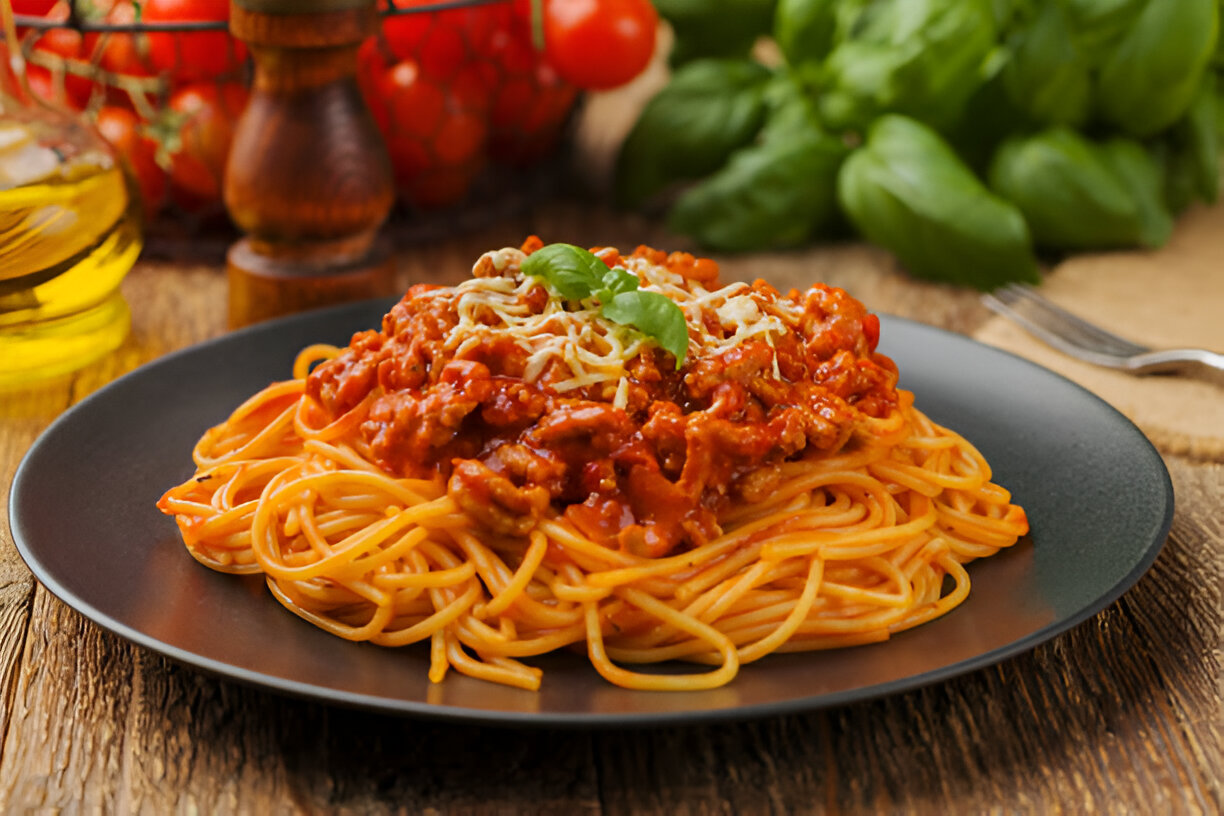
Pasta Bolognese is a beloved Italian dish known for its rich, savory flavors and hearty texture. This classic pasta sauce, made primarily from minced meat, tomatoes, and a blend of aromatic vegetables, has captured the hearts of food lovers around the world. Often associated with comfort food, it embodies the essence of Italian home cooking, bringing families and friends together around the table for a satisfying meal.
Originating from Bologna, Italy, Pasta Bolognese, or “ragù alla Bolognese,” boasts a deep cultural significance, representing the culinary traditions and regional pride of its birthplace. Over the years, this dish has been adapted and embraced in various forms across different countries, leading to its widespread popularity. From family dinners in North America to upscale restaurant menus in Europe, the variations of Pasta Bolognese continue to evolve while maintaining their roots.
This article will explore the essence of Pasta Bolognese by delving into its definition, history, and key ingredients. Additionally, readers will discover a step-by-step recipe for crafting a classic version, along with essential cooking tips and common mistakes to avoid. We will also provide variations for special dietary needs and serving suggestions to enhance your dining experience. To wrap things up, an FAQ section will address common questions to ensure your Pasta Bolognese turns out perfect every time.
What is Pasta Bolognese?
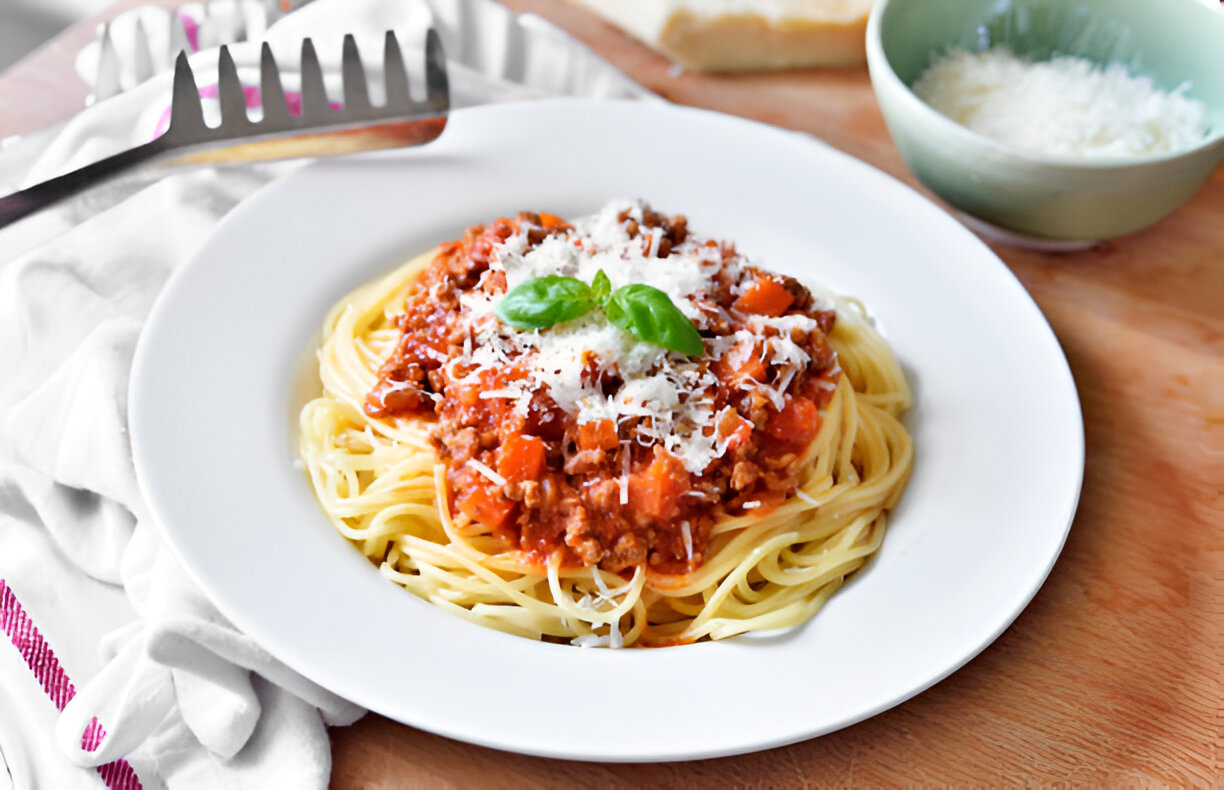
Pasta Bolognese, also known as “ragù alla Bolognese,” is a traditional Italian sauce that showcases a rich blend of flavors and textures. At its core, Bolognese sauce is a meat-based sauce that is typically slow-cooked to develop its deep, savory taste. The primary ingredients include minced meat, tomatoes, and a medley of vegetables, creating a hearty base that pairs perfectly with various pasta types.
While the sauce is often served with tagliatelle or pappardelle, it can be found on a variety of pasta dishes around the world. What distinguishes Bolognese from other sauces, such as marinara or a simple meat sauce, is its focus on the combination of meat and vegetables, along with a longer cooking process that enhances its flavors. Typically, Bolognese contains a higher ratio of meat to sauce compared to marinara, which is primarily tomato-based. This characteristic sets Bolognese apart as a filling and satisfying choice for any pasta lover.
History of Pasta Bolognese
The origins of Pasta Bolognese trace back to the city of Bologna, Italy, where it has been a cherished culinary tradition for centuries. The traditional recipe for Bolognese sauce is believed to have first appeared in the late 18th century and was initially known as “maccheroni alla bolognese.” This classic ragù was developed over the years, influenced by regional ingredients and the evolving tastes of the Italian people.
Throughout its history, the recipe for Pasta Bolognese has undergone numerous transformations. In the 20th century, the sauce became widely popular outside Italy, particularly in North America, where it was adapted to suit local tastes. As a result, variations of Bolognese can now be found across different cultures, each adding a unique twist to the traditional recipe.
Despite these adaptations, the essence of Pasta Bolognese remains deeply rooted in its origins. The dish continues to be a source of pride for the residents of Bologna, who uphold the specific guidelines and ingredients that define the authentic version. This rich history not only enhances the flavor of the dish but also connects it to the cultural heritage of Italy, making it a beloved comfort food for generations.

Key Ingredients
Creating the perfect Pasta Bolognese relies heavily on the selection of key ingredients. Each component contributes its distinct flavor and texture, culminating in a rich and satisfying dish. Below, we break down the essential elements that make up this Italian classic.
Meat Selection
The choice of meat plays a vital role in achieving a flavorful Bolognese sauce. Typically, a combination of ground beef, veal, and pork is used. Ground beef is the most common base for Bolognese due to its robust flavor and texture. Veal, known for its tenderness, adds a subtle richness, while pork contributes sweetness and moisture. It’s important to consider the fat content of the meat as well; a slightly higher fat ratio (around 15-20%) enhances the sauce’s flavor and mouthfeel.
Vegetables
Classic Bolognese starts with a flavorful soffritto, which typically includes finely chopped onions, celery, and carrots. These aromatic vegetables are sautéed in olive oil to create a base of flavor. Optional additions like bell peppers or mushrooms can be included for extra depth. The combination of these vegetables not only adds texture but also enhances the overall taste by providing a savory, sweet balance.
Liquids and Seasonings
Liquids are essential in developing the sauce’s flavor profile. Red wine is commonly used, lending acidity and depth. Some recipes also incorporate broth for added richness and moisture, while a splash of milk at the end provides creaminess and mellows the acidity of the tomatoes. Seasonings include salt, pepper, and a few sprigs of Italian herbs like thyme or bay leaves, which should be added during the simmering process. A touch of nutmeg is also sometimes added for warmth and complexity.
Step-by-Step Recipe for Classic Pasta Bolognese
Ingredients
- 500g ground beef (or a mix of meats)
- 2 tablespoons olive oil
- 1 onion, finely chopped
- 1 carrot, finely chopped
- 1 celery stalk, finely chopped
- 2 garlic cloves, minced
- 1 can (400g) crushed tomatoes
- 125ml red wine
- 100ml milk
- Salt and pepper to taste
- Fresh basil or parsley for garnish
Directions
- Prepare the sofrito: Heat olive oil in a skillet over medium heat. Add onions, carrots, and celery. Sauté until soft and translucent, about 5-7 minutes.
- Cook the meat: Increase the heat to medium-high and add the minced meat to the skillet. Break it apart with a spoon, browning it evenly for about 5-10 minutes.
- Add garlic and tomato: Stir in the minced garlic and sauté for 1 minute. Next, add the crushed tomatoes and red wine, stirring to combine. Allow the mixture to simmer for about 5 minutes to meld the flavors.
- Simmering: Reduce heat to low, cover the skillet, and let it simmer gently for at least 1 hour, stirring occasionally.
- Finish with milk: In the last 10 minutes of cooking, stir in the milk. Season the sauce with salt and pepper to taste.
- Cooking the pasta: While the sauce is simmering, cook your chosen pasta according to package instructions until al dente.
- Serving: Serve the sauce over pasta, garnished with fresh basil or parsley.
Cooking Tips
For the best results, use pasta types such as tagliatelle or pappardelle, which hold the sauce well. To enhance the sauce’s richness, consider simmering it for a longer period—2-3 hours works wonders. When storing leftovers, cool the sauce completely before refrigerating or freezing it in airtight containers.
Common Mistakes to Avoid
While making Pasta Bolognese, there are several common pitfalls to watch out for:
- Using too much liquid: This can lead to a watery sauce; always start with less and add more if needed.
- Overcooking or undercooking the meat: Ensure the meat is browned properly for depth of flavor but avoid dry, overcooked meat.
- Skipping the simmering phase: Simmering develops the sauce’s flavors—don’t rush this essential step.
- Using poor-quality canned tomatoes: Invest in high-quality tomatoes for a more vibrant taste.
Variations of Pasta Bolognese
Vegetarian Bolognese
For those seeking a meatless option, consider using lentils or mushrooms as substitutes for ground meat. Lentils provide a similar texture and can absorb the rich flavors of the sauce beautifully. Additionally, chopped mushrooms add an umami punch, helping to maintain the dish’s depth without meat. Don’t forget to enhance the sauce with additional herbs and spices to give it that flavorful kick.
Gluten-Free Options
Those avoiding gluten can enjoy Pasta Bolognese by choosing high-quality gluten-free pasta varieties made from rice, quinoa, or legumes. Be sure to check the ingredients when purchasing store-bought pasta. The sauce itself can be easily adapted by ensuring all ingredients, particularly broth and canned tomatoes, are certified gluten-free.
Serving Suggestions
To elevate your Pasta Bolognese experience, consider the following serving suggestions:
- Top your dish with freshly grated Parmesan cheese for a savory finish.
- Serve with crusty bread to soak up the delightful sauce.
- Pair with a robust red wine such as Chianti or Sangiovese to complement the dish’s rich flavors.
- Add a side salad of mixed greens with a light vinaigrette to balance the meal.
FAQs
What is the difference between spaghetti Bolognese and Pasta Bolognese?
Spaghetti Bolognese typically refers to the dish when served with spaghetti pasta, whereas Pasta Bolognese encompasses the sauce itself that can be served with various types of pasta. The traditional Italian dish is often made with tagliatelle or pappardelle.
Can I make Pasta Bolognese in advance?
Yes, Pasta Bolognese can be made in advance and stored in the refrigerator for up to three days. The flavors may even develop further while sitting. You can also freeze the sauce for up to three months; just thaw and reheat before serving.
What is the best meat for Bolognese sauce?
The best meats to use are typically a mixture of ground beef, veal, and pork. This combination provides rich flavor, depth, and a nice balance of texture. However, you can use just one type of meat based on your preference.
How long should I simmer Bolognese sauce?
For the best flavor, simmer the sauce for at least one hour. Longer simmering times of up to two to three hours can enhance the flavors even more, so don’t hesitate to allow it to cook slowly.
Can I freeze Pasta Bolognese?
Absolutely! Pasta Bolognese freezes well. Just ensure it is cooled completely before transferring it to airtight containers. When ready to serve, thaw in the refrigerator overnight and reheat on the stove for best results.
Conclusion
Homemade Pasta Bolognese is not just a meal; it’s an experience that brings comfort, joy, and connection. Whether you adhere to traditional recipes or add personal twists, each version highlights the dish’s rich heritage. Embrace the process, try the recipe, and savor the delicious outcome!

pasta bolognese
Equipment
- 1 large pot for boiling pasta
- 1 large skillet or saucepan for sauce
- 1 cutting board
- 1 measuring cups
- 1 measuring spoons
- 1 colander
Ingredients
- 320 g pasta (spaghetti or tagliatelle)
- 400 g ground beef Can substitute with ground turkey or a combination of ground meats.
- 1 medium onion, finely chopped
- 2 cloves garlic, minced
- 1 medium carrot, finely chopped
- 1 medium celery stalk, finely chopped
- 400 g canned crushed tomatoes
- 2 tablespoons tomato paste
- 100 ml beef stock or water
- 1 teaspoon dried oregano
- 1 teaspoon dried basil
- to taste salt
- to taste pepper
- 2 tablespoons olive oil
- Grated Parmesan cheese For serving (optional).
- Fresh basil For garnish (optional).
Instructions
- Begin by cooking the pasta according to package instructions in a large pot of salted boiling water. Cook until al dente, then drain and set aside.
- While the pasta is cooking, heat the olive oil in a large skillet or saucepan over medium heat.
- Add the chopped onion, minced garlic, carrot, and celery to the skillet. Sauté for about 5-7 minutes until the vegetables are softened and the onion is translucent.
- Increase the heat to medium-high and add the ground beef to the skillet. Cook until browned and cooked through, about 5-6 minutes.
- Stir in the crushed tomatoes, tomato paste, beef stock or water, oregano, and basil. Season with salt and pepper to taste. Bring the mixture to a simmer.
- Reduce the heat to low and let the sauce simmer for about 30 minutes, stirring occasionally.
- Once the sauce is done, toss the cooked pasta in the sauce, ensuring even coating.
- Serve immediately, topped with grated Parmesan cheese and fresh basil if desired.