Ultimate Guide to Orange Chicken: Recipe, Origins & Variations
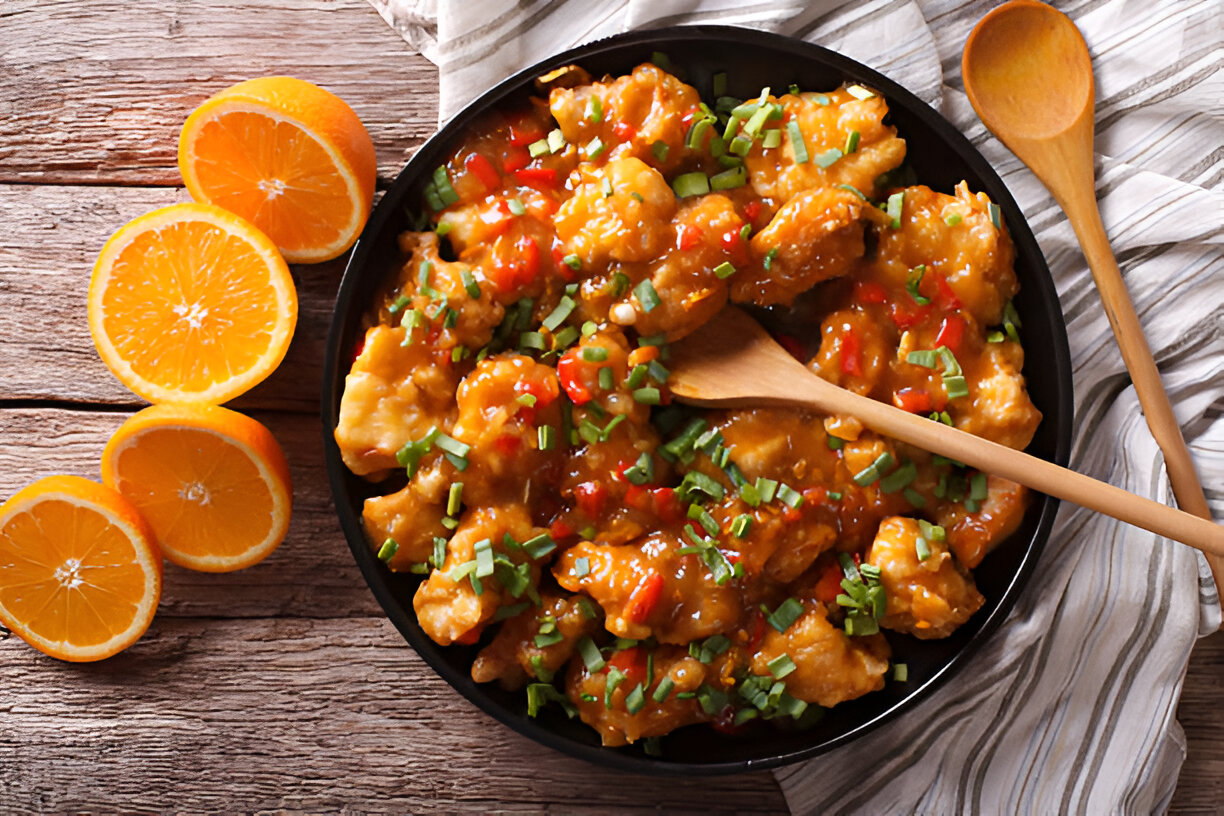
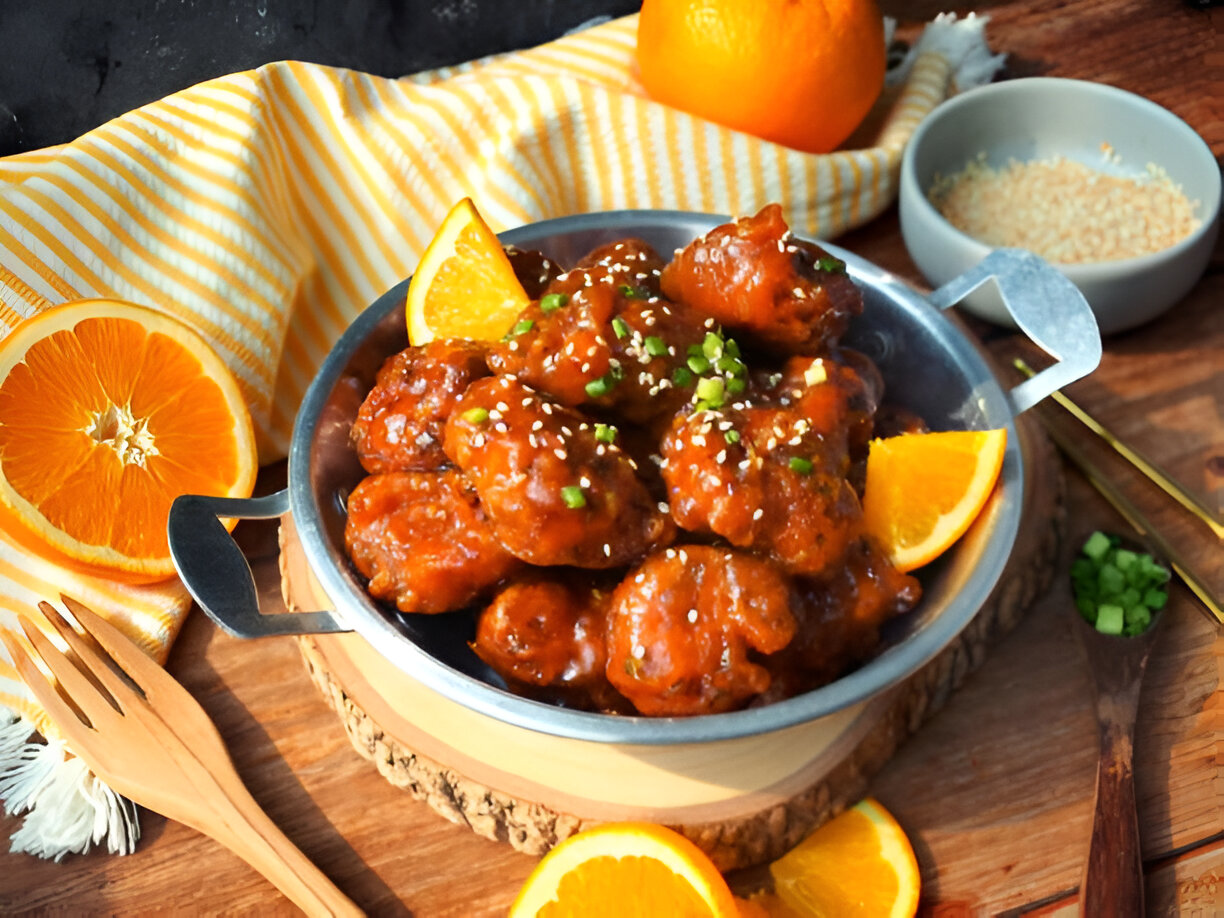
Orange Chicken is a beloved dish that harmoniously marries the bright zest of oranges with tender, crispy chicken, creating an irresistible flavor combination. This dish, typically served in American Chinese restaurants, features chunks of battered and fried chicken coated in a sweet and tangy orange sauce, making it a favorite for many. Often enjoyed with steamed rice, Orange Chicken captivates the taste buds and provides a sense of comfort through its vibrant flavors.
While the exact origins of Orange Chicken can be difficult to pinpoint, it is widely believed to have emerged from the unique culinary fusion that characterizes Chinese-American cuisine. This cultural blend incorporates traditional Chinese cooking techniques and flavors while adapting them to American palates. The dish may have roots in various Chinese regional cuisines but has been significantly influenced by American tastes, often leading to a sweeter and more approachable version compared to its traditional counterparts.
Over the years, Orange Chicken has gained immense popularity in the United States, becoming a staple in many Chinese restaurants and takeout establishments. The dish’s appeal lies not only in its delicious taste but also in its vibrant appearance, attracting diners looking for an enjoyable meal experience. Today, it remains one of the most frequently ordered entrees in American Chinese cuisine, solidifying its place in the hearts and plates of food lovers across the country.
The Origins of Orange Chicken
Orange Chicken’s origin story is a fascinating blend of cultural influences, primarily rooted in the fusion of Chinese and American cuisines. This culinary mashup is a testament to the adaptability of traditional Chinese cooking as it has been embraced and transformed by American taste preferences. The dish exemplifies how food can evolve through cultural exchange, leading to a creation that, while not traditionally Chinese, resonates widely with those who enjoy its flavors.
While it is difficult to pinpoint an exact origin, the dish likely arose in the late 20th century when Chinese food began gaining immense popularity across the United States. The bright, sweet flavor of oranges combined with the savory note of fried chicken proved appealing to the American palate. This development not only enhanced the dish’s allure but also redefined the perception of Chinese cuisine among diners seeking comfort foods that were both familiar and exotic.
Cultural Background
The influence of Chinese-American cuisine on Orange Chicken cannot be understated. Traditional Chinese recipes often involve complex layering of flavors achieved through various cooking techniques. However, Orange Chicken illustrates a departure from this, favoring a simplified approach that emphasizes sweetness and crunch. Essential ingredients such as orange juice, soy sauce, and ginger contribute to the dish’s signature profile, while the use of battered and fried chicken provides that much-loved crispy texture.
Evolution
Over time, Orange Chicken became a staple in Chinese restaurants across America, largely popularized by major fast-casual chains. Restaurants began incorporating this dish into their menus, and its widespread appeal fostered variations from coast to coast, adapting to local tastes and ingredient availability. Some variations include the addition of vegetables like bell peppers or broccoli, offering a colorful contrast to the orange glaze. Others might experiment with different levels of heat or sweetness, showcasing its adaptability to diverse palates and cultural influences.
Orange Chicken Ingredients
At the heart of any delicious Orange Chicken are its essential ingredients that work together to create the dish’s unique flavor profile. The quality and freshness of these components are key to achieving that signature taste that many have come to love.
Essential Ingredients
- Chicken: Typically, boneless, skinless chicken thighs or breasts are used. Thighs are favored for their higher fat content, which lends juiciness.
- Cornstarch: Used to batter the chicken, cornstarch contributes to the crispy texture once fried.
- Eggs: They help bind the cornstarch to the chicken, creating a better coating for frying.
- Orange Juice: The main flavoring agent in the dish that imparts the sweet and tangy characteristics of the sauce.
- Soy Sauce: This adds depth of flavor and saltiness, balancing the sweetness of the orange juice.
- Ginger and Garlic: These aromatics contribute warmth and an additional layer of flavor that enhances the dish.
- Vinegar: A splash of vinegar gives a necessary acidity to balance the sweetness.
- Sugar: Essential for achieving that classic sweet glaze.
- Chili Flakes: Optional for those who enjoy a hint of heat.
- Sesame Oil: Adds a nutty flavor that completes the dish.
Optional Ingredients
While the essential ingredients create a fantastic Orange Chicken, there are several optional components and substitutions that can cater to dietary preferences and enhance this dish:
- Vegetables: Adding carrots, bell peppers, or snap peas can provide color and nutritional value.
- Pineapple: Some variations incorporate pineapple for an extra tropical twist.
- Gluten-Free Options: For those with gluten sensitivity, gluten-free soy sauce can be used to maintain similar flavors.
- Healthier Alternatives: Baking the chicken instead of frying can reduce calorie content while still delivering delicious flavor.
Orange Chicken Recipe
3.1 Ingredients List
- Chicken thighs or breasts: 1 pound, cut into bite-sized pieces
- Cornstarch: ½ cup, for battering
- Eggs: 1 large, beaten
- Orange juice: ¾ cup, freshly squeezed for best flavor
- Soy sauce: ¼ cup, low-sodium preferred
- Ginger: 1 tablespoon, minced
- Garlic: 2 cloves, minced
- Vinegar: 1 tablespoon, rice vinegar works best
- Sugar: ½ cup, adjust to taste
- Chili flakes: ½ teaspoon, optional
- Sesame oil: 1 teaspoon
- Green onions: for garnish, chopped
3.2 Culinary Tools Needed
- Frying pan or wok: for frying the chicken
- Mixing bowls: for marinating and mixing ingredients
- Whisk: for blending the batter and sauce
- Slotted spoon: for removing fried chicken from oil
- Thermometer: to check oil temperature while frying
- Measuring cups and spoons: for accurate ingredient measurements
3.3 Cooking Directions
- Marinating the chicken: In a mixing bowl, combine the chicken pieces, soy sauce, ginger, and garlic. Let it marinate for at least 30 minutes.
- Preparing the sauce: In a separate bowl, mix the orange juice, vinegar, sugar, and chili flakes. Whisk until the sugar has dissolved and set aside.
- Frying the chicken: Heat oil in a frying pan or wok over medium-high heat. Dip the marinated chicken into the beaten egg, coat with cornstarch, and fry until golden brown, about 4-5 minutes per side. Remove and drain on paper towels.
- Combining chicken and sauce: In the same pan, remove excess oil, leaving a tablespoon. Pour in the prepared sauce and bring to a simmer. Add the fried chicken to the pan, tossing to coat thoroughly.
- Serving suggestions: Serve immediately, garnished with chopped green onions, alongside steamed rice or vegetables.
3.4 Tips for Success
- Frying temperature: Ensure the oil is hot enough before frying to achieve the desired crispy texture.
- Optimal sauce consistency: Adjust the sugar and vinegar to achieve the perfect balance of sweet and tangy. You can thicken the sauce with cornstarch mixed with water if desired.
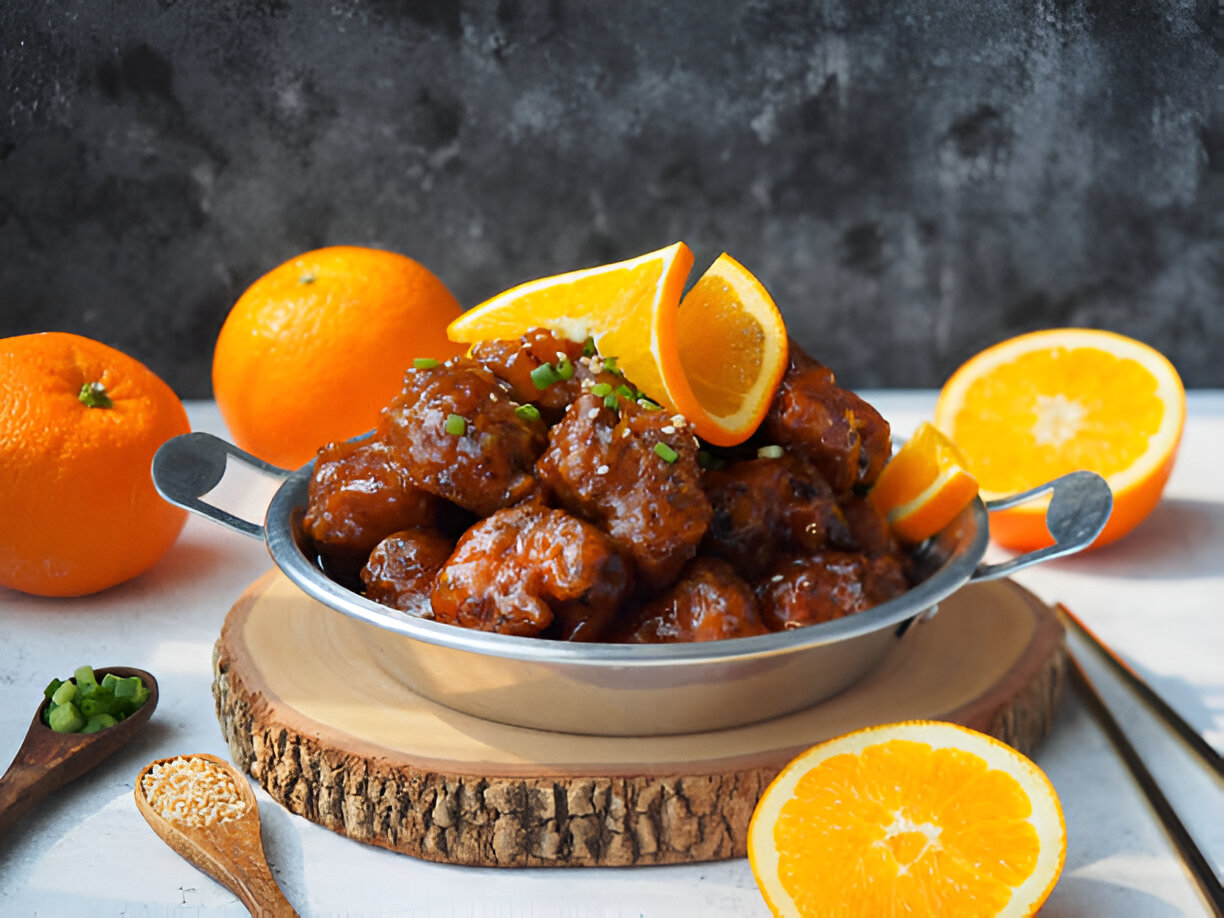
- Presentation tips: Utilize a white plate to highlight the vibrant orange color of the dish. Add a sprinkle of sesame seeds for an extra touch.
Nutritional Information
Orange Chicken can be a delicious addition to your meal plan, but it’s important to be mindful of its nutritional content. A typical serving of Orange Chicken, including a side of steamed rice, may contain:
- Calories: Approximately 400-600 calories per serving, depending on preparation methods and portion sizes.
- Fats: Around 15-25 grams of fat, primarily from frying.
- Carbohydrates: About 50-60 grams, mainly from the sauce and accompanying rice.
- Proteins: Roughly 25-30 grams, depending on chicken cut used.
For a healthier version, consider baking the chicken instead of frying, and use less sugar or substitute with honey or a natural sweetener. Pair Orange Chicken with a side of steamed vegetables for a balanced meal, enhancing its nutritional profile.
Variations of Orange Chicken
5.1 Different Cooking Methods
Orange Chicken can be enjoyed through various cooking methods, each offering a unique twist.
- Oven-baked Orange Chicken: Coat the chicken pieces with the same batter, then place them on a baking sheet and bake at 400°F (200°C) for 20-25 minutes, flipping midway for even crispiness.
- Slow cooker version: Combine marinated chicken and sauce ingredients in a slow cooker. Cook on low for about 4 hours, allowing the flavors to meld while keeping the chicken tender.
- Air fryer variation: Lightly coat chicken pieces with cornstarch and spray with oil. Cook in an air fryer at 375°F (190°C) for about 10-15 minutes, shaking halfway through for even cooking.
5.2 Regional Variations
Orange Chicken has inspired countless adaptations across different cultures, leading to unique twists:
- Sweet and Sour Orange Chicken: Infused with pineapple and bell peppers, combines the sweet-tart flavor with traditional Orange Chicken elements.
- Spicy Orange Chicken: Incorporates additional chili sauce or jalapeños for those who enjoy a kick of heat.
- Orange Chicken Tacos: A fusion dish using the orange chicken filling in soft tortillas, topped with cabbage slaw.
Serving Suggestions and Pairings
Orange Chicken pairs beautifully with a variety of sides and accompaniments that enhance its flavors:
- Rice: Steamed jasmine or white rice is a classic pairing, helping to absorb the sweet sauce.
- Vegetables: Stir-fried broccoli, snap peas, or green beans add color and nutrition.
- Drinks: Pair with lightly sweet beverages like iced tea or a fruity cocktail to balance the dish’s richness.
- Presentation tips: Serve on a bed of rice, garnished with sesame seeds and fresh herbs, for an appealing look.
FAQs
7.1 Common Questions About Orange Chicken
- How do I make Orange Chicken less sweet? Reduce the sugar in the sauce or increase the vinegar to enhance acidity.
- Can I use a different type of protein? Yes, you can substitute chicken with tofu, shrimp, or even cauliflower for a vegetarian option.
- What can I serve with Orange Chicken? Side dishes like fried rice, mixed vegetables, or spring rolls complement it nicely.
- How do I store leftover Orange Chicken? Store in an airtight container in the refrigerator for up to 3-4 days. Reheat in a skillet for optimal crispiness.
- Is Orange Chicken gluten-free? Use gluten-free soy sauce and be cautious with the cornstarch, which is typically gluten-free.
Conclusion
Orange Chicken is more than just a delightful dish; it embodies a cultural blend that reflects the dynamic evolution of cuisine. Whether enjoyed in a restaurant or made at home, this dish offers a wonderful taste experience. Give it a try, and you may find it becomes a favorite in your household!
References
- American Chinese Cooking: A Cookbook
- The Food Lab: Better Home Cooking Through Science by J. Kenji López-Alt
- Joy of Cooking: 2019 Edition, Year-Round Cooking by Irma S. Rombauer
- Various culinary websites and recipe blogs dedicated to Chinese-American cuisine.
Orange Chicken
Equipment
- 1 large mixing bowl
- 1 whisk
- 1 frying pan or wok
- 1 cooking thermometer (optional)
- 1 slotted spoon
- 2 paper towels
- 1 saucepan
Ingredients
- 1 pound boneless, skinless chicken breasts Cut into bite-sized pieces.
- 1/2 cup all-purpose flour
- 1/4 cup cornstarch
- 1 teaspoon baking powder
- 1/2 teaspoon salt
- 1/2 teaspoon black pepper
- 1/2 cup vegetable oil For frying.
- 1/2 cup fresh orange juice
- zest of 1 orange orange zest
- 1/4 cup sugar
- 2 tablespoons soy sauce
- 2 tablespoons rice vinegar
- 1 clove garlic Minced.
- 1 teaspoon ginger Minced.
- 1 tablespoon cornstarch Mixed with 2 tablespoons of water for thickening.
- green onions For garnish, optional.
- sesame seeds For garnish, optional.
Instructions
- In a large mixing bowl, combine flour, cornstarch, baking powder, salt, and black pepper. Mix well.
- Add the chicken pieces to the dry mixture and toss until well coated.
- Heat vegetable oil in a frying pan or wok over medium-high heat. Once hot, carefully add the chicken in batches, frying until golden brown and cooked through, about 5-6 minutes per batch. Use a cooking thermometer to ensure the internal temperature reaches 165°F (74°C). Remove chicken and drain on paper towels.
- In a saucepan, combine orange juice, orange zest, sugar, soy sauce, rice vinegar, minced garlic, and minced ginger. Bring to a simmer over medium heat.
- Stir in the cornstarch-water mixture and cook for an additional 1-2 minutes, or until the sauce thickens.
- Toss the fried chicken pieces in the sauce until well coated.
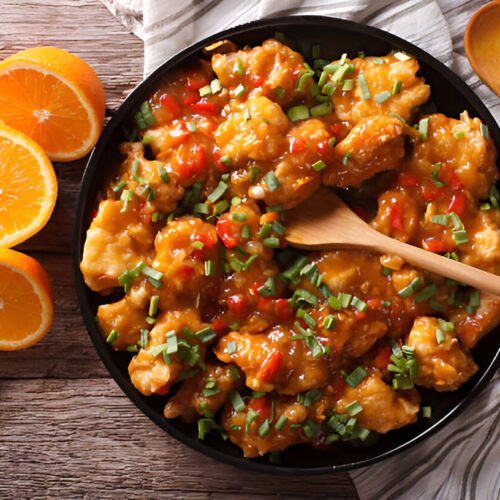
- Serve the Orange Chicken immediately, garnished with chopped green onions and sesame seeds if desired. Enjoy with steamed rice!