

Savoring Lobster Tails: A Guide to Selection, Recipes, and More
Lobster tails are often considered a delicacy, captivating food lovers with their sweet, tender meat and inviting culinary possibilities. These exquisite pieces of seafood have long been a staple in fine dining and special occasions, known for their luxurious appeal and rich flavors. As versatile ingredients, lobster tails can be enjoyed in a variety of dishes, from simple grilled servings to elaborate gourmet creations. Their culinary significance is not only rooted in taste and presentation but also in the tradition of seafood cuisine, which celebrates the bounty of the ocean.
This article delves into the fascinating world of lobster tails, beginning with an in-depth look at what they are and the different types available. We will guide you on how to choose the perfect lobster tails for your needs, whether you prefer fresh or frozen. Preparing lobster tails can seem intimidating, but we will provide straightforward instructions and cooking methods to make the process seamless. A detailed recipe for classic grilled lobster tails, complete with tips to enhance your dish, will be shared. Furthermore, we will explore ideal serving suggestions and wine pairings that elevate this dining experience. To address common concerns, a section dedicated to frequently asked questions will help demystify lobster tails, while the emphasis on sustainability will underline the importance of conscious seafood choices. Join us as we embark on a flavorful journey through lobster tails that combines cooking expertise with a respect for quality ingredients.
Understanding Lobster Tails
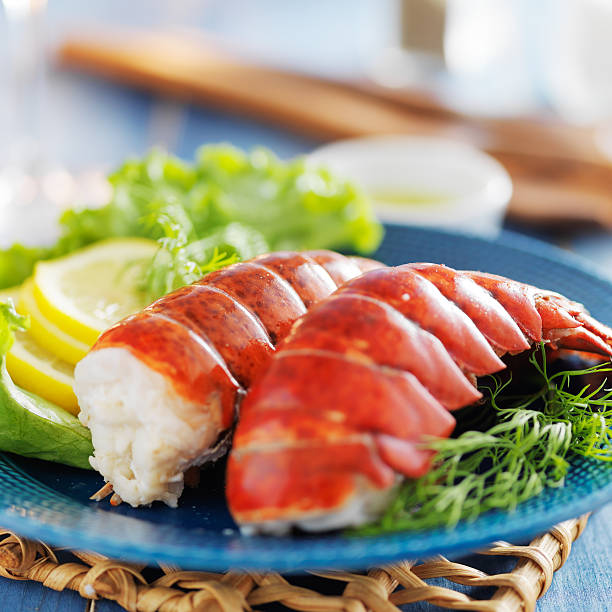
Lobster tails are the meaty, succulent section of the lobster’s abdomen, prized for their tender texture and sweet flavor. Known for their versatility in culinary applications, lobster tails can elevate any dish, whether it’s served simply grilled with butter or incorporated into a complex seafood pasta. The culinary significance of lobster tails extends beyond mere taste; they symbolize luxury and indulgence in gourmet dining, making them a sought-after ingredient for special occasions.
Types of Lobster Tails
When it comes to lobster tails, two primary types are available: cold water lobsters and warm water lobsters. Cold water lobsters, primarily found in the Atlantic Ocean, are recognized for their rich flavor and firm texture. These lobsters are often considered superior in taste and are typically sought after by chefs and seafood enthusiasts alike. On the other hand, warm water lobsters, predominantly from the Caribbean, tend to have a softer texture and a sweeter taste. While both types can be delicious, the choice often comes down to personal preference and regional availability.
Nutritional Benefits
Lobster tails offer several nutritional benefits, making them a healthy addition to any diet. They are high in protein while being low in fat, making them a popular choice for health-conscious individuals. In addition to being a great source of protein, lobster tails are also rich in essential vitamins and minerals, including vitamin B12, zinc, and omega-3 fatty acids. These nutrients not only support overall health but also contribute to a satisfying and delicious meal that doesn’t weigh you down.
How to Choose Lobster Tails
Selecting the perfect lobster tails can significantly influence your culinary experience. One of the initial considerations is whether to choose fresh or frozen lobster tails. Fresh lobster tails, while often more desirable for their flavor, can be harder to find and more costly. On the other hand, frozen lobster tails are available year-round and can be equally delicious if thawed properly. Both options have their pros and cons, so it’s essential to consider your preferences and what is locally available.
Size Matters
When choosing lobster tails, size does matter. They are typically available in various sizes, ranging from small (1 lb) to large (2 lbs or more). Depending on the dish you plan to prepare and the number of servings required, selecting the right size is crucial. Larger tails tend to be more meaty and flavorful, but smaller tails can provide a more delicate taste, making them suitable for lighter dishes.
Quality Indicators
To ensure you’re getting the best quality lobster tails, pay attention to specific indicators. Fresh lobster tails should have a bright, glossy color and a firm texture. Look for tails that are free of blemishes, discoloration, or excessive odor. When you gently press the tail, it should feel firm and spring back into shape. Additionally, checking the packaging for any mentions of previous freezing or thawing can also help determine freshness.
Preparing Lobster Tails
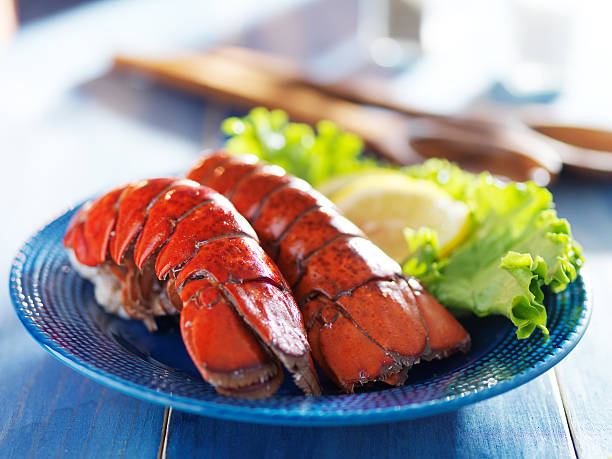
Preparing lobster tails can seem daunting, but with the right steps, it can be a straightforward and rewarding process. To ensure your meal is as delicious as possible, it’s essential to properly thaw, clean, and cook your lobster tails.
Thawing Frozen Lobster Tails
If you opt for frozen lobster tails, it’s crucial to thaw them properly for the best texture and flavor. The best method for thawing is to do so overnight in the refrigerator. However, if you’re short on time, you can seal the lobster tails in a plastic bag and submerge them in cold water for about 30-60 minutes, changing the water halfway through. Avoid using warm water, as it can compromise the quality of the meat.
Cleaning and Preparing
Once thawed, cleaning the lobster tails prepares them for cooking. Follow these steps:
- Use kitchen shears to cut through the top shell of the lobster tail, starting from the wide end and working towards the narrow end, being careful not to cut the meat.
- Gently pull the shell apart to expose the meat, keeping the tail fin intact for presentation.
- Remove any dark veins or impurities, and rinse the meat gently under cold water.
- Pat the tails dry with a paper towel to ensure they sear properly when cooked.
Cooking Methods Overview
There are several methods to cook lobster tails, each bringing out unique flavors and textures. Here are common cooking techniques:
- Boiling: This method is quick and ensures even cooking. Bring a large pot of salted water to a boil, add the lobster tails, and cook for about 8-12 minutes.
- Grilling: Grilling adds a smoky flavor. Preheat the grill and cook the tails meat-side down for a few minutes, then flip to finish cooking.
- Baking: Bake lobster tails at 375°F (190°C) for about 15-20 minutes, brushed with butter for moisture and flavor.
- Broiling: Broiling showcases the rich flavor of the meat. Place in a broiler for 10-12 minutes, basting with butter periodically.
Detailed Lobster Tail Recipe
Classic Grilled Lobster Tails
Ingredients:
- 4 lobster tails (6-8 ounces each)
- 1/2 cup of melted butter
- 3 cloves garlic, minced
- 1 tablespoon lemon juice
- Salt and pepper to taste
- Fresh herbs for garnish (optional)
Directions:
- Preheat the grill to medium-high heat.
- Prepare lobster tails by cutting them lengthwise down the middle.
- In a small bowl, mix together melted butter, minced garlic, lemon juice, salt, and pepper.
- Brush the butter mixture generously over the exposed meat of the lobster tails.
- Place the lobster tails on the grill meat-side down. Grill for 5-6 minutes.
- Flip the tails over and grill for another 3-4 minutes or until fully cooked and opaque.
- Garnish with fresh herbs and serve immediately.
Additional Tips:
- Cooking times may vary based on size; use a meat thermometer to ensure perfect doneness.
- Experiment with flavor variations by adding spices or alternative sauces to the butter mixture.
Serving Suggestions and Pairings
Sides that Complement Lobster Tails
To create a well-rounded dining experience, consider serving lobster tails with dishes that complement their rich flavor. Recommended side dishes include:
- Corn on the cob
- Garlic bread
- Vegetable medleys
- Roasted potatoes or potato gratin
Wine Pairings
Pairing the right wine enhances the meal considerably. Choose white wines that complement the sweet and salty notes of lobster tails:
- Sauvignon Blanc
- Chardonnay
- Pinot Grigio
Frequently Asked Questions
How do you know when lobster tails are done cooking?
Lobster tails are done when the meat turns opaque and has a firm texture. A meat thermometer should read 140°F (60°C) internally.
Can you eat the lobster tail shell?
While the shell is not edible, it can be used in presentations or to make stocks for soups and sauces.
What’s the difference between male and female lobster tails?
The primary difference lies in appearance: female lobsters tend to be larger with wider tails filled with eggs (roe), while males have a narrower tail.
How long can you keep lobster tails in the fridge?
Lobster tails can be kept in the refrigerator for up to 2 days. Ensure they are tightly wrapped to preserve freshness.
What is the best way to reheat leftover lobster tails?
The best way to reheat lobster tails is to steam them for a few minutes until warmed through, ensuring the meat does not dry out.
Sustainability of Lobster Fishing
Importance of Sustainable Practices
As consumers become more aware of their impact on the environment, sustainable practices in lobster fishing are essential. Overfishing can have devastating effects on marine ecosystems.
Choosing Sustainable Lobster Products
When purchasing lobster tails, look for certifications that guarantee sustainable sourcing, such as those from the Marine Stewardship Council (MSC). This helps ensure you’re making an environmentally friendly choice.
Conclusion
Lobster tails offer a luxurious experience that is both delicious and healthy. By understanding the selection, preparation, and sustainability aspects, you can enjoy these delicacies while making informed choices in the kitchen.

Lobster tails
Equipment
- 1 grill or grill pan
- 1 medium mixing bowl
- 1 basting brush
- 1 knife
- 1 kitchen scissors
- 1 tongs
- 1 small saucepan
Ingredients
- 2 pieces lobster tails About 6-8 ounces each.
- 4 tablespoons unsalted butter 1/2 stick.
- 2 cloves garlic Minced.
- 1 tablespoon fresh parsley Chopped.
- 1 teaspoon lemon juice
- to taste salt
- to taste pepper
- as needed lemon wedges For serving (optional).
Instructions
- Preheat your grill or grill pan to medium-high heat.
- Use kitchen scissors to carefully cut the top shell of the lobster tails lengthwise, stopping just before the tail fin. Gently pull apart the shell to expose the meat.
- In a small saucepan over low heat, melt the unsalted butter. Add minced garlic and cook for about 1 minute until fragrant, then stir in the chopped parsley and lemon juice. Remove from heat and set aside.
- Brush the lobster meat with half of the garlic herb butter mixture, then season with salt and pepper.
- Place the lobster tails shell-side down on the grill. Cook for about 6-8 minutes or until the meat is opaque and has nice grill marks. Baste with the remaining garlic herb butter halfway through cooking.
- Once cooked, remove the lobster tails from the grill and let them cool for a couple of minutes before serving.
- Serve the lobster tails with lemon wedges and drizzle with any remaining garlic herb butter.


