
Decadent Lobster Pasta: A Culinary Delight for Every Occasion
Lobster pasta is synonymous with indulgence, capturing the essence of luxury dining in a single dish. Its rich flavors and elegant presentation make it a staple in high-end restaurants and a beloved choice for special occasions. Whether served in upscale eateries or crafted in the comfort of home kitchens, this dish has carved out a prominent place in culinary traditions worldwide.
In recent years, lobster pasta has experienced a surge in popularity, embracing versatility that caters to diverse palates and ingredients. From creamy sauces that envelop the pasta to tomato-based versions that offer a zesty kick, lobster pasta can adapt to various cuisines, making it a favorite among both chefs and food enthusiasts. It has seamlessly integrated into Italian fare while also finding its way into American, French, and contemporary fusion kitchens, showcasing its universal appeal.
This article will explore the multifaceted world of lobster pasta, beginning with a detailed definition and its historical context. We will delve into the reasons behind its status as a culinary delight, highlight the different types of lobster pasta dishes available, and provide a comprehensive guide to preparing this exquisite meal. Additionally, we will cover essential ingredients, pairing suggestions, and common pitfalls to avoid, ensuring that you can confidently create and savor this luxurious dish.
1. What is Lobster Pasta?
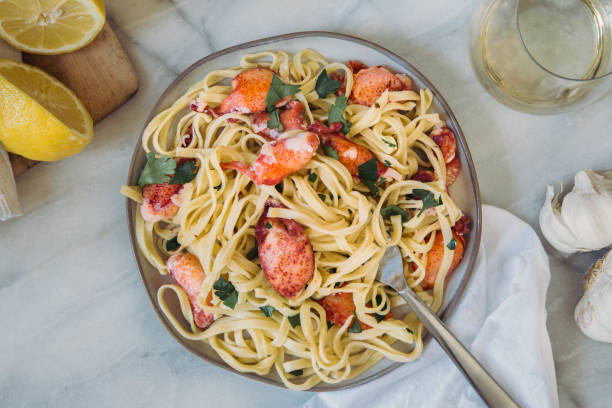
Lobster pasta is a sumptuous dish that combines the sweet, delicate flavors of fresh lobster with the comforting qualities of pasta. At its core, lobster pasta features succulent pieces of lobster meat, which can be incorporated into various types of sauces, ranging from creamy to tomato-based. This dish is often served with long strands of pasta such as linguine or fettuccine, which beautifully capture the sauce and complement the lobster’s richness.
The use of lobster in culinary traditions dates back centuries, primarily in coastal regions where these crustaceans were abundant. Initially considered food for the lower classes, lobster has transformed into a symbol of luxury dining, often featured in gourmet meals and fine restaurants. As global culinary practices have evolved, the integration of lobster into pasta dishes gained popularity, allowing chefs and home cooks alike to express creativity and delight palates with a variety of preparations.
There are several types of lobster pasta, each highlighting different flavor profiles and textures. Creamy versions, often enriched with ingredients like heavy cream, garlic, and Parmesan cheese, create a velvety coating that clings to the noodles. In contrast, tomato-based versions offer a bright, tangy flavor that enhances the natural sweetness of the lobster. This versatility makes lobster pasta a versatile dish adaptable to diverse culinary styles and trends.
2. Why Lobster Pasta is a Culinary Delight
Lobster pasta is not just a treat for the taste buds; it is also packed with nutritional benefits. Lobster is known for being a rich source of protein while being low in fat, making it a healthier option compared to other seafood. It is also loaded with essential nutrients, including omega-3 fatty acids, vitamins, and minerals, contributing to overall well-being. When paired with whole-grain pasta or fresh vegetables, lobster pasta can become a well-rounded meal that satisfies both hunger and nutritional needs.
The flavor profile of lobster pasta is a standout feature, characterized by the lobster’s natural sweetness paired with the savory notes of the sauce. The combination of rich, buttery flavors from the lobster and a balanced sauce creates a culinary experience that is both indulgent and satisfying. Furthermore, the subtle addition of fresh herbs, garlic, or a splash of white wine can elevate the dish, enhancing its complexity and depth.
Additionally, lobster pasta carries romantic associations, often reserved for special occasions like anniversaries, holidays, or intimate dinners. Its luxurious nature makes it the perfect centerpiece for celebrating milestones, allowing couples and families to create cherished memories around the dinner table. The process of cooking lobster pasta can also be a delightful experience, as it often involves hands-on preparation and the use of high-quality ingredients, further enhancing its allure as a culinary delight.
3. Types of Lobster Pasta Dishes
Lobster pasta is a versatile dish that can be prepared in numerous ways, each offering distinct flavors and textures. Below, we explore some of the most popular types of lobster pasta dishes.
3.1 Creamy Lobster Pasta
Creamy lobster pasta is a favorite for its rich and velvety texture. The sauce is typically made with heavy cream, garlic, and Parmesan cheese, resulting in a decadent coating for the pasta.
Brief Recipe Example: To prepare creamy lobster pasta, cook your pasta of choice and toss it with sautéed garlic in olive oil, then add the cooked lobster and heavy cream. Season with salt, pepper, and freshly grated Parmesan before serving.
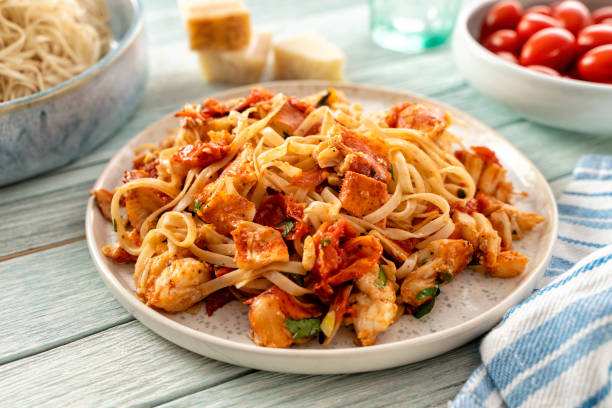
3.2 Tomato-based Lobster Pasta
This type of lobster pasta features a bright and tangy tomato sauce. The acidity of the tomatoes enhances the natural sweetness of the lobster, making it a refreshing option.
Brief Recipe Example: Start by making a sauce with onions, garlic, diced tomatoes, and herbs. Once the sauce simmers, add the lobster meat and cooked pasta. Finish with a drizzle of olive oil and fresh basil.
3.3 Lobster Pasta Primavera
Lobster pasta primavera combines the delicacy of lobster with a variety of seasonal vegetables, offering a colorful and nutritious dish.
Brief Recipe Example: Sauté seasonal vegetables such as asparagus, bell peppers, and cherry tomatoes in olive oil and garlic. Add cooked lobster and pasta, tossing everything together before garnishing with fresh herbs.
3.4 Lobster Alfredo
Lobster Alfredo is a beloved dish that features a creamy Alfredo sauce made with butter, cream, and Parmesan cheese. This indulgent sauce perfectly complements the succulent lobster.
Brief Recipe Example: Cook the fettuccine pasta, then prepare the Alfredo sauce by melting butter, adding heavy cream, and whisking in Parmesan. Mix in the lobster and pasta, letting the flavors meld before serving.
4. Ingredients for Lobster Pasta
To create an exceptional lobster pasta dish, several key ingredients must be considered. Below are the primary components that elevate this dish to new heights:
- Types of Pasta: Long pasta shapes like linguine, fettuccine, or tagliatelle are popular choices due to their ability to hold onto the sauce.
- Lobster: Fresh lobster adds a delicious sweetness and texture to the dish.
- Sauces: Depending on the style, the sauce can range from creamy to tomato-based or even light and herbaceous sauces.
- Seasonings: Essentials include garlic, olive oil, salt, and pepper, with fresh herbs such as parsley or basil for garnish.
Optional additions like vegetables (e.g., spinach, peas, or asparagus) and spices (e.g., chili flakes or lemon zest) can enhance the dish further, allowing for unique flavor combinations.
5. Detailed Lobster Pasta Recipe
5.1 Ingredients
- Fresh lobster (1-2 lobsters)
- Pasta (e.g., linguine or fettuccine, 400g)
- Heavy cream (1 cup)
- Garlic (2 cloves, minced)
- Olive oil (2 tablespoons)
- White wine (1 cup, optional)
- Fresh herbs (e.g., parsley or basil)
- Salt and pepper to taste
- Optional: chili flakes, lemon zest
5.2 Directions
- Preparing the Lobster: Bring a large pot of salted water to a boil. Add the lobsters and cook for about 8-10 minutes until bright red. Carefully remove them, cool, and shell the meat, chopping it into bite-sized pieces.
- Cooking the Pasta: In the same pot, boil the pasta according to package instructions until al dente. Drain and set aside, reserving a cup of pasta water.
- Making the Sauce: In a large skillet, heat the olive oil over medium heat. Sauté minced garlic until fragrant. Pour in white wine, allowing it to reduce. Add the heavy cream and simmer until thickened.
- Combining Ingredients: Gently fold in the lobster meat and cooked pasta into the sauce, adding reserved pasta water as needed for consistency.
- Garnishing and Serving: Serve warm, garnished with fresh herbs, and a sprinkle of chili flakes or lemon zest if desired.
5.3 Additional Advice
When crafting lobster pasta, ensure that you don’t overcook the lobster, as it can become tough. Use high-quality ingredients, as they significantly impact the dish’s flavor. If you have leftovers, store them in an airtight container in the refrigerator, and gently reheat on the stove for the best results.
6. Pairing Suggestions
Complementing your lobster pasta with the right pairings can elevate the dining experience. Here are some suggestions:
6.1 Wine Pairings
Opt for light white wines, such as Sauvignon Blanc or Pinot Grigio, which enhance the dish without overpowering it. For a fuller-bodied option, consider a buttery Chardonnay that pairs wonderfully with creamy sauces.
6.2 Side Dishes
To create a well-rounded meal, consider serving lobster pasta with appetizers like a fresh salad or bruschetta. Light, crisp side dishes will balance the richness of the pasta.
6.3 Bread Options
Pair your lobster pasta with crusty artisan bread or garlic bread for dipping into the sauce. A light, airy ciabatta is also an excellent choice that complements the dish.
7. Common Mistakes to Avoid
When preparing lobster pasta, being aware of common pitfalls can help you achieve the best results:
- Overcooking the Lobster: Ensure you cook the lobster just until it is opaque and firm to maintain its delicate texture.
- Using the Wrong Type of Pasta: Long pasta shapes are ideal for seafood dishes; avoid using short pasta that may overpower the lobster.
- Neglecting to Balance Flavors: Always taste and adjust seasoning to maintain a harmonious flavor profile, enhancing the dish’s appeal.
8. Frequently Asked Questions
8.1 What kind of lobster is best for pasta?
Generally, fresh lobsters such as Maine lobster or spiny lobster are preferred for their sweet and tender meat.
8.2 Can I use frozen lobster for lobster pasta?
Yes, frozen lobster can be used if fresh is unavailable. Just ensure it’s thawed and cooked properly before adding it to your dish.
8.3 How do I know when the lobster is cooked?
Lobster is cooked when its shell becomes bright red and the meat is opaque and firm. Overcooking will make it tough.
8.4 Can lobster pasta be made ahead of time?
While the pasta and sauce can be prepared in advance, it’s best to add the lobster just before serving to maintain its texture.
8.5 What can I substitute for lobster in the recipe?
If lobster is unavailable, you can substitute with shrimp or crab for a similar seafood experience.
lobster pasta
Equipment
- 1 large pot
- 1 colander
- 1 large skillet
- 1 wooden spoon
- 1 cutting board
- 1 set measuring cups and spoons
- 1 tongs
Ingredients
- 12 oz linguine or fettuccine
- 2 lobsters about 1.5 lbs or 680g each
- 2 tablespoons olive oil
- 4 cloves garlic, minced
- 1 small onion, finely chopped
- 1 cup cherry tomatoes, halved
- 1 cup heavy cream
- 1/2 cup white wine
- 1/2 cup grated Parmesan cheese
- 1/4 cup fresh parsley, chopped
- to taste salt
- to taste pepper
- lemon wedges for serving
Instructions
- Bring a large pot of salted water to a boil. Add the linguine or fettuccine and cook according to package instructions until al dente. Reserve 1 cup of pasta water, then drain the pasta and set aside.
- In a separate pot of salted water, add the lobsters and cook for about 8-10 minutes until they turn bright red. Remove them from the pot, allow them to cool slightly, then crack the shells and extract the meat. Cut the lobster meat into bite-sized pieces and set aside.
- In a large skillet, heat the olive oil over medium heat. Add the chopped onion and sauté for about 3-4 minutes until translucent. Add the minced garlic and cook for an additional minute.
- Stir in the cherry tomatoes and cook until they soften, about 3-4 minutes. Add the white wine and allow it to simmer for 2-3 minutes, letting the alcohol evaporate.
- Reduce the heat to low and stir in the heavy cream. Allow it to simmer for 2-3 minutes until slightly thickened. Add the grated Parmesan cheese and stir until melted and combined. Season with salt and pepper to taste.
- Gently fold in the cooked lobster meat and the drained pasta into the sauce. If the sauce is too thick, add some reserved pasta water a little at a time until you reach your desired consistency.
- Remove from heat and stir in the chopped parsley.
- Serve the lobster pasta in bowls with lemon wedges on the side for squeezing over the top.