Haitian French Toast: A Delicious Cultural Delight
Haitian cuisine is a vibrant tapestry of flavors and techniques, shaped by the country’s rich history and diverse cultural influences. With its distinctive blend of African, French, Spanish, and indigenous Taíno food traditions, Haitian food offers a uniquely delicious culinary experience that captures the essence of the island’s heritage. Among the many cherished dishes, Haitian French Toast, known locally as Pain Perdu, stands out as a beloved breakfast staple that resonates deeply in the hearts of those who enjoy it.
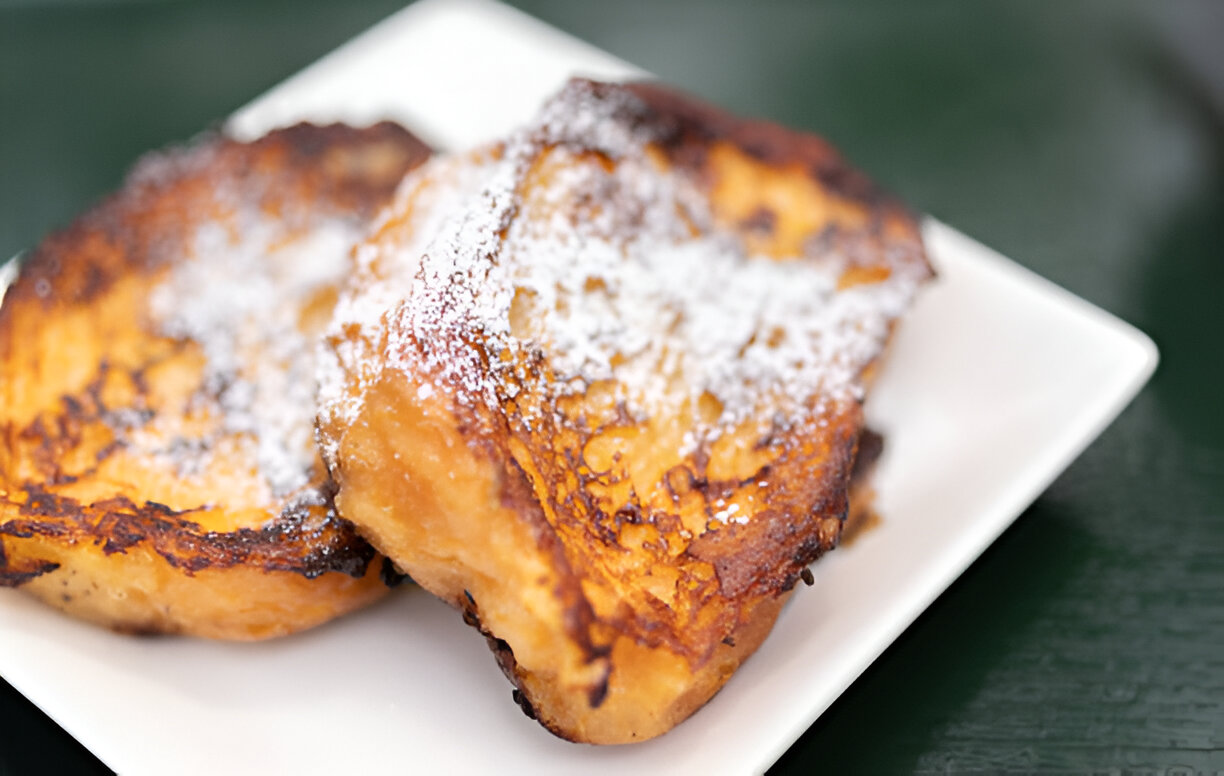
Haitian French Toast is more than just a delightful way to start the day; it reflects the resourcefulness and creativity of Haitian cooking. Traditionally made using stale bread soaked in a rich egg mixture and flavored with spices like nutmeg and cinnamon, Pain Perdu exemplifies how simple ingredients can be transformed into a comforting dish that brings families together. Its inviting aroma and golden-brown exterior make it an irresistible treat, whether served at home or during festive occasions.
This dish holds a special place in Haitian culture, celebrated for its ability to foster community and warmth. Often enjoyed during family gatherings, holidays, and leisurely brunches, Haitian French Toast is a dish that transcends generations, creating lasting memories for those who partake in its enjoyment. In the following sections, we will delve deeper into the history, ingredients, and preparation of this delightful dish, highlighting its significance in both everyday life and special celebrations.
History of Haitian French Toast
The origins of Haitian French Toast, or Pain Perdu, can be traced back to the French colonial era, a time when culinary traditions from France intermingled with local ingredients and cooking methods. The term “Pain Perdu,” which translates to “lost bread,” speaks to the dish’s resourceful nature, utilizing stale or leftover bread that might otherwise go to waste. This practice of repurposing ingredients is a hallmark of Haitian cuisine, which emphasizes sustainability and creativity in cooking.
French culinary influences, particularly in the realms of pastries and desserts, play a significant role in Haitian cooking. When the colonists brought their culinary practices to the island, they imbued local recipes with French techniques and flavors. Over time, Haitian families adapted these dishes to incorporate indigenous ingredients and spices, resulting in a unique fusion that remains prevalent in today’s culinary landscape.
As Haitian culture evolved through the impacts of slavery, colonization, and migration, so too did the recipes that defined it. Pain Perdu found its way into homes across the nation, often served at family gatherings, holiday celebrations, and leisurely Sunday brunches. The dish has become an emblem of comfort and nostalgia, passed down through generations, each adding their personal touch to the classic recipe.
Ingredients for Haitian French Toast
Creating the perfect Haitian French Toast requires a combination of simple yet flavorful ingredients. Here are the key components you’ll need to get started:
- Bread: Choose sturdy bread such as baguette, French bread, or challah. Stale bread works particularly well, as it absorbs the egg mixture without falling apart.
- Eggs: Fresh eggs are essential for the creamy texture of the soaked bread.
- Milk: Whole milk adds richness; however, you can substitute with almond milk or oat milk for a dairy-free option.
- Sugar: Granulated sugar enhances the sweetness, but feel free to adjust based on your taste.
- Vanilla Extract: A splash of vanilla extract elevates the flavor profile, imparting warmth and depth.
- Nutmeg and Cinnamon: These aromatic spices are traditional staples in Haitian cooking that add distinct flavor to the dish.
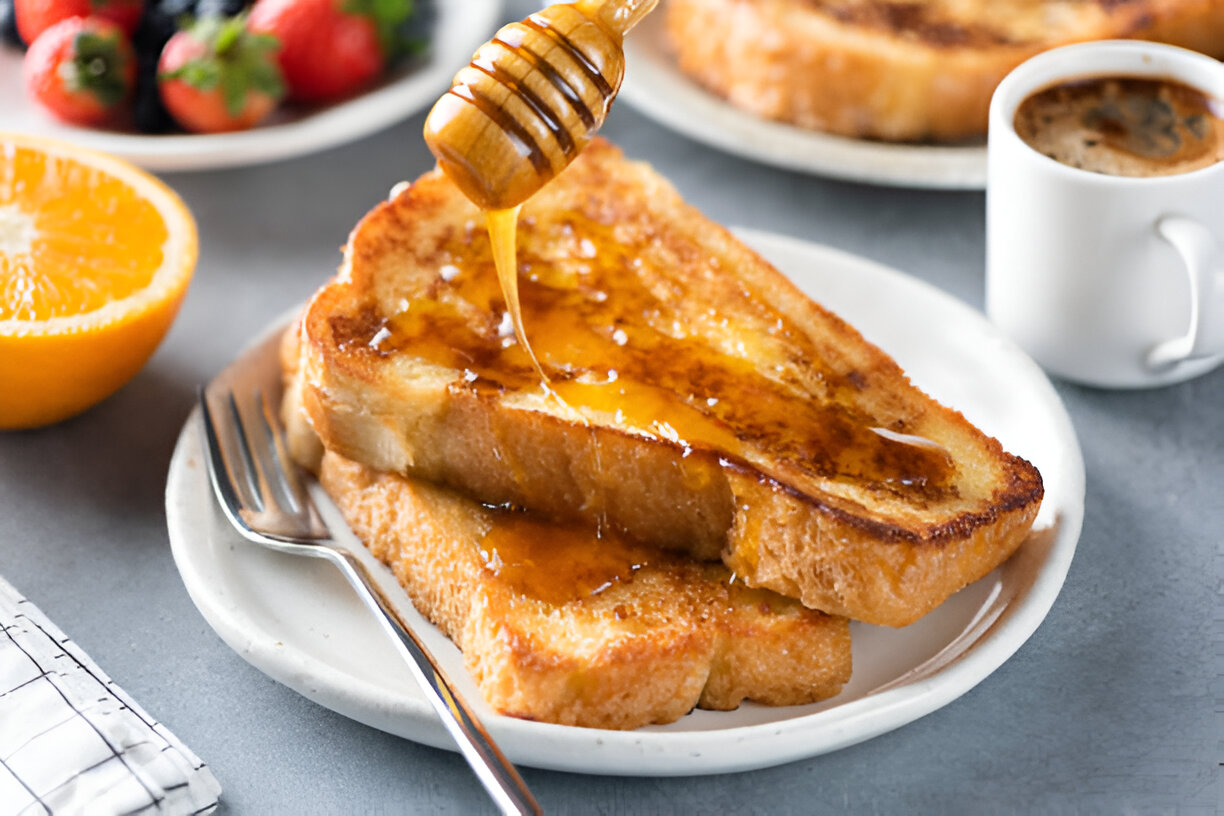
- Optional Toppings: Consider serving with maple syrup, a dusting of powdered sugar, or fresh fruit for additional flavor and presentation.
Incorporating variations, such as using brioche or adding unique toppings, can also enhance your experience. Adjust the ingredients according to dietary preferences, ensuring that the essence of Haitian French Toast is maintained while making it more accessible to everyone.

Step-by-Step Recipe
Creating Haitian French Toast is a straightforward process that results in a satisfying dish. Follow these steps to make your own Pain Perdu at home.
Preparation Time & Cooking Time
Total time to prepare and cook is approximately 30 minutes (15 minutes prep, 15 minutes cook).
Equipment Needed
- Mixing bowl
- Whisk or fork
- Skillet or griddle
- Spatula
- Serving plate
Directions
1. Prepare the Bread: Slice your chosen bread into thick pieces, around 1-inch thick. This thickness will ensure that the bread absorbs the egg mixture without falling apart during cooking.
2. Make the Egg Mixture: In a mixing bowl, whisk together the eggs, milk, granulated sugar, vanilla extract, nutmeg, and cinnamon until well combined. The mixture should appear smooth and creamy.
3. Soak the Bread: Dip each slice of bread into the egg mixture, ensuring that both sides are coated. Allow the bread to soak for a few seconds but do not let it become overly saturated to avoid sogginess.
4. Cook the Toast: Heat a skillet or griddle over medium heat and add a small amount of butter or oil to grease the surface. Place the soaked bread on the skillet, cooking until golden brown on each side, about 3-4 minutes per side.
5. Serve and Garnish: Serve the Haitian French Toast warm, garnished with your choice of optional toppings such as maple syrup, a dusting of powdered sugar, or fresh fruit, like banana slices or strawberries.
Tips for Perfect Haitian French Toast
To achieve the best results, avoid common mistakes such as soaking the bread for too long or cooking on too high a heat. Experiment with the spices, adjusting them to match your personal taste preferences.
Cultural Significance of Haitian French Toast
Haitian French Toast is not just a culinary delight; it is emblematic of family and togetherness in Haitian culture. Often found at family gatherings, celebrations, and leisurely brunches, this dish symbolizes comfort and nostalgia for many. Unlike typical French toast variations, Haitian Pain Perdu embraces local flavors and traditions, giving it a distinct identity.
Many families have their unique stories associated with the dish, with each generation adding its personal twist. The communal enjoyment of this dish fosters connections and memories, making it a beloved part of many households.
Variations of Haitian French Toast
While the classic version of Haitian French Toast is delightful on its own, there are several ways to explore this dish creatively:
- Different Types of Bread: Beyond traditional bread types like baguette or French bread, variations such as brioche or even challah can impart additional flavors and textures.
- Creative Toppings: Elevate your Pain Perdu with tropical fruits such as mango or pineapple, shredded coconut, or even a drizzle of chocolate sauce for a decadent twist.
- Savory Versions: For a unique take, consider adding savory spices, fresh herbs, or cheese, transforming sweet into a delicious brunch alternative.
Pairing Suggestions
Haitian French Toast is versatile and pairs wonderfully with several side dishes and beverages:
- Side Dishes: Consider serving it alongside fresh fruit salads, Haitian smoked fish, or a simple green salad to balance the sweetness.
- Beverages: Traditional drinks such as freshly squeezed orange juice or coconut water complement the meal well, providing a refreshing contrast.
This dish can often be found as part of a typical Haitian breakfast or brunch setting, where family and friends gather to enjoy good food and great company.
Health Considerations
While Haitian French Toast can be indulgent, it’s also possible to make it healthier:
- Nutritional Value: Consider the balance of macronutrients in the dish. Whole-grain bread can add fiber, while eggs provide protein and healthy fats.
- Healthier Versions: Use alternatives such as almond milk, reduce sugar, or explore whole grain options to create a dish that’s both delicious and nutritious.
FAQs
- What bread is best for Haitian French Toast? Sturdy breads like baguette, French bread, or brioche are preferred for their ability to hold up during soaking.
- Can you make Haitian French Toast ahead of time? Yes, you can prepare the egg mixture and soak the bread in advance. Just cook it right before serving.
- What are some common toppings for Haitian French Toast? Popular toppings include maple syrup, powdered sugar, fresh fruit, or even yogurt.
- Is Haitian French Toast served only for breakfast? While it is commonly enjoyed for breakfast, it can also be served as a dessert or snack, making it versatile.
Conclusion
Haitian French Toast is a dish filled with rich flavors and cultural significance. Its ability to bring people together across generations makes it a cherished recipe worth trying at least once. We encourage you to share this delightful dish with your loved ones and make your own memories in the process.
Call to Action
We invite you to leave your comments below with your experiences or personal twists on Haitian French Toast. Don’t forget to share this recipe on social media and spread the joy of Haitian cuisine!
Haitian French Toast
Equipment
- 1 mixing bowl
- 1 whisk
- 1 skillet or frying pan
- 1 spatula
- 1 set measuring cups and spoons
Ingredients
- 4 large eggs
- 1 cup milk
- 1 teaspoon vanilla extract
- 1 teaspoon ground cinnamon
- 1/4 teaspoon ground nutmeg
- 1/4 cup sugar
- 8 slices day-old bread (preferably French or brioche)
- 2 tablespoons butter (for cooking)
- as needed none powdered sugar (for dusting)
- as desired none fresh fruit (for serving, optional)
Instructions
- In a mixing bowl, whisk together the eggs, milk, vanilla extract, cinnamon, nutmeg, and sugar until well combined and slightly frothy.
- Preheat a skillet or frying pan over medium heat and add 1 tablespoon of butter. Allow the butter to melt and bubble but not brown.
- Dip each slice of bread into the egg mixture, ensuring both sides are well coated. Let any excess mixture drip off.
- Place the coated slices in the skillet and cook for about 3-4 minutes on each side, or until golden brown. Cook in batches if necessary, adding more butter as needed.
- Once cooked, transfer the French toast to a plate and keep warm while you cook the remaining slices.
- Serve warm, dusted with powdered sugar, and alongside fresh fruit if desired.
- For added flavor, incorporate a pinch of salt or a splash of rum into the egg mixture.
- Feel free to experiment with different types of bread for varied textures and tastes.
- Serve with maple syrup or your favorite topping for extra sweetness.