
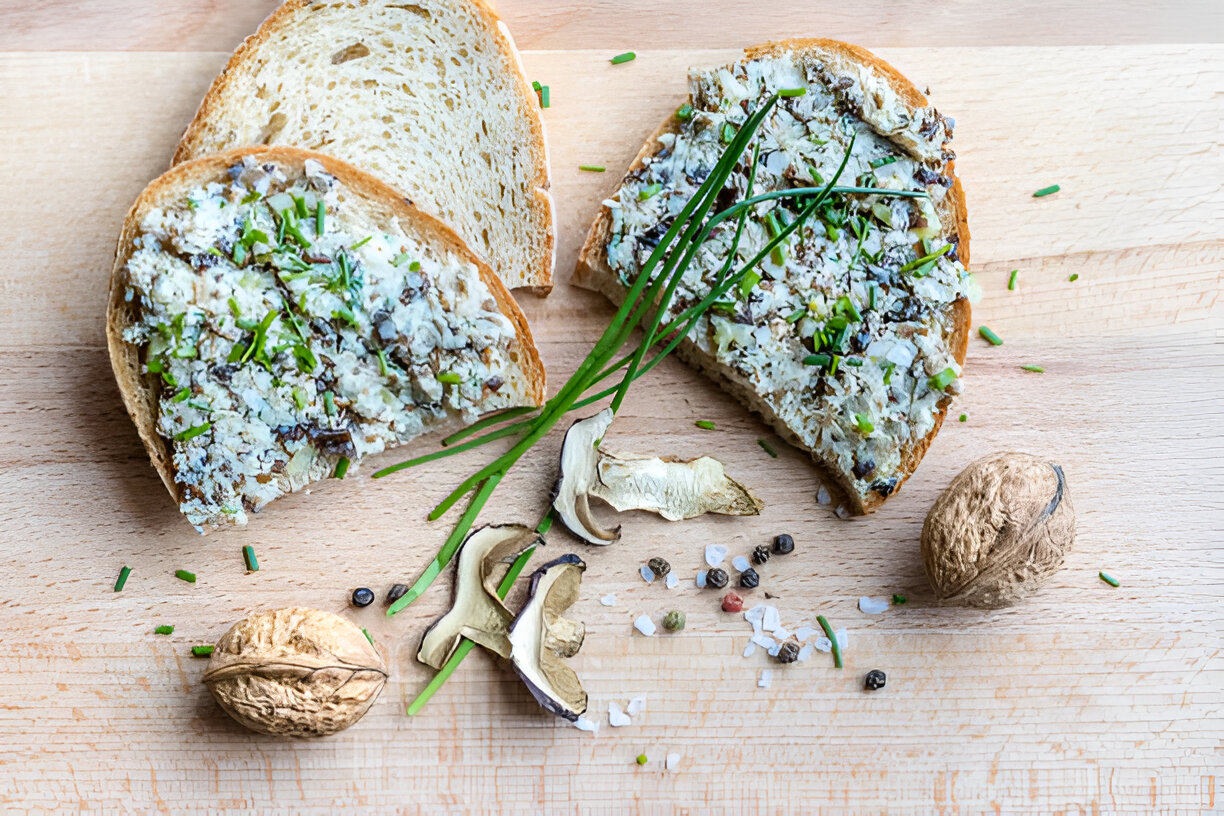
Gorgonzola-Walnut Bruschetta with Truffle Oil Recipe
Bruschetta, a beloved Italian appetizer, offers a perfect canvas for a tantalizing array of toppings. Traditionally enjoyed as a simple yet flavorful starter, its versatility allows for endless combinations that cater to diverse palates. Among these, Gorgonzola-Walnut Bruschetta stands out, captivating food lovers with its rich, bold flavors and delightful textures. The creamy, tangy essence of Gorgonzola cheese marries harmoniously with the crunch of walnuts, creating a sophisticated bite that elevates any gathering.
To further enhance this intriguing flavor profile, a drizzle of truffle oil introduces an aromatic sophistication that is both earthy and luxurious. The layered flavors of the creamy cheese, the nutty crunch of walnuts, and the distinct, indulgent notes of truffle oil come together in a symphony that delights the senses. This bruschetta not only serves as an ideal appetizer but also as a conversation starter that invites exploration and appreciation of gourmet ingredients. Join us as we dive into the world of Gorgonzola-Walnut Bruschetta with Truffle Oil, and discover how to recreate this unforgettable dish for your next gathering.
1. What is Bruschetta?
Bruschetta is a traditional Italian appetizer that consists of grilled bread, typically topped with a mixture of fresh ingredients. The bread is often toasted over an open flame or in the oven, providing a perfect crunch and a delightful base for various toppings. While its simplicity makes it universally appealing, bruschetta’s adaptability allows it to incorporate seasonal ingredients, leading to a dish that never feels outdated.
The origins of bruschetta can be traced back to Central Italy, particularly to the regions of Tuscany and Lazio. It is believed to have been enjoyed since ancient Roman times, where it was likely a way to use up leftover bread. Historically, bruschetta was often prepared with toppings like garlic, olive oil, and tomatoes, reflecting the straightforward ingredients commonly found in Italian cuisine. Over time, it has evolved into a gourmet appetizer, with variations that feature different meats, cheeses, and inventive spreads. The cultural significance of bruschetta lies not only in its flavors but also in its role as a communal dish, often shared among friends and family during celebrations and gatherings.
1.2 Types of Bruschetta
The classic bruschetta is typically made with fresh tomatoes, garlic, basil, and a drizzle of olive oil. This simple yet flavorful combination showcases the bright and vibrant flavors of summer produce. The fresh ingredients come together to create a refreshing bite that is both satisfying and light.
Beyond the classic version, bruschetta can be adapted to feature a wide variety of toppings. From savory options like roasted vegetables, cured meats, or creamy spreads to sweet variations that include fruits and cheeses, the possibilities are endless. Different cheeses, such as goat cheese, ricotta, or as highlighted in this article, Gorgonzola, can transform the dish into a gourmet experience. Each variation brings its own unique flavor profile and texture, allowing for creativity and personalization to shine in this versatile appetizer.
2. The Star Ingredients
2.1 Gorgonzola Cheese
Gorgonzola is a revered blue cheese from Italy, known for its distinctive flavor and creamy texture. With its origins dating back to the 9th century, it has become a staple in Italian cuisine, especially in northern regions. Gorgonzola can be characterized by its rich, tangy essence, which adds a unique depth to dishes.
There are two main types of Gorgonzola: Gorgonzola Dolce and Gorgonzola Piccante. Gorgonzola Dolce is the sweeter, creamier version with a milder taste, making it an excellent choice for those who are new to blue cheeses. In contrast, Gorgonzola Piccante is characterized by its sharp, pronounced flavor and crumbly texture, appealing to those who appreciate bolder cheese profiles.
Nutritionally, Gorgonzola is a powerhouse, rich in calcium, protein, and vitamins A and B12. In moderation, it can contribute to a well-balanced diet, offering both indulgence and essential nutrients. Additionally, its unique flavor can enhance the taste of many dishes, making it a versatile ingredient in culinary creations.
2.2 Walnuts
Walnuts are nutrient-dense nuts, packed with healthy fats, protein, and essential vitamins. They are a great addition to many dishes, including bruschetta, due to their rich flavor and satisfying crunch that complements creamy toppings like Gorgonzola.
Incorporating walnuts into your diet can provide numerous health benefits. They are known for their high levels of omega-3 fatty acids, which promote heart health, and antioxidants that support overall well-being. The earthy, nutty flavor of walnuts enhances the flavors of Gorgonzola and other components, creating a complex taste experience that leaves a lasting impression.
2.3 Truffle Oil
Truffle oil is a luxurious ingredient made from oil infused with the essence of truffles—an exquisite fungus known for its intense aroma and flavor. Truffle oil is commonly used in gourmet cooking to elevate dishes with its rich, earthy notes.
There are two main types of truffle oil: white truffle oil and black truffle oil. White truffle oil has a more delicate flavor and is often used to enhance lighter dishes, while black truffle oil has a robust taste, perfect for heartier fare. Depending on your preference, you can choose either option to complement your Gorgonzola-Walnut Bruschetta.
The addition of truffle oil to the bruschetta not only enhances its flavor profile but also adds an element of sophistication, making it a standout dish for any occasion. The subtle yet luxurious notes of truffle oil mingle beautifully with the creamy cheese and crunchy walnuts, creating an unforgettable culinary experience.
3. Pairing Wines with Gorgonzola-Walnut Bruschetta
3.1 Best Wine Pairings
When it comes to pairing wine with Gorgonzola-Walnut Bruschetta, both white and red wine options shine, offering complementary flavors that enhance the dish’s richness.
For white wine, Sauvignon Blanc is an excellent choice. Its crisp acidity and herbaceous notes counterbalance the creaminess of the Gorgonzola, providing a refreshing contrast. Chardonnay, particularly when oaked, can also pair well, as its buttery texture mirrors the richness of the cheese while its fruity notes harmonize beautifully with the walnuts.
On the red side, a Merlot with its soft tannins and plum flavors can complement the dish’s nuttiness and creamy elements. Pinot Noir, known for its light body and bright acidity, offers a delightful pairing experience, balancing the bold flavors of the Gorgonzola and walnuts without overpowering them.
3.2 Tips for Wine Pairing
When pairing wine with food, consider the dominant flavors and textures of the dish. The creamy richness of the Gorgonzola and the nutty crunch of walnuts are key elements to keep in mind. Aim for wines that provide balance—those with bright acidity or fruitiness can cut through the richness, while smoother, creamier wines enhance the overall indulgence of the bruschetta.
Also, consider the occasions for which you’re serving the bruschetta. For casual gatherings, a chilled Sauvignon Blanc or a light-bodied Pinot Noir might be ideal, while a richer Chardonnay or Merlot could elevate the dish for more formal celebrations. Ultimately, choose a wine that you enjoy, as personal preference plays a significant role in the dining experience.
4. How to Make Gorgonzola-Walnut Bruschetta
4.1 Ingredients
- 1 French baguette, sliced into ½-inch pieces
- 4 oz Gorgonzola cheese, crumbled
- 1 cup walnuts, chopped
- 2 tbsp olive oil
- 2 tbsp truffle oil
- Salt and pepper to taste
- Fresh parsley, chopped (for garnish)
4.2 Directions
1. Start by preparing the bread. Preheat your oven to 400°F (200°C). Arrange the slices of French baguette on a baking sheet. Brush each piece with olive oil and bake for 8-10 minutes or until the edges are golden and crispy. Remove from the oven and let cool slightly.
2. While the bread is toasting, mix the toppings. In a mixing bowl, combine the crumbled Gorgonzola cheese and chopped walnuts. Drizzle with a tablespoon of truffle oil and season with salt and pepper. Gently mix to combine, ensuring that the cheese and walnuts are evenly distributed.
3. Assemble the bruschetta. On each toasted baguette slice, generously spoon the Gorgonzola and walnut mixture. Make sure each piece is well topped for a maximal flavor experience.
4. Finish by drizzling the remaining truffle oil over the assembled bruschetta. Make sure to evenly distribute the oil for an aromatic touch. Garnish with freshly chopped parsley for color and freshness before serving.
4.3 Tips for Perfect Bruschetta
Choosing the right bread is crucial for the perfect bruschetta. Opt for a hearty, crusty baguette that will hold up well against the toppings. To achieve the desired crunch, ensure that the slices are not too thick. Aim for uniform thickness for even toasting.
To store and serve bruschetta, it’s best to keep the bread and topping separate until just before serving. This prevents the bread from becoming soggy. Prepare the toppings in advance, but assemble the bruschetta for immediate consumption to enjoy the contrasting textures at their best.
5. Serving Suggestions for Gorgonzola-Walnut Bruschetta
5.1 Appetizer to Main Dish
Gorgonzola-Walnut Bruschetta can serve as a delightful appetizer or transition seamlessly into a main dish. When served as an appetizer, consider pairing it with a light salad or charcuterie board to create a well-rounded starter experience. Alternatively, for a more substantial meal, serve the bruschetta alongside a hearty soup, such as butternut squash or a savory mushroom bisque, to create a satisfying dinner.
5.2 Accompaniments
Ideal side dishes to accompany Gorgonzola-Walnut Bruschetta include a fresh arugula salad lightly dressed with a lemon vinaigrette to brighten the flavors. Additionally, consider pairing with a selection of olives, marinated vegetables, or a variety of artisanal cheeses to enhance the grazing aspect of a gathering.
For suggested dips and spreads, a classic balsamic reduction or a zesty pesto would complement the bruschetta beautifully. Offering a variety of spreads encourages guests to experiment and personalize their bruschetta experience, making it a more engaging and enjoyable dining occasion.
6. Frequently Asked Questions (FAQs)
6.1 What is the best way to store leftover bruschetta?
The best way to store leftover bruschetta is to keep the toppings and bread separate. Store the bread in an airtight container at room temperature for up to a day, while the toppings should be stored in an airtight container in the refrigerator for up to three days. This ensures that the bread remains crispy and the toppings stay fresh. Assemble the bruschetta just before serving for optimal texture and flavor.
6.2 Can I make this bruschetta ahead of time?
While you can prepare the toppings in advance, it’s recommended to assemble the bruschetta shortly before serving to maintain the crispness of the bread. You can make the Gorgonzola and walnut mixture a few hours ahead and store it in the refrigerator. Ensure you toast the bread just before serving to achieve the desired crunch.
6.3 What can I substitute for Gorgonzola?
If you’re looking for alternatives to Gorgonzola, consider using other blue cheeses like Roquefort or Stilton for similar flavor profiles. For a milder option, goat cheese or feta can also work well, providing a creamy texture with a different taste experience. Adjust the toppings according to your preference while ensuring the selected cheese complements the dish.
6.4 What are some other uses for truffle oil?
Truffle oil is incredibly versatile and can be used in various culinary applications. Drizzle it over pasta dishes, risottos, or pizzas to elevate the flavors. It can also enhance roasted vegetables or serve as a finishing touch for soups and stews. Experiment with truffle oil in salad dressings or to enrich popcorn for a unique snack experience.
Conclusion
In the world of appetizers, Gorgonzola-Walnut Bruschetta with Truffle Oil stands out as a celebration of rich flavors and textures. Whether enjoyed as a starter or centerpiece, this dish invites culinary exploration and enhances any gathering. We encourage you to try this recipe for yourself and share your experiences with others, celebrating the delightful combinations that make food a communal pleasure.
Gorgonzola-Walnut Bruschetta with Truffle Oil
Equipment
- 1 baking sheet
- 1 oven
- 1 mixing bowl
- 1 cutting board
Ingredients
- 1 baguette baguette (about 12 inches)
- 150 grams Gorgonzola cheese (or blue cheese)
- 100 grams walnuts, chopped For extra flavor, try toasting the walnuts in a dry skillet over medium heat.
- 2 tablespoons olive oil
- 1 tablespoon truffle oil
- 2 cloves garlic, minced
- to taste salt and pepper
- for garnish Fresh parsley optional
Instructions
- Preheat the oven to 180°C (350°F).
- Slice the baguette into 1-inch thick slices and place them on a baking sheet.
- Brush each slice of bread lightly with olive oil and toast in the oven for about 10 minutes or until golden brown.
- While the bread is toasting, prepare the Gorgonzola topping by combining crumbled Gorgonzola cheese, chopped walnuts, minced garlic, and a pinch of salt and pepper in a mixing bowl.
- Once the bread is toasted, remove it from the oven and let it cool for a minute.
- Generously spoon the Gorgonzola-walnut mixture onto each toasted bread slice.
- Drizzle the truffle oil over the bruschetta for added flavor.
- Optionally, garnish with fresh parsley before serving.
- Serve immediately for the best texture; the bruschetta may become soggy if left out for too long.


