
Cream Cheese Frosting Recipe: Easy, Delicious Guide
Cream cheese frosting is a beloved favorite among bakers and dessert enthusiasts alike, known for its creamy texture and rich flavor. Whether it’s slathered generously on a moist carrot cake, used to top red velvet cupcakes, or even served alongside brownies, cream cheese frosting elevates any sweet treat with its delightful tang. Its versatility allows it to complement a variety of desserts, making it a staple in many kitchens.
This article serves as the ultimate guide for anyone looking to master the art of making cream cheese frosting from scratch. From understanding the key ingredients that contribute to its unique flavor profile to exploring variations that can suit different palates, we’ll cover everything you need to know. You’ll find a detailed recipe, helpful tips for perfecting your frosting, and answers to common questions to ensure your culinary creations turn out beautifully every time. Join us as we dive into the world of cream cheese frosting and discover how to make it a highlight of your next baking adventure.
What is Cream Cheese Frosting?
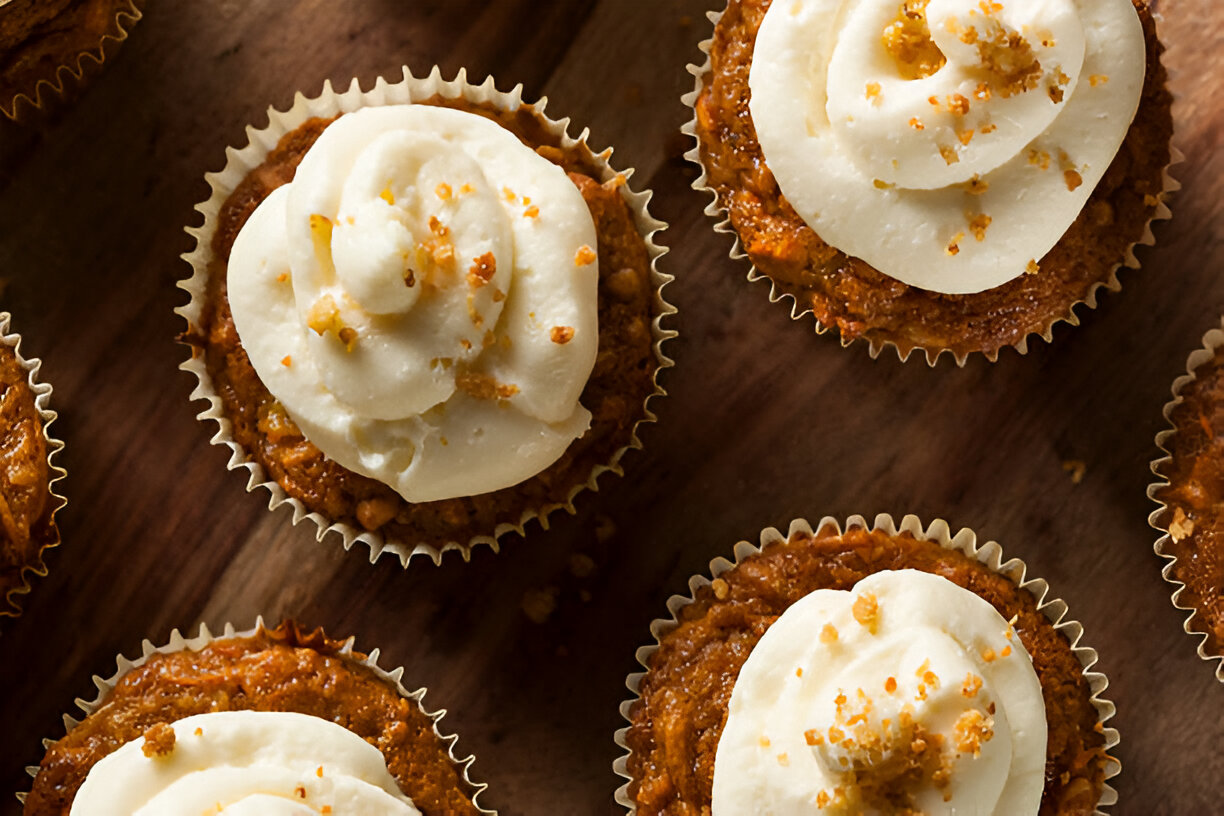
Cream cheese frosting is a delightful blend of cream cheese, butter, and powdered sugar, known for its rich flavor and creamy texture. Unlike traditional buttercream, which relies solely on butter for its sweetness and structure, cream cheese frosting introduces a tangy element that sets it apart. This unique balance of flavors makes it a popular choice for various baked goods.
When comparing cream cheese frosting to other types of frostings, such as whipped cream or ganache, the differences become evident. Whipped cream is light and airy, making it ideal for delicate desserts, while ganache offers a rich chocolate flavor that’s perfect for gourmet cakes. In contrast, cream cheese frosting provides a luscious, velvety layer that enhances the overall taste while maintaining its structure for a perfect finish.
The flavor profile of cream cheese frosting is distinctive due to the combination of tangy cream cheese and sweet butter, complemented by a touch of vanilla extract. This harmonious blend not only pairs wonderfully with spiced cakes and red velvet treats but also lends itself to various flavor adaptations, ensuring its place as a favorite among bakers.
Key Ingredients in Cream Cheese Frosting
To achieve the perfect cream cheese frosting, understanding each ingredient’s role is essential. Here’s a breakdown of the key components that create this beloved frosting:
- Cream Cheese: The star ingredient in this frosting, cream cheese provides a smooth and creamy texture. It adds rich, tangy flavor and is crucial for achieving that signature taste.
- Butter: Unsalted butter is preferred for this recipe, as it allows for better control of the frosting’s sweetness. The butter’s creamy properties help create a luscious texture when combined with the cream cheese.
- Powdered Sugar: This ingredient sweetens the frosting while also contributing to its consistency. Sifting the powdered sugar beforehand is essential to eliminate clumps and ensure a smooth finish.
- Vanilla Extract: A little vanilla extract enhances the overall flavor profile, tying together the sweetness and tanginess of the frosting.
- Salt: A pinch of salt is vital for balancing the sweetness. It accentuates the other flavors, making the frosting well-rounded and delicious.
Each of these ingredients contributes to the rich, creamy indulgence that makes cream cheese frosting an irresistible choice for cakes and desserts alike. Understanding their roles and selecting quality ingredients will ensure your frosting turns out perfectly every time.
Equipment Needed
To achieve the best results when making cream cheese frosting, having the right tools on hand is essential. Here is a list of the necessary equipment:
- Mixing Bowl: A large mixing bowl provides ample space for combining all ingredients.
- Electric Mixer: An electric mixer, either hand-held or stand-alone, is recommended for achieving a smooth and fluffy texture.
- Spatula: A flexible spatula helps to scrape the sides of the bowl and ensure all ingredients are thoroughly incorporated.
- Measuring Cups and Spoons: Accurate measurements are crucial in baking, so having the right tools is necessary.
- Sifter: A sifter is important for sifting powdered sugar, preventing clumps and ensuring a smoother frosting.
Using these tools will help simplify the process and yield a perfect cream cheese frosting every time.
Detailed Cream Cheese Frosting Recipe
Ingredients
- 8 oz cream cheese (softened)
- 1/2 cup unsalted butter (softened)
- 4 cups powdered sugar (sifted)
- 1 teaspoon vanilla extract
- 1/4 teaspoon salt
Directions
1. Prepare Ingredients: Ensure that both the cream cheese and butter are at room temperature for easier mixing. This helps achieve a smooth consistency without lumps.
2. Mix Butter and Cream Cheese: In a mixing bowl, combine the softened cream cheese and unsalted butter. Use an electric mixer on medium speed until the mixture becomes smooth and creamy, about 2-3 minutes. This step is key for a fluffy texture.
3. Add Powdered Sugar Gradually: Gradually sift in the powdered sugar while mixing on low speed to avoid a sugar cloud. Continue mixing until the sugar is fully incorporated and the frosting is smooth.
4. Incorporate Vanilla Extract and Salt: Add the vanilla extract and salt to the mixture. Beat on low speed for about 30 seconds until everything is well blended.
5. Final Whipping: Increase the mixer speed to medium-high and whip the frosting for an additional minute. This step helps incorporate air, giving the frosting a light and fluffy texture.
6. Taste and Adjust: After whipping, taste the frosting. If you prefer a tangier flavor, you can add more cream cheese. If you desire additional sweetness, gradually add more powdered sugar to meet your taste.
Tips for Perfect Cream Cheese Frosting
To achieve the perfect consistency and flavor in your cream cheese frosting, consider the following tips:
- Achieving the Right Consistency: If you prefer a thicker frosting, use less cream cheese or powdered sugar. If you’d like it softer, add a small amount of milk to reach your desired consistency.
- Storage Tips: Store any leftover frosting in an airtight container in the refrigerator for up to one week. If you want to store it longer, consider freezing it for up to three months.
- Best Practices for Spreading or Piping: Chill your frosting for about 15-20 minutes before spreading or piping. This helps it hold its shape better and results in a cleaner finish.
Variations of Cream Cheese Frosting
While classic cream cheese frosting is delicious on its own, here are some variations to explore:
- Chocolate Cream Cheese Frosting: Add 1/2 cup of unsweetened cocoa powder to the dry ingredients before mixing. This variation delivers a rich chocolate flavor.
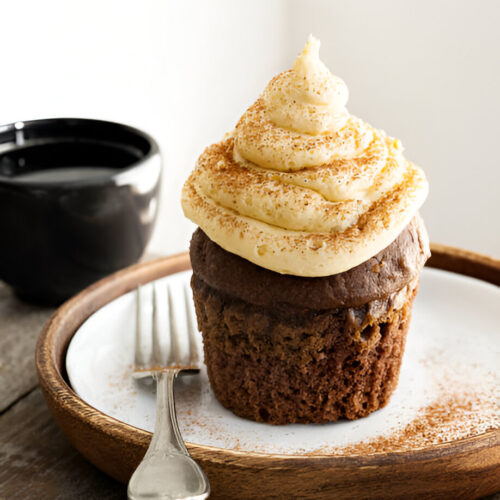
- Spiced Cream Cheese Frosting: Mix in 1 teaspoon of pumpkin spice or cinnamon for a warm, spiced flavor that complements fall desserts.
- Lemon Cream Cheese Frosting: Incorporate the zest of one lemon and 1-2 tablespoons of fresh lemon juice for a bright, citrusy twist.
Common Mistakes and How to Avoid Them
Making cream cheese frosting can be straightforward, but there are common pitfalls to avoid:
- Overmixing: Mixing for too long can lead to a runny texture. Mix just until combined and fluffy.
- Room Temperature Ingredients: Not allowing cream cheese and butter to reach room temperature can result in a lumpy frosting. Take the time to soften these ingredients properly.
- Improper Storage: Failing to store frosting appropriately can affect its texture and flavor. Always use an airtight container, especially when refrigerating.
FAQs About Cream Cheese Frosting
What’s the difference between cream cheese frosting and buttercream?
Cream cheese frosting includes cream cheese, which adds tanginess and richness, whereas buttercream is typically made with butter and sugar, resulting in a sweeter and less tangy flavor profile.
Can I use low-fat cream cheese for frosting?
Yes, you can use low-fat cream cheese, but it may result in a slightly different texture and flavor. Full-fat cream cheese is preferred for a richer taste and creamy consistency.
How can I make cream cheese frosting less sweet?
To reduce sweetness, you can add a little more cream cheese and a pinch of salt to balance the flavors. Additionally, using unsweetened cocoa powder in chocolate variations can help.
How long will cream cheese frosting last in the fridge?
Properly stored in an airtight container, cream cheese frosting can last in the refrigerator for about one week.
Can I pipe cream cheese frosting onto cupcakes?
Yes, cream cheese frosting can be piped onto cupcakes. Chilling the frosting for a short time before piping helps it hold its shape and ensures a clean finish.
Conclusion
Cream cheese frosting is a versatile and delicious topping that can elevate a range of baked goods. By following this guide, you can master the art of making it from scratch, explore various flavor adaptations, and avoid common mistakes. Experimenting with different recipes and variations will surely allow your creativity to shine in the kitchen.
Call to Action
We encourage you to share your experiences and favorite ways to use cream cheese frosting in the comments below. What creative variations have you tried?
cream cheese frosting recipe
Equipment
- 1 mixing bowl
- 1 electric mixer or whisk
- 1 spatula
- 1 measuring cups
- 1 measuring spoons
Ingredients
- 8 oz cream cheese, softened Make sure at room temperature for smooth frosting.
- 1/2 cup unsalted butter, softened Ensure it's at room temperature.
- 4 cups powdered sugar Add gradually, one cup at a time.
- 1 tsp vanilla extract
- 1 pinch salt
Instructions
- In a mixing bowl, combine the softened cream cheese and unsalted butter. Use an electric mixer or whisk to blend them together until the mixture is smooth and creamy.
- Gradually add the powdered sugar, one cup at a time, mixing well after each addition until all the powdered sugar is incorporated and the frosting is smooth.
- Add the vanilla extract and a pinch of salt. Mix until fully combined.
- If the frosting is too thick, add a small amount of milk or cream for a smoother consistency. If it’s too thin, adjust by adding more powdered sugar.
- Once the desired consistency is reached, your cream cheese frosting is ready to use. Spread it on cakes, cupcakes, or cookies as needed.
- Ensure that the cream cheese and butter are at room temperature to achieve a smooth frosting.
- Store any leftover frosting in an airtight container in the refrigerator for up to one week. Before using, allow it to come to room temperature and re-whip for the best consistency.