Ultimate Guide to Chicken Curry: Recipes, Tips, and History
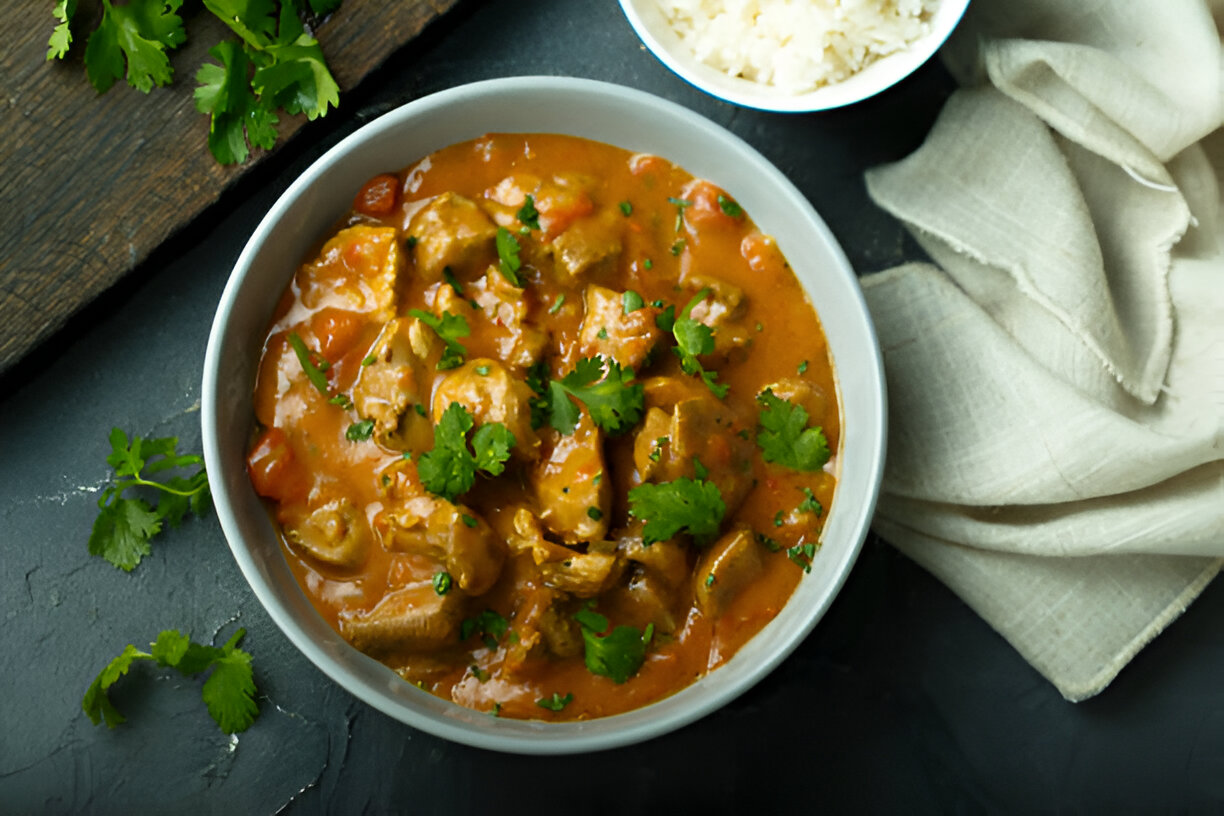
Chicken curry is a beloved dish that embodies the rich flavors and vibrant culinary traditions of various cultures around the globe. This comforting meal typically features succulent pieces of chicken simmered in a fragrant sauce comprised of spices, herbs, and often creamy elements, creating a warm and satisfying experience for the palate. With roots tracing back to South Asian cuisine, chicken curry has transcended its origins to become a staple in countless households, each adding their own twist to this classic dish.
The cultural significance of chicken curry extends far beyond its taste; it represents a fusion of history, geography, and the people who prepare it. From the diverse regional styles found in India, Thailand, and the Caribbean to the unique ingredients and preparations that define each variation, chicken curry showcases the creativity and adaptability of culinary traditions. Whether celebrated at family gatherings or served in fine dining restaurants, this dish has a way of bringing people together.
As we explore the different styles of chicken curry, we’ll uncover the rich tapestry of ingredients and cooking techniques that contribute to this dish’s widespread appeal. Each version tells a story of its own, highlighting the flavors of the region while inviting home cooks and food enthusiasts alike to experiment in their kitchens. Join us on a flavorful journey through the world of chicken curry and discover the endless possibilities that await.

The Cultural Context of Chicken Curry
Chicken curry is a dish steeped in history and tradition, with its roots tracing back to South Asia. It is believed to have originated in India more than 4,000 years ago, where the use of spices was not just about enhancing flavor but also about preservation and health benefits. The initial recipes likely consisted of simple meat stews flavored with available spices. As trade routes expanded, the technique of cooking meat with spices spread to neighboring regions, influencing local cuisines and leading to the evolution of various chicken curry recipes across the world.
Historically, chicken curry has played a significant role in South Asian cuisine, often featured in festivals, weddings, and family gatherings, signifying both comfort and celebration. It was during the British colonial period that chicken curry found its way to different parts of the globe, particularly influencing Western and Caribbean cuisines. The exchange of culinary traditions led to myriad adaptations that reflect local ingredients and tastes, resulting in a diverse range of chicken curry styles that are enjoyed worldwide today.
Regional Variations
Indian Chicken Curry is perhaps the most recognized variety, characterized by its rich sauces made from a blend of spices such as coriander, cumin, and garam masala. Each region in India adds its local flair, with variations like the creamy butter chicken from the North and the spicy Chettinad curry from the South, each offering distinct flavors and cooking methods.
Thai Chicken Curry, on the other hand, integrates fresh ingredients such as lemongrass, galangal, and lime leaves, often combined with coconut milk to create a fragrant, mildly spicy dish. Popular in Thailand, this version can be found in various forms, such as red, green, and yellow curries, each defined by the type of curry paste used, showcasing the variety of local herbs and spices.
In the Caribbean, Chicken Curry has been embraced with a unique twist, combining traditional Indian spices with local ingredients like Scotch bonnet peppers and allspice. The result is a vibrant and bold dish that reflects the region’s diverse culinary heritage. Jamaica’s curry chicken, for example, is famous for its intense flavors and heat, representing the fusion of Indian and indigenous Caribbean influences.
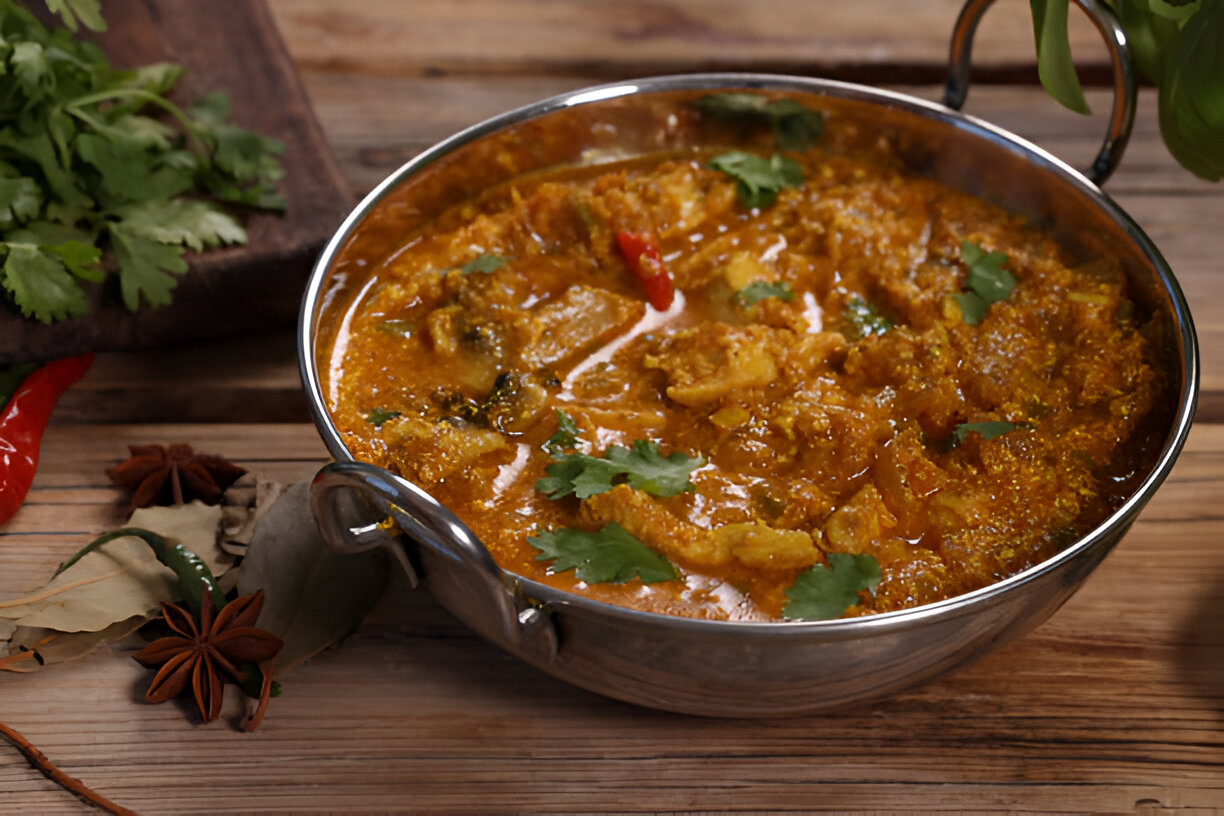
Ingredients of Chicken Curry
Essential Ingredients
To craft an authentic chicken curry, selecting the right chicken cuts is essential. Popular choices include chicken thighs and breasts, which provide tenderness and flavor. Thighs are favored for their juiciness, while breasts are leaner, catering to different dietary preferences.
Spices are the heart of chicken curry, lending it depth and warmth. Common spices used include turmeric, cumin, coriander, and garam masala. Turmeric provides a vibrant yellow hue and is known for its anti-inflammatory properties. Cumin adds earthiness, while coriander contributes a citrusy note. Garam masala, a blend of spices, varies regionally but is typically added towards the end of cooking to retain its aromatic qualities.
Optional Ingredients
For added texture and nutrition, various vegetables can be incorporated into chicken curry. Potatoes, peas, and bell peppers are popular choices, offering sweetness and color to the dish. These additions not only enhance the visual appeal but also make the curry heartier, perfect for family meals.
Dairy products can also enrich chicken curry, adding a creamy finish to the sauce. Ingredients like yogurt or coconut milk are commonly used, providing a luscious mouthfeel and balancing the spices’ heat. Coconut milk, in particular, is essential in Thai variations, imparting a unique flavor that complements the dish.
Health Benefits of Chicken Curry
Nutritional Value
Chicken itself is a great source of protein, essential for muscle repair and overall health. A serving of chicken provides significant amounts of essential amino acids necessary for bodily function. Incorporating chicken into your diet can help maintain muscle mass and support weight management.
The spices used in chicken curry also offer numerous health benefits. Turmeric contains curcumin, known for its anti-inflammatory and antioxidant properties. Cumin can aid digestion, while coriander is known for its ability to lower blood sugar levels. Additionally, the incorporation of vegetables can add fiber, further enhancing the nutritional profile of the dish.
Dietary Considerations
One of the advantages of chicken curry is its adaptability to various dietary needs. With the right ingredients, chicken curry can be made gluten-free, making it suitable for those with gluten sensitivities. By substituting wheat-based ingredients with alternatives like rice flour or cornstarch, individuals can enjoy this dish without worry.
Furthermore, chicken curry can be easily adjusted to meet dairy-free requirements. Using coconut milk or vegetable broth as a base not only maintains the creaminess of the sauce but also ensures that vegan and lactose-intolerant individuals can savor this flavorful meal.
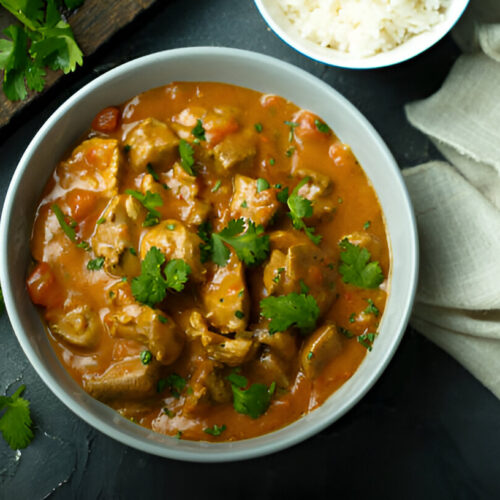
Chicken Curry
Equipment
- 1 large skillet or saucepan
- 1 cutting board
- 1 measuring cups and spoons
- 1 wooden spoon
- 1 serving dish
Ingredients
- 1.5 lbs boneless, skinless chicken thighs, cut into bite-sized pieces
- 2 tablespoons vegetable oil
- 1 large onion, finely chopped
- 3 cloves garlic, minced
- 1 inch piece ginger, grated
- 2 teaspoons ground cumin
- 2 teaspoons ground coriander
- 1 teaspoon turmeric powder
- 1 teaspoon garam masala
- 1 teaspoon chili powder adjust to taste
- 1 can (14 oz) diced tomatoes
- 1 can (13.5 oz) coconut milk
- Salt to taste
- Fresh cilantro for garnish
- Cooked rice or naan for serving
Instructions
- Heat the vegetable oil in a large skillet or saucepan over medium heat.
- Add the chopped onions and sauté until they are soft and golden, about 5-7 minutes.
- Stir in the minced garlic and grated ginger, cooking for an additional 1-2 minutes until aromatic.
- Add the ground cumin, ground coriander, turmeric powder, garam masala, and chili powder to the skillet. Stir and cook for 1-2 minutes, allowing the spices to toast and deepen in flavor.
- Add the chicken pieces to the skillet, stirring to coat them in the spice mixture. Cook for about 5-6 minutes until the chicken is browned on all sides.
- Pour in the diced tomatoes with their juices and the coconut milk. Stir to combine and bring the mixture to a simmer.
- Reduce the heat to low, cover the skillet, and let the curry cook for 20-25 minutes, stirring occasionally until the chicken is cooked through and tender. Season with salt to taste.
- Remove from heat and garnish with fresh cilantro. Serve hot over cooked rice or with naan bread.