
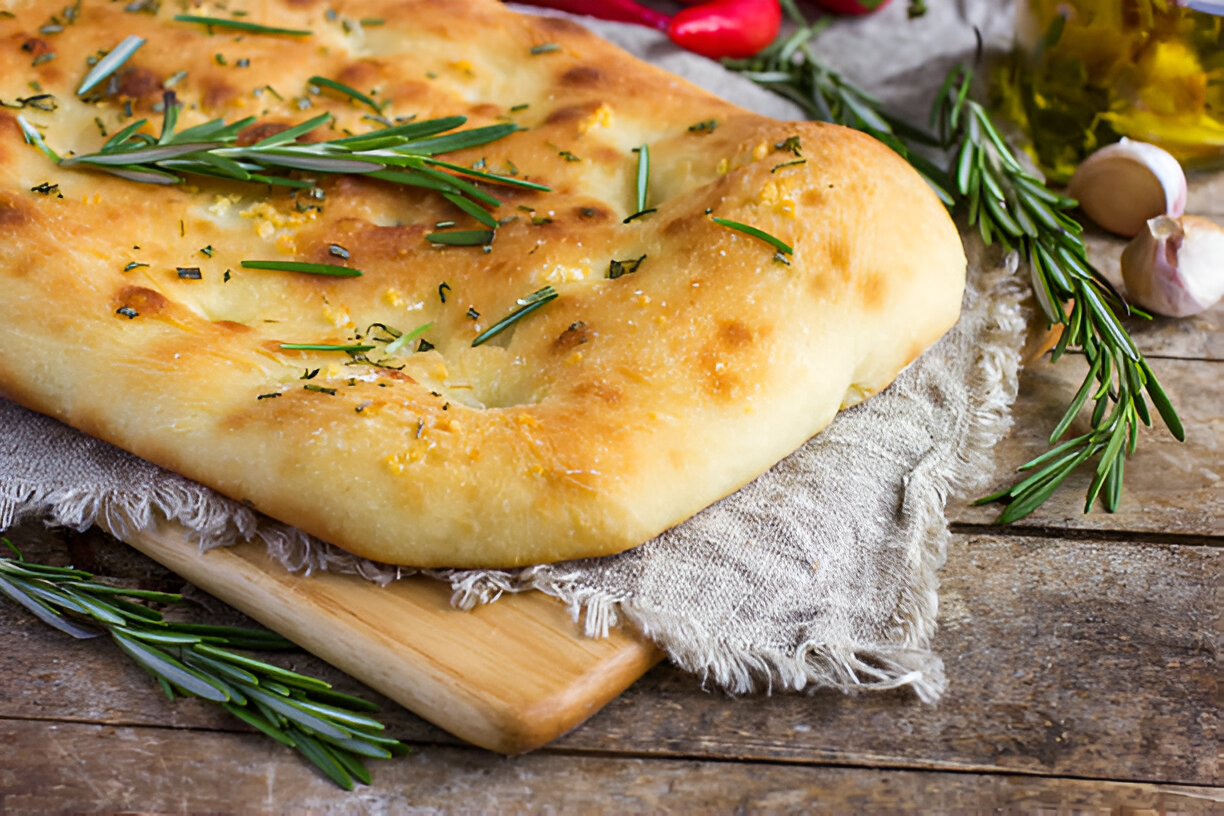
Delicious Bread Recipe Rosemary: Bake Your Own Herb-Infused Loaf
Rosemary bread is a delightful fusion of simple ingredients and the fragrant essence of fresh herbs. This savory bread not only showcases the aromatic qualities of rosemary but also elevates its presence in culinary traditions around the globe. Whether served fresh out of the oven, alongside a hearty soup, or as the base for an elegant bruschetta, rosemary bread offers a flavorful experience that enchants the palate.
Including fresh herbs in baking is not just a culinary trend; it’s a longstanding practice that enhances flavors and aromas in baked goods. The addition of rosemary brings a unique depth to bread, creating a sensory experience that engages our senses and enhances our enjoyment of food. Moreover, fresh herbs like rosemary are known for their numerous health benefits, making them a valuable ingredient in any kitchen.
In this article, readers will learn what rosemary bread is, explore its history, and discover the various ways this aromatic herb can be incorporated into baking. We will delve into its nutritional benefits, discuss essential ingredients, and provide a detailed recipe for crafting perfect rosemary bread at home. Whether you are a seasoned baker or a novice, you’ll find inspiration to create a loaf that not only nourishes but also delights the senses.
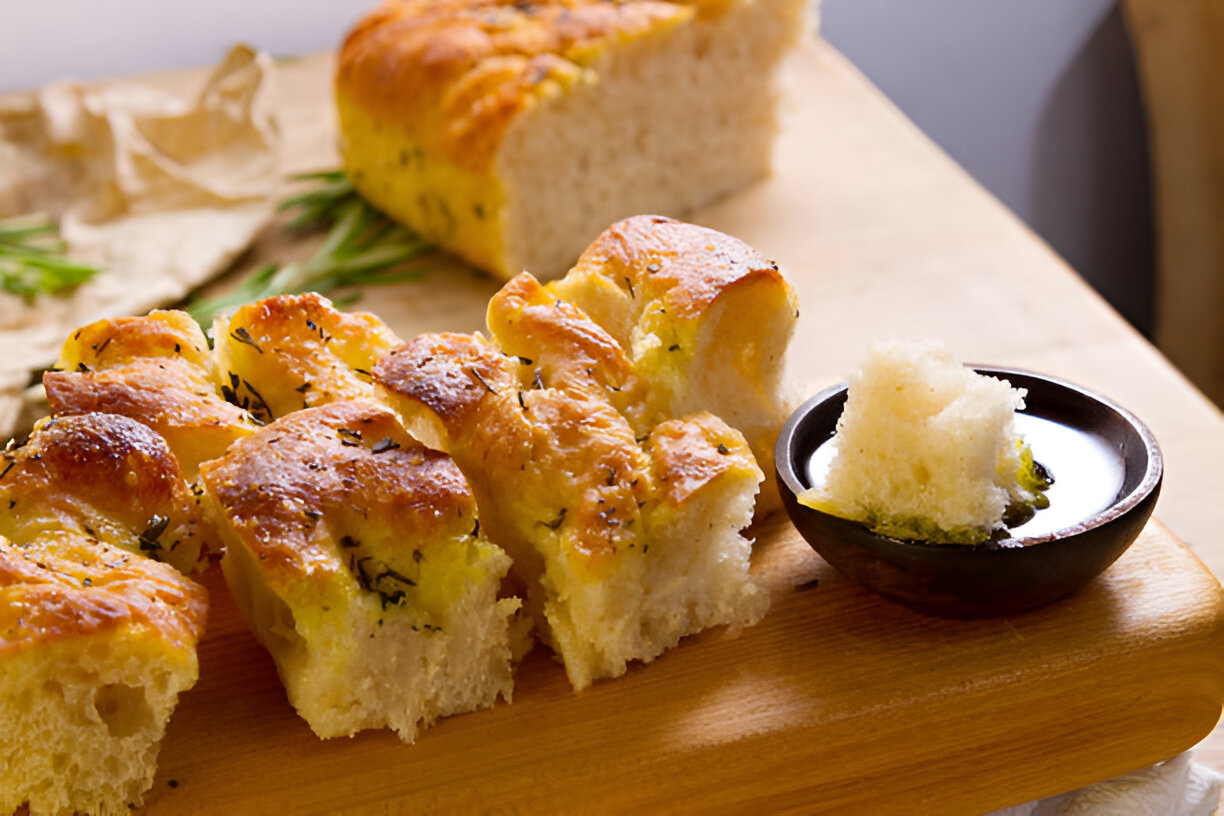
What Is Rosemary Bread?
Rosemary bread is a flavorful bread variety that combines the rich, earthy notes of fresh rosemary with the comforting texture of bread. Defined by its aromatic flavor, rosemary bread often features a straightforward mix of flour, water, yeast, and salt, with the hearty infusion of chopped rosemary leaves. Variations of this classic bread may include additional ingredients such as garlic, olives, or cheese, providing a delightful twist on the traditional recipe. Its versatility makes it suitable for various occasions, from casual family dinners to elegant gatherings.
The culinary history of incorporating herbs into baking is as rich as the flavors it produces. Rosemary, a herb native to the Mediterranean region, has been cherished since ancient times not only for its culinary uses but also for its medicinal properties. In traditional Mediterranean diets, the use of rosemary in bread symbolizes both flavor and nourishment. Rosemary bread has spread across cultures, with each region adding its variations and unique touches, celebrating the herb’s aromatic charm.
The flavor profile of rosemary bread is truly remarkable. The distinct, pine-like aroma of rosemary complements the bread’s warm, toasty notes, creating a beautiful harmony of tastes. As the bread bakes, the heat releases the essential oils in the rosemary, intensifying its presence and enhancing the overall sensory experience. Each bite of rosemary bread is a delightful meld of savory and aromatic sensations, making it a standout choice among artisan breads.
Benefits of Rosemary in Baking
Incorporating rosemary into baking not only enhances flavor but also brings a variety of health benefits. Rosemary is rich in antioxidants, which help combat oxidative stress in the body. It is also known to support digestion and improve circulation, making it a valuable ingredient in everyday meals. Including this herb in your baking can seamlessly integrate its nutritional perks into your diet.
The aromatic qualities of rosemary significantly elevate the sensory experience of bread. Its fragrant oils release an enticing aroma during the baking process, filling the kitchen with a warm and inviting scent that draws people in. This sensory engagement makes rosemary bread not just a staple for meals but a centerpiece of conversation and enjoyment during gatherings.
Moreover, the versatility of rosemary bread extends beyond its role as a side dish. It transforms beautifully into delicious sandwiches, elevating simple ingredients with its fragrant touch. It can be sliced for bruschetta, turned into croutons for salads, or served alongside dips, making it an adaptable choice for a variety of culinary creations. This multifaceted bread is sure to impress in both casual and sophisticated settings.
Ingredients Needed for Rosemary Bread
To create a delightful rosemary bread, you’ll need a selection of main ingredients that form the foundation of this flavorful recipe. Below is a breakdown of what you’ll need:
Main Ingredients
- Flour: Use bread flour for a chewier texture; approximately 500 grams (4 cups).
- Yeast: Fresh yeast is preferred for its potency, but you can also use 2 ¼ teaspoons (one packet) of dry yeast.
- Water: About 350 ml (1 ½ cups) of lukewarm water (around 110°F or 43°C) to activate the yeast.
- Salt: Use 10 grams (2 teaspoons) of salt to enhance flavor and structure.
- Olive oil: Incorporate 30 ml (2 tablespoons) of olive oil for moisture and richness.
- Fresh rosemary: About 2 tablespoons of freshly chopped rosemary leaves, as fresh herbs provide the best flavor and aroma.
Optional Ingredients
- Grated cheese (e.g., Parmesan or cheddar) for added flavor.
- Minced garlic to enhance the savory aspects of the bread.
- Chopped nuts (such as walnuts) for texture and an interesting taste.
Detailed Rosemary Bread Recipe
Ingredients
For this rosemary bread recipe, ensure you have the following ingredients ready:
- 500 grams (4 cups) bread flour
- 2 ¼ teaspoons dry yeast or 15 grams fresh yeast
- 350 ml (1 ½ cups) lukewarm water
- 10 grams (2 teaspoons) salt
- 30 ml (2 tablespoons) olive oil
- 2 tablespoons finely chopped fresh rosemary
- Optional: grated cheese, minced garlic, chopped nuts
Directions
1. Preparation of Ingredients
If using dry yeast, activate it by combining it with lukewarm water and a pinch of sugar. Allow it to sit for about 5 minutes until it becomes frothy. Chop the fresh rosemary leaves finely and set them aside.
2. Mixing the Dough
In a large mixing bowl, combine flour and salt. Once the yeast is activated, pour it into the flour mixture along with the olive oil. Gradually add the remaining lukewarm water while mixing until a shaggy dough forms.
3. Kneading the Dough
Transfer the dough onto a lightly floured surface. Knead the dough for about 8-10 minutes until smooth and elastic. If the dough is too sticky, sprinkle a little more flour as needed to achieve the right consistency.
4. First Rising
Place the kneaded dough in a lightly oiled bowl, cover it with a damp cloth or plastic wrap, and let it rise in a warm, draft-free area for about 1 hour or until it has doubled in size.
5. Shaping the Dough
Once the dough has risen, punch it down to release any air bubbles. Turn it out onto a floured surface and shape it into a loaf or desired shape, incorporating the chopped rosemary evenly throughout.
6. Second Rising
Place the shaped dough onto a baking sheet lined with parchment paper. Cover it loosely with a cloth and let it rise again for about 30-45 minutes, until puffy.
7. Baking
Preheat your oven to 375°F (190°C). Bake the bread for 25-30 minutes or until it turns golden brown and sounds hollow when tapped on the bottom.
8. Cooling
Once baked, remove the bread from the oven and allow it to cool on a wire rack for at least 15 minutes before slicing. This cooling period helps set the texture and flavor.
Tips for Success
- Be careful with the kneading; over-kneading can lead to tough bread.
- Ensure the dough is in a warm environment for optimal rising. You can turn on the oven for a few minutes, then turn it off, and place the dough inside.
- Store any leftover rosemary bread in a paper bag at room temperature for up to two days; for longer storage, freeze in an airtight container.
Serving Suggestions
Rosemary bread can accompany various dishes, adding a delightful flavor dimension to your meals. Here are a few serving suggestions:
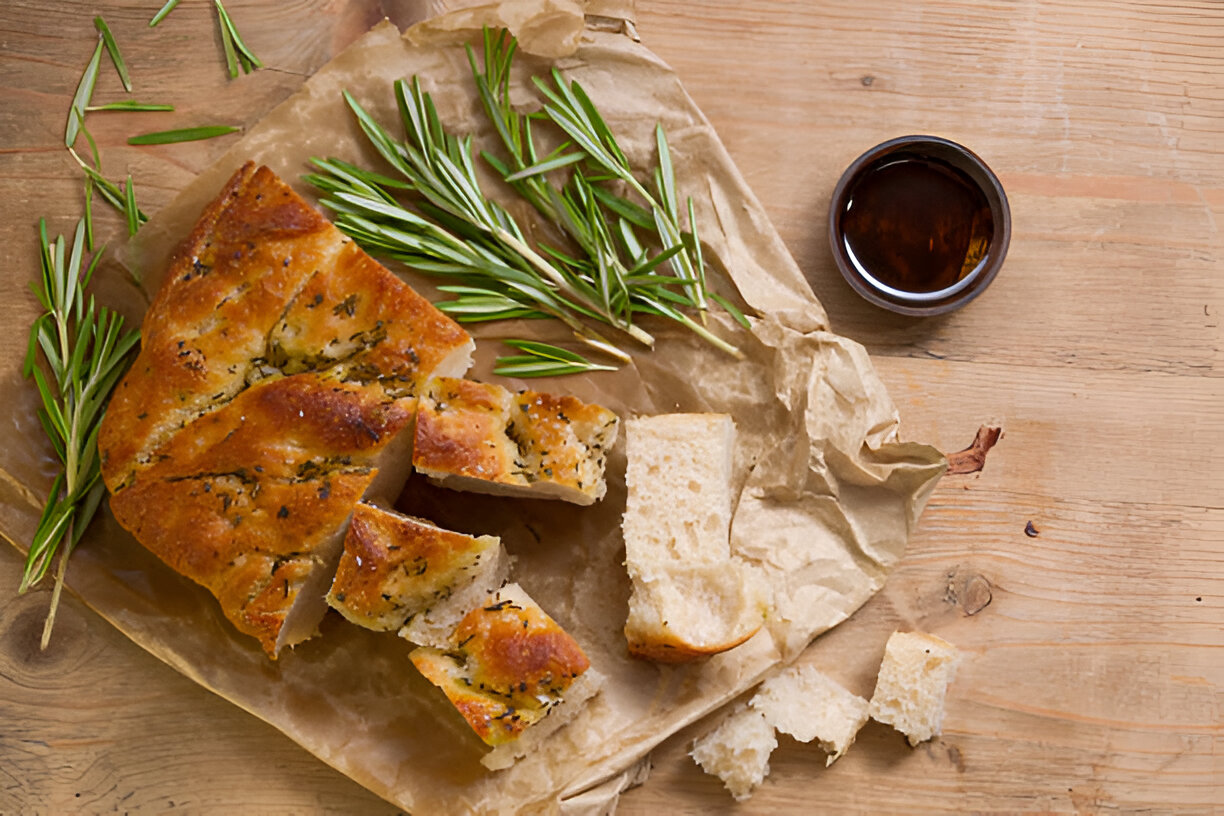
- Pair rosemary bread with olive oil and balsamic vinegar for a simple yet elegant appetizer.
- Serve it alongside hearty soups, such as minestrone or tomato basil, to complement the flavors.
- Slice the bread for bruschetta topped with fresh tomatoes and mozzarella for a delicious snack.
- Consider using rosemary bread as a base for gourmet sandwiches, pairing it with roasted vegetables or cured meats.
- Utilize leftover bread by making croutons for salads or a savory bread pudding.
Additionally, wine enthusiasts can delight in pairing rosemary bread with light, crisp wines such as Sauvignon Blanc or fruity reds like Pinot Noir.
FAQ Section
Can I use dried rosemary instead of fresh?
Yes, you can substitute dried rosemary for fresh. However, use about one-third of the amount as dried herbs have a more concentrated flavor. Simply crush the dried rosemary before adding it to the dough.
How can I adjust the recipe for different dietary needs?
If you need a gluten-free option, substitute the bread flour with a gluten-free flour blend designed for baking. For vegan variations, omit the cheese and use plant-based butters or oils.
What to do if the dough doesn’t rise?
If your dough isn’t rising, check the freshness of your yeast. The water temperature should be warm but not hot; if too hot, it can kill the yeast. Another factor could be the ambient temperature; try moving the dough to a warmer location.
Can I freeze rosemary bread?
Yes, rosemary bread freezes well. Once cooled, wrap it tightly in plastic wrap and then in foil or place it in an airtight container. To thaw, leave it at room temperature or place it in a preheated oven for a few minutes.
Conclusion
Baking rosemary bread at home is both a rewarding and delicious endeavor. By using fresh ingredients and following our detailed recipe, you can create a bread that nourishes the body and delights the senses.
Call to Action
We invite you to try this rosemary bread recipe and share your own variations or experiences with us! Follow our blog for more mouthwatering bread recipes and culinary inspiration.
bread recipe rosemary
Equipment
- 1 mixing bowl
- 1 measuring cups and spoons
- 1 wooden spoon or spatula
- 1 loaf pan (9x5 inches)
- 1 clean kitchen towel
- 1 oven
Ingredients
- 3 cups all-purpose flour
- 2 teaspoons salt
- 1 packet active dry yeast (2 ¼ teaspoons)
- 1 tablespoon sugar
- 1 ¼ cups warm water (110°F or 43°C)
- 2 tablespoons olive oil
- 2 tablespoons fresh rosemary, chopped (or 1 tablespoon dried rosemary)
Instructions
- In a mixing bowl, combine the warm water, sugar, and active dry yeast. Stir gently and let it sit for about 5-10 minutes until it's frothy.
- Add the olive oil, salt, and chopped rosemary to the yeast mixture, stirring gently to combine.
- Gradually add the flour, one cup at a time, mixing with a wooden spoon or spatula until a shaggy dough forms.
- Transfer the dough to a floured surface and knead for 8-10 minutes until the dough is smooth and elastic.
- Shape the dough into a ball and place it in a greased bowl, covering it with a clean kitchen towel. Let it rise in a warm place for 1 hour or until it doubles in size.
- Once risen, punch the dough down to release the air. Shape it into a loaf and place it in the greased loaf pan.
- Cover the loaf with the kitchen towel again and let it rise for another 30 minutes.
- Preheat the oven to 375°F (190°C) while the dough rises.
- Bake in the preheated oven for 25-30 minutes or until the bread is golden brown and sounds hollow when tapped.
- Remove the bread from the oven and let it cool in the pan for 5 minutes before transferring it to a wire rack to cool completely.


