

Delicious Bean Chili: Health Benefits, Recipes, and Variations
Bean chili is a beloved dish that has captured the hearts (and appetites) of people worldwide. Known for its rich flavors and hearty texture, bean chili is not only satisfying but also a nutritious meal option that can be enjoyed year-round. This versatile dish can be made with a variety of beans, spices, and vegetables, allowing for endless variations to suit different tastes and dietary preferences. Whether enjoyed as a comforting dinner on a chilly night or as part of a lively gathering with friends, bean chili continues to be a favorite choice for many.
Beans play a crucial role in creating a healthy diet, packed with protein, fiber, and essential nutrients. Incorporating beans into meals offers numerous health benefits, making dishes like bean chili not only delicious but also a smart choice for maintaining overall well-being. From kidney beans to black beans, the variety of options available enables home cooks to craft their own unique spin on this classic dish.
Moreover, the adaptability of bean chili extends beyond just ingredients; it can easily cater to both meat-lovers and vegetarians alike. With countless possibilities for customization, anyone can create their perfect chili that satisfies their cravings while still promoting a nutritious lifestyle.
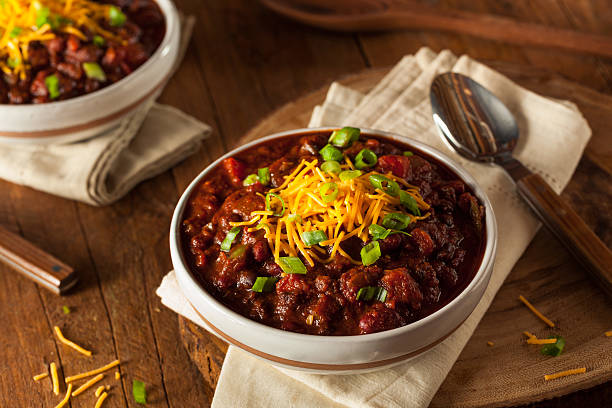
History of Bean Chili
Bean chili, as we know it today, has a rich and varied history that spans across different cultures and regions. The roots of chili can be traced back to the indigenous peoples of the Americas, where chiles were cultivated and used in cooking. Early recipes often featured meat, various spices, and the sacred chili pepper, which served as a staple ingredient. With the arrival of Europeans in the New World, the culinary landscape began to change, leading to a fusion of flavors and techniques.
Beans made their way into chili recipes over time, complementing the dish’s existing flavors and adding a hearty, nutritious element. The introduction of beans not only enhanced the texture and taste of the dish but also provided a plant-based protein source, making chili more accessible and affordable for many. As migrations and trade routes expanded, bean chili began to take on various forms across cultures, leading to distinct regional interpretations. Each culture brought its own unique ingredients and spices, reflecting local preferences and available resources.
Today, variations of bean chili can be found from Texas to Mexico and beyond, with each rendition showcasing the rich tapestry of culinary traditions. Whether it’s the spicy kick of Tex-Mex chili or the more subtle notes of a bean chili rooted in Mexican cuisine, one thing remains constant: bean chili continues to be a beloved dish, celebrated for its warmth, richness, and adaptability.
Nutritional Benefits of Bean Chili
Bean chili is more than just a comforting meal; it’s a powerhouse of nutritional benefits that make it an excellent choice for a healthy diet. At its core, beans are packed with protein, making them an ideal alternative to meat-based dishes. For example, one cup of cooked black beans provides around 15 grams of protein, while kidney beans offer approximately 13 grams. Even pinto beans contribute a significant amount, ensuring that bean chili can be a hearty meal option, especially for those seeking plant-based protein sources.
Another essential aspect of beans is their high dietary fiber content. Fiber plays a crucial role in maintaining digestive health, regulating blood sugar levels, and promoting satiety. A fiber-rich diet can help reduce the risk of chronic diseases such as heart disease and diabetes. Bean chili, with its ample inclusion of various beans, serves as a delicious way to incorporate more fiber into your meals. A serving of bean chili can provide up to 10 grams of fiber, depending on the types of beans used and serving size.
In addition to protein and fiber, beans are laden with essential vitamins and minerals. They are an excellent source of B vitamins, iron, magnesium, and potassium, all of which contribute to overall health and wellness. These nutrients support energy production, muscle function, and the maintenance of healthy blood pressure levels.
Furthermore, bean chili can be a low-calorie meal option, especially when made with minimal added fats and sugar. This makes it a suitable choice for those watching their caloric intake while still wanting a filling and satisfying dish. By considering ingredient choices and portion sizes, bean chili can easily fit into a calorie-conscious diet, providing nourishment without sacrificing flavor or enjoyment.
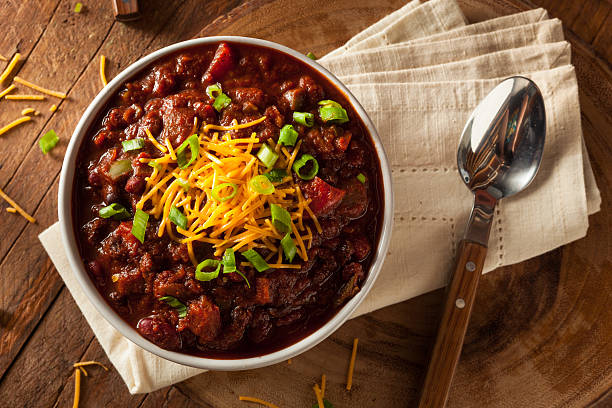
Types of Beans for Chili
When making bean chili, the choice of beans is crucial as they contribute significantly to the dish’s flavor, texture, and nutritional profile. A variety of beans can be used, each offering a unique taste and texture. Here are some commonly used beans as well as a few unique options to consider for your chili:
Commonly Used Beans
- Black Beans: Known for their rich, robust flavor and creamy texture, black beans are a popular choice for bean chili. They add a deep color and pair well with various spices.
- Kidney Beans: These beans are firm and slightly sweet, making them a customary component in many chili recipes. Their shape and size help them hold up well during the cooking process.
- Pinto Beans: Renowned for their earthy taste, pinto beans break down slightly while cooking, lending a wonderful creaminess to the chili.
- Chickpeas: While less traditional, chickpeas add a nutty flavor and a unique texture, making them a great addition for those wanting to change things up.
Unique Beans
- Cannellini Beans: These white kidney beans have a mild flavor and a creamy texture, which can add a different dimension to your chili.
- White Navy Beans: With their subtle taste and soft texture, navy beans work well in a chili that features lighter spices.
- Mixed Bean Options: A combination of various beans can add complexity and variety, allowing for a more interesting flavor profile and a delightful texture.
Traditional vs. Non-Traditional Bean Chili
Traditional Ingredients
Traditional bean chili recipes often feature a set of classic ingredients that define the dish. Common spices include:
- Cumin
- Chili powder
- Oregano
- Garlic and onion
Chili can also be made with ground meat, typically beef, turkey, or chicken, making it a hearty option. However, for those who prefer vegetarian options, beans serve as a robust alternative.
Non-Traditional Variations
For those looking to experiment beyond the classic recipes, non-traditional add-ins can create exciting new flavors. Some interesting concepts include:
- Chocolate: Adding a bit of dark chocolate can enrich the flavor, enhancing the dish’s depth.
- Beer: Incorporating a splash of beer adds complexity and unique flavor notes. A stout or pale ale can complement the chili’s spices beautifully.
- Regional Variations: Different regions have their own takes on chili. For example, Tex-Mex chili might incorporate more tomatoes and spices, while Southwestern variations may use unique local ingredients.
Personalization and Customization
One of the best aspects of bean chili is its flexibility. Cooks are encouraged to personalize their recipes by adjusting ingredients based on preference. For example, if you enjoy more heat, consider adding fresh chilies or cayenne pepper. Vegetables such as bell peppers, zucchini, or corn can also enhance both the flavor and nutritional value of your chili. Don’t hesitate to experiment with textures, spices, and cooking methods to create a bean chili that is perfect for you!
Detailed Recipe for Classic Bean Chili
Ingredients
To prepare a classic bean chili, gather the following ingredients:
- 1 cup dried black beans (or 2 cans, drained and rinsed)
- 1 cup dried kidney beans (or 2 cans, drained and rinsed)
- 1 cup dried pinto beans (or 2 cans, drained and rinsed)
- 1 large onion, diced
- 3 cloves garlic, minced
- 2 tablespoons chili powder
- 1 tablespoon cumin
- 1 teaspoon oregano
- 1 can (14.5 oz) diced tomatoes, with juices
- 4 cups vegetable or chicken broth
- Salt and pepper to taste
- Optional toppings such as sour cream, shredded cheese, and chopped cilantro
Directions
- Preparation of Beans: If using dried beans, soak them in water overnight. Rinse and drain before cooking. If using canned beans, simply drain and rinse them.
- Cooking Process: In a large pot, sauté the diced onions over medium heat until they become translucent. Add minced garlic and cook for an additional minute. Stir in the chili powder, cumin, and oregano.
- Add the diced tomatoes and broth to the pot, stirring to combine. Then, add the prepared beans. Bring the mixture to a boil and then reduce the heat to a simmer.
- Cook for at least 30-45 minutes, allowing the flavors to meld. Stir occasionally and add water if needed to reach your desired consistency.
- Season with salt and pepper to taste before serving.
Cooking Tips and Serving Suggestions
For more cooking flexibility, consider the following methods:
- Stove: Ideal for quick cooking while allowing you to monitor the chili’s consistency.
- Slow Cooker: Perfect for allowing flavors to develop over several hours. Combine all ingredients and cook on low for 6-8 hours.
- Instant Pot: A great option for a quick cook. Follow the same ingredient proportions but adjust cooking time as necessary.
Bean chili pairs well with various side dishes like cornbread, rice, or crusty bread. For storage, let the chili cool before transferring it into airtight containers. It can be frozen for long-term storage or stored in the fridge for up to a week. When serving, invite family and friends to add their favorite toppings, such as sour cream, cheese, or fresh herbs, for a personalized touch.
Variations and Creative Twists on Bean Chili
Spicy Bean Chili
If you enjoy a bit of heat, consider incorporating various spicy elements. Use fresh jalapeños or serrano peppers to intensify the heat level. You can also experiment with spice blends that include cayenne pepper, chipotle powder, or even hot sauce to elevate the spiciness of your chili.
Sweet and Savory
Sweet elements can create an exciting contrast in flavors. Adding sweet potatoes or butternut squash lends a natural sweetness that complements the beans beautifully. You might also want to drizzle in a bit of honey or maple syrup for an added layer of flavor complexity!
Bean Chili with Unique Proteins
For those looking to add some variety beyond traditional beans, incorporating unique proteins such as tofu, tempeh, or even quinoa can bring additional nutrition and flavor. These alternatives provide a plant-based protein boost, making the dish even more satisfying and nutritionally rich.
Bean Chili in Meal Planning
Bean chili is a fantastic option for meal prepping due to its versatility and ease of storage. It can be made in large batches and easily portioned out for the week ahead. Consider preparing a big pot of chili on the weekend; then, divide it into containers for convenient lunches or dinners throughout the week.
For those interested in bulk cooking, bean chili freezes exceedingly well. When portioning the chili, place it in plastic or glass containers, ensuring to leave space for expansion. Utilizing freezer bags can also save space in your freezer. Simply remove and reheat the portions as needed for a quick meal during busy days!
FAQs
What beans are best for chili?
Commonly used beans include black beans, kidney beans, pinto beans, and chickpeas. Each type adds its unique flavor and texture, allowing for customization based on preference.
Can I use canned beans in chili?
Absolutely! Canned beans are a convenient option. Just ensure to rinse and drain them before adding to your chili to reduce sodium content.
How do I thicken my bean chili?
There are several methods to thicken your chili. Simmer it longer to allow excess liquid to evaporate, mash some beans to create a creamy texture, or add ingredients like cornmeal or flour to achieve your desired consistency.
How long does bean chili last in the fridge?
Bean chili can typically be stored in the refrigerator for up to a week when kept in an airtight container. Ensure it is cooled before refrigeration to maintain quality.
Is bean chili healthy for you?
Bean chili is a nutritious dish, rich in protein, fiber, vitamins, and minerals. It’s a low-calorie option and can support overall health when made with wholesome ingredients. It is also adaptable to fit various dietary preferences.
Conclusion
Overall, bean chili stands out as a versatile, nutritious, and beloved dish cherished by many. Whether you are cooking for family or enjoying a cozy meal alone, the opportunities for customization and experimentation make it a fantastic choice. We encourage you to try making bean chili at home, adapting the recipe to suit your taste preferences and dietary needs. Don’t hesitate to explore new variations, add-ins, and toppings, ultimately creating your signature chili! Happy cooking!
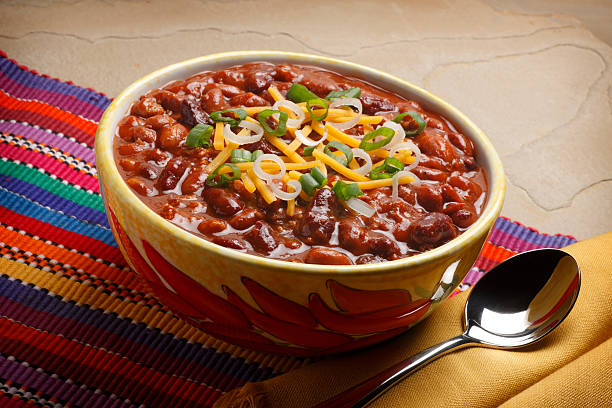
bean chili
Equipment
- 1 large pot or Dutch oven
- 1 cutting board
- 1 measuring cups
- 1 measuring spoons
- 1 can opener
Ingredients
- 1 tablespoon olive oil
- 1 medium onion, diced (about 1 cup)
- 3 cloves garlic, minced
- 1 medium bell pepper, diced
- 2 medium carrots, diced
- 2 cans (15 oz each) black beans, drained and rinsed
- 1 can (15 oz) kidney beans, drained and rinsed
- 1 can (15 oz) diced tomatoes (with juices)
- 1 can (6 oz) tomato paste
- 2 tablespoons chili powder
- 1 teaspoon ground cumin
- 1 teaspoon smoked paprika
- 1 teaspoon salt
- ½ teaspoon black pepper
- 2 cups vegetable broth
- 1 cup corn kernels (fresh or canned)
Instructions
- In a large pot or Dutch oven, heat 1 tablespoon of olive oil over medium heat.
- Add the diced onion and cook for about 5 minutes until softened.
- Stir in the minced garlic, diced bell pepper, and diced carrots. Cook for another 5-7 minutes, until the vegetables start to soften.
- Add the black beans, kidney beans, diced tomatoes, tomato paste, chili powder, ground cumin, smoked paprika, salt, and black pepper. Stir to combine.
- Pour in the vegetable broth and corn kernels. Bring the mixture to a boil.
- Once boiling, reduce the heat to low and let the chili simmer for about 30 minutes, stirring occasionally.
- Taste the chili and adjust seasoning if necessary. Let it simmer a little longer if you prefer a thicker consistency.
- Serve hot with your choice of optional toppings.


