
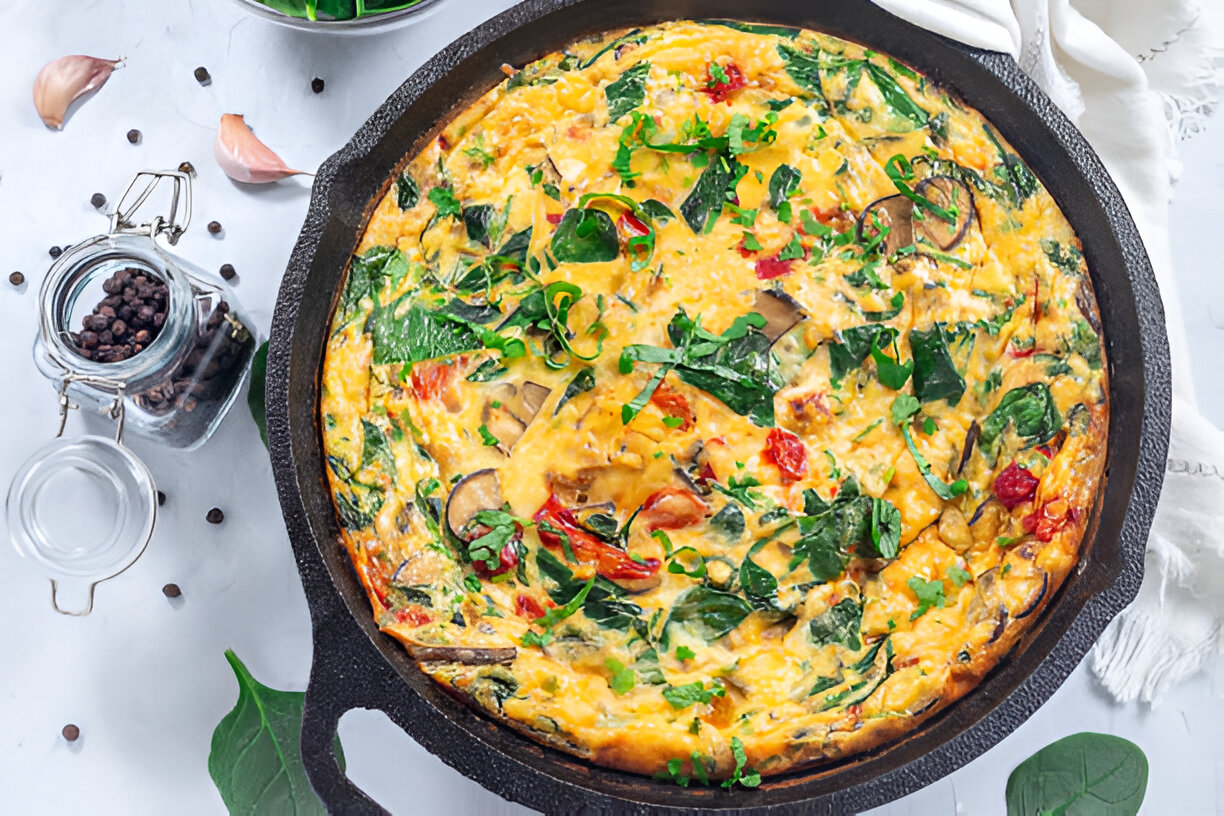
Baked Vegetable Frittata: A Healthy and Versatile Dish
A frittata is an Italian egg dish similar to an omelet or quiche but is typically richer and more filling. It is made by combining eggs with various ingredients, including vegetables, meats, and cheeses, then cooking the mixture slowly and often finishing it in the oven. The beauty of a frittata lies not only in its simplicity but also in its ability to be customized to suit any palate or dietary requirement, making it a popular choice for breakfast, brunch, or even a light dinner.
The Baked Vegetable Frittata, in particular, plays a significant role in healthy diets by providing a balanced meal that is rich in protein and packed with nutrients from fresh vegetables. Incorporating a variety of colorful veggies not only enhances the flavor of the dish but also boosts its nutritional profile, making it an excellent choice for health-conscious individuals. With its low carb and high protein content, it is ideal for those seeking to maintain energy levels or manage weight.
One of the standout features of a frittata is its versatility. It can be made with virtually any combination of ingredients, which opens up endless possibilities for customization. Whether using seasonal vegetables or experimenting with herbs and spices, individuals can tailor their frittata to reflect personal preferences and dietary needs. This adaptability ensures that the Baked Vegetable Frittata is not just a meal but a canvas for creativity in the kitchen.
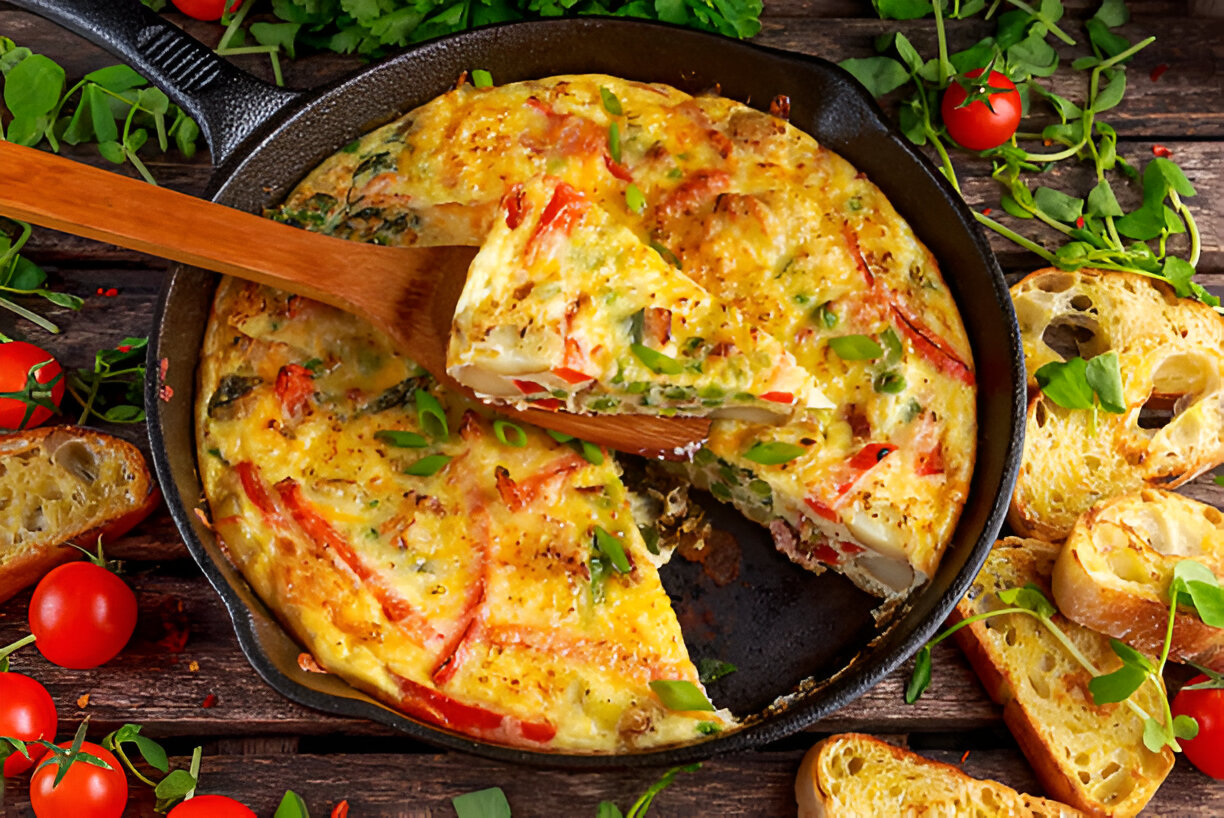
1. Understanding Frittatas
A frittata is more than just an egg dish; it is a celebrated staple in Italian cuisine that embodies simplicity and versatility. The origin of the frittata can be traced back to ancient Rome, where it was typically made with leftover ingredients. Traditionally, frittatas consist of beaten eggs combined with a mix of vegetables, meats, and cheeses, giving them a rich, custard-like texture. Unlike quiches, which use a pastry crust, or omelets, which are folded over filling, frittatas are cooked slowly and served flat, making them an ideal dish for sharing.
The nutritional benefits of frittatas are significant, particularly due to their high protein content sourced from eggs. Eggs are a powerhouse of essential nutrients, including vitamins B12 and D, riboflavin, and selenium. By incorporating a variety of vegetables into the frittata, not only are additional vitamins and minerals added, but also dietary fiber needed for digestive health. This makes frittatas an excellent choice for those looking to incorporate healthy, balanced meals into their diets. Furthermore, frittatas can be made ahead of time, making them an ideal option for meal prep. They can be stored in the refrigerator or freezer and easily reheated, allowing for convenient and nutritious eating throughout the week.
2. Ingredients for Baked Vegetable Frittata
The Baked Vegetable Frittata is a flavorful and nutritious dish that can be tailored to individual tastes. The primary ingredient, eggs, serve as the base, providing the necessary protein and structure for the dish. When selecting eggs for your frittata, organic and cage-free options are often preferred for their superior taste and ethical considerations. For those following a vegan or egg-free diet, there are excellent alternatives such as chickpea flour or tofu, which can replicate the texture and richness of traditional eggs.
Choosing the right vegetables is key to creating a delicious frittata. Some of the best vegetables to include are spinach, bell peppers, zucchini, and onions, as they not only add flavor but also vibrant colors. Seasonal produce can enhance the dish further; for instance, cherry tomatoes and asparagus in spring, or root vegetables like sweet potatoes in winter. This adaptability allows the frittata to reflect the bounty of the season.
In addition to the main components, herbs and seasonings play a crucial role in enhancing the flavor of a frittata. Commonly used herbs include basil, thyme, and parsley, which can add a fresh element to the dish. Incorporating cheese, such as feta or mozzarella, can enrich the frittata’s taste and texture, creating a creamy, decadent finish. Optional add-ins like proteins—ranging from cheese to ham or beans—can provide additional flavor dimensions and make the frittata even more satisfying. Spices, too, can introduce new profiles; consider using smoked paprika or chili flakes for a bit of heat.
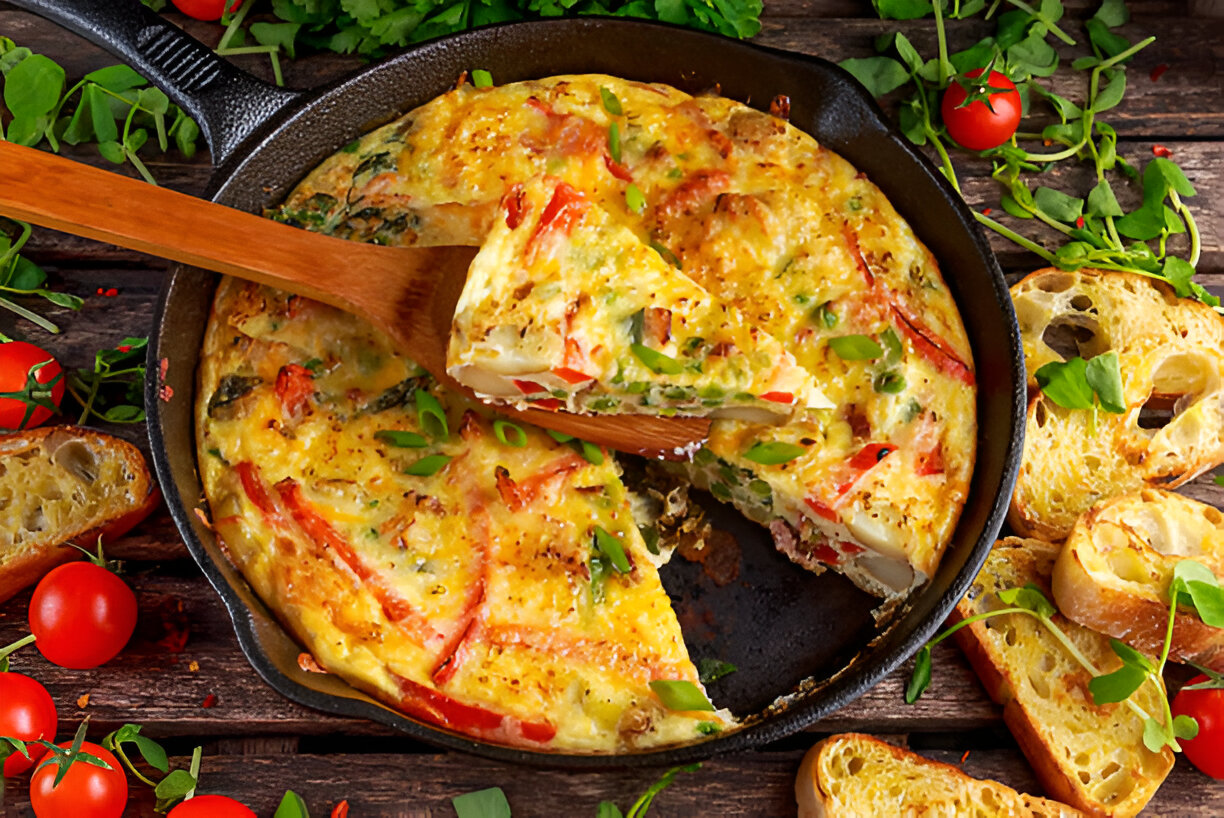
3. Baked Vegetable Frittata Recipe
3.1 Ingredients List
- Eggs: 8 large eggs
- Vegetables:
- 1 cup spinach, chopped
- 1 bell pepper, diced
- 1 zucchini, grated
- 1 onion, finely chopped
- 1 cup cherry tomatoes, halved
- 1 cup mushrooms, sliced
- Herbs:
- 1 teaspoon dried basil
- 1 teaspoon dried thyme
- Salt and pepper to taste
- Optional add-ins:
- 1 cup cheese (feta, mozzarella, or cheddar)
- 1 cup diced ham or cooked beans
- 1/2 teaspoon smoked paprika or chili flakes
3.2 Directions
- Preheat the oven: Preheat your oven to 375°F (190°C).
- Prepare the vegetables: In a skillet, heat a little olive oil over medium heat. Add the chopped onion and sauté until translucent. Add zucchini, bell pepper, and mushrooms; cook until softened. Finally, stir in the spinach and cook until wilted. Remove from heat.
- Whisk eggs and seasonings: In a large bowl, whisk together the eggs, dried herbs, salt, and pepper until well combined.
- Combine ingredients: Stir the sautéed vegetables and any optional add-ins (like cheese or meat) into the egg mixture until evenly coated.
- Transfer to the baking dish and bake: Pour the mixture into a greased baking dish or a cast-iron skillet. Spread evenly and bake for 25-30 minutes, or until the frittata is puffed and lightly golden.
- Finishing touches before serving: Once baked, let it cool for a few minutes before slicing. Serve warm or at room temperature and enjoy!
3.3 Tips for Perfect Frittata
- Cook veggies properly: Sauté your veggies until they lose moisture to prevent a soggy frittata.
- Monitor baking time: Check the frittata around the 20-minute mark to ensure it is baking evenly.
- Adjust for your oven: Every oven is different; you may need to make minor adjustments to your baking time based on your own appliance.
4. Variations of Baked Vegetable Frittata
4.1 Different Vegetable Combinations
Seasonal variations of your frittata can offer new flavors and nutrition. Here are some ideas:
- Spring: Asparagus, peas, and fresh herbs.
- Summer: Corn, zucchini, and fresh tomatoes.
- Fall: Sweet potatoes, kale, and roasted red peppers.
- Winter: Root vegetables like carrots and parsnips paired with winter greens.
4.2 International Frittata Recipes
Explore different cuisines by adding unique ingredients:
- Mediterranean: Incorporate feta cheese and olives for a tangy flavor.
- Mexican: Add jalapeños, black beans, and cheddar cheese for a spicy kick.
4.3 Dietary-Specific Variations
- Gluten-free: All ingredients naturally fit a gluten-free diet.
- Dairy-free: Utilize plant-based cheese alternatives to achieve a creamy texture.
5. Serving Suggestions
5.1 Ideal Pairings
A frittata can be served in various meal contexts, and its versatility extends to side dishes:
- For breakfast, pair with fresh fruit and a side of whole-grain toast.
- For lunch, accompany with a light salad and a vinaigrette dressing.
- For dinner, serve alongside roasted vegetables or a grain such as quinoa or brown rice.
5.2 Storage Tips
To preserve the freshness of your frittata:
- Store leftovers in an airtight container in the refrigerator for up to 5 days.
- For longer storage, freeze individual portions wrapped in plastic wrap and foil for up to 3 months.
5.3 Meal Prep Ideas
Frittatas are perfect for meal prepping:
- Batch-cook your frittata on Sundays to enjoy throughout the week.
- Consider portioning slices into individual containers for grab-and-go breakfasts.
- Thaw frozen slices overnight in the refrigerator for a quick morning option.
6. FAQs
6.1 How long does a baked vegetable frittata last?
A baked vegetable frittata can be stored in the refrigerator for about 4 to 5 days when kept in an airtight container.
6.2 Can I freeze a frittata?
Yes, frittatas can be frozen. To do this, cool the frittata completely, then cut it into slices and wrap them individually before placing them in a freezer-safe bag or container.
6.3 What’s the difference between a frittata and an omelet?
The main difference is that a frittata is cooked slowly and served flat, often with a variety of fillings mixed in, while an omelet is cooked quickly and typically folded over the filling.
6.4 What is the best way to cut and serve a frittata?
Use a sharp knife to cut the frittata into wedges or squares. Serve warm or at room temperature on a platter or individual plates.
6.5 Can you make frittatas ahead of time?
Absolutely! Frittatas can be cooked in advance and stored in the refrigerator or freezer, making them a convenient option for quick meals.
Conclusion
Frittatas offer a delicious and nutritious way to enjoy eggs and vegetables, making them ideal for any meal of the day. Their customizable nature ensures that they cater to various palates and dietary needs. Whether you opt for a classic recipe or experiment with new ingredients, the frittata is a versatile dish worth adding to your culinary repertoire.
Baked Vegetable Frittata
Equipment
- 1 oven-safe skillet or baking dish (9-inch)
- 1 whisk
- 1 mixing bowl
- 1 cutting board
- 1 measuring cups and spoons
Ingredients
- 8 large eggs
- 1 cup milk whole or 2%
- 1 cup bell peppers diced
- 1 cup zucchini diced
- 1 cup spinach chopped
- 1 small onion diced
- 1 cup shredded cheese cheddar, feta, or mozzarella
- 1 teaspoon salt
- 1/2 teaspoon black pepper
- 1 tablespoon olive oil
- 1 teaspoon dried oregano optional
- to taste none fresh parsley for garnish, optional
Instructions
- Preheat the oven to 375°F (190°C).
- In a large mixing bowl, whisk together the eggs and milk until well combined. Add salt, pepper, and dried oregano (if using) to the mixture. Set aside.
- Heat olive oil in an oven-safe skillet over medium heat. Add the diced onion and cook for about 3-4 minutes until translucent.
- Stir in the diced bell peppers and zucchini. Cook for an additional 5-6 minutes, stirring occasionally, until the vegetables are tender.
- Add the chopped spinach to the skillet and cook for another 1-2 minutes until wilted.
- Pour the egg mixture over the sautéed vegetables, ensuring an even distribution. Sprinkle the shredded cheese on top.
- Transfer the skillet to the preheated oven and bake for 20-25 minutes, or until the frittata is set and lightly golden on top.
- Remove from the oven and let it cool for a few minutes. Cut into wedges and serve warm, garnished with fresh parsley if desired.


