Here are some SEO title options for your article on “Omelette,” each under 50 characters: 1. Delicious Omelette Recipes and Cooking Techniques 2. Mastering the Perfect Omelette: A Comprehensive Guide 3. Explore the World of Omelettes: Types and Recipes 4. Omelette Varieties: Recipes, History, and Tips 5. The Ultimate Guide to Making Perfect Omelettes Feel free to choose any of these titles or modify them according to your preference!
Omelettes are a beloved dish around the world, enjoyed for their simplicity, versatility, and deliciousness. Primarily made from beaten eggs, omelettes can be enhanced with a variety of fillings and flavors, making them suitable for any meal of the day—from breakfast to dinner. Their adaptable nature allows for an endless array of combinations, whether you’re craving something savory with cheese and vegetables or a sweet option featuring fruits and herbs. Beyond their culinary appeal, omelettes also hold a special place in various cultural cuisines, reflecting regional ingredients and cooking techniques that might surprise you.
As a staple in kitchens globally, omelettes can be tailored to fit personal tastes and dietary preferences, offering both comfort and nutrition. From the classic French style to unique local adaptations, this egg-based dish encourages creativity and experimentation. Whether you’re an experienced chef or a novice looking to perfect your cooking skills, understanding the nuances of omelette preparation can elevate your culinary repertoire. Join us on a journey to explore the history, varieties, nutritional value, and preparation methods of this delightful dish, and discover how omelettes can become a regular feature in your meal planning.

History of Omelettes
Omelettes have a rich history that dates back to ancient times, with references found in various cultures. The earliest known mention of cooked eggs resembling omelettes can be traced to ancient Greece, where they were prepared by whisking eggs and frying them in olive oil. The dish evolved significantly during the Middle Ages, especially in France, where the term “omelette” was first recorded in the 16th century. French cuisine refined the dish, emphasizing technique and presentation, leading to the delicate French omelette that we enjoy today.
Throughout history, omelettes have been adapted across cultures, reflecting local ingredients and tastes. For instance, in Spain, the Spanish tortilla made its debut, utilizing potatoes and onions for added heartiness. Likewise, in Japan, the tamago omelette is characterized by its sweet flavor profile and intricate folding technique, showcasing the skill of the chef. From the Mediterranean to Asia, each region has contributed its unique twist to this versatile dish, making it a global favorite.
As omelettes spread worldwide, different variations arose, incorporating diverse ingredients such as vegetables, meats, and cheeses. Many cultures have embraced the omelette as a breakfast staple, while others have made it a cornerstone of lunch or dinner menus. This dish’s flexibility has allowed it to thrive through centuries, evolving from simple cooked eggs to a beloved culinary masterpiece enjoyed by people of all ages.
Types of Omelettes
The world of omelettes is vast and varied, with numerous styles reflecting different culinary traditions. Here are some of the most popular types of omelettes:
- French Omelette: Known for its smooth, creamy texture, the French omelette is prepared using finely beaten eggs cooked over low heat. The key to its success lies in the technique, where eggs are stirred gently in the pan, resulting in a soft, custard-like consistency. Common fillings include fresh herbs, cheese, and sautéed mushrooms.
- Spanish Tortilla: This dish distinguishes itself from traditional omelettes by incorporating potatoes and onions. The Spanish tortilla is thick and resembles a frittata more than a classic omelette. Cooked slowly in olive oil, it is often served in wedges, making it a popular tapas item.
- Frittata: An Italian favorite, frittatas differ from omelettes in that they are cooked slowly and are usually finished in the oven. This style includes a variety of ingredients mixed into the eggs before cooking, such as vegetables, meats, and cheeses, making it heartier and more substantial.
- Japanese Tamago (Egg) Omelette: Characterized by its sweet taste and layered texture, the tamago omelette involves a meticulous cooking technique that includes rolling the eggs multiple times in the pan. This dish is often served in sushi or as a side dish and highlights the precision and artistry of Japanese cuisine.
- Other Variants: Beyond these classics, there are many other delicious options to explore. Vegetable omelettes packed with fresh produce, cheese omelettes featuring savory and creamy combinations, and specialty regional omelettes that incorporate local flavors all contribute to the diverse world of omelettes.
Nutritional Value of Omelettes
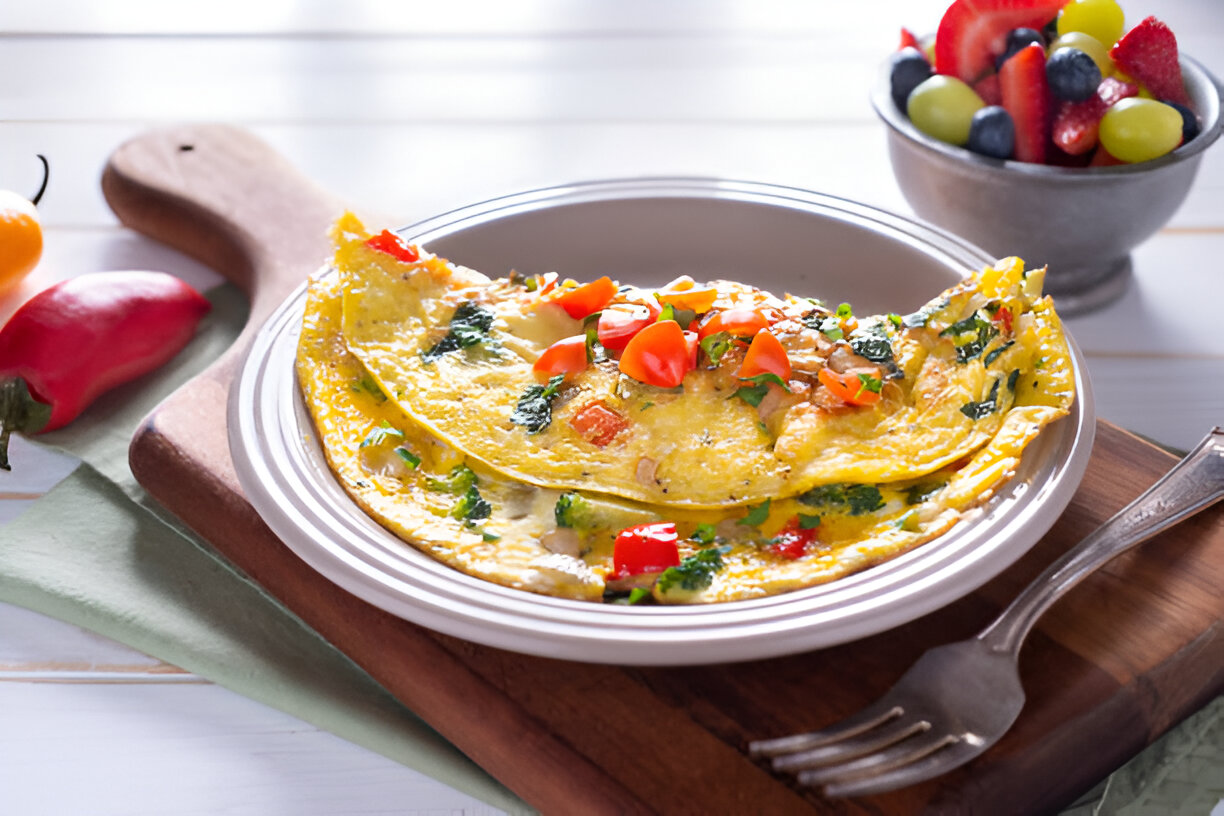
Omelettes are not only a delicious meal option but also pack a significant nutritional punch. The primary ingredient, eggs, are a powerhouse of nutrients, providing essential proteins, vitamins, and minerals. A typical two-egg omelette contains approximately 12 grams of protein, making it an excellent source of this macronutrient, which is essential for muscle repair and growth. Additionally, eggs are rich in vitamins such as B12, which supports energy metabolism, and vitamin D, important for bone health.
The fat content in omelettes largely depends on the cooking method and any added ingredients. While eggs contribute healthy fats, the incorporation of oils or butter can increase overall fat content. However, the fats found in eggs are primarily unsaturated fats, which are beneficial for heart health. Moreover, by adding a variety of fillings such as vegetables, cheese, or meats, one can enhance the nutritional profile of an omelette. Vegetables contribute fiber, antioxidants, and additional vitamins, while cheese offers calcium and extra protein.
Health-wise, omelettes can be an integral part of a balanced diet. They are low in carbohydrates, making them suitable for low-carb diets. For those looking to increase their vegetable intake, veggie-packed omelettes can provide a delicious way to achieve this goal. Moreover, by choosing wholesome fillings, such as leafy greens and lean meats, you can create a nutritious meal that supports overall health and well-being.
Detailed Recipe Section for Classic Omelette
Ingredients
- 2 large eggs
- Salt and pepper to taste
- 1 tablespoon butter or oil
- Optional fillings (chopped vegetables, cheese, herbs, etc.)
Directions
1. Preparation Steps: Begin by cracking the eggs into a bowl. Whisk them thoroughly with a pinch of salt and pepper until the yolks and whites are well combined, creating a light and airy mix.
2. Cooking Process: Heat a non-stick skillet over medium heat and add the butter or oil. Once the butter is melted and starts to foam (but not brown), pour in the beaten eggs. Allow the eggs to cook undisturbed for a minute, gently pulling the edges away from the pan with a spatula, letting the uncooked eggs flow to the edges.
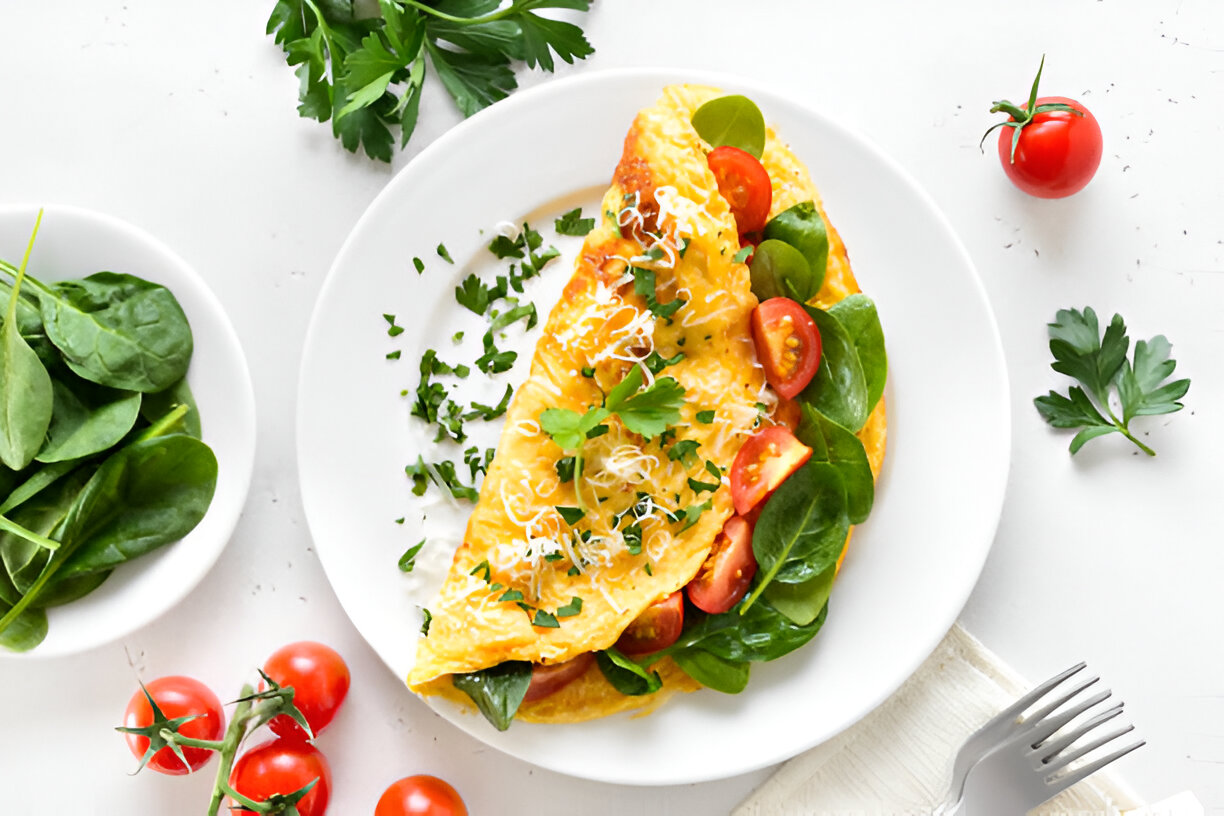
3. Finishing Touch: When the omelette is still slightly undercooked on the top but set on the bottom, add your desired fillings to one half of the omelette. Using the spatula, fold the other half over the fillings. Cook for an additional minute until the cheese melts (if using) and the center is cooked to your liking. Slide the omelette onto a plate and serve immediately for the best taste.
Expert Advice
To achieve the fluffiest omelette, consider whisking the eggs with a splash of water or milk; this can create steam while cooking, resulting in a light and airy texture. Experiment with fillings; fresh herbs, sautéed onions, or creamy cheeses can elevate your omelette to a new level of flavor. Avoid overcooking the omelette, as it can become rubbery; the residual heat will finish the cooking process. Finally, remember that practice makes perfect—don’t be afraid to make a few attempts to get your desired omelette style!
Cooking Techniques for Perfect Omelettes
Creating the perfect omelette is as much about technique as it is about ingredients. Here are some essential tips to master the craft of omelette-making:
- Whipping the Eggs: The key to a fluffy omelette starts with properly aerating the eggs during whisking. Aim for a uniform mixing that incorporates air, leading to a light texture once cooked.
- Choosing the Right Pan: A non-stick pan is ideal for omelette cooking, as it prevents sticking and allows for easy flipping. If using cast iron, ensure it is well-seasoned to minimize sticking.
- Temperature Control: Cooking your omelette over medium-low heat ensures gentle cooking, preventing the eggs from toughening while allowing for even cooking throughout.
- Folding Techniques: When folding your omelette, use a spatula to carefully lift one side over the other. For a classic French presentation, try rolling the omelette gently to achieve a beautifully shaped result.
Omelettes Around the World
Omelettes have a global appeal, embodying the culinary traditions of many cultures. In France, they are considered an elegant dish often served for breakfast or dinner. In contrast, Spanish tortillas serve as a hearty and satisfying staple across Spain, showcasing culinary creativity with the use of potatoes and onions.
Asian interpretations, such as the Japanese tamago, highlight the precision involved in preparation and the dish’s significance in sushi bars as well as everyday meals. Across different cultures, variations have emerged that celebrate local ingredients and flavors, reaffirming the omelette’s status as a beloved dish on tables worldwide.
FAQs about Omelettes
- What is the best way to season an omelette? Seasoning begins with the eggs. Adding salt and pepper to the eggs before cooking enhances their natural flavor. You can also incorporate fresh herbs or spices into the filling for added taste.
- How can I make my omelette fluffier? Whisk the eggs thoroughly to incorporate air, and consider adding a splash of milk or water before cooking. Cooking over low heat will also help maintain moisture while preventing overcooking.
- Can I make an omelette ahead of time? While omelettes are best enjoyed fresh, you can prepare ingredients in advance and store them separately. When ready, assemble and cook quickly to retain the fresh taste and texture.
- What are some creative fillings for omelettes? Try mixing and matching with ingredients like sautéed spinach, feta cheese, smoked salmon, or roasted seasonal vegetables for a unique twist on the classic omelette.
Conclusion
Omelettes offer incredible versatility, allowing you to express your culinary creativity with a myriad of fillings and preparation techniques. From classic French omelettes to heartier variations like Spanish tortillas, this dish is a delightful canvas for flavors. Incorporating omelettes into your meal planning not only supports a balanced diet but also encourages experimentation in the kitchen. So grab your pan and start whipping up these egg-based wonders!
Omelette
Equipment
- 1 mixing bowl
- 1 whisk or fork
- 1 non-stick frying pan
- 1 spatula
- 1 measuring spoon
Ingredients
- 4 large eggs
- 2 tablespoons milk
- to taste salt
- to taste pepper
- 2 tablespoons butter or oil
- 1/2 cup shredded cheese cheddar, mozzarella, or your choice
- 1/2 cup diced vegetables bell peppers, onions, spinach, mushrooms, etc.
- optional herbs like parsley or chives for garnish
Instructions
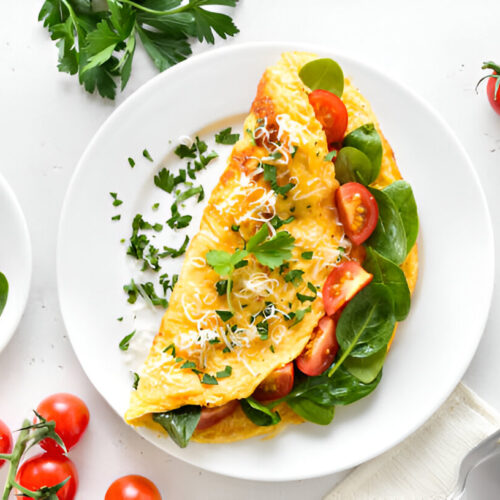
- In a mixing bowl, crack the eggs and add the milk, salt, and pepper. Whisk until well combined and frothy.
- Heat the non-stick frying pan over medium heat and add the butter or oil. Allow it to melt and coat the pan evenly.
- Pour in the egg mixture, tilting the pan gently to spread the eggs evenly.
- Once the edges begin to set (about 1-2 minutes), use a spatula to gently lift the edges while tilting the pan to let the uncooked egg flow to the edges.
- When the eggs are mostly cooked but still slightly runny on top, add the cheese and diced vegetables evenly over one half of the omelette.
- Carefully fold the omelette in half using the spatula, covering the fillings. Cook for an additional minute or until the cheese is melted and the omelette is fully cooked.
- Slide the omelette onto a plate, garnish with herbs if desired, and serve hot.