Ultimate Guide to Cheesy Enchiladas: Recipes & Tips
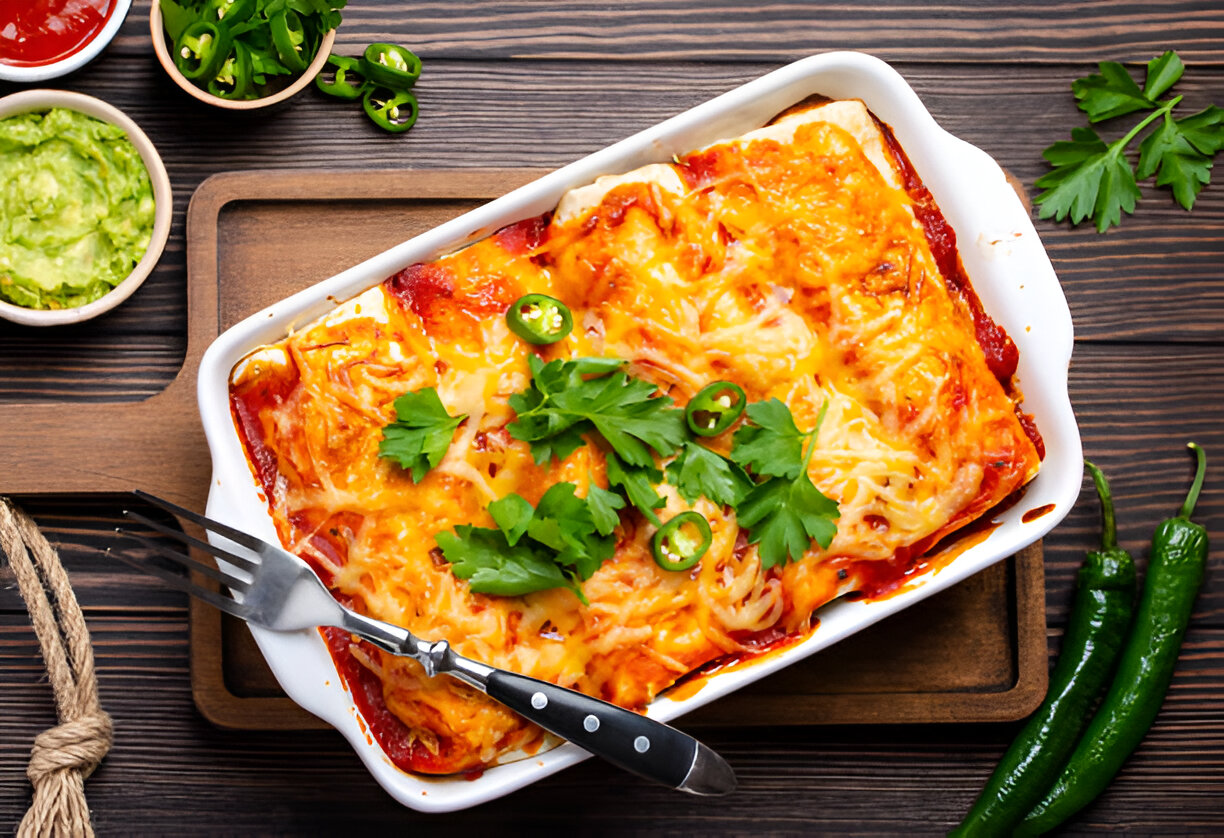
Cheesy enchiladas are a beloved staple of Mexican cuisine, renowned for their delightful combination of flavors and textures. These savory rolled tortillas, generously filled with cheese and often accompanied by a rich sauce, embody the essence of comfort food while offering a diverse range of possibilities to suit any palate. With roots deeply embedded in traditional Mexican recipes, cheesy enchiladas have captured the hearts of food lovers around the world, making them a popular choice at both casual gatherings and festive celebrations.
In Mexican cuisine, enchiladas serve not just as a dish but as a cultural symbol, showcasing the culinary creativity and regional variations found throughout the country. From street vendors to high-end restaurants, these cheesy creations are a testament to the versatility and richness of Mexican flavors. They reflect family traditions and personal twists, making them a canvas for culinary innovation.
This article will explore the fascinating history of enchiladas, tracing their origins and evolution over time. We’ll discuss the key components that contribute to a great cheesy enchilada, delve into the essential ingredients like tortillas, cheese, and sauces, and provide a detailed recipe that readers can easily follow. Additionally, we’ll touch on popular variations and answer frequently asked questions about this delicious dish. Whether you’re a seasoned cook or a newcomer to the world of enchiladas, this comprehensive guide aims to inspire you to create your own cheesy enchiladas and enjoy the delightful flavors of this Mexican classic.
History of Enchiladas
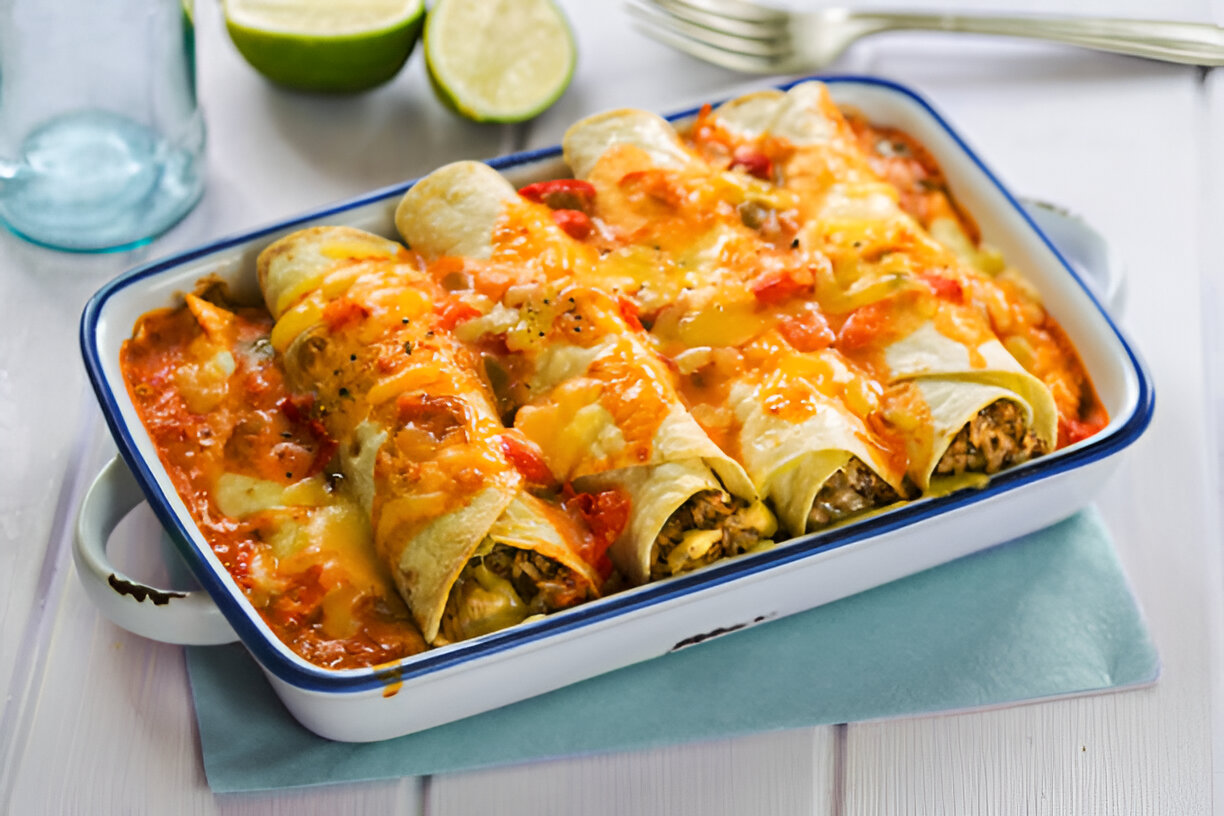
Enchiladas have a rich and storied past that dates back centuries in Mexican history. The origins of enchiladas can be traced to the Aztec civilization, where ancient peoples would fill corn tortillas with various ingredients and consume them as part of their daily meals. The early versions were quite different from the cheesy enchiladas we know today, often featuring ingredients such as fish, game, and vegetables. Over time, the culinary landscape of Mexico transformed, leading to the incorporation of dairy products and meats, which solidified the enchilada’s status as a beloved dish.
Traditionally, enchiladas were made using basic ingredients like corn tortillas, which were staple foods in the Mesoamerican diet. These tortillas were filled with either meats or vegetables, rolled up, and then smothered in a variety of sauces made from chiles and tomatillos. As Spanish colonization introduced new ingredients, such as cheese and different types of meats, the enchilada evolved significantly. Various regions of Mexico began to develop their own unique styles, incorporating local flavors and ingredients, resulting in the diverse enchilada varieties we enjoy today.
As enchiladas continued to evolve over the years, they became a hallmark of Mexican cuisine, enjoyed in homes and restaurants alike. The dish’s ability to adapt to different tastes and preferences has ensured its place in both traditional and contemporary Mexican culinary practices. Today, enchiladas embody not just comfort food but also the vibrant history and culture of Mexico, reflecting the rich tapestry of its culinary journey.
What Makes a Great Cheesy Enchilada?
The foundation of a great cheesy enchilada lies in its key ingredients: tortillas, cheese, and sauce. Each component plays a vital role in delivering the rich flavor and satisfying texture that enchiladas are known for. The choice of tortilla is crucial; corn tortillas are traditionally preferred for their authentic taste and ability to soak up sauces without falling apart, while flour tortillas offer a softer alternative that some may enjoy.
Cheese is the star of cheesy enchiladas, with popular choices including Chihuahua, Cotija, and Queso Fresco, each contributing its unique creaminess and flavor. The sauce is equally important, as it enhances the overall taste and richness of the dish. Whether opting for a tangy red sauce, a vibrant green tomatillo sauce, or an indulgent mole, the right sauce can elevate your enchiladas to new heights.
Variations are abundant, catering to different dietary preferences. Vegetarian enchiladas might star roasted vegetables or beans, whereas meat options can include chicken, beef, or pork, each bringing its distinct flavor profile. Seafood enchiladas, featuring shrimp or fish, offer a refreshing twist on this classic dish. Ultimately, the combination of quality ingredients and personal innovation defines what makes a great cheesy enchilada, allowing everyone to enjoy this Mexican favorite in their own way.
A Closer Look at Ingredients
To create the perfect cheesy enchiladas, understanding the essential ingredients is crucial. Each component significantly influences the overall flavor and texture of the dish, providing a tapestry of tastes that can cater to individual preferences.
Tortillas
Tortillas are the backbone of any enchilada. The two primary types—corn and flour—each bring distinct characteristics to the dish. Corn tortillas, with their earthy flavor and natural ability to absorb sauces, are the traditional choice for enchiladas. They are robust, allowing for soaking without disintegration. On the other hand, flour tortillas are softer and might appeal to those preferring a milder taste. When choosing the best tortilla for your cheesy enchiladas, consider the desired texture and flavor profile, ensuring that it complements the fillings and sauces.
Cheese
Cheese plays a pivotal role in the creation of cheesy enchiladas, adding richness and creaminess to each bite. Popular cheese options include Chihuahua, a semi-soft cheese with a mild flavor, Cotija, a crumbly cheese with a salty kick, and Queso Fresco, known for its fresh and delicate taste. The choice of cheese can significantly enhance the overall flavor, so select one that aligns with your taste preferences. Layering the cheese within the enchiladas and atop the dish before baking can also optimize the delicious gooeyness.
Sauces
The sauce is another critical element in making delectable cheesy enchiladas. There are several types of enchilada sauces to choose from, each bringing a unique flavor. Red sauce, made from dried red chiles, offers a rich, smoky taste, while green sauce, or tomatillo sauce, provides a zesty, fresh flavor profile. Mole sauce, with its chocolate-infused spices, adds depth and complexity. Each type of sauce can elevate cheesy enchiladas, so consider experimenting with homemade options versus store-bought varieties to find your ideal balance of flavors.
Detailed Recipe for Cheesy Enchiladas
Ingredients
- 8 corn or flour tortillas
- 2 cups shredded cheese (Chihuahua, Cotija, or Queso Fresco)
- 2 cups enchilada sauce (red, green, or mole)
- 1 cup fillings (shredded chicken, beef, beans, or vegetables)
- Optional garnishes: sour cream, cilantro, diced onions, or avocado
Directions
- Preparation of ingredients: Start by softening the tortillas. Heat them individually on a skillet until they become pliable, about 30 seconds on each side. This step prevents the tortillas from cracking when rolled. Prepare your desired filling by cooking and shredding meats or sautéing vegetables until tender.
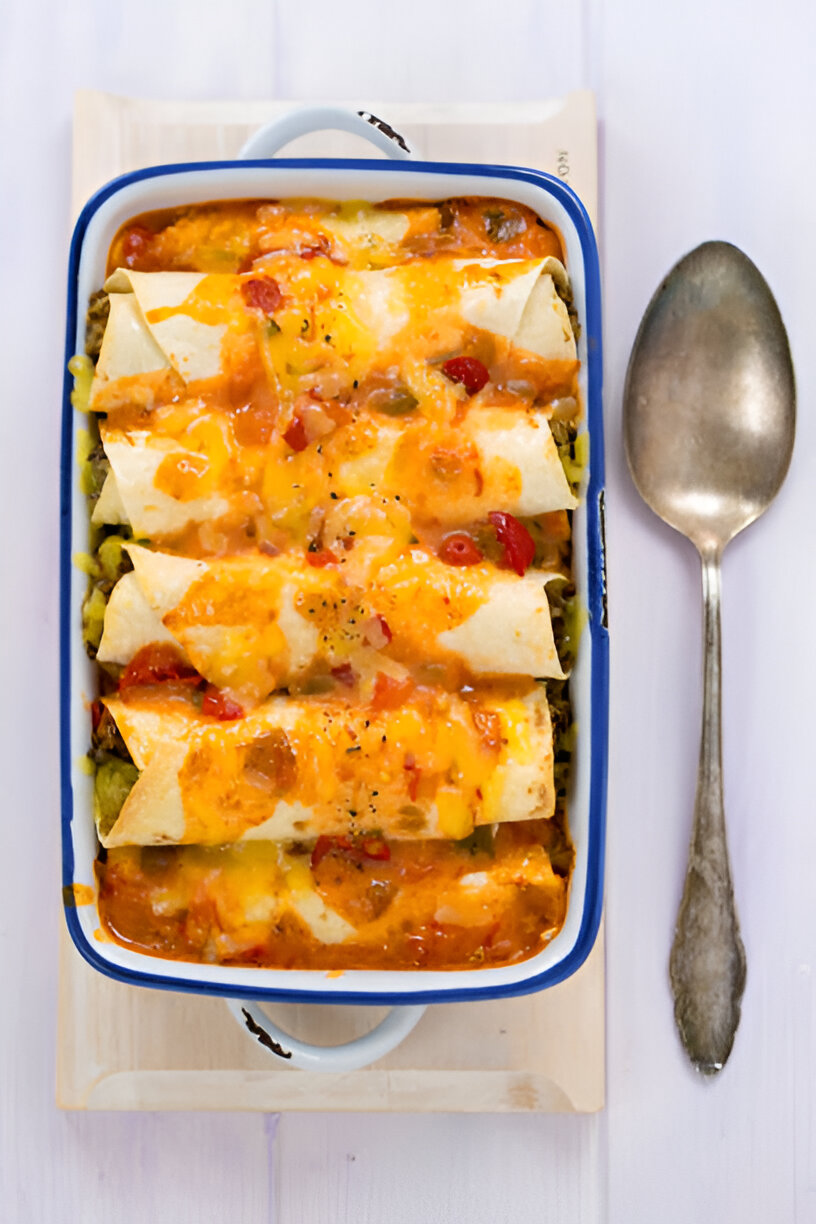
- Assembling enchiladas: Take a softened tortilla and place a generous amount of filling in the center. Sprinkle a bit of shredded cheese over the filling. Roll the tortilla tightly, starting from one end, and place it seam-side down in a greased baking dish. Repeat with the remaining tortillas.
- Layering cheese and sauce: Once all the tortillas are rolled and in the baking dish, pour the enchilada sauce evenly over the top. Then, sprinkle the remaining cheese generously over the sauce for a delicious, gooey finish.
- Baking instructions: Preheat the oven to 375°F (190°C). Bake the enchiladas for 20-25 minutes, or until the cheese is bubbly and slightly golden. Keep an eye on them to prevent over-browning.
- Final touches: Once baked, let the enchiladas cool for a few minutes before serving. Garnish with fresh cilantro, a dollop of sour cream, and any other desired toppings for added flavor.
Tips and Advice
To store leftover enchiladas, allow them to cool completely before placing them in an airtight container. They can be refrigerated for up to three days or frozen for up to three months. When reheating, add a bit of extra sauce to keep them moist. For those with dietary needs, consider gluten-free tortillas or dairy-free cheese options that can still create a delightful enchilada experience.
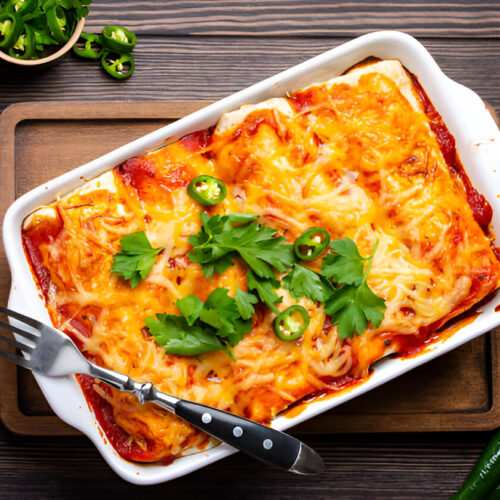
cheesy enchiladas
Equipment
- 1 oven
- 1 baking dish (9x13 inches)
- 1 large skillet
- 1 mixing bowl
- 1 whisk
- 1 wooden spoon
- 1 aluminum foil
Ingredients
- 8 pieces corn tortillas
- 2 cups shredded cheese cheddar or Monterey Jack
- 1 can enchilada sauce 15 oz
- 1 cup cooked chicken shredded (optional)
- 1 small onion chopped
- 1 tablespoon olive oil
- 1 teaspoon ground cumin
- 1 teaspoon garlic powder
- to taste salt
- to taste pepper
- as needed fresh cilantro for garnish (optional)
Instructions
- Preheat the oven to 350°F (175°C).
- In a large skillet, heat the olive oil over medium heat. Add the chopped onion and sauté until soft, about 5 minutes.
- Add the shredded chicken (if using), ground cumin, garlic powder, salt, and pepper to the skillet. Stir to combine and cook for another 2-3 minutes.
- In a mixing bowl, combine 1 cup of shredded cheese with the cooked chicken and onion mixture.
- Warm the corn tortillas in the microwave for about 30 seconds to make them pliable.
- Spread a small amount of enchilada sauce at the bottom of the baking dish.
- Take one tortilla, fill it with about 2-3 tablespoons of the cheese mixture, roll it tightly, and place it seam-side down in the baking dish. Repeat with the remaining tortillas.
- Pour the remaining enchilada sauce over the rolled tortillas, ensuring they are well coated.
- Sprinkle the remaining 1 cup of shredded cheese on top of the enchiladas.
- Cover the baking dish with aluminum foil and bake for 20 minutes. Remove the foil and bake for an additional 5 minutes or until the cheese is bubbly and golden.
- Remove from the oven and let cool for a few minutes. Garnish with fresh cilantro if desired before serving.