Discover Turkey Bacon: Healthy Recipes and Nutritional Benefits
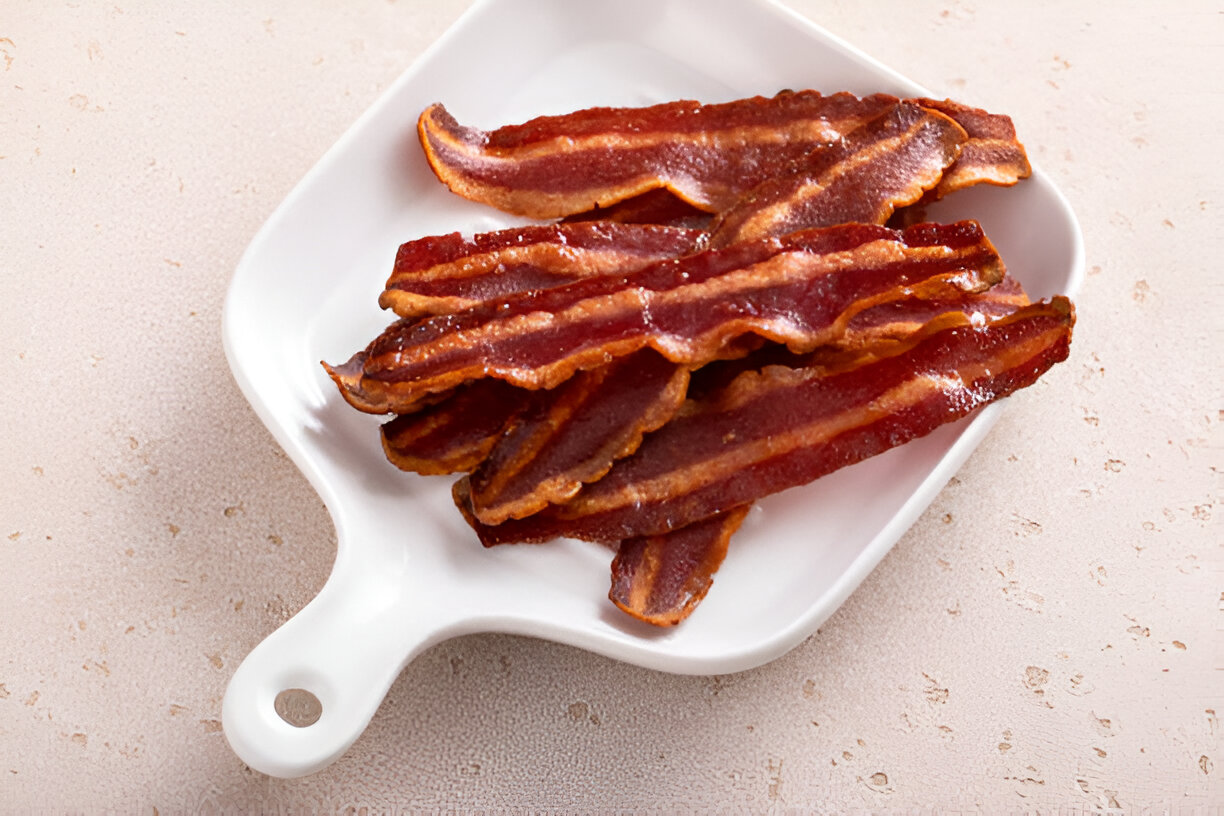
Turkey bacon is a popular alternative to traditional pork bacon, made primarily from chopped or ground turkey that is seasoned and formed into strips. Often marketed as a healthier choice, it has gained traction among consumers looking to reduce their fat and calorie intake while still enjoying the savory flavors associated with bacon. This delicious substitute provides an option for bacon lovers who seek a more health-conscious route without sacrificing taste.
The origins of turkey bacon can be traced back to the growing demand for alternative proteins in the late 20th century, as consumers became increasingly aware of health issues associated with higher fat meats. As a result, turkey bacon has seen a rise in popularity over the years, finding its way into breakfast plates, sandwiches, and salads across various demographics. This evolution has positioned turkey bacon not only as a diet-friendly option but also as a versatile ingredient that can enhance a variety of dishes.
Nutritionally, turkey bacon offers some distinct advantages over its pork counterpart. While traditional bacon is typically high in saturated fats and calories, turkey bacon tends to be lower in both, making it an appealing choice for those monitoring their dietary habits. It retains a similar protein profile, allowing individuals to enjoy the savory experience of bacon without the guilt often associated with consuming pork products. In this article, we will explore turkey bacon in greater detail, shedding light on its nutritional profile, cooking methods, recipes, and health considerations.

1. Introduction to Turkey Bacon
Turkey bacon is a popular alternative to traditional pork bacon, made primarily from chopped or ground turkey that is seasoned and formed into strips. Often marketed as a healthier choice, it has gained traction among consumers looking to reduce their fat and calorie intake while still enjoying the savory flavors associated with bacon. This delicious substitute provides an option for bacon lovers who seek a more health-conscious route without sacrificing taste.
The origins of turkey bacon can be traced back to the growing demand for alternative proteins in the late 20th century, as consumers became increasingly aware of health issues associated with higher fat meats. As a result, turkey bacon has seen a rise in popularity over the years, finding its way into breakfast plates, sandwiches, and salads across various demographics. This evolution has positioned turkey bacon not only as a diet-friendly option but also as a versatile ingredient that can enhance a variety of dishes.
Nutritionally, turkey bacon offers some distinct advantages over its pork counterpart. While traditional bacon is typically high in saturated fats and calories, turkey bacon tends to be lower in both, making it an appealing choice for those monitoring their dietary habits. It retains a similar protein profile, allowing individuals to enjoy the savory experience of bacon without the guilt often associated with consuming pork products. In this article, we will explore turkey bacon in greater detail, shedding light on its nutritional profile, cooking methods, recipes, and health considerations.
2. The Nutritional Profile of Turkey Bacon
The nutritional profile of turkey bacon is often highlighted as one of its biggest selling points. Unlike traditional pork bacon, which is frequently high in fat and calories, turkey bacon offers a lighter option that many find appealing.
2.1. Calories and Macronutrients
- Protein Content: Turkey bacon is rich in protein, providing a similar amount to pork bacon, which helps support muscle growth and repair.
- Fat Content: Turkey bacon typically contains less fat compared to its pork counterpart. It is lower in saturated fats, making it a better choice for those looking to manage their cholesterol levels.
- Carbohydrates: Generally, turkey bacon is low in carbohydrates, making it a suitable option for low-carb diets.
2.2. Vitamins and Minerals
- Essential Vitamins: Turkey bacon contains important B vitamins, like niacin and B6, which play a role in energy production and overall health.
- Mineral Content: It also offers essential minerals such as iron and zinc, which contribute to immune function and overall well-being.
2.3. Comparison with Pork Bacon
When comparing turkey bacon to traditional pork bacon, several health benefits emerge:
- Health Benefits: The lower fat content of turkey bacon can contribute to healthier dietary choices, particularly for those managing weight.
- Caloric Differences: Turkey bacon typically contains fewer calories, allowing for portion flexibility in various meals.
- Sodium and Preservatives: While some turkey bacon products may still contain high sodium levels, many brands offer reduced-sodium options that cater to health-conscious consumers.

3. Types of Turkey Bacon
Turkey bacon comes in several varieties, each with unique characteristics that appeal to different tastes and dietary preferences. Understanding the different types available can help consumers make informed choices based on their culinary needs.
3.1. Processed vs. Natural Turkey Bacon
Processed turkey bacon is made from turkey meat that has been ground and seasoned, often with various additives to enhance flavor and texture. On the other hand, natural turkey bacon uses whole pieces of turkey meat, which may provide a more authentic taste and texture. Consumers seeking minimally processed options may prefer natural turkey bacon, while those looking for convenience and flavor may opt for processed varieties.
3.2. Flavored Turkey Bacon
Flavored turkey bacon adds a twist to the traditional taste, appealing to those who enjoy experimenting with different flavors. Varieties such as maple, applewood, and hickory-smoked turkey bacon can add a unique dimension to dishes. These flavored options can enhance meals, catering to various palate preferences.
3.3. Smoked vs. Unsalted Options
Smoked turkey bacon undergoes a process that infuses it with a smoky flavor, making it a popular choice for those who enjoy a rich, savory taste. Unsalted turkey bacon is available for individuals looking to reduce their sodium intake, making it a heart-healthy alternative. Understanding the differences between smoked and unsalted options enables consumers to choose products that align with their dietary goals.
4. How to Cook Turkey Bacon
Cooking turkey bacon can be done using various methods, each offering a unique texture and flavor. Whether you prefer fried, baked, or microwaved turkey bacon, these techniques will ensure tasty results.
4.1. Cooking Methods
Pan-Frying: Step-by-step
- Heat a skillet over medium heat.
- Add turkey bacon strips, ensuring they are not overlapping.
- Cook for 5-7 minutes, flipping halfway through, until crispy.
- Remove and drain on paper towels before serving.
Baking: Step-by-step
- Preheat the oven to 400°F (200°C).
- Line a baking sheet with parchment paper and arrange strips in a single layer.
- Bake for 15-20 minutes until desired crispiness.
- Remove and let cool slightly before serving.
Microwaving: Step-by-step
- Place turkey bacon strips on a microwave-safe plate lined with paper towels.
- Cover with another paper towel to prevent splattering.
- Microwave on high for 4-6 minutes, checking until crispy.
- Let it sit for a minute before serving.
4.2. Cooking Tips
- Achieving the Right Crispy Texture: For optimal crispiness, avoid overcrowding the pan or baking sheet.
- Avoiding Over-Cooking: Monitor closely, as turkey bacon can quickly go from cooked to burnt.
5. Turkey Bacon Recipes
5.1. Turkey Bacon Breakfast Sandwich
Ingredients:
- 2 slices of turkey bacon
- 1 egg
- 1 whole wheat English muffin
- Spinach or other greens
- Avocado (optional)
Directions:
- Cook turkey bacon until crispy.
- Fry the egg to personal preference.
- Toast the English muffin and assemble the sandwich.
Advice: Adding other vegetables like tomatoes or sliced peppers for nutritional boost.
5.2. Turkey Bacon-Wrapped Asparagus
Ingredients:
- 10 asparagus spears
- 5 slices of turkey bacon
Directions:
- Preheat oven to 400°F.
- Wrap each asparagus with half a slice of turkey bacon.
- Place on a baking sheet and roast for 15-20 minutes.
Advice: Drizzle with balsamic glaze for added flavor.
5.3. Turkey Bacon and Spinach Salad
Ingredients:
- 2 cups fresh spinach
- 3 slices cooked turkey bacon, crumbled
- 1/4 cup crumbled feta cheese
- Lemon vinaigrette
Directions:
- Combine all ingredients in a bowl.
- Drizzle with dressing and toss.
Advice: Substitute feta with goat cheese or omit for a dairy-free option.
6. Health Concerns and Considerations
6.1. Sodium and Preservatives
While turkey bacon can be a lower-fat alternative, some products may contain high levels of sodium and preservatives. It is essential for consumers to read labels carefully and opt for options with lower sodium content or without artificial preservatives to maintain health benefits.
6.2. Allergens and Dietary Restrictions
For those with gluten sensitivities, many brands offer gluten-free turkey bacon options. Additionally, kosher and halal considerations are essential for consumers following specific dietary restrictions.
6.3. Turkey Bacon vs. Other Alternatives
When considering alternatives to turkey bacon, it is essential to compare it with other products such as veggie bacon and other plant-based alternatives. While veggie bacon may be lower in fat, it can sometimes contain higher carbohydrate levels. Turkey bacon offers a balanced choice for those seeking protein coupled with reduced calories.
7. Frequently Asked Questions
7.1. Is turkey bacon healthier than pork bacon?
Yes, turkey bacon is generally considered healthier than pork bacon due to its lower fat and calorie content. It also contains less saturated fat, which can be beneficial for heart health.
7.2. How is turkey bacon made?
Turkey bacon is typically made from ground or chopped turkey meat, which is seasoned and formed into strips. It may undergo processing or be made from whole pieces of turkey meat, depending on the product.
7.3. Can turkey bacon be eaten raw?
Turkeys bacon should not be eaten raw, as it is typically sold uncooked. It must be fully cooked before consumption to ensure safety.
7.4. Does turkey bacon need to be cooked?
Yes, turkey bacon needs to be cooked before eating. Cooking not only improves the flavor and texture but also makes it safe to consume.
7.5. How can I store leftover turkey bacon?
Leftover cooked turkey bacon can be stored in an airtight container in the refrigerator for up to a week. For longer storage, it can be frozen and should be consumed within three months.
8. Conclusion
In summary, turkey bacon offers a flavorful alternative to traditional bacon while providing several nutritional benefits. Its versatility makes it a welcome ingredient in various dishes, encouraging individuals to explore creative cooking options while maintaining a health-conscious diet.
turkey bacon
Equipment
- 1 skillet or frying pan
- 1 spatula
- 1 small mixing bowl
- 1 toaster or oven
- 1 knife
- 1 cutting board
Ingredients
- 8 slices turkey bacon Use pre-cooked turkey bacon for quicker preparation.
- 4 large eggs Cook to your desired doneness.
- 4 whole wheat English muffins Toast until golden brown.
- 1 cup baby spinach Fresh spinach for topping.
- 1 medium tomato Sliced for topping.
- 4 slices avocado Optional, for topping.
- 1 tablespoon olive oil For cooking eggs.
- to taste salt
- to taste pepper
- optional hot sauce For serving, if desired.
Instructions
- Heat a skillet over medium heat. Add the turkey bacon and cook for 5-7 minutes, flipping occasionally until crispy. Remove from skillet and set aside.
- In the same skillet, add olive oil. Crack the eggs into a small mixing bowl and season with salt and pepper. Pour the eggs into the skillet and cook for 3-4 minutes or until the whites are set but the yolks are still runny.
- While the eggs are cooking, toast the English muffins until golden brown.
- To assemble the sandwiches, place a slice of cooked turkey bacon on the bottom half of each toasted muffin. Add a cooked egg on top of the bacon.
- Layer on fresh spinach, a slice of tomato, and avocado if desired. Top with the other half of the muffin.
- Serve immediately with hot sauce on the side if you like a little heat.
- Feel free to customize the toppings with cheese or other vegetables according to your preference.
- For a quicker option, use pre-cooked turkey bacon that only needs reheating.