
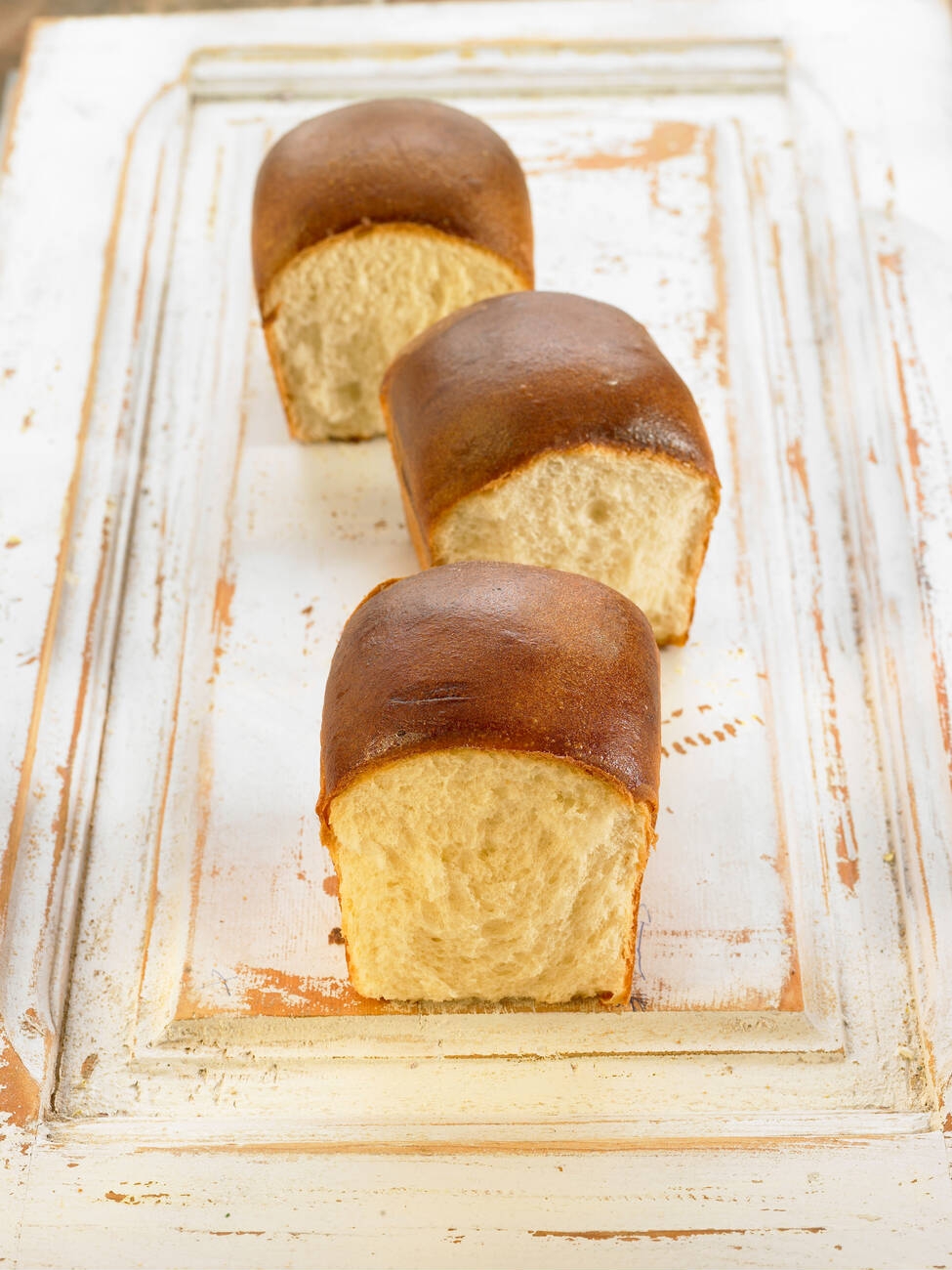
Delicious Sandwich Bread Recipes for Every Taste
Sandwich bread is a staple in many cuisines around the world, serving as the foundation for countless delicious meals. Whether it’s a classic grilled cheese, a hearty sub, or a simple PB&J, the type of bread used can dramatically influence the overall experience. With its varying textures and flavors, sandwich bread plays a vital role in enhancing the ingredients it encases, making each bite a delightful experience. Moreover, homemade bread elevates any sandwich, allowing for customization with fresh ingredients, unique flavor profiles, and better nutritional content.
In this article, we will explore a diverse collection of sandwich bread recipes that cater to a wide array of tastes and dietary needs. From the timeless classic white bread to nutritious whole wheat, tangy sourdough, and flavorful rye, we will cover various options that can suit any palate. Additionally, for those with specific dietary restrictions, gluten-free bread recipes will be included, ensuring that everyone can enjoy the comfort of a well-made sandwich. Whether you are an experienced baker or trying your hand at making bread for the first time, this guide aims to inspire creativity in your kitchen and bring joy to your sandwich-making experience.
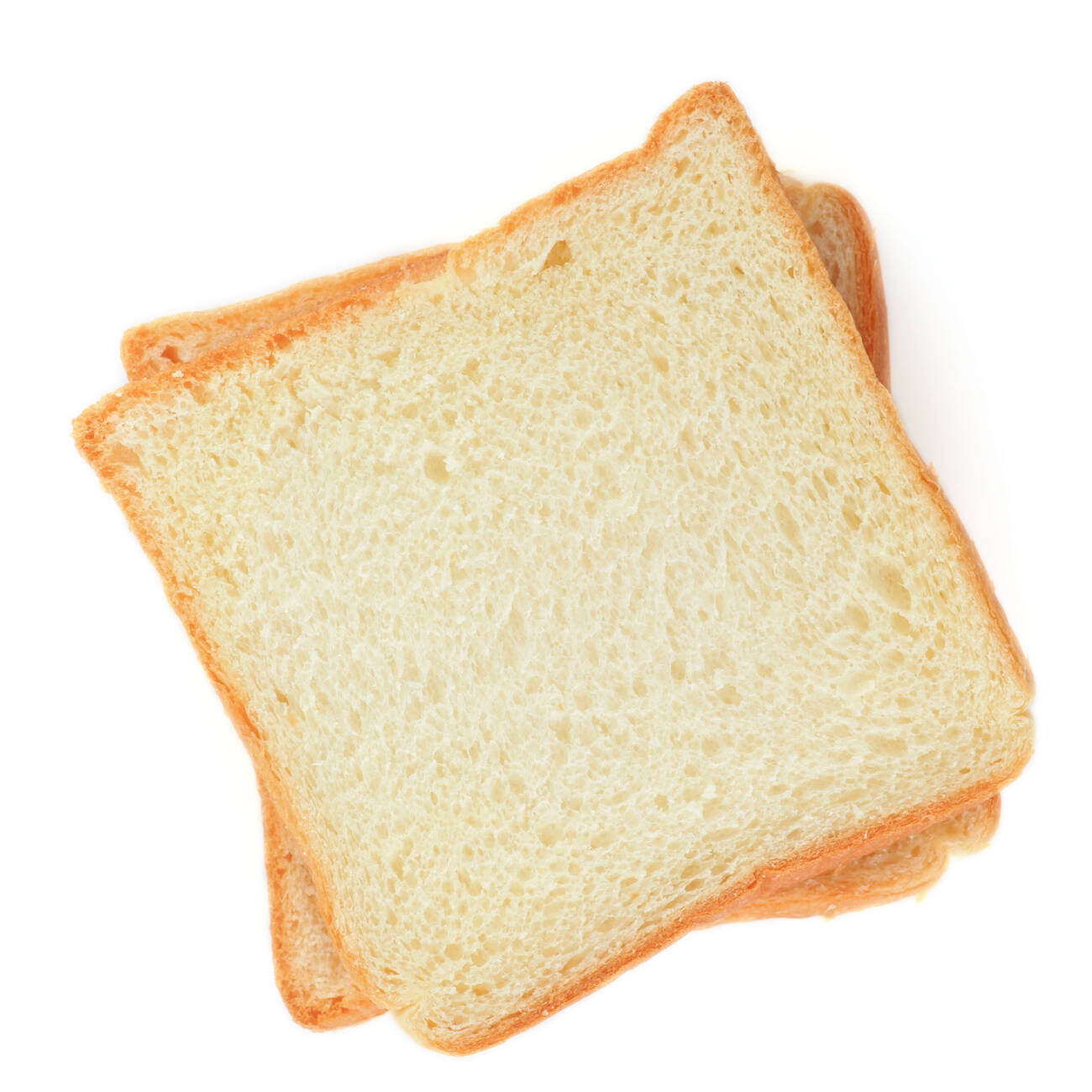
Types of Sandwich Bread
Sandwich bread comes in a variety of forms, each offering unique characteristics, flavors, and textures that can transform your meals. Understanding the different types can help in making an informed choice based on personal preference or dietary needs.
1. White Bread
White bread is perhaps the most common and widely recognized type of sandwich bread. It is characterized by its soft texture and mild flavor, making it a favorite for classic sandwiches such as grilled cheese or ham and cheese. It is made primarily from all-purpose flour, which contributes to its delicate crumb. While some may criticize it for lower nutritional content compared to whole grain options, it remains popular for its adaptability and comfort food appeal.
2. Whole Wheat Bread
Whole wheat bread is celebrated for its health benefits, including higher fiber content and essential nutrients. Made using whole grain flour, this bread has a denser texture and a nutty flavor profile. Whole wheat bread pairs well with hearty ingredients, making it an excellent choice for sandwiches loaded with vegetables, meats, or spreads. Many health-conscious individuals opt for this variety in a bid to enhance their diet while still enjoying delicious sandwiches.
3. Sourdough Bread
Sourdough bread has gained popularity for its unique taste and chewy texture, a result of the natural fermentation process involving wild yeast and bacteria. This bread boasts a tangy flavor that complements a variety of fillings. Sourdough can be used to create gourmet sandwiches, such as smoked salmon or artisanal cheese blends. Additionally, its crusty exterior and soft interior provide an appealing contrast, making every bite a delight.
4. Rye Bread
Rye bread is notable for its distinct flavors, often enhanced with caraway seeds. It usually has a denser texture compared to white or whole wheat bread. Rye’s robust taste pairs beautifully with strong flavors, making it an ideal choice for sandwiches with bold ingredients like pastrami or sharp cheeses. Additionally, rye bread is naturally lower in gluten, making it a preferred option for those seeking alternatives to traditional wheat-based breads.
5. Gluten-Free Bread
For those with dietary restrictions, gluten-free bread provides a delicious alternative that allows everyone to enjoy sandwiches. Made from a variety of flours such as almond, rice, or chickpea, gluten-free bread can offer diverse textures and flavors. While achieving the perfect consistency can be challenging, many recipes now provide options that rival traditional bread. Whether you prefer a dense loaf or a light bread, gluten-free recipes are essential for inclusive meal planning.
Basic Ingredients for Sandwich Bread
Understanding the fundamental ingredients that go into making sandwich bread is crucial for anyone looking to experiment in the kitchen. While the specific ingredients may vary depending on the type of bread you’re preparing, here is a breakdown of the basics.
Flours
- All-purpose flour: A versatile flour suitable for most bread types.
- Whole wheat flour: Adds fiber and nutrients but requires careful handling to develop gluten.
- Rye flour: Provides a unique flavor but can create denser loaves.
- Gluten-free options: Various blends can be used for those with gluten sensitivities.
Liquids
Liquids play a pivotal role in activating yeast and hydrating flour. Common choices include:
- Water: The primary liquid in most bread recipes.
- Milk: Offers a richer flavor and tender texture.
- Eggs: Improve structure and moisture.
- Non-dairy alternatives: Such as almond or oat milk for vegan bread.
Leavening Agents
- Yeast: The most common leavening agent, with options like instant or active dry yeast.
- Baking powder: Can be used for quick breads, though not traditional sandwich bread.
Sweeteners
Sweeteners not only enhance flavor but also aid in browning during baking. Choices include:
- Sugar: Granulated sugar is the most common.
- Honey: Adds moisture and a unique taste.
- Other alternatives: Maple syrup, agave, or coconut sugar may also be used.
Fats
Fats add richness and improve texture. Options include:
- Butter: A classic choice for flavor.
- Olive oil: A healthier option that adds moisture.
- Vegan substitutes: Such as coconut oil or vegetable shortening for plant-based recipes.
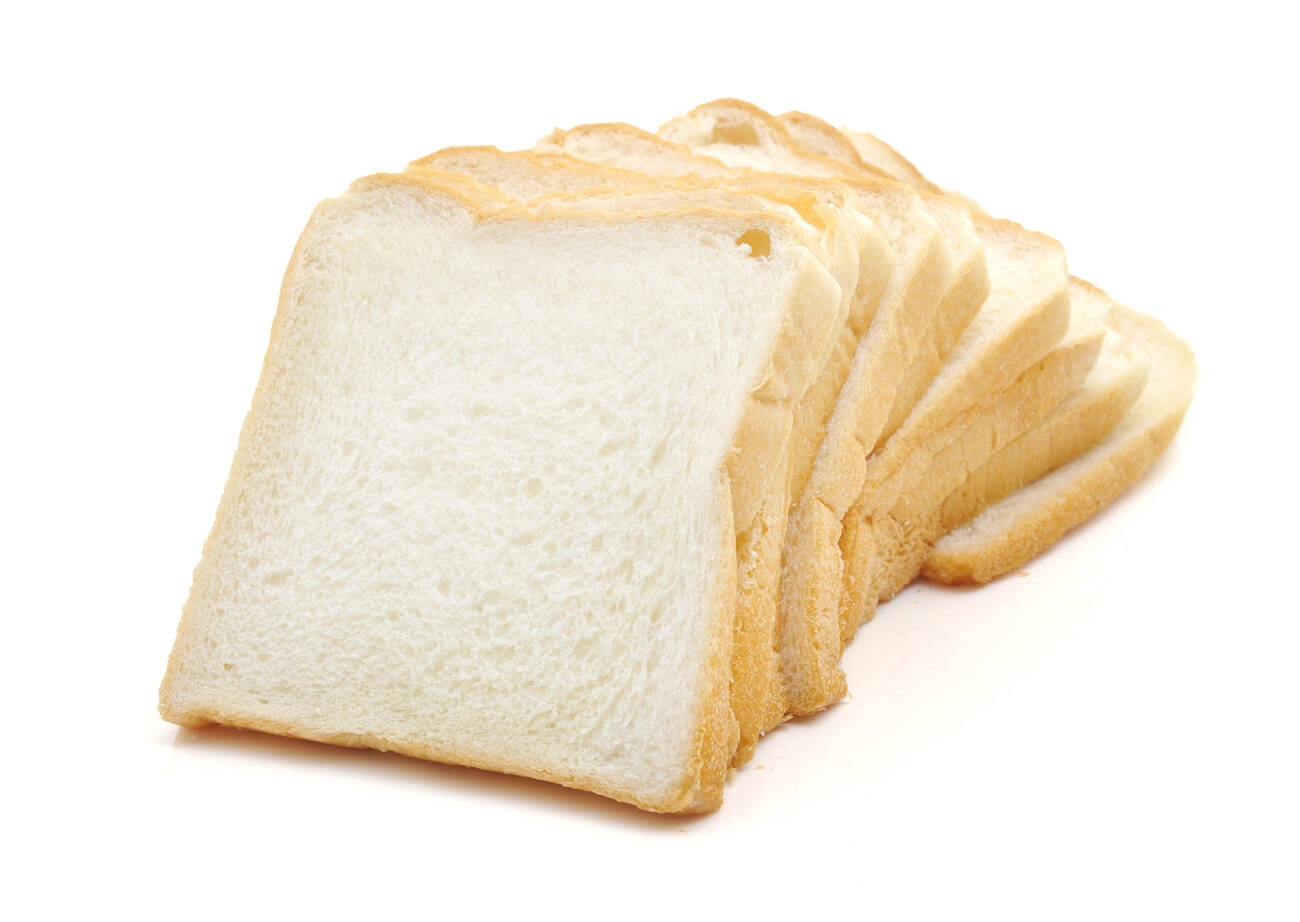
Detailed Sandwich Bread Recipes
1. Classic White Sandwich Bread
Classic white sandwich bread is beloved for its soft texture and versatility. Ideal for everything from toast in the morning to sandwiches for lunch, this recipe simplifies the process of making your own bread at home.
- Ingredients
- 4 cups all-purpose flour
- 1 packet instant yeast
- 1 cup warm water
- 2 tablespoons sugar
- 1 teaspoon salt
- 2 tablespoons butter, softened
Directions:
- In a bowl, combine warm water, yeast, and sugar. Let it sit for about 5 minutes until it froths.
- Mix the flour, salt, and softened butter in a separate bowl.
- Gradually add the yeast mixture to the flour mixture, stirring until a dough forms.
- Knead the dough on a floured surface for about 10 minutes until smooth.
- Place the dough in a greased bowl, cover, and let it rise until doubled in size, about 1 hour.
- Punch down the dough, shape it into a loaf, and place it in a greased loaf pan.
- Allow it to rise again until doubled, about 30-45 minutes.
- Bake in a preheated oven at 350°F (175°C) for 25-30 minutes, or until golden brown.
Advice: For a perfect crust, you can brush the top with melted butter right after baking.
2. Whole Wheat Sandwich Bread
This whole wheat sandwich bread is perfect for those seeking a healthier alternative without sacrificing flavor. Its nutty taste pairs well with a variety of fillings.
- Ingredients
- 3 cups whole wheat flour
- 1 packet active dry yeast
- 1.5 cups warm water
- 2 tablespoons honey
- 2 tablespoons olive oil
- 1 teaspoon salt
Directions:
- Activate the yeast in warm water with honey for about 5-10 minutes until bubbly.
- In a mixing bowl, combine whole wheat flour, olive oil, and salt.
- Add the yeast mixture and knead for about 8-10 minutes until smooth.
- Let the dough rise in a warm place until doubled in size, approximately 1 hour.
- Shape the dough into a loaf and place it in a greased loaf pan. Let it rise again until doubled.
- Bake at 350°F (175°C) for 30-35 minutes until it sounds hollow when tapped.
Advice: To enhance flavor, you can add seeds such as sunflower or flax during the kneading step.
3. Sourdough Sandwich Bread
Sourdough sandwich bread has a unique flavor due to the natural fermentation process. This recipe will help you enjoy the tangy, chewy delight of homemade sourdough.
- Ingredients
- 1.5 cups active sourdough starter
- 3 cups bread flour
- 1.5 cups water
- 2 teaspoons salt
- 1 tablespoon honey (optional)
Directions:
- In a large bowl, mix the active starter, bread flour, and water until a rough dough forms.
- Let the mixture rest for about 30 minutes to allow the flour to hydrate.
- Add salt and knead for about 10 minutes until smooth.
- Place the dough in a greased bowl, cover, and let it rise until doubled, approximately 4-6 hours.
- Shape the dough and place it in a greased loaf pan. Let it rise again until doubled.
- Bake at 375°F (190°C) for 35-40 minutes until golden brown and hollow-sounding.
Advice: Maintain your sourdough starter by feeding it regularly for best results.
4. Rye Sandwich Bread
This rye bread recipe offers a rich flavor and a hearty texture, making it perfect for robust sandwich fillings. Its distinct taste pairs well with meats and cheeses.
- Ingredients
- 2 cups rye flour
- 2 cups bread flour
- 1 packet active dry yeast
- 1.5 cups warm water
- 2 tablespoons caraway seeds (optional)
- 1 teaspoon salt
Directions:
- In a bowl, mix together rye flour, bread flour, yeast, caraway seeds, and salt.
- Add warm water gradually, mixing until a rough dough forms.
- Knead the dough on a floured surface for about 10-12 minutes until smooth.
- Place the dough in a greased bowl and let it rise until doubled, around 1 hour.
- Shape the dough into a loaf and place in a greased pan. Let it rise again until doubled.
- Bake at 350°F (175°C) for 30-35 minutes until golden brown and hollow-sounding.
Advice: Pair rye bread with strong-flavored toppings like mustard or pickles for a delicious contrast.
5. Gluten-Free Sandwich Bread
Finding a suitable gluten-free bread can be challenging, but this recipe ensures you won’t miss out. It’s light, fluffy, and perfect for any sandwich.
- Ingredients
- 2 cups gluten-free flour blend
- 1 packet instant yeast
- 1.5 cups warm milk (dairy or non-dairy)
- 1 tablespoon honey
- 1 teaspoon salt
- 2 tablespoons olive oil
Directions:
- Combine gluten-free flour blend, instant yeast, and salt in a bowl.
- In a separate bowl, whisk together warm milk, olive oil, and honey.
- Mix the wet ingredients into the dry ingredients until well combined and a batter forms.
- Pour the batter into a greased loaf pan and let it rise about 30-40 minutes.
- Bake at 350°F (175°C) for 30-35 minutes until golden and a toothpick comes out clean.
Advice: Adding a tablespoon of vinegar can help create a lighter texture in gluten-free bread.
6. Herb and Garlic Artisan Bread
This herb and garlic bread introduces fresh flavors to your sandwiches, making it a delightful choice for gourmet creations. It’s delicious on its own or used as a base for your favorite spreads.
- Ingredients
- 3 cups all-purpose flour
- 1 packet instant yeast
- 1.5 cups warm water
- 3 cloves garlic, minced
- Fresh herbs (rosemary, thyme, etc.)
- 1 teaspoon salt
Directions:
- In a bowl, mix the warm water, minced garlic, and yeast, letting it sit for 5-10 minutes until frothy.
- Add flour, salt, and chopped herbs to the mixture and stir until combined.
- Knead the dough on a floured surface for about 10 minutes until smooth and elastic.
- Let the dough rise in a greased bowl for 1 hour until doubled in size.
- Shape the dough and place it in a greased loaf pan. Let rise again until doubled.
- Bake at 375°F (190°C) for 30-35 minutes until golden and hollow-sounding when tapped.
Advice: Serve this bread warm with olive oil or herbal butter for a delightful appetizer.
Expert Tips for Baking Perfect Sandwich Bread
Making sandwich bread at home can be a rewarding experience. Here are some expert tips to ensure your bread turns out perfectly every time:
- Ingredient Quality: Use high-quality, fresh ingredients, especially yeast and flour, to achieve the best results.
- Kneading and Proofing: Proper kneading develops gluten, while proofing allows the dough to rise effectively. Don’t skip these steps.
- Temperature Control: Keep your ingredients at the right temperature for optimal fermentation. Too cold can slow down yeast activity.
- Use of Bread Machine: If you have a bread machine, it can simplify the process, but hand-kneading can give you more control over texture.
- Storage Methods: Homemade bread is best stored in a cool, dry place. Freezing is a great option to keep it fresh longer.
FAQs
What can I use instead of yeast in bread recipes?
You can substitute yeast with baking soda or baking powder, but these alternatives will require altering the recipe. Sourdough starter can also be used, though the fermentation time will increase.
How do you know when bread is fully baked?
A good way to check if bread is baked is the tap test; tap the bottom of the loaf, it should sound hollow. Alternatively, use a thermometer to check that the internal temperature is around 200°F (93°C).
Can I freeze homemade sandwich bread? How?
Yes, you can freeze homemade sandwich bread. Wrap it tightly in plastic wrap and place it in a freezer bag. It can be stored for up to 3 months. Thaw it at room temperature before use.
What are the best types of flour for sandwich bread?
High-protein flours, such as bread flour, are excellent for developing gluten, resulting in a better rise and texture. Whole wheat flour adds nutritional value, while gluten-free blends are suitable for those with sensitivities.
How long does homemade bread last?
Homemade bread typically lasts about 3-5 days at room temperature. Storing it in a sealed bag can help extend its freshness, and freezing can preserve it for months.
sandwich bread recipes
Equipment
- 1 mixing bowl
- 1 whisk
- 1 measuring cups and spoons
- 1 loaf pan (9x5 inches)
- 1 plastic wrap or a clean kitchen towel
- 1 oven
Ingredients
- 4 cups all-purpose flour
- 1 packet (2 ¼ teaspoons) active dry yeast
- 1 tablespoon sugar
- 1 teaspoon salt
- 1 ½ cups warm water about 110°F/43°C
- 2 tablespoons vegetable oil
Instructions
- In a mixing bowl, combine warm water, yeast, and sugar. Let it sit for about 5 to 10 minutes until it becomes foamy.
- In a separate bowl, mix together the flour and salt.
- Once the yeast mixture is foamy, add it to the flour mixture along with the vegetable oil.
- Stir until a dough begins to form. Then, knead the dough on a floured surface for about 8 to 10 minutes until it is smooth and elastic.
- Place the kneaded dough in a lightly greased bowl. Cover it with plastic wrap or a clean towel. Let it rise in a warm area for about 1 hour, or until it has doubled in size.
- Once risen, punch down the dough to release the air. Shape it into a loaf and place it in the greased loaf pan.
- Cover it again and let it rise for another 30 minutes.
- Preheat your oven to 350°F (175°C).
- Bake the bread in the preheated oven for 30 minutes, or until the top is golden brown and the bread sounds hollow when tapped.
- Let the bread cool in the pan for 10 minutes, then transfer it to a wire rack to cool completely before slicing.


