Boiled Chestnuts: A Nutritious Guide to Preparation and Use
Boiled chestnuts are a delightful and nutritious treat that have been enjoyed for centuries across various cultures. With their soft, sweet, and slightly nutty flavor, they offer a unique culinary experience that differs from other nuts and has made them a beloved staple in many cuisines, especially during the colder months. Whether served as a snack on their own or incorporated into elaborate dishes, boiled chestnuts can bring warmth and comfort to any table.
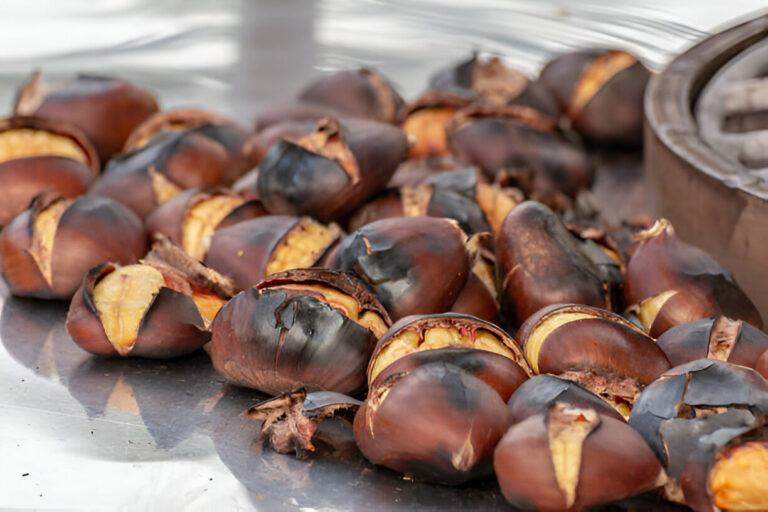
The history of boiled chestnuts is rich and varied, deeply rooted in the traditions of many countries. In Europe, especially in Italy and France, they are often roasted on open fires during the winter and featured prominently in festive meals. Historically, chestnuts were a vital food source during times of scarcity and were consumed by both rich and poor alike. Their cultural relevance continues today, with seasonal festivals celebrating the harvest and culinary uses in traditional recipes, reflecting the connection people have with this versatile nut.
In addition to their flavor and cultural significance, boiled chestnuts are packed with nutritional benefits. They are an excellent source of complex carbohydrates which provide sustained energy as well as dietary fiber, aiding digestion and promoting a feeling of fullness. Unlike most nuts containing high levels of fat, chestnuts are lower in calories and fat content, making them an attractive option for those seeking healthier alternatives. They also contain vitamins and minerals, including vitamin C, potassium, and magnesium, contributing to overall health and well-being. With their unique combination of taste, historical importance, and health benefits, boiled chestnuts are truly a treasure worth discovering in the kitchen.
What are Chestnuts?
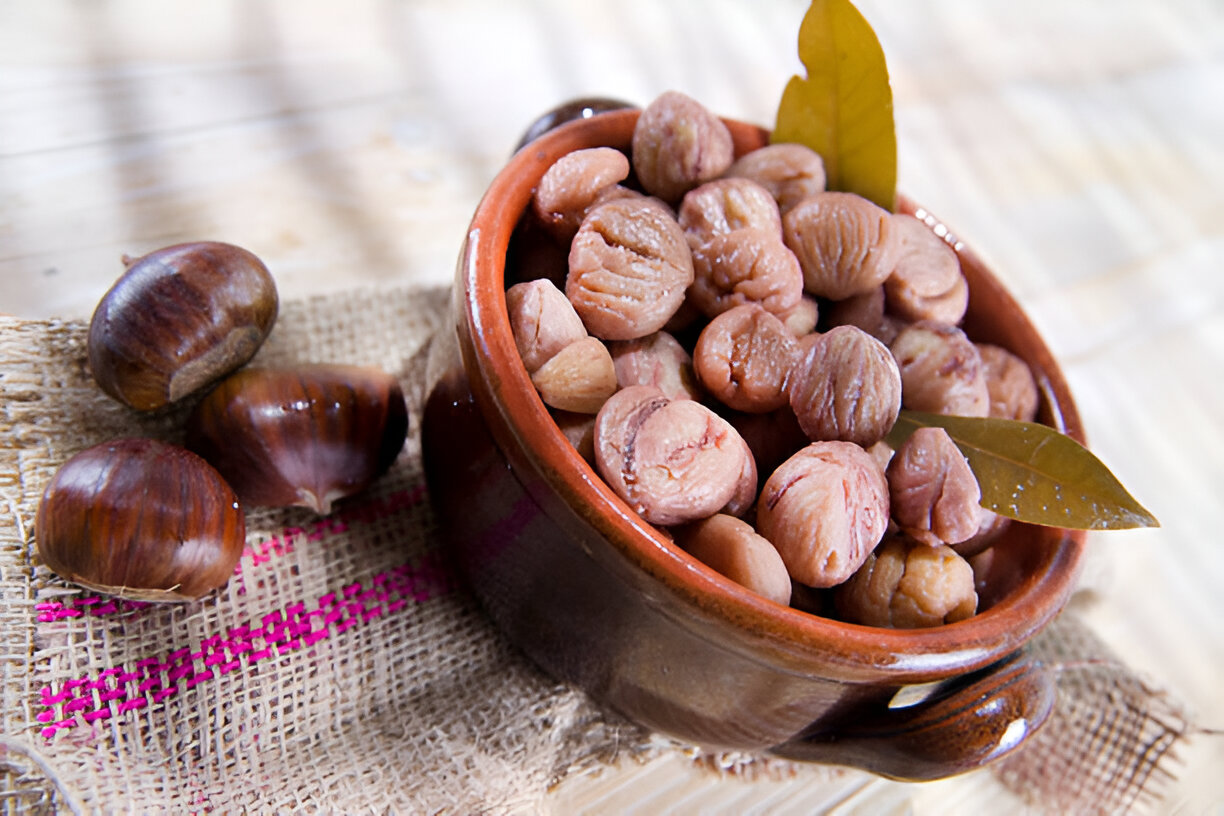
Chestnuts are unique nuts that belong to the beech family, distinctively different from most nuts that are typically high in fat. They are celebrated for their sweet, mild flavor and starchy texture, which make them an excellent addition to various culinary creations. The three main types of chestnuts include:
- European Chestnuts: Known for their large size and sweet flavor, these chestnuts are commonly used in traditional European dishes, especially during autumn and winter months. They thrive in regions such as Italy and France, where they are often roasted and enjoyed as a street food delicacy.
- American Chestnuts: Once a dominant species in the eastern United States, these chestnuts were greatly affected by a blight in the early 20th century. However, efforts are being made to restore the American chestnut tree, noted for its sweet, palatable nuts used in making stuffing and desserts.
- Asian Chestnuts: Generally sweeter than their European counterparts, Asian chestnuts, particularly the Japanese variety, are smaller and have a contrasting flavor profile. They are often used in desserts and are popular in Asian cuisines.
Despite their diverse varieties, chestnuts share a common characteristic that sets them apart from other nuts such as walnuts and almonds: chestnuts are not high in fats but are rich in carbohydrates and fiber, making them a heart-healthy choice.
Nutritional Profile of Boiled Chestnuts
Boiled chestnuts are not just a delicious snack; they also boast an impressive nutritional profile. Being primarily composed of carbohydrates, they provide a quick energy boost. Unlike most nuts, boiled chestnuts are low in fat, which makes them an ideal healthier alternative for individuals looking to reduce their fat intake while still enjoying the benefits of nuts.
In terms of macronutrients, boiled chestnuts typically contain:
- Protein: Although moderate in protein content, chestnuts can still contribute to daily protein intake.
- Carbohydrates: They are rich in carbohydrates, mainly in the form of starch, providing long-lasting energy.
- Fats: Very low in fat content, chestnuts can be a favorable option for those focused on a low-fat diet.
Moreover, boiled chestnuts are packed with micronutrients essential for health, including:
- Vitamin C: Important for immune function and skin health.
- Potassium: Vital for heart health and regulating blood pressure.
- Magnesium: Crucial for muscle and nerve function.
Another significant aspect of boiled chestnuts is their high fiber content, which aids in digestion and promotes a feeling of fullness. This can be particularly beneficial for weight management and digestive health. Additionally, compared to raw and roasted chestnuts, boiling helps retain their nutritional value, ensuring that you enjoy all the health benefits they offer.
Nutritional Profile of Boiled Chestnuts
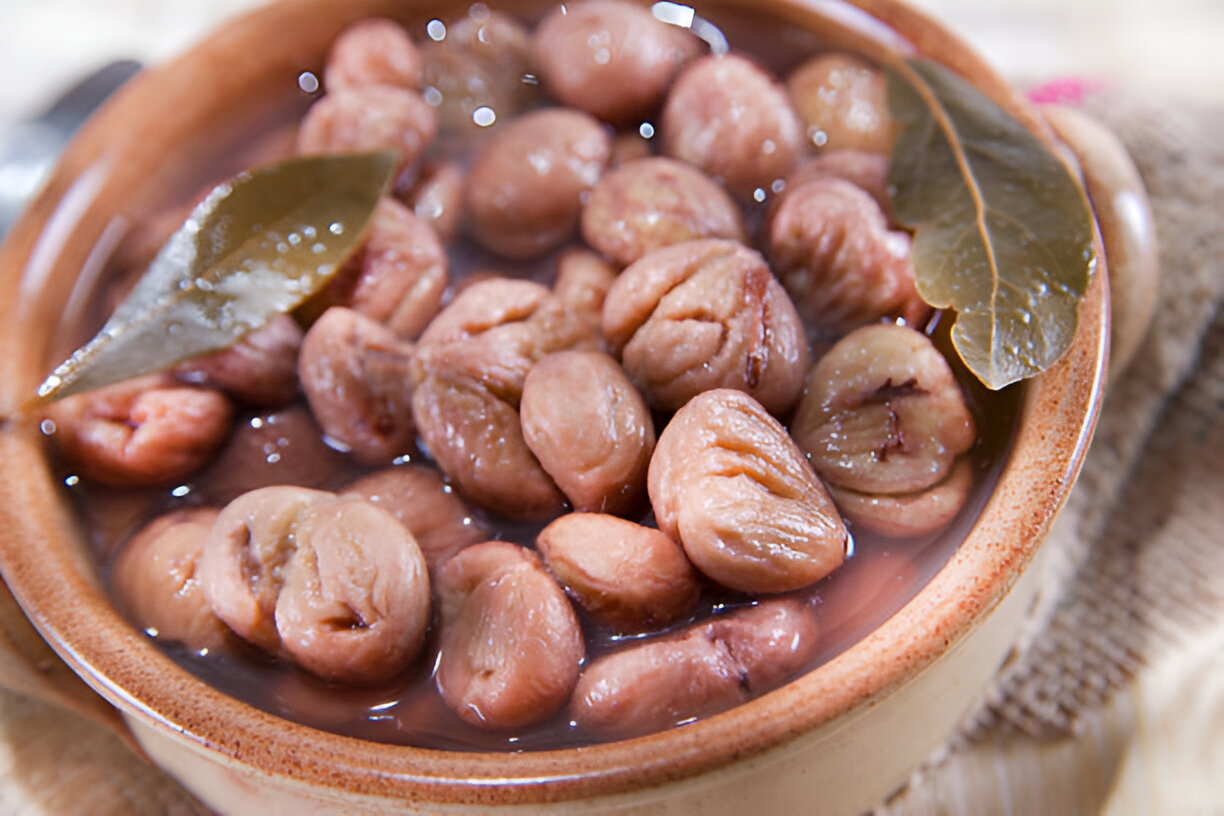
Boiled chestnuts are not just a delicious snack; they also boast an impressive nutritional profile. Being primarily composed of carbohydrates, they provide a quick energy boost. Unlike most nuts, boiled chestnuts are low in fat, which makes them an ideal healthier alternative for individuals looking to reduce their fat intake while still enjoying the benefits of nuts.
In terms of macronutrients, boiled chestnuts typically contain:
- Protein: Although moderate in protein content, chestnuts can still contribute to daily protein intake.
- Carbohydrates: They are rich in carbohydrates, mainly in the form of starch, providing long-lasting energy.
- Fats: Very low in fat content, chestnuts can be a favorable option for those focused on a low-fat diet.
Moreover, boiled chestnuts are packed with micronutrients essential for health, including:
- Vitamin C: Important for immune function and skin health.
- Potassium: Vital for heart health and regulating blood pressure.
- Magnesium: Crucial for muscle and nerve function.
Another significant aspect of boiled chestnuts is their high fiber content, which aids in digestion and promotes a feeling of fullness. This can be particularly beneficial for weight management and digestive health. Additionally, compared to raw and roasted chestnuts, boiling helps retain their nutritional value, ensuring that you enjoy all the health benefits they offer.
How to Select Quality Chestnuts
Selecting high-quality chestnuts ensures that you enjoy the best flavor and texture. Here are some tips to help you choose the best chestnuts:
- Visual Markers: Look for chestnuts that are firm and heavy for their size. A shiny, smooth shell is a good indicator of freshness.
- Seasonality: Chestnuts are typically in season from late autumn to early winter. Buying during this time ensures optimal freshness and flavor.
- Avoiding Defects: Steer clear of chestnuts that are shriveled, moldy, or have deep cracks in their shells, as these are signs of spoilage.
By following these guidelines, you can ensure that your chestnuts are of the highest quality, ready for boiling or other culinary uses.
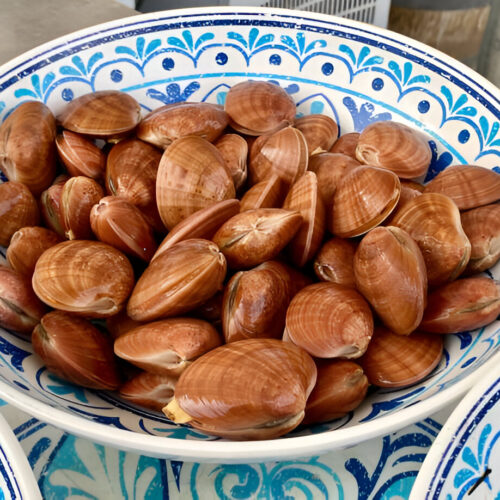
Boiled Chestnuts
Equipment
- 1 sharp knife
- 1 pot with a lid
- 1 strainer or slotted spoon
- 1 bowl
- 1 kitchen towel
Ingredients
- 1 pound fresh chestnuts
- 4 cups water
- to taste dash salt Optional, to taste.
Instructions
- Rinse the chestnuts under cold water to remove any dirt or debris.
- Using a sharp knife, carefully make an 'X' incision on the flat side of each chestnut to help steam escape.
- In a large pot, bring 4 cups of water to a boil. Optionally, add a pinch of salt to the water.
- Once the water is boiling, add the chestnuts to the pot, reduce the heat to a simmer, and cover the pot with a lid.
- Allow the chestnuts to boil for about 30 minutes, or until they are tender and easily pierced with a fork.
- Carefully remove the chestnuts from the pot using a strainer or slotted spoon and let them cool for a few minutes.
- While still warm, peel the chestnuts by removing the outer shell and the thin, papery skin underneath, using a kitchen towel to help grip them if needed.
- Serve the boiled chestnuts warm or store them in an airtight container in the refrigerator for later use.