
Delicious Yogurt Recipes for Every Meal: Sweet & Savory Ideas
Yogurt is a staple ingredient in many cuisines around the world, celebrated not only for its creamy texture and tangy flavor but also for its remarkable nutritional benefits. Whether consumed on its own or incorporated into various dishes, yogurt serves as a versatile component that enriches both taste and health. Packed with essential nutrients such as protein, calcium, and probiotics, yogurt plays a significant role in promoting digestive health and overall well-being.
One of the remarkable features of yogurt is its adaptability in both sweet and savory recipes. From refreshing smoothies and desserts to flavorful marinades and dressings, yogurt can be the star of any dish or simply an enhancing complement. Its ability to pair well with an array of ingredients makes it a favorite among home cooks and professional chefs alike. This article delves into the many facets of yogurt and showcases diverse recipes that highlight its use.
In the following sections, we will explore different types of yogurt, including traditional versions like Greek yogurt and various plant-based alternatives. We will also discuss the health benefits associated with yogurt consumption and present a delicious assortment of both sweet and savory recipes. Whether you are looking to create a nutritious breakfast, a delightful dessert, or a heartwarming savory dish, this article has you covered with tips and inspiration for elevating your culinary experience with yogurt.
Section 1: Types of Yogurt
Yogurt, in its many forms, offers a delightful range of flavors and textures, making it essential in various cuisines worldwide. Understanding the different types of yogurt can enhance your culinary experience, allowing you to select the best option for your recipes.
1.1 Greek Yogurt vs. Regular Yogurt
Greek yogurt is known for its thick, creamy consistency, which results from straining out the whey. This process not only gives Greek yogurt a richer texture but also significantly increases its protein content compared to regular yogurt. A typical serving of Greek yogurt contains about twice the protein, making it an excellent choice for those looking to boost their protein intake. Regular yogurt, on the other hand, is lighter and has a milder taste, which pairs wonderfully in smoothies and salad dressings.
For high-protein snacks or breakfast options, Greek yogurt is ideal, while regular yogurt is perfect for lighter desserts or as a base for various sauces.
1.2 Plant-Based Yogurt Options
With the rise in popularity of plant-based diets, there are now several alternatives to traditional dairy yogurt. Options include almond, coconut, oat, and soy yogurt. These alternatives are typically lower in protein but provide unique flavors that can enhance dishes in different ways. For example, coconut yogurt adds a creamy richness and subtle sweetness, while almond yogurt offers a nutty taste.
When selecting plant-based yogurts, it’s essential to check the nutritional label for added sugars and protein content, as these can vary widely by brand.
1.3 Flavored vs. Plain Yogurt
Flavored yogurts are a popular choice for quick breakfasts or snacks, available in various taste profiles such as vanilla, fruit blends, and even dessert-like flavors. While delicious, it’s important to be mindful of added sugars in flavored versions. They can be a delightful addition to smoothies, parfaits, and baked goods.
Plain yogurt, on the other hand, is incredibly versatile. Its neutral taste makes it an excellent base for dishes ranging from savory sauces to sweet treats. Incorporating plain yogurt in your recipes allows you to control the overall flavor and sugar content, promoting a healthier lifestyle.
Section 2: Health Benefits of Yogurt
Yogurt is more than just a tasty ingredient; it is also a powerhouse of nutrition. Consuming yogurt regularly can benefit your health in several remarkable ways.
2.1 Probiotics and Digestive Health
One of the standout features of yogurt is its probiotic content. Probiotics are beneficial bacteria that support gut health by maintaining a balance of microorganisms in the digestive tract. Regular consumption of yogurt rich in live cultures can help improve digestion, reduce bloating, and even enhance the immune system.
2.2 Source of Nutrients
Yogurt is a rich source of vital nutrients, including calcium, protein, and B vitamins. Calcium is crucial for bone health, while protein supports muscle repair and growth. The B vitamins present in yogurt, such as B12 and riboflavin, play essential roles in energy metabolism and overall health.
2.3 Weight Management
Incorporating yogurt into your diet can be beneficial for weight management. The high protein content in yogurt can promote feelings of fullness, which helps control hunger and may reduce overall calorie intake. Additionally, the probiotic properties of yogurt may aid in metabolic processes, making it a smart choice for those looking to maintain a healthy weight.
Section 3: Sweet Yogurt Recipes
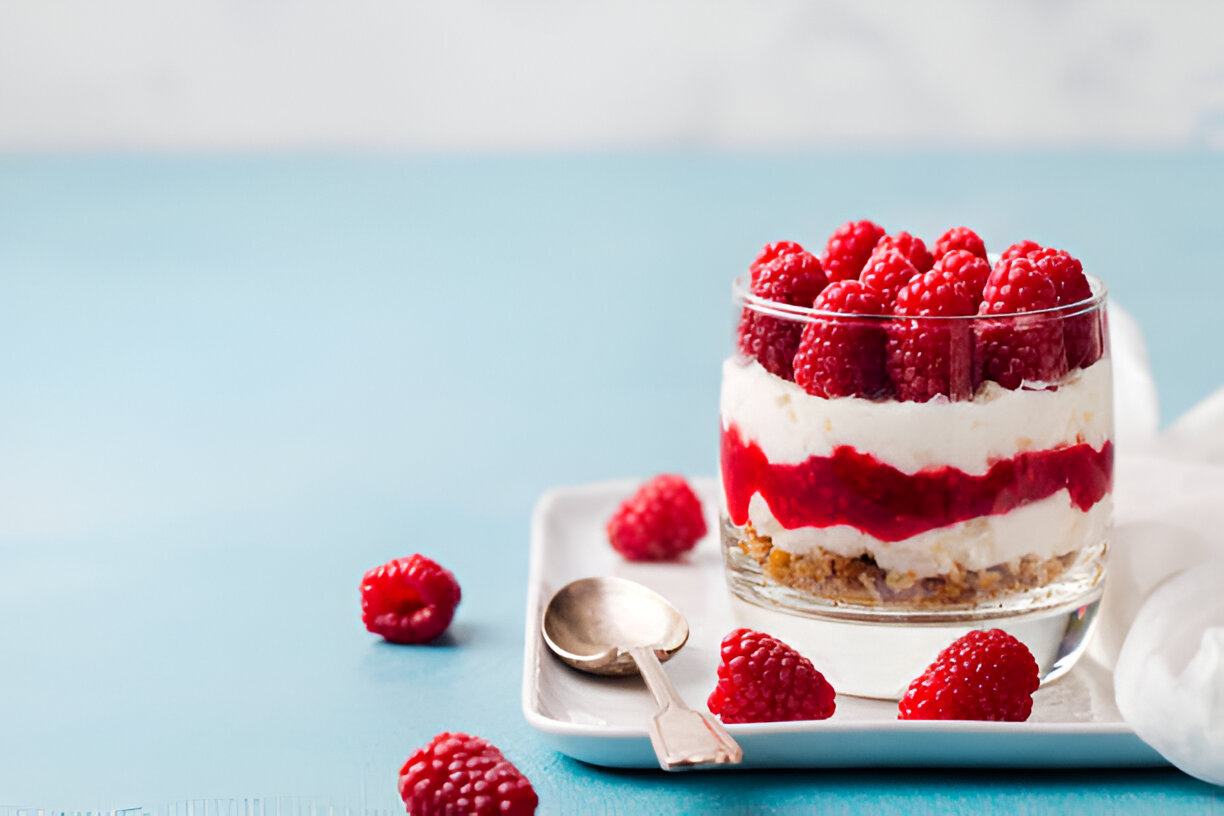
3.1 Yogurt Parfait
Ingredients: For a delicious yogurt parfait, you will need:
- 1 cup of your preferred yogurt
- ½ cup granola or muesli
- 1 cup of fresh fruits (e.g., berries, banana slices, or peaches)
- Honey or maple syrup to drizzle (optional)
Directions: Start by layering the yogurt in a glass or bowl. Add a layer of granola followed by a layer of fruits. Repeat the layers until all ingredients are used, finishing with a layer of fruit on top. Drizzle with honey or maple syrup for added sweetness.
Tips for customization: Experiment with different fruits and granola flavors for variety. You can also substitute yogurt with Greek or plant-based alternatives for different textures and tastes.
3.2 Yogurt Smoothie
Ingredients: For a refreshing yogurt smoothie, gather:
- 1 cup yogurt (plain or flavored)
- 1 banana
- 1 cup mixed berries (fresh or frozen)
- 1 cup spinach (optional for a nutrient boost)
- ½ cup of milk or a dairy-free alternative (like almond milk)
Directions: In a blender, combine all ingredients. Blend on high until smooth and creamy. Pour into a glass and enjoy immediately.
Advice on variations: Add different fruits, nut butters, or seeds to tailor the smoothie to your taste preferences. You can also use yogurt alternatives for a dairy-free option.
3.3 Yogurt Cake
Ingredients: To make a moist yogurt cake, you will need:
- 1 cup yogurt
- 1 cup sugar
- ½ cup vegetable oil
- 2 large eggs
- 2 cups flour
- 2 tsp baking powder
- 1 tsp vanilla extract
Directions: Preheat your oven to 350°F (175°C). In a mixing bowl, whisk together the yogurt, sugar, oil, and eggs. In another bowl, mix the flour and baking powder. Gradually combine the dry ingredients with the wet ingredients until just blended. Pour the batter into a greased cake pan and bake for 30–35 minutes or until a toothpick inserted in the center comes out clean.
Substitution ideas: You can use whole wheat flour for a healthier option, or replace sugar with honey or maple syrup for natural sweetening.
3.4 Frozen Yogurt Bark
Ingredients: For a healthy frozen treat, you’ll need:
- 2 cups yogurt (any flavor)
- ½ cup mixed nuts (chopped)
- ½ cup dried fruits or fresh fruit slices
- ¼ cup dark chocolate chips or drizzles
Directions: Line a baking sheet with parchment paper. Spread the yogurt evenly onto the sheet. Sprinkle the nuts, dried fruits, and chocolate chips over the yogurt. Freeze for at least 4–6 hours, then break into pieces and serve.
Tips for serving: Serve this refreshing snack on warm days, or keep it on hand for a healthy dessert option!
Section 4: Savory Yogurt Recipes
4.1 Yogurt Marinade for Meat
Ingredients: For a flavorful meat marinade, you will need:
- 1 cup yogurt (plain)
- 2 tbsp olive oil
- 2 cloves garlic (minced)
- 1 tsp cumin
- 1 tsp paprika
- Salt and pepper to taste
Directions: In a bowl, whisk together yogurt, olive oil, garlic, cumin, paprika, salt, and pepper. Marinate chicken, lamb, or vegetables in the mixture for at least 2 hours, or ideally overnight, to enhance the flavors. Cook as desired.
Advice for the best results: Using this marinade helps tenderize the meat while infusing rich flavors. Perfect for grilling or roasting!
4.2 Tzatziki Sauce
Ingredients: To prepare tzatziki, gather:
- 1 cup plain yogurt
- 1 medium cucumber (grated and drained)
- 2 cloves garlic (minced)
- 1 tbsp fresh dill (chopped)
- 1 tbsp olive oil
- Salt to taste
Directions: In a mixing bowl, combine the yogurt, grated cucumber, garlic, dill, olive oil, and salt. Mix thoroughly. Serve chilled with pita bread, grilled meats, or fresh vegetables.
Serving suggestions: Tzatziki is a fantastic dip for parties and pairs wonderfully with Mediterranean dishes!
4.3 Yogurt Salad Dressing
Ingredients: For a quick yogurt salad dressing, you will need:
- 1 cup plain yogurt
- ¼ cup olive oil
- 2 tbsp vinegar (apple cider or white wine)
- 1 tsp mustard
- Herbs (basil, oregano, or parsley) to taste
Directions: In a bowl, whisk together yogurt, olive oil, vinegar, mustard, and herbs. Mix until well combined, and adjust seasoning to taste. Drizzle over salads or use as a dip for fresh veggies.
Customization options: Add a touch of honey for sweetness or incorporate additional spices for a flavor kick!
4.4 Spinach and Yogurt Soup
Ingredients: For a wholesome spinach soup, you will need:
- 4 cups fresh spinach
- 2 cups vegetable or chicken broth
- 1 cup plain yogurt
- 1 onion (chopped)
- 2 cloves garlic (minced)
- Salt and pepper to taste
Directions: Sauté the onion and garlic in a pot until soft. Add the spinach and broth, cooking until the spinach wilts. Allow to cool slightly, then blend until smooth. Stir in yogurt and season with salt and pepper before serving warm.
Storage tips: This soup can be stored in the fridge for up to three days. Reheat gently to retain the yogurt’s creaminess.
Section 5: Dairy-Free and Vegan Yogurt Recipes
5.1 Coconut Yogurt
Ingredients: To make homemade coconut yogurt, you will need:
- 1 can (400ml) coconut milk
- 1-2 probiotic capsules (contents only)
Directions: In a jar, combine coconut milk and the contents of the probiotic capsules. Stir gently to mix. Cover with a cheesecloth and let it sit in a warm place for 24-48 hours to ferment. Once ready, transfer to the refrigerator to chill before use.
Usage tips: Use this coconut yogurt in smoothies, desserts, or enjoy it plain with some honey and fruit!
5.2 Cashew Yogurt
Ingredients: To prepare cashew yogurt, gather:
- 1 cup raw cashews (soaked for 4-6 hours)
- ½ cup water
- 1 probiotic capsule (contents only)
Directions: Drain and rinse the soaked cashews. In a blender, combine cashews, water, and the contents of the probiotic capsule. Blend until smooth and creamy. Transfer to a jar, cover, and allow it to ferment at room temperature for 12-24 hours. Refrigerate before use.
Serving ideas: This cashew yogurt is wonderful as a spread or as an ingredient in creamy salad dressings and sauces.
Section 6: Tips for Cooking with Yogurt
6.1 Choosing the Right Yogurt
When selecting yogurt for cooking, consider the fat content. Full-fat yogurt provides creaminess and richness, especially in desserts and dressings. Low-fat or non-fat options are lighter, ideal for sauces or marinades without being overly heavy.
6.2 Cooking Tips
To prevent yogurt from curdling when heated, incorporate it gradually into warm dishes. Remove the pan from heat before adding yogurt, or temper it first by mixing it with a small amount of hot liquid.
6.3 Storage Tips
Store yogurt in an airtight container in the fridge. It typically lasts 1-3 weeks past the expiration date if unopened. Always check for any off odors or changes in texture before consuming.
Section 7: FAQs
What are some easy yogurt recipes?
Some easy yogurt recipes include yogurt parfaits, smoothies, and simple marinades for meats. Utilize yogurt in both sweet and savory applications for variety.
Can yogurt be used in baking?
Yes, yogurt can replace oils or butters in many baking recipes, adding moisture and tanginess. It also works well in cakes and muffins for a lighter texture.
How can I make yogurt at home?
To make yogurt at home, you need milk (dairy or plant-based) and a yogurt starter with live cultures. Heat the milk, cool it, and mix in the starter. Let it ferment in a warm area for several hours or overnight.
What is the best yogurt for recipes?
The best yogurt for recipes depends on the dish. Greek yogurt is ideal for creamy textures, while plain yogurt works well in dressings and marinades. Choose low-fat or non-fat options for lighter dishes.
Conclusion
Yogurt’s versatility and numerous health benefits make it an essential ingredient in a variety of dishes. By exploring different types of yogurt and experimenting with recipes, you can enhance your culinary creations while enjoying the nutritional advantages yogurt has to offer. Share your favorite yogurt recipes and tips with us!
yogurt recipes
Equipment
- 1 mixing bowl
- 1 spoon
- 1 measuring cups
- 4 glass or cup for serving
Ingredients
- 2 cups plain yogurt Can substitute with Greek yogurt for a thicker texture.
- 1 cup granola Can swap for muesli if preferred.
- 2 cups mixed fresh fruits e.g., berries, bananas, or peaches.
- 2 tablespoons honey or maple syrup
- 30 grams chopped nuts or seeds Optional for topping.
Instructions
- In a mixing bowl, combine the plain yogurt and honey or maple syrup. Stir well until the yogurt is sweetened to your taste.
- Prepare your fruits by washing them thoroughly. If using larger fruits like bananas or peaches, slice them into bite-sized pieces.
- In your serving glasses or cups, start layering the ingredients. Begin with a layer of yogurt at the bottom.
- Add a layer of mixed fresh fruits on top of the yogurt.
- Sprinkle a layer of granola over the fruit.
- Repeat the layers until the glasses are filled, finishing with a layer of yogurt on the top.
- If desired, sprinkle some chopped nuts or seeds for added crunch.
- Serve immediately or chill in the refrigerator for up to 30 minutes before serving.
