
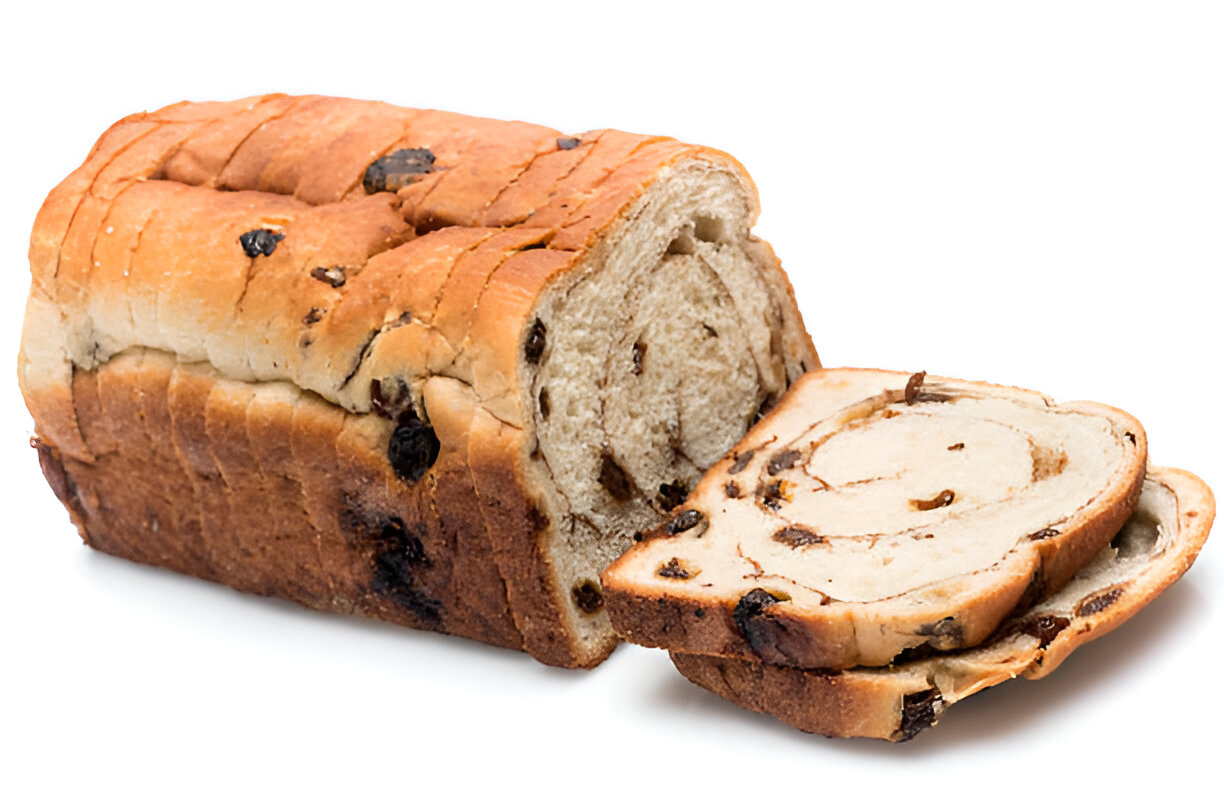
Delicious Bread Recipe Cinnamon: Bake Your Own Comforting Loaf
As the sun rises and a gentle warmth fills the kitchen, the rich aroma of cinnamon bread baking in the oven creates an inviting atmosphere that beckons you to gather around the table. Each waft of sweet and spicy fragrance transports you back to cherished moments, whether it’s slipping into your grandmother’s home or enjoying a leisurely weekend breakfast. Cinnamon bread is more than just a delightful treat; it’s a fragrant symbol of comfort, nostalgia, and the simple joys of sharing food with loved ones.
Cinnamon bread holds a special place in the hearts of many, often evoking memories associated with family gatherings, cozy mornings, and the warmth of homemade goodness. The combination of soft, pillowy bread and a swirl of cinnamon-sugar filling is a hallmark of both traditional baking and modern indulgence. In this article, we’ll explore how you can bring this timeless delight into your own home, guiding you through a classic cinnamon bread recipe that is sure to impress.
In addition to the recipe itself, we will delve into various mouthwatering variations, provide troubleshooting tips to help you perfect your baking skills, and answer frequently asked questions to ensure a delightful baking experience. Whether you are a seasoned baker or just starting your culinary adventure, this cinnamon bread journey promises to fill your home with the warmest aromas and your heart with fond memories.

The Basics of Bread Making
Bread is a staple food made from flour, water, and often yeast, which is then baked. There are numerous types of bread around the world, including sourdough, baguettes, and flatbreads, each boasting unique textures and flavors. With its versatility and global appeal, bread serves not only as nourishment but also as a way to bring people together.
Key Ingredients for Cinnamon Bread
To create the perfect cinnamon bread, you’ll need the following essential ingredients:
- Flour: All-purpose flour provides the structure for the bread.
- Yeast: Active dry yeast helps the dough to rise and creates the soft texture.
- Sugar: Granulated sugar sweetens the bread and aids in browning.
- Milk: Warm milk enriches the dough and enhances flavor.
- Eggs: Eggs contribute richness and moisture.
- Cinnamon: The star ingredient, adding warmth and sweetness.
- Butter: Melted unsalted butter brings richness and a tender crumb.
The Role of Each Ingredient
Each ingredient in cinnamon bread plays a vital role in achieving the desired texture and flavor. Flour is the backbone, providing the structure necessary for rising. Active dry yeast is crucial for fermentation; it produces carbon dioxide as it ferments, causing the dough to rise and creating a light, airy texture. Sugar not only adds sweetness but also helps to activate the yeast, enhancing the fermentation process.
Warm milk offers moisture and richness, creating a tender crumb. Eggs add both moisture and structure, enriching the overall flavor while contributing to the bread’s golden color. The magical touch of cinnamon infuses the dough with a warm, sweet aroma that evokes nostalgia. Finally, melted unsalted butter brings richness and creates a softer texture, ensuring each slice is invitingly tender. When combined, these ingredients create a delightful harmony that defines the essence of cinnamon bread.

Warm and Comforting: Cinnamon Bread Recipe
There’s something undeniably special about pulling a freshly baked loaf of cinnamon bread from the oven. Each warm slice, with its perfect swirl of cinnamon-sugar filling, is a little piece of happiness. Here’s how you can create this classic delight in your own kitchen.
Ingredients
- 4 cups all-purpose flour
- 1 packet (2 1/4 tsp) active dry yeast
- 1 cup warm milk
- 1/4 cup granulated sugar
- 1/2 cup unsalted butter, melted
- 2 large eggs
- 1 tsp salt
- 2 tbsp ground cinnamon
- 1/3 cup brown sugar
- Optional: 1/2 cup raisins or nuts
Directions
- Activate the yeast: In a small bowl, combine warm milk, granulated sugar, and the active dry yeast. Let it sit for about 5 to 10 minutes until it becomes frothy.
- Mix the dough: In a large mixing bowl, whisk together melted butter and the eggs. Add the frothy yeast mixture and stir to combine.
- Add flour and salt: Gradually add in the all-purpose flour and salt, mixing until a dough begins to form.
- Knead the dough: Turn the dough onto a floured surface and knead for about 5 to 7 minutes, or until the dough is smooth and elastic.
- First rise: Place the dough in a greased bowl, cover with a clean cloth or plastic wrap, and let it rise in a warm place for about 1 hour or until it has doubled in size.
- Prepare the filling: In a small bowl, mix together the ground cinnamon, brown sugar, and any optional raisins or nuts you wish to include.
- Shape the dough: Once the dough has risen, punch it down and turn it out onto a floured surface. Roll it out into a rectangle, about 1/2 inch thick. Evenly sprinkle the cinnamon-sugar filling over the dough.
- Roll it up: Starting from one of the long edges, carefully roll the dough into a log shape, ensuring the filling is tightly enclosed.
- Second rise: Place the rolled dough into a greased loaf pan, seam side down. Cover and let it rise again for about 30 minutes.
- Bake: Preheat your oven to 350°F (175°C). Bake the cinnamon bread for approximately 30 to 35 minutes or until it’s golden brown and sounds hollow when tapped on the bottom.
- Cool and enjoy: Allow the bread to cool in the pan for about 10 minutes, then turn it out onto a wire rack to cool completely. Slice and serve warm or at room temperature.
Baking Advice
For the best results when baking cinnamon bread, consider the following tips:
- Measure accurately: Ensure you measure your ingredients correctly for consistent results.
- Avoid over-kneading: Knead just until the dough is smooth; over-kneading can lead to a denser bread.
- Adjust rise times: Be aware that temperatures in your kitchen can affect rise times; in cooler environments, rise may take longer.
Variations on Cinnamon Bread
Cinnamon Raisin Bread
This classic variation adds plump raisins for an extra layer of sweetness. Simply incorporate 1/2 cup of raisins into the filling before rolling the dough. You can soak the raisins in warm water for 10 minutes beforehand to plump them up if desired. The combination of cinnamon and raisins creates a flavor reminiscent of sweet classic pastries.
Gluten-Free Cinnamon Bread
If you’re looking for a gluten-free option, you can substitute the all-purpose flour with a blend of gluten-free all-purpose flour and xanthan gum. This combination will provide the structure needed for the bread to rise properly. Keep in mind that gluten-free dough can behave differently, requiring slight adjustments in liquid ratios.
Vegan Cinnamon Bread
For a delicious vegan version, replace the eggs with flaxseed meal or applesauce, and use plant-based milk instead of regular milk. Additionally, opt for coconut oil or vegan margarine in place of the unsalted butter. These alternatives maintain the bread’s flavor and texture while ensuring everyone can enjoy this comforting treat.
Troubleshooting Common Issues
Reasons for Dense Bread
If your cinnamon bread comes out denser than expected, it may be due to over-kneading the dough or not allowing it to rise sufficiently. Ensure that you’re kneading just enough to develop the gluten without making the dough tough, and be patient with the rising times.
Bread Not Rising
If the dough fails to rise, check the freshness of your yeast; expired yeast can lead to sluggish fermentation. Also, ensure that the environment is warm enough. If your kitchen is cool, consider turning the oven on for a brief period, then turning it off, to create a warm spot for the dough to rise.
Dry or Crumbly Texture
A dry or crumbly bread can be traced back to improper measurement of flour, leading to an imbalance in the dough. Always spoon and level flour for measuring. Furthermore, avoid overbaking, as this can dry out the bread. Keeping an eye on the baking time is essential for achieving that tender, soft texture.
Serving Suggestions
Pairing Ideas
Cinnamon bread pairs wonderfully with various spreads and toppings. A generous pat of softened butter or a dollop of cream cheese can enhance its flavor and texture. For an extra indulgent treat, serve slices with a drizzle of honey or maple syrup.
Creative Uses for Leftover Cinnamon Bread
Leftover cinnamon bread opens a world of possibilities in the kitchen. Consider using it to make rich French toast by dipping slices in an egg and milk mixture before frying for a warm breakfast treat. Alternatively, turn stale bread into a decadent bread pudding, combining it with custard, fruit, and your favorite spices for a delicious dessert.
FAQ Section
What can I use instead of active dry yeast?
You can substitute active dry yeast with instant yeast at a 1:1 ratio. Alternatively, if you have fresh yeast, use about three times more than the amount of active dry yeast called for in the recipe.
Can I freeze cinnamon bread?
Yes, cinnamon bread freezes exceptionally well. Wrap the cooled loaf tightly in plastic wrap and then place it in an airtight freezer bag. It can be stored in the freezer for up to three months.
How do I store cinnamon bread?
Store cinnamon bread at room temperature in a sealed container or wrapped in plastic wrap to keep it fresh for several days. For longer storage, it’s best to freeze it.
What is the best way to reheat cinnamon bread?
The best way to reheat cinnamon bread is to slice it and warm it in a toaster oven or traditional oven until just heated through. Microwaving may also work but can lead to a chewy texture.
Can I make cinnamon bread without eggs?
Absolutely! You can replace eggs with flaxseed meal (1 tablespoon of flaxseed meal mixed with 2.5 tablespoons of water equals one egg) or unsweetened applesauce for a successful vegan or egg-free cinnamon bread recipe.
Conclusion
Making cinnamon bread not only fills your home with warmth and delightful aromas, but it also creates lasting memories around the table. Don’t hesitate to share your baking experiences—whether it’s a family tradition or a newfound passion—by commenting or sharing on social media. Happy baking!

bread recipe cinnamon
Equipment
- 1 mixing bowl
- 1 whisk
- 1 measuring cups and spoons
- 1 loaf pan (9x5 inches)
- 1 parchment paper (optional)
- 1 oven
Ingredients
- 2 cups all-purpose flour
- 1/2 cup granulated sugar
- 1 tablespoon baking powder
- 1/2 teaspoon salt
- 1/2 cup milk
- 1/4 cup unsalted butter melted
- 1 large egg
- 1 tablespoon ground cinnamon
- 1/4 cup brown sugar packed
- 1 cup powdered sugar for glaze
- 2-3 tablespoons milk for glaze
Instructions
- Preheat your oven to 350°F (175°C). Grease and flour your loaf pan or line it with parchment paper for easy removal.
- In a large mixing bowl, whisk together the all-purpose flour, granulated sugar, baking powder, and salt until well combined.
- In a separate bowl, combine the milk, melted butter, and egg. Mix well until all ingredients are fully incorporated.
- Pour the wet ingredients into the dry ingredients and stir until just combined. Be careful not to overmix, some lumps are okay.
- In a small bowl, mix together the ground cinnamon and brown sugar to create a cinnamon filling.
- Pour half of the bread batter into the prepared loaf pan, then sprinkle half of the cinnamon filling evenly over the top. Pour the remaining batter on top and finish with the rest of the cinnamon filling.
- Using a knife or a toothpick, gently swirl the cinnamon filling into the batter to create a marbled effect.
- Bake in the preheated oven for 30-35 minutes or until a toothpick inserted into the center comes out clean.
- While the bread is baking, prepare the glaze. In a small bowl, mix the powdered sugar with 2-3 tablespoons of milk until smooth. Adjust the consistency by adding more milk if needed.
- Once the bread is done baking, remove it from the oven and let it cool in the pan for about 10 minutes before transferring it to a wire rack.
- Drizzle the glaze over the cooled bread and let it set for a few minutes before slicing.


