Cheesy Spaghetti: Delicious Recipes and Variations You’ll Love
Cheesy spaghetti, a beloved comfort food, has captured the hearts and taste buds of many around the globe. This delightful dish combines al dente pasta with luscious cheese, creating a harmony of flavors and textures that is hard to resist. The origins of cheesy spaghetti can be traced back to traditional Italian cuisine, where pasta and cheese have long coexisted in various forms. Over time, this simple yet satisfying meal has evolved, giving rise to countless variations that cater to diverse palates and dietary preferences.
The importance of cheese in spaghetti dishes can’t be overstated. Not only does it add a rich, creamy flavor that enhances the overall taste experience, but it also contributes to the dish’s luxurious texture. Whether it’s the gooey melt of mozzarella, the sharp bite of cheddar, or the nutty notes of Parmesan, cheese transforms ordinary spaghetti into an indulgent treat. This article will explore the history and variations of cheesy spaghetti, delve into essential ingredients, and provide a delicious recipe to help you create your own cheesy masterpiece at home. Get ready to embark on a cheesy culinary adventure that celebrates this timeless dish!

1. Understanding Cheesy Spaghetti
1.1 What is Cheesy Spaghetti?
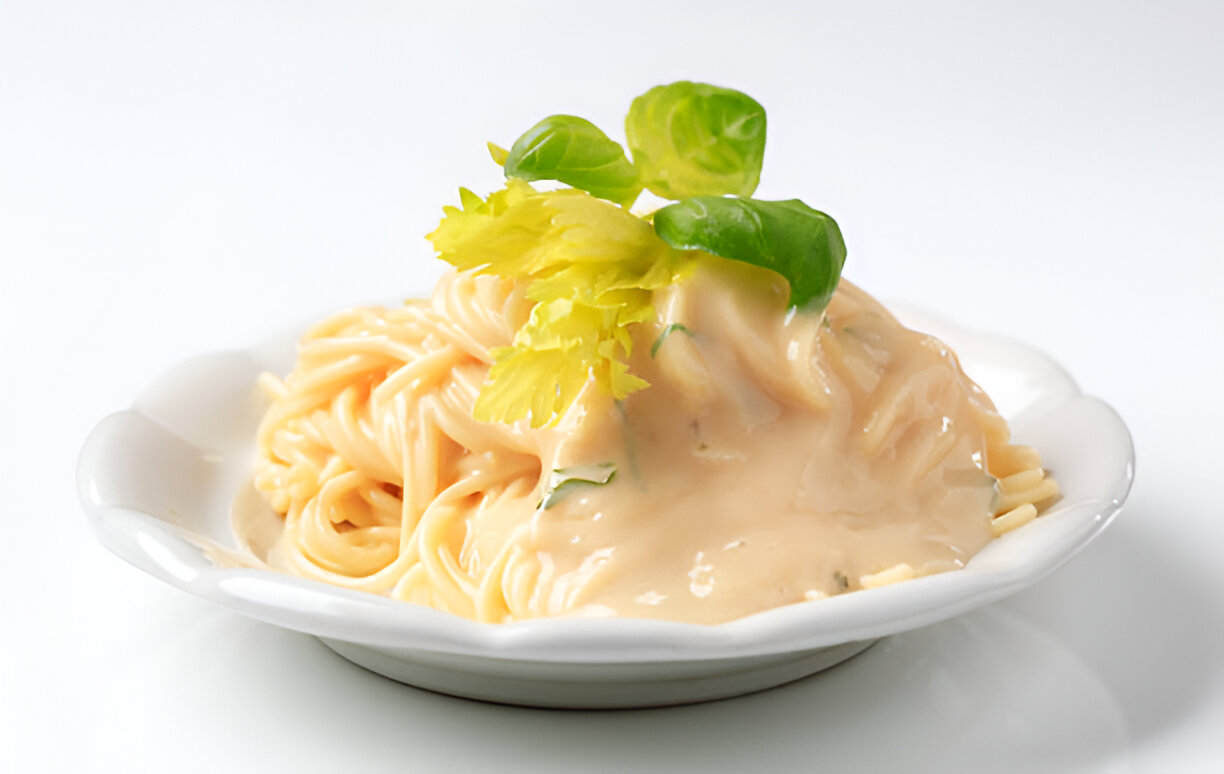
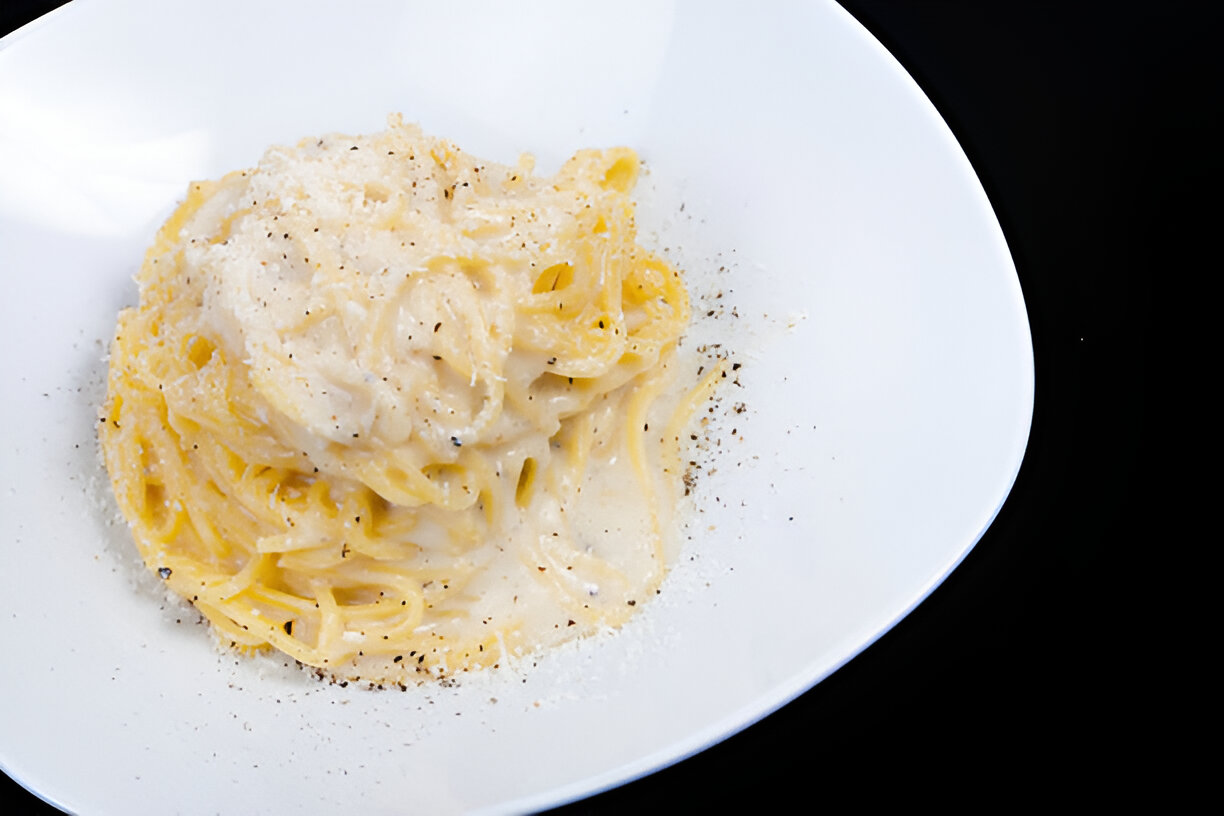
Cheesy spaghetti is a comforting dish that features cooked spaghetti pasta combined with a generous amount of melted cheese. This dish can vary widely, from a simple preparation of spaghettini mixed with shredded mozzarella to more elaborate recipes that may include a blend of different cheeses, spices, and sometimes additional ingredients like vegetables or meats. The incorporation of cheese not only enhances the flavor but also gives the pasta a creamy, rich texture that many find irresistible. Whether it’s a quick weeknight meal or a more involved dish for a special occasion, cheesy spaghetti delivers satisfaction with each bite.
1.2 Origin of Cheesy Spaghetti
The origins of cheesy spaghetti can be traced back to Italy, where pasta and cheese have played integral roles in the culinary tradition for centuries. The pairing likely arose out of necessity; simple ingredients like pasta and cheese were accessible and easily transformed into hearty meals. Various regions of Italy put their own spin on cheesy pasta dishes, leading to a multitude of regional variations. For instance, in some areas, a béchamel sauce might be used, while others prefer a simple blend of cheese melted directly onto the pasta. As Italian immigrants spread across the globe, they adapted their recipes to local ingredients, giving birth to beloved variations found in homes and restaurants worldwide.
1.3 Why Cheesy Spaghetti is Popular
Cheesy spaghetti is often considered a quintessential comfort food. Its creamy, rich flavors evoke feelings of warmth and nostalgia, often reminding people of home-cooked meals shared with family. The influence of Italian cuisine on global food culture has also played a significant role in its popularity. As an easily adaptable dish, cheesy spaghetti can fit into any dining occasion, whether it’s a casual weekday dinner or part of a festive gathering. Moreover, the universality of pasta combined with cheese appeals to a wide range of tastes, making it a favorite among children and adults alike.
2. Ingredients for Cheesy Spaghetti
2.1 Essential Ingredients
To create a delectable cheesy spaghetti dish, certain ingredients are essential. The foundation of the dish is, of course, spaghetti pasta—whether traditional or whole wheat, it provides the perfect base. The star of the dish is the cheese; popular varieties include Parmesan, known for its sharpness; mozzarella, famed for its gooey melt; and cheddar, which adds a robust flavor. Additionally, flavor enhancers such as olive oil, minced garlic, and fresh herbs can elevate the dish further, creating a balanced and satisfying meal.
2.2 Tips on Choosing the Right Cheese
When it comes to selecting cheese for your spaghetti, consider both the aging and melting properties of the cheese. Younger cheeses, like fresh mozzarella, typically melt beautifully, creating a creamy consistency, while aged cheeses, such as Parmigiano-Reggiano, can add depth and flavor. A mix of cheeses often yields the best results; combining a creamier cheese with a sharper one offers a delightful contrast that enhances the overall dish.
2.3 Alternative Ingredients for Variations
For those with dietary restrictions or preferences, there are plenty of alternative ingredients to explore. Gluten-free pasta options, such as lentil, chickpea, or quinoa pasta, can be used without compromising on flavor. For vegan cheese lovers, numerous brands offer plant-based cheeses that melt just like traditional cheese. These variations ensure that everyone can enjoy the comforting experience of cheesy spaghetti, regardless of dietary needs.
3. Cheesy Spaghetti Recipe
3.1 Classic Cheesy Spaghetti Recipe
Ingredients
– 8 oz spaghetti
– 2 cups shredded cheese (mix of cheddar and mozzarella)
– 1 tbsp olive oil
– 2 cloves garlic, minced
– Salt and pepper to taste
Directions
- Cook the spaghetti according to package instructions in salted water until al dente.
- In a separate pan, heat olive oil over medium heat and sauté minced garlic until fragrant, about 1 minute.
- Drain the spaghetti and add it to the pan with the garlic mixture, tossing to combine.
- Gradually stir in the shredded cheese, allowing it to melt and create a creamy consistency. If needed, add a splash of pasta water to help with melting.
- Season with salt and pepper to taste. Serve hot, garnished with additional cheese or fresh herbs if desired.
Tips for Perfect Cheesy Spaghetti
– To avoid clumping, incorporate the cheese gradually and stir continuously while it melts.
– For a creamier texture, consider adding a splash of cream or milk before the cheese.
4. Variations of Cheesy Spaghetti
4.1 Cheesy Spaghetti with Spinach
Adding fresh spinach to your cheesy spaghetti not only boosts the nutritional value but also introduces a delightful flavor. Simply sauté fresh spinach in olive oil before combining it with the pasta and cheese mixture. This variation provides added vitamins and a pop of color.
4.2 Cheesy Spaghetti Bake
For a heartier dish, consider making a cheesy spaghetti bake. After mixing the cooked spaghetti with cheese, pour it into a baking dish, top it with additional cheese and breadcrumbs, and bake at 375°F (190°C) for 20-25 minutes until bubbly and golden brown. This creates a delicious crust and a satisfying texture.
4.3 Spicy Cheesy Spaghetti
For those who enjoy a kick, adding spicy elements like red pepper flakes, jalapeños, or even a dash of hot sauce can elevate your cheesy spaghetti. Toss in sautéed peppers along with the cheese for an extra layer of flavor.
5. Pairing Cheesy Spaghetti with Sides
5.1 Popular Side Dishes
When serving cheesy spaghetti, consider pairing it with:
- Garlic bread: A classic accompaniment that provides a crunchy contrast to the creamy pasta.
- Fresh salads: A light green salad with vinaigrette can balance the richness of the cheesy dish.
5.2 Wine and Beverage Pairings
To complement cheesy spaghetti, here are some beverage suggestions:
- Wines: A light-bodied white wine like Pinot Grigio or a medium-bodied red such as Chianti pairs wonderfully.
- Non-alcoholic alternatives: Sparkling water with lemon or an herbal iced tea can refresh the palate between bites.
6. Health Considerations
6.1 Nutritional Breakdown
While cheesy spaghetti is undeniably delicious, it’s important to be mindful of its nutritional content. Typical servings can range in calories based on cheese and pasta types, as well as added ingredients.
6.2 Tips for Healthier Cheesy Spaghetti
To make your cheesy spaghetti more health-conscious, consider:
- Opting for low-fat cheese varieties to reduce calories and fat.
- Incorporating vegetables such as zucchini, bell peppers, or broccoli for added fiber and nutrients.
7. FAQs
7.1 What is the best cheese for spaghetti?
The best cheese for spaghetti largely depends on personal preference. A combination of mozzarella for creaminess and Parmesan for sharpness is often ideal.
7.2 Can you make cheesy spaghetti in advance?
Yes, cheesy spaghetti can be prepared ahead of time. Store it in the refrigerator for up to 2 days and reheat before serving.
7.3 How do you store leftover cheesy spaghetti?
Leftover cheesy spaghetti should be stored in an airtight container in the refrigerator. It can last for 3 to 4 days.
7.4 Is cheesy spaghetti suitable for kids?
Absolutely! Cheesy spaghetti is usually a hit with children due to its appealing flavors and fun, comforting texture.
7.5 Can you make cheesy spaghetti without pasta?
Yes, you can use alternatives like spiralized vegetables (zucchini or carrots) or gluten-free pasta options while enjoying the cheesy goodness.
8. Conclusion
Cheesy spaghetti is a versatile dish that offers delightful possibilities for any meal. From classic recipes to exciting variations, there’s always a new way to enjoy this comforting favorite. So, don’t hesitate to experiment, get creative with your ingredients, and share your delicious cheesy creation with others!
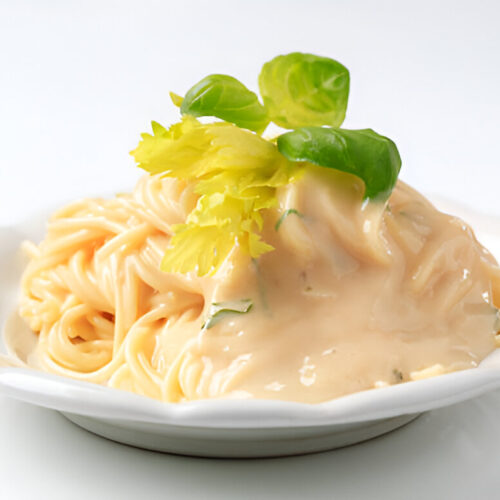
cheesy spaghetti
Equipment
- 1 large pot
- 1 colander
- 1 saucepan
- 1 wooden spoon
- 1 mixing spoon
- 1 serving bowl
Ingredients
- 12 ounces spaghetti
- 1 cup heavy cream
- 1 cup shredded mozzarella cheese
- 1/2 cup grated Parmesan cheese
- 2 tablespoons unsalted butter
- 2 cloves garlic, minced
- 1/2 teaspoon salt
- 1/4 teaspoon black pepper
- 1/4 teaspoon red pepper flakes Optional
- Fresh parsley for garnish Optional
Instructions
- Bring a large pot of salted water to a boil. Add the spaghetti and cook according to package instructions until al dente, usually around 8-10 minutes. Reserve 1 cup of pasta water, then drain the spaghetti in a colander.
- In a saucepan, melt the butter over medium heat. Add the minced garlic and sauté for about 1 minute until fragrant.
- Reduce the heat to low, then pour in the heavy cream, stirring constantly. Allow it to simmer gently for 2-3 minutes, then gradually stir in the mozzarella and Parmesan cheese until melted and smooth.
- Season the cheese sauce with salt, black pepper, and red pepper flakes (if using). If the sauce is too thick, add some reserved pasta water, a little at a time, until you reach your desired consistency.
- Add the drained spaghetti to the cheese sauce and toss until the pasta is evenly coated.
- Serve the cheesy spaghetti in bowls, garnished with fresh parsley if desired.