Delicious Turkey Soup: Recipes, Tips, and Nutritional Benefits
Turkey soup is a beloved dish that resonates with many as a comforting, hearty meal, often enjoyed during the colder months or after holiday celebrations. Rich in flavor and warmth, this culinary staple is frequently made from leftover turkey, transforming what might be discarded into a nourishing and satisfying soup. Its significance extends beyond taste; turkey soup embodies the spirit of home-cooked meals, family gatherings, and the comforting rituals associated with cooking and sharing food.
Not only does turkey soup deliver on taste, but it also packs a powerful nutritional punch. As a low-calorie option that is high in protein, it provides a wholesome source of sustenance without the guilt. Enriched with vitamins and minerals thanks to the array of vegetables often included, turkey soup serves as a delicious and healthy comfort food for all ages. Whether served as a simple lunch or a filling dinner, turkey soup has a unique ability to bring warmth to our hearts and homes. Its rich heritage and health benefits make it a cherished dish in many households, grounding us in tradition while nourishing our bodies and souls.
1. What is Turkey Soup?
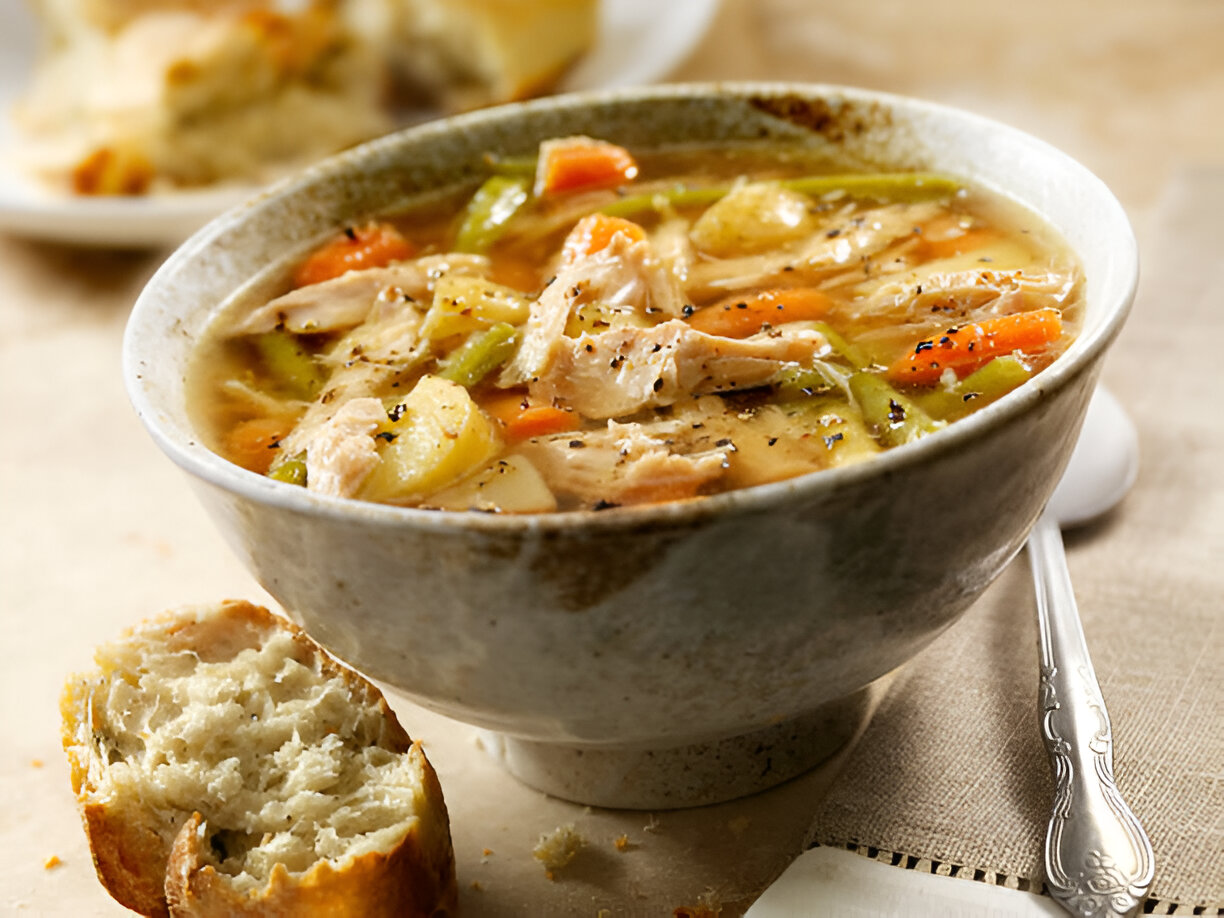
Turkey soup is a savory dish made primarily from turkey, typically using leftover meat and bones to create a flavorful broth. It is often enriched with a variety of vegetables and seasonings, making each bowl a delightful combination of taste and nutrition. At its core, turkey soup is not just a meal; it’s a heartfelt symbol of resourcefulness, especially during the holiday season when turkey is often the star of the table. Its creation transforms remnants into a warm and welcoming dish that can be enjoyed in countless ways.
1.1 Definition of Turkey Soup
Turkey soup can be defined as a soup that incorporates turkey meat as its primary protein source, usually prepared by simmering the bones and meat to extract rich flavors. It can vary in consistency, ranging from a thick, creamy texture to a lighter broth, depending on personal preferences and regional variations. The dish is customizable, allowing for the addition of various vegetables, grains, or pasta, making it versatile and adaptable to different tastes.
1.2 History and Cultural Significance
The history of turkey soup can be traced back to various culinary traditions where resourcefulness in cooking was paramount. In American households, particularly after Thanksgiving, it became a customary practice to make soup from leftover turkey. This practice highlights the cultural significance of minimizing waste and maximizing flavor, turning what could be discarded into a cherished meal. Over the years, it has evolved into a comforting dish associated with family gatherings, holidays, and nostalgia, often passed down through generations.
1.3 Nutritional Benefits
Turkey soup offers a wealth of nutritional benefits, making it a smart choice for those seeking a healthy meal option. It is low in calories, providing a significant sense of fullness without compromising dietary goals. Being high in protein, it supports muscle maintenance and overall health, making it a satisfying choice for all ages. Moreover, turkey soup is rich in vitamins and minerals, particularly when loaded with nutrient-dense vegetables like carrots, celery, and onions, which contribute valuable nutrients that promote well-being.
2. Types of Turkey Soup
Turkey soup comes in various styles, each offering unique flavors and textures. These variations cater to diverse tastes and dietary preferences, ensuring that there is a turkey soup recipe for everyone. Below, we explore some popular types of turkey soup to inspire your culinary creations.
2.1 Traditional Turkey Soup
Traditional turkey soup is the classic rendition, made with leftover turkey, vegetables, and herbs simmered together in a savory broth. Essential ingredients typically include diced carrots, celery, and onions, which are sautéed before adding the broth. The result is a fragrant and hearty soup that pays homage to family traditions and comfort food.
2.2 Creamy Turkey Soup
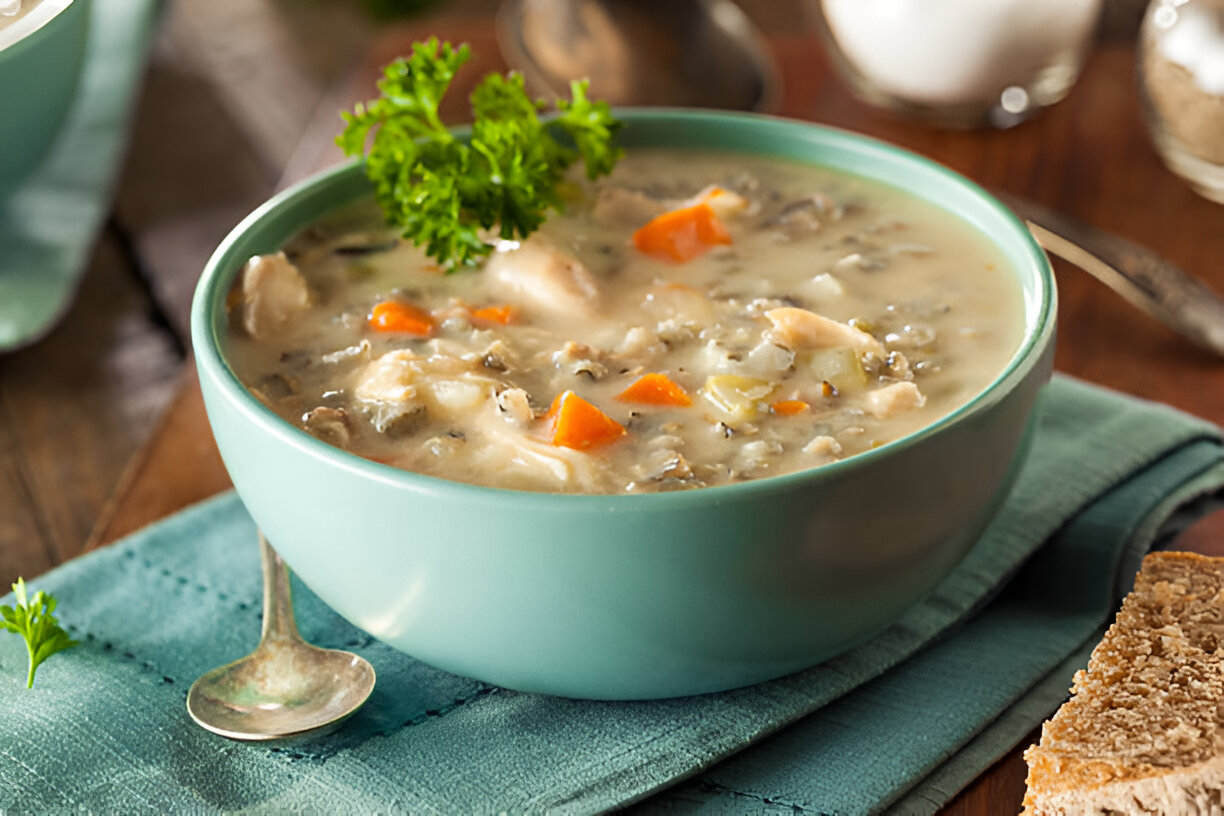
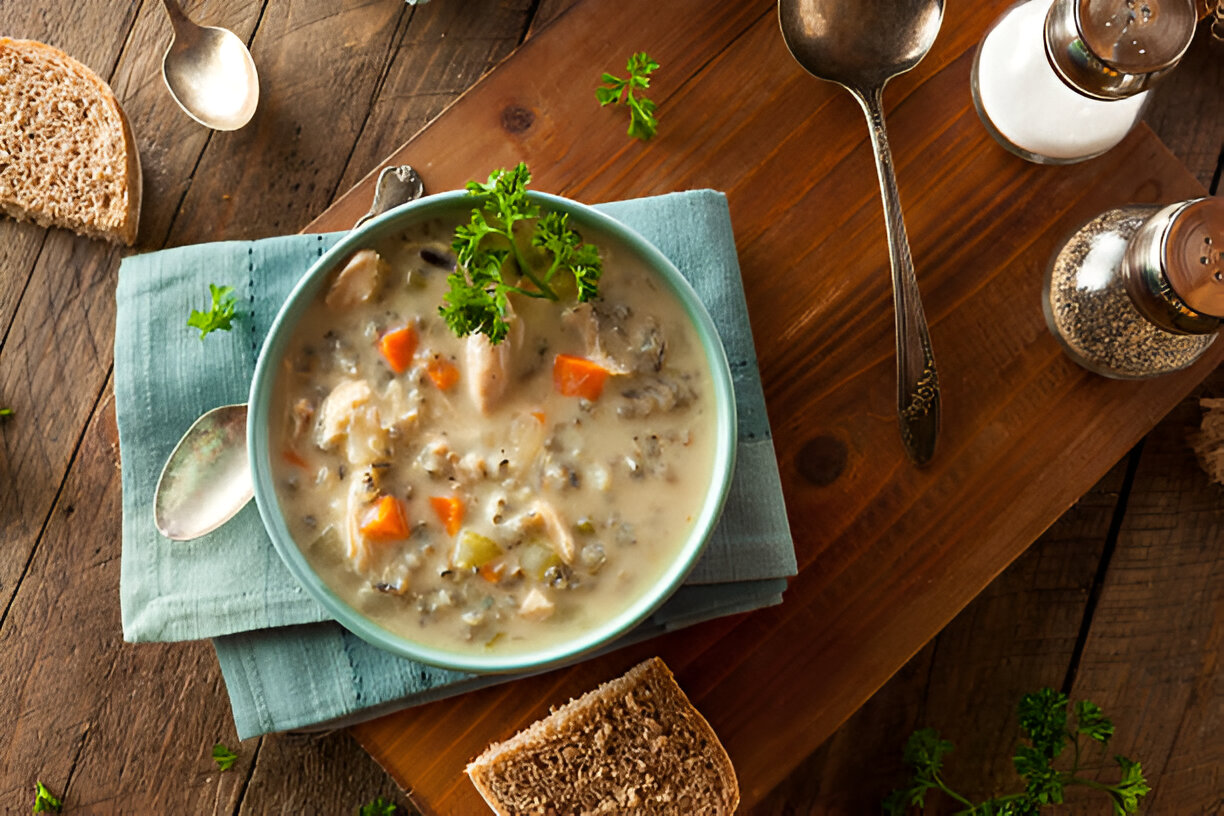
Creamy turkey soup is a luscious twist on the classic recipe, incorporating heavy cream or milk to create a rich, velvety texture. This version often features similar ingredients as traditional soup but with the addition of dairy to enhance the flavor profile. Seasoned with herbs like thyme and topped with fresh parsley, creamy turkey soup provides a luxurious comfort that warms the soul.
2.3 Turkey and Vegetable Soup
This nutritious variant focuses on a medley of vegetables alongside turkey, emphasizing health without sacrificing flavor. Fresh greens, bell peppers, and zucchini can be added to boost the dish’s nutritional value. Enhanced with herbs and spices, turkey and vegetable soup caters to those looking for a wholesome option that’s both filling and flavorful.
2.4 Spicy Turkey Soup
For those who enjoy a kick, spicy turkey soup incorporates bold flavors and heat. This version might include jalapeños, cayenne pepper, or hot sauce to elevate the taste. The added spices not only bring warmth to the dish but also make for an exciting culinary adventure, perfect for warming up on a chilly day.
2.5 Turkey Noodle Soup
A comfort food classic, turkey noodle soup combines the savory elements of turkey soup with the hearty texture of noodles. Whether using egg noodles or another variety, the addition of pasta creates a satisfying, filling meal that resonates with the nostalgia of childhood favorites. Seasoned to perfection, turkey noodle soup is a go-to for many families.
3. Key Ingredients for Turkey Soup
To create a delicious turkey soup, understanding the key ingredients is essential. Each component contributes to the overall flavor and nutritional value of the dish. Below, we break down the essential, complementary, and optional ingredients that can elevate your turkey soup experience.
3.1 Essential Ingredients
- Turkey: Fresh or leftover turkey serves as the primary protein source, providing a rich and savory taste to the soup.
- Broth: Turkey or chicken broth forms the base of the soup, enhancing the flavors and offering depth to the dish.
3.2 Complementary Ingredients
- Vegetables: Carrots, celery, and onions are commonly used. These aromatic vegetables not only add flavor but also contribute important nutrients.
- Herbs and spices: Thyme, bay leaves, salt, and pepper are essential for seasoning, allowing the flavors to meld beautifully.
3.3 Optional Add-ins
- Noodles or rice: Adding noodles or rice can give the soup a heartier texture and make it more filling.
- Cream or milk: For those who prefer a creamier version, incorporating heavy cream or milk can enhance the richness of the soup.
4. How to Make Turkey Soup: A Detailed Recipe
4.1 Ingredients List
4.1.1 Required Ingredients
- Protein: Leftover turkey (or chicken)
- Vegetables: 1 cup diced carrots, 1 cup diced celery, 1 cup diced onions, etc.
- Broth: 8 cups turkey or chicken broth
- Herbs & Spices: 2 bay leaves, 1 teaspoon thyme, salt, and pepper to taste
- Optional Add-ins: 1 cup noodles or rice, ½ cup heavy cream (for creamy variations)
4.2 Directions
4.2.1 Step-by-step Instructions
- Prepare the turkey: If using leftover turkey, ensure it is shredded and ready to add to the pot.
- Sauté vegetables: In a large pot, heat a splash of oil over medium heat, add diced carrots, celery, and onions, and sauté until softened.
- Add broth and seasonings: Pour in the broth, add the turkey, bay leaves, thyme, salt, and pepper, stirring to combine.
- Simmer: Bring the mixture to a boil, then reduce heat and let it simmer for about 30-45 minutes to allow flavors to meld.
- Optional: If using noodles or rice, add them during the last 10-15 minutes of cooking, stirring gently until fully cooked.
- Adjust seasoning and serve: Taste and adjust salt and pepper as needed. Remove bay leaves before serving.
4.3 Cooking Tips and Variations
Using a pressure cooker can speed up the cooking time, making it a quick meal option. For a stovetop version, patience is key to developing flavors fully. Additionally, variations can be made for dietary preferences, such as using gluten-free noodles or opting for a dairy-free cream substitute.
5. Tips for Making the Perfect Turkey Soup
5.1 Choosing the Right Turkey
When making turkey soup, selecting the right turkey is crucial. Fresh turkey yields a rich flavor, while leftover turkey provides convenience and uses up holiday remnants. Consider the overall flavor intensity you desire for your soup.
5.2 Broth Quality
The quality of the broth can significantly impact the final taste of your turkey soup. Homemade broth is often more flavorful and nutritious than store-bought options. If using store-bought broth, opt for low-sodium varieties to control the salt content.
5.3 Cooking Techniques
Simmering the soup gently helps to extract flavors from the turkey and vegetables without boiling them excessively. This technique promotes a more balanced taste and richer color in the soup, enhancing the overall experience.
6. Storage and Reheating Tips
6.1 How to Store Turkey Soup
To store turkey soup, let it cool completely before transferring it to airtight containers. Refrigerating the soup can keep it fresh for up to 3 days. For longer storage, consider freezing the soup in portions, which can last for up to 3 months.
6.2 How to Reheat Turkey Soup
When reheating turkey soup, do so gently on the stovetop over medium heat, stirring frequently. If frozen, allow the soup to thaw in the fridge overnight before reheating. The microwave can also be used, but be cautious of uneven heating.
7. Common Mistakes to Avoid
7.1 Adding Too Much Salt
One of the most common mistakes is over-seasoning the soup with salt. Remember that broth often contains salt, so it’s best to start with less and adjust after tasting.
7.2 Overcooking the Vegetables
Be mindful of cooking times for vegetables; overcooking can lead to mushiness. Adding heartier vegetables like carrots at different stages can ensure they maintain some texture.
7.3 Skipping the Seasoning
Avoiding seasonings can result in bland soup. Experimenting with herbs and spices will enhance the flavor and make the soup more enjoyable.
8. FAQs about Turkey Soup
8.1 Can I use any turkey for soup?
Yes, you can use any turkey, including leftover turkey from holiday meals or fresh turkey. Both options work well.
8.2 How long does homemade turkey soup last?
Homemade turkey soup can last up to 3 days in the refrigerator and can be frozen for up to 3 months.
8.3 Can I freeze turkey soup?
Absolutely! Freezing turkey soup is an excellent way to preserve it for a longer period. Just ensure it’s stored in airtight containers.
8.4 What vegetables work best in turkey soup?
Common vegetables such as carrots, celery, onions, and peas work well. You can also add greens like spinach or kale for added nutrition.
8.5 Can I make turkey soup in a slow cooker?
Yes, turkey soup can be made in a slow cooker by combining all ingredients and cooking on low for 6-8 hours or high for 3-4 hours.
Conclusion
Turkey soup is a dish that not only preserves the flavors of turkey but also embodies the essence of comfort and tradition. With its numerous variations, key ingredients, and easy preparation methods, making turkey soup at home can be a rewarding experience. As you explore different types and recipes, you’ll appreciate the warmth and nourishment it brings to your table.
Call to Action
We invite you to share your own turkey soup recipes or variations with us! Join our community of turkey soup enthusiasts and help spread the joy of cooking this classic comfort food.
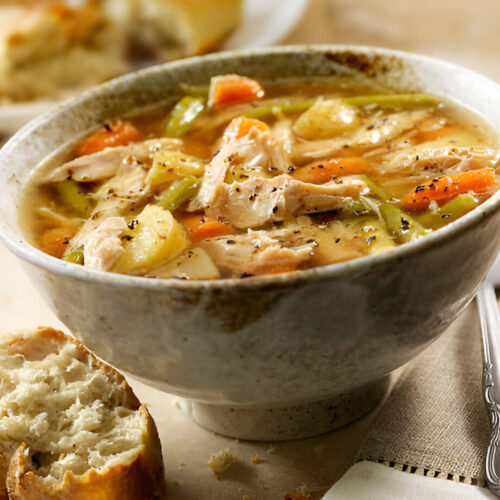
turkey soup
Equipment
- 1 large pot or Dutch oven
- 1 cutting board
- 1 measuring cups and spoons
- 1 ladle
- 4 serving bowls
Ingredients
- 2 cups cooked turkey, shredded
- 1 tablespoon olive oil
- 1 medium onion, diced
- 2 carrots sliced
- 2 stalks celery, sliced
- 3 cloves garlic, minced
- 6 cups chicken or turkey broth
- 1 teaspoon dried thyme
- 1 teaspoon dried rosemary
- 1 bay leaf
- to taste salt
- to taste black pepper
- 1 cup frozen peas optional
- 1 cup egg noodles optional
Instructions
- Heat olive oil in a large pot or Dutch oven over medium heat.
- Add diced onion, sliced carrots, and sliced celery. Sauté for about 5-7 minutes, or until the vegetables are tender.
- Stir in minced garlic and cook for another minute until fragrant.
- Add the shredded turkey, chicken or turkey broth, dried thyme, dried rosemary, and bay leaf to the pot. Bring to a boil.
- Reduce the heat to a simmer and let cook for about 30 minutes, allowing the flavors to meld together.
- If using, add frozen peas and egg noodles in the last 10 minutes of cooking, cooking until the noodles are tender.
- Season with salt and black pepper to taste. Remove the bay leaf before serving.
- Ladle the soup into bowls and serve hot.