
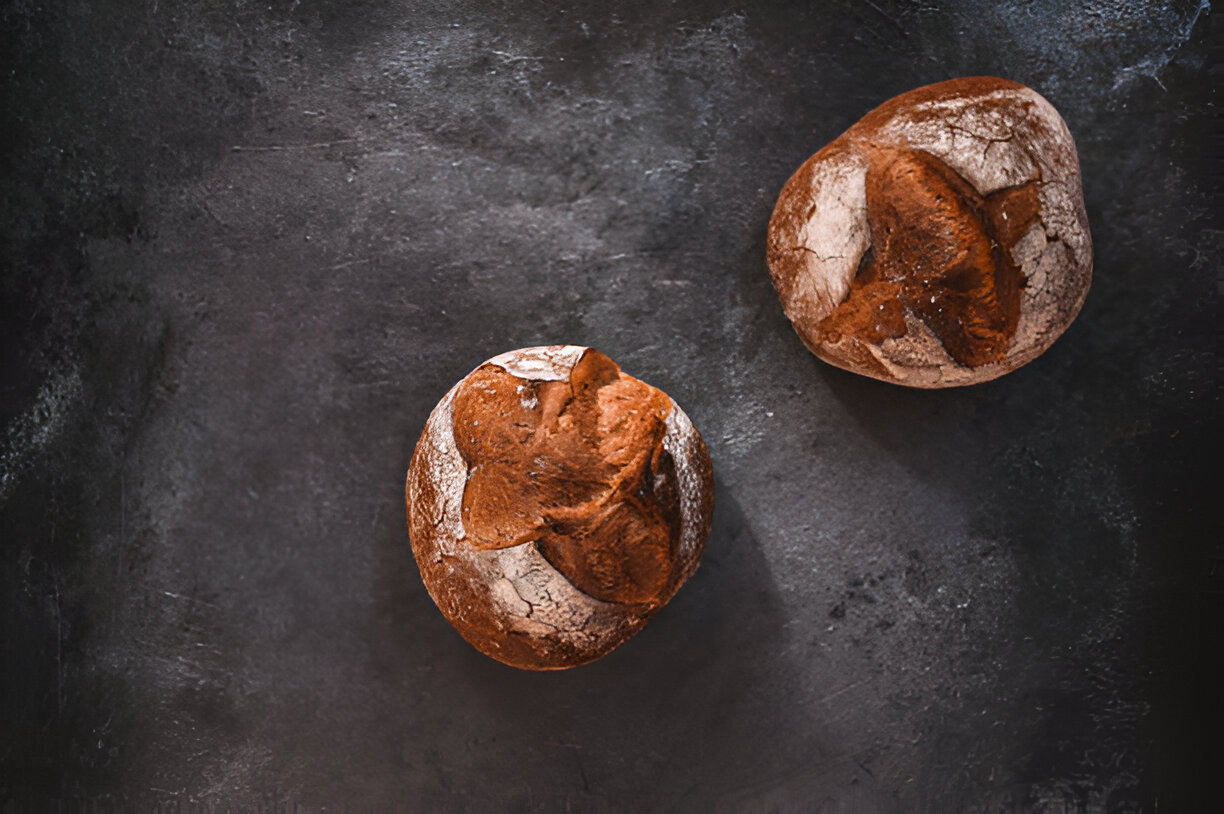
Easy Sourdough Bread Recipes for Beginners and Experts
Sourdough bread, one of the oldest forms of bread known to humanity, has experienced a remarkable revival in modern baking culture. Tracing its origins back to ancient civilizations, sourdough relies on a process of natural fermentation that not only contributes to its distinctive flavor and texture but also empowers home bakers with the ability to harness wild yeast and bacteria present in the environment. This age-old technique has found newfound popularity, especially in recent years, as people seek authentic, wholesome alternatives to commercially produced bread.
The importance of natural fermentation cannot be overstated; it enhances the bread’s nutritional profile while creating unique flavors that are difficult to replicate with commercial yeast. Sourdough is not merely a recipe; it is a journey that connects us to a time when baking was an artisanal craft. In this article, readers can expect to delve into the fundamentals of sourdough bread, from understanding the essential ingredients and tools to exploring step-by-step recipes suitable for beginners and experienced bakers alike. Along the way, we will also uncover the countless benefits of baking sourdough at home, encouraging you to embrace this delicious and rewarding culinary adventure.
What is Sourdough?
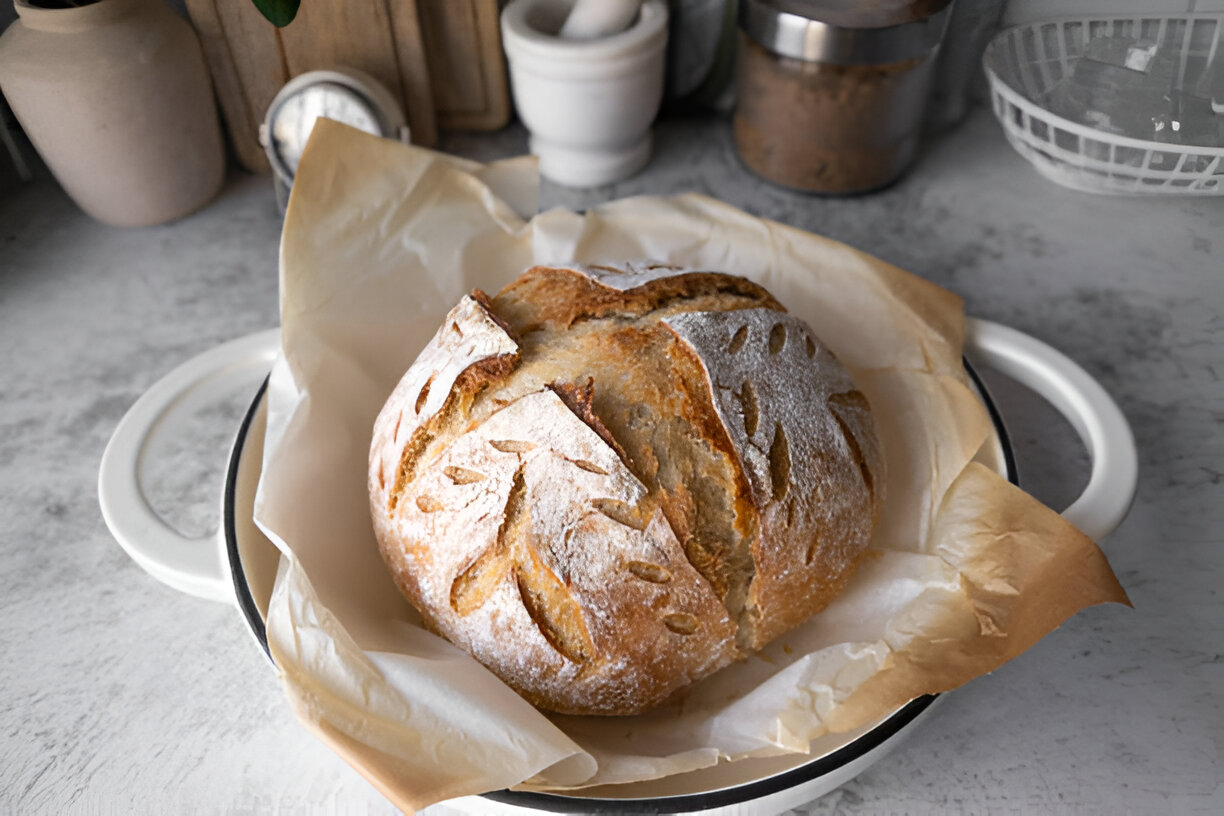
Sourdough bread is a type of bread that is made through a natural fermentation process. Unlike conventional bread, which relies on commercial yeast for leavening, sourdough utilizes a symbiotic culture of bacteria and wild yeast. This unique microbial environment not only gives sourdough its signature tangy flavor but also contributes to its unique texture and structure.
One of the defining characteristics of sourdough is its sourdough starter, a mixture of flour and water that captures wild yeast and lactic acid bacteria from the surrounding environment. The fermentation process transforms this mixture, creating a living culture that can be fed and maintained over time. As the starter ferments, it develops flavor and strength, providing the foundation for the bread-making process. This contrasts sharply with other types of bread, which often rely on store-bought yeast that can produce a more uniform but less complex flavor.
Through the sourdough fermentation process, various biochemical reactions occur. These reactions not only leaven the bread but also result in a myriad of beneficial compounds, enhancing flavor and nutrition. The result is a loaf that is both delicious and satisfying, connecting bakers with an age-old tradition that celebrates the complex interplay of ingredients and natural processes.
Benefits of Baking Sourdough Bread
Baking sourdough bread at home is not just a rewarding culinary experience; it comes with several significant benefits. For starters, sourdough is known for its lower glycemic index, meaning that it causes a more gradual rise in blood sugar levels compared to conventional bread. This makes it a preferred choice for those watching their blood sugar or seeking healthier carbohydrate options.
Additionally, the natural fermentation process enhances the bread’s digestibility. The wild yeast and bacteria present in sourdough help break down gluten and phytic acid, making essential nutrients more bioavailable. For individuals with mild gluten sensitivities, sourdough may be a more palatable option, though it’s important to note that it is not gluten-free.
In terms of flavor, sourdough offers a distinctive complexity that is difficult to find in commercially produced bread. The fermentation process creates layers of taste that can range from mildly tangy to robustly sour, allowing for a versatile ingredient that can elevate a variety of dishes.
Finally, baking sourdough at home is environmentally friendly. It reduces dependence on mass-produced bread, which often involves packaging and transportation emissions. By cultivating your own sourdough starter and baking your own loaves, you can enjoy fresh, delicious bread while minimizing your carbon footprint.
Benefits of Baking Sourdough Bread
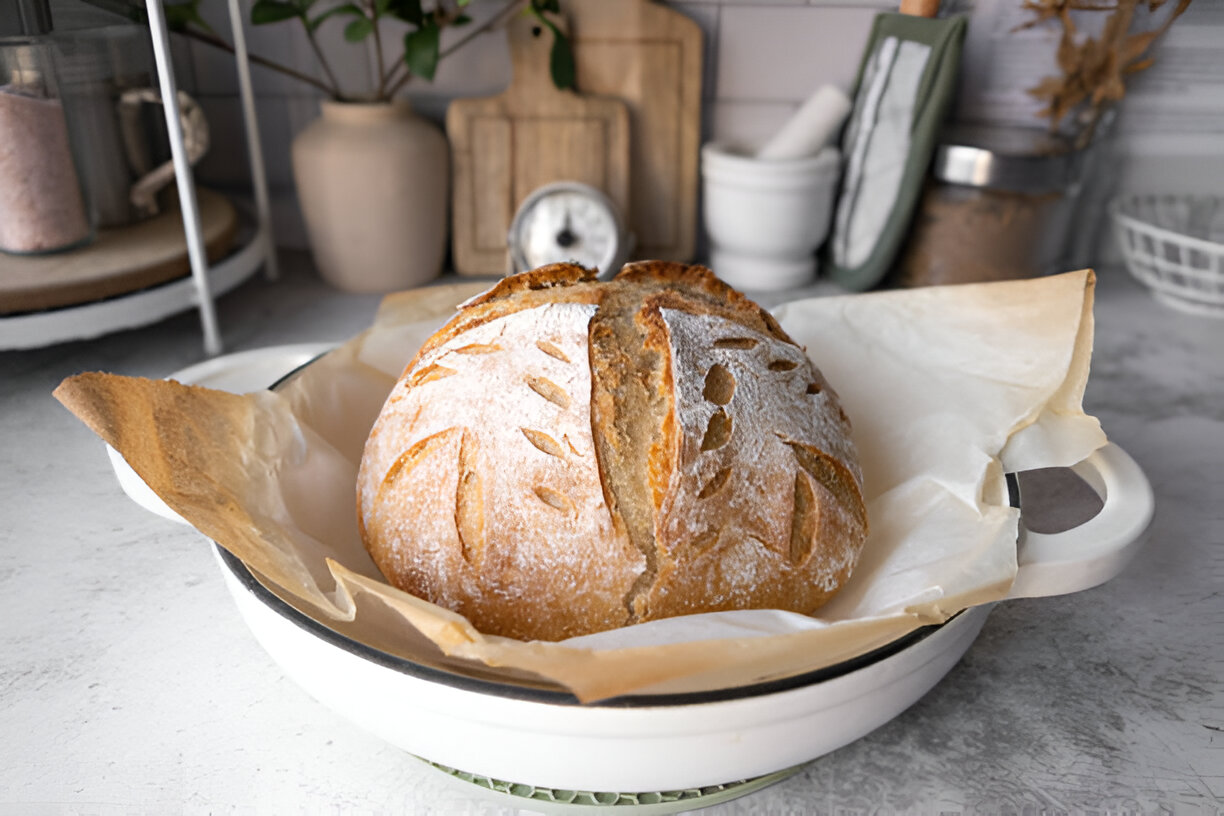
Baking sourdough bread at home is not just a rewarding culinary experience; it comes with several significant benefits. For starters, sourdough is known for its lower glycemic index, meaning that it causes a more gradual rise in blood sugar levels compared to conventional bread. This makes it a preferred choice for those watching their blood sugar or seeking healthier carbohydrate options.
Additionally, the natural fermentation process enhances the bread’s digestibility. The wild yeast and bacteria present in sourdough help break down gluten and phytic acid, making essential nutrients more bioavailable. For individuals with mild gluten sensitivities, sourdough may be a more palatable option, though it’s important to note that it is not gluten-free.
In terms of flavor, sourdough offers a distinctive complexity that is difficult to find in commercially produced bread. The fermentation process creates layers of taste that can range from mildly tangy to robustly sour, allowing for a versatile ingredient that can elevate a variety of dishes.
Finally, baking sourdough at home is environmentally friendly. It reduces dependence on mass-produced bread, which often involves packaging and transportation emissions. By cultivating your own sourdough starter and baking your own loaves, you can enjoy fresh, delicious bread while minimizing your carbon footprint.
Essential Ingredients for Sourdough Bread
To successfully bake sourdough bread, it is crucial to understand the essential ingredients involved in the process.
Flours
- Types of flour: The type of flour you choose plays a significant role in the final outcome of your sourdough. Common options include bread flour, whole wheat flour, and rye flour. Each brings unique flavors and textures to the bread.
- Importance of gluten content: Flour with higher gluten content contributes to better structure and rise in your bread. Bread flour is typically preferred due to its higher protein level, which supports fermentation and leavening.
Water
The quality of water used in sourdough bread is also important. Filtered or bottled water is recommended, as it lacks the chlorine and other chemicals that can disrupt the fermentation process. Additionally, water temperature can affect yeast activity, with lukewarm water generally being the best choice to encourage fermentation.
Sourdough Starter
The sourdough starter is a living culture essential for baking sourdough bread. You can either create your own starter from scratch using flour and water or source one from a friend or online community. Maintaining the starter requires regular feedings of flour and water to keep the microbial culture active and strong.
Tools Needed for Sourdough Baking
Having the right tools can make the sourdough baking experience smoother and more enjoyable. Essential tools for baking sourdough bread include:
- Mixing bowl: A large mixing bowl is necessary for combining ingredients and allowing the dough to rise.
- Bench scraper: This tool helps with cutting and shaping the dough and transferring it easily to your baking surface.
- Dutch oven or baking stone: These tools create a humid baking environment, ensuring a better rise and crust texture.
- Kitchen scale: For precise measurements, using a kitchen scale ensures consistency in your baking.
- Thermometer: A thermometer helps monitor water temperature and dough warmth, both crucial for successful fermentation.
Beginner’s Sourdough Bread Recipe
Ingredients
- 500g bread flour
- 350g water
- 100g active sourdough starter
- 10g salt
Directions
Mixing the Dough
Begin by combining the flour and water in a large mixing bowl. Let the mixture rest for about 30 minutes; this process is known as autolyse. After the rest period, incorporate the active sourdough starter and salt, mixing until a rough dough forms.
Bulk Fermentation
Cover the bowl with a damp cloth and allow the dough to rise in a warm environment for about 4 to 6 hours. During this time, perform stretch and fold techniques every 30 minutes to develop gluten strength.
Shaping and Pre-Shaping
Once the dough has risen significantly, gently turn it out onto a floured surface. Pre-shape the dough into a round and let it rest for 20 minutes. After resting, perform the final shaping to create a tight round or oval, depending on your preferred loaf shape.
Proofing
Place the shaped dough into a proofing basket or bowl lined with a floured cloth. Allow it to proof for 2 to 4 hours at room temperature or overnight in the refrigerator for better flavor development.
Baking
Preheat your oven to 450°F (230°C) with a Dutch oven inside. Once hot, carefully remove the Dutch oven and place the dough inside, covering it with the lid. Bake for 30 minutes covered, then remove the lid and bake for an additional 15 to 20 minutes until the crust is golden brown.
Tips and Tricks for Perfect Sourdough
- Monitor timing and temperature closely, as both can significantly impact fermentation and ultimately the final loaf.
- Avoid common mistakes such as over-proofing or under-kneading the dough, which can lead to poor texture and flavor.
Advanced Sourdough Bread Variations
Sourdough Focaccia
For a flavorful variation of sourdough bread, try making sourdough focaccia. Use the same starter and hydration levels, and incorporate ingredients like rosemary and garlic for added flavor. After bulk fermentation, spread the dough in a well-oiled baking pan and create dimples with your fingers before allowing it to proof again. Bake at 425°F (220°C) for 20 to 25 minutes.
Sourdough Boule
This classic round loaf requires similar ingredients but focuses on creating a tighter, more structured dough. After mixing and bulk fermentation, gently shape the dough into a boule and allow it to proof in a banneton before baking it in a preheated Dutch oven. The result will be a beautifully crusty loaf with an airy crumb.
FAQs About Sourdough Bread Recipes
What is the best flour to use for sourdough bread?
The best flour for sourdough bread is high-protein bread flour, which provides the necessary gluten development for a good rise. Whole wheat or rye flour can also be used for added flavor and nutrition.
How long does it take to make sourdough bread?
The entire process of making sourdough bread, from starter preparation to baking, can take anywhere from 12 to 24 hours, depending on the fermentation times and proofing methods you choose.
Can I use all-purpose flour instead of bread flour?
Yes, you can use all-purpose flour instead of bread flour; however, it may result in a denser loaf with a slightly less pronounced rise. Combining all-purpose flour with whole wheat flour can also yield satisfactory results.
How do I know when my sourdough is ready to bake?
Your sourdough is ready to bake when it has roughly doubled in size, has bubbles on the surface, and passes the “poke test.” Gently poke the dough; if it springs back slowly, it is ready to go into the oven.
Troubleshooting Sourdough Bread Baking
Despite your best efforts, you may encounter issues while baking sourdough. Common problems include:
- Dough not rising: This can be due to an inactive starter or insufficient fermentation time. Ensure your starter is bubbly and active before using it.
- Overly sour taste: If your bread tastes too sour, consider reducing the fermentation time or adjusting feeding frequencies of your starter.
- Dense texture: A dense loaf may result from under-hydration or inadequate gluten development. Ensure you are accurately measuring ingredients and effectively performing stretches and folds.
For each issue, adjusting your techniques and being attentive to the fermentation process can lead to a successful and delicious sourdough loaf.
Conclusion
Baking sourdough bread at home is a fulfilling and enjoyable endeavor that connects you with a rich culinary tradition. With practice and patience, you can create loaves that reflect your personal taste while benefiting from the nutritional advantages of natural fermentation. Embrace the experiment, share your results, and find joy in the process of mastering sourdough.
sourdough bread recipes
Equipment
- 1 mixing bowl
- 1 kitchen scale
- 1 whisk
- 1 dough scraper
- 1 proofing basket (banneton)
- 1 Dutch oven or a baking stone with a tray
- 1 parchment paper
- 1 instant read thermometer optional
Ingredients
- 500 grams bread flour
- 375 grams water Room temperature.
- 100 grams active sourdough starter Ensure active and bubbly.
- 10 grams salt
Instructions
- In a large mixing bowl, combine the 500 grams of bread flour and 375 grams of water. Mix using your hands or a whisk until there are no dry bits of flour left.
- Let the dough rest (autolyse) for 30 minutes to help with gluten development.
- After autolyse, add 100 grams of active sourdough starter and 10 grams of salt to the dough. Mix well to incorporate all ingredients.
- Knead the dough for about 10-15 minutes until it becomes smooth and elastic. Alternatively, use the stretch and fold technique.
- Place the kneaded dough back into the bowl, cover it, and let it rise at room temperature for 4-6 hours, until it has doubled in size.
- Gently remove the dough from the bowl onto a lightly floured surface. Shape the dough into a round loaf by tucking the edges towards the center.
- Place the shaped dough into a floured proofing basket (banneton), seam side up, and let it rise for another 2-4 hours at room temperature or refrigerate overnight.
- Preheat your oven to 450°F (232°C) about 30 minutes before the dough is ready.
- Once the dough has fermented, carefully turn it out onto a piece of parchment paper and score the top with a sharp knife.
- Transfer the loaf (with the parchment) into the hot Dutch oven, cover it with the lid, and bake for 30 minutes.
- Remove the lid and bake for an additional 15 minutes, or until the loaf is deeply golden brown.
- Once done, remove the loaf from the oven and let it cool on a wire rack for at least 1 hour before slicing.