Ultimate Guide to Smoked Prime Rib Recipe and Tips
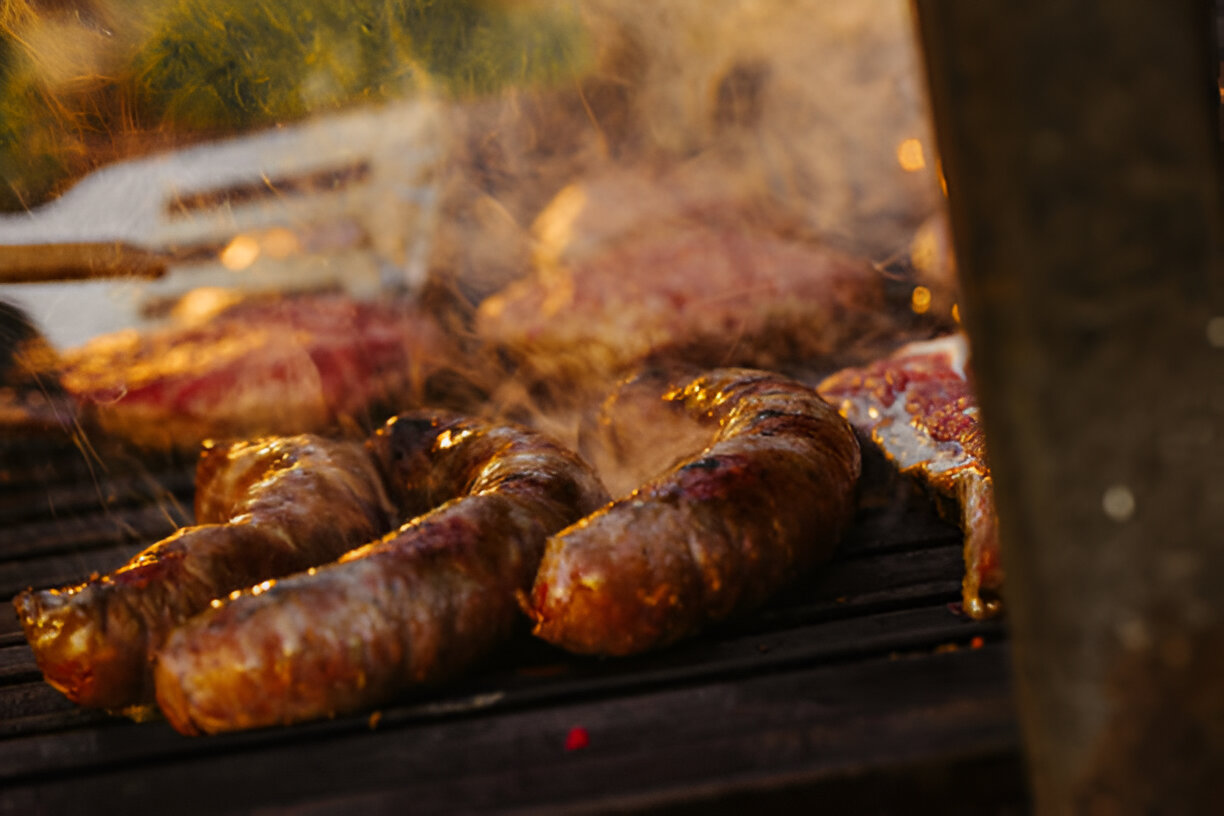
Smoked prime rib is a culinary masterpiece that combines the rich flavors of a classic roast with the distinct, tantalizing taste that only smoking can provide. This cut of meat, known for its exceptional tenderness and marbling, becomes even more irresistible when exposed to low, slow heat and aromatic wood smoke. The smoking process infuses the prime rib with a depth of flavor that enhances its natural qualities, creating an unforgettable dining experience that is sure to impress family and friends alike.
The importance of smoking in cooking extends far beyond mere flavor; it transforms the cooking method into an art form. Smoking not only adds complexity to the meat but also creates a unique texture that elevates every bite. It is a technique rooted in tradition, passed down through generations, and embraced by both amateur cooks and seasoned pitmasters. The ritual of preparing and smoking prime rib can bring families together, making it a cherished activity for gatherings and celebrations.
Whether it’s a family reunion, holiday feast, or a special occasion, smoked prime rib stands out as a centerpiece that captures attention and appetites alike. Its rich aroma and beautiful presentation make it the ideal dish for sharing stories and creating lasting memories around the dining table. As we explore the intricacies of preparing smoked prime rib, we invite you to discover this exceptional dish and the joy it can bring to your next gathering.
1. Understanding Prime Rib
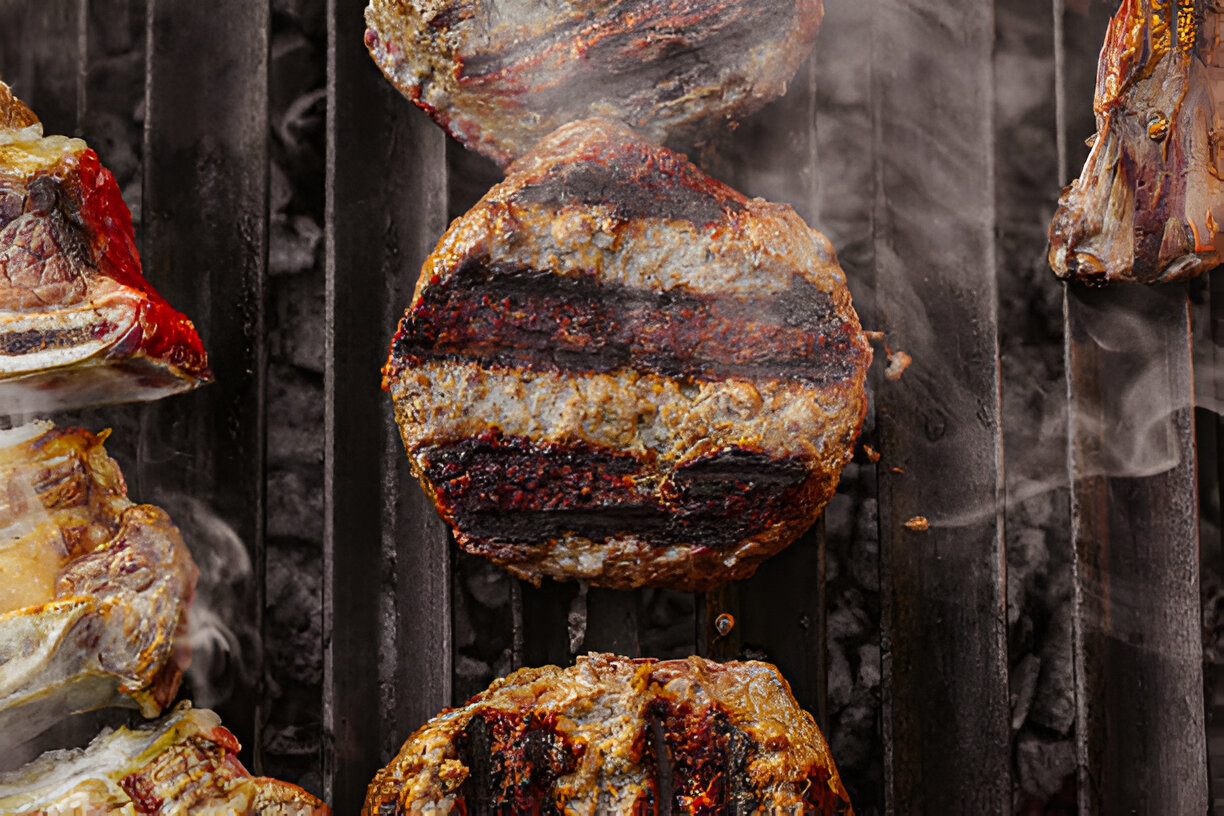
Prime rib, one of the most revered cuts of beef, is both a culinary delight and an expression of indulgence. It comes from the primal rib section of the cow, encompassing ribs six through twelve. This cut is characterized by its copious marbling—intramuscular fat that melts during cooking, resulting in an exceptionally juicy and tender roast. The rich flavor profile of prime rib is primarily attributed to its abundant fat content, which contributes to its melt-in-your-mouth texture and savory taste.
When selecting a prime rib, it’s essential to understand the differences in grading. The USDA classifies beef into several grades, with Prime being at the top, followed by Choice and Select. Prime cuts are known for their superior marbling, making them ideal for smoking. When considering the cut, you can choose between bone-in or boneless prime rib. Bone-in options tend to be more flavorful, as the bones contribute to the depth of flavor during cooking. The boneless variety offers ease of carving, making it a practical choice for gatherings.
For larger gatherings or special occasions, a prime rib roast weighing between 4 to 10 pounds is recommended, allowing for generous portions. As a general guideline, plan for about one pound of meat per person, factoring in leftovers as well. With an understanding of prime rib anatomy and selection, you can confidently embark on your smoked prime rib journey.
2. The Basics of Smoking
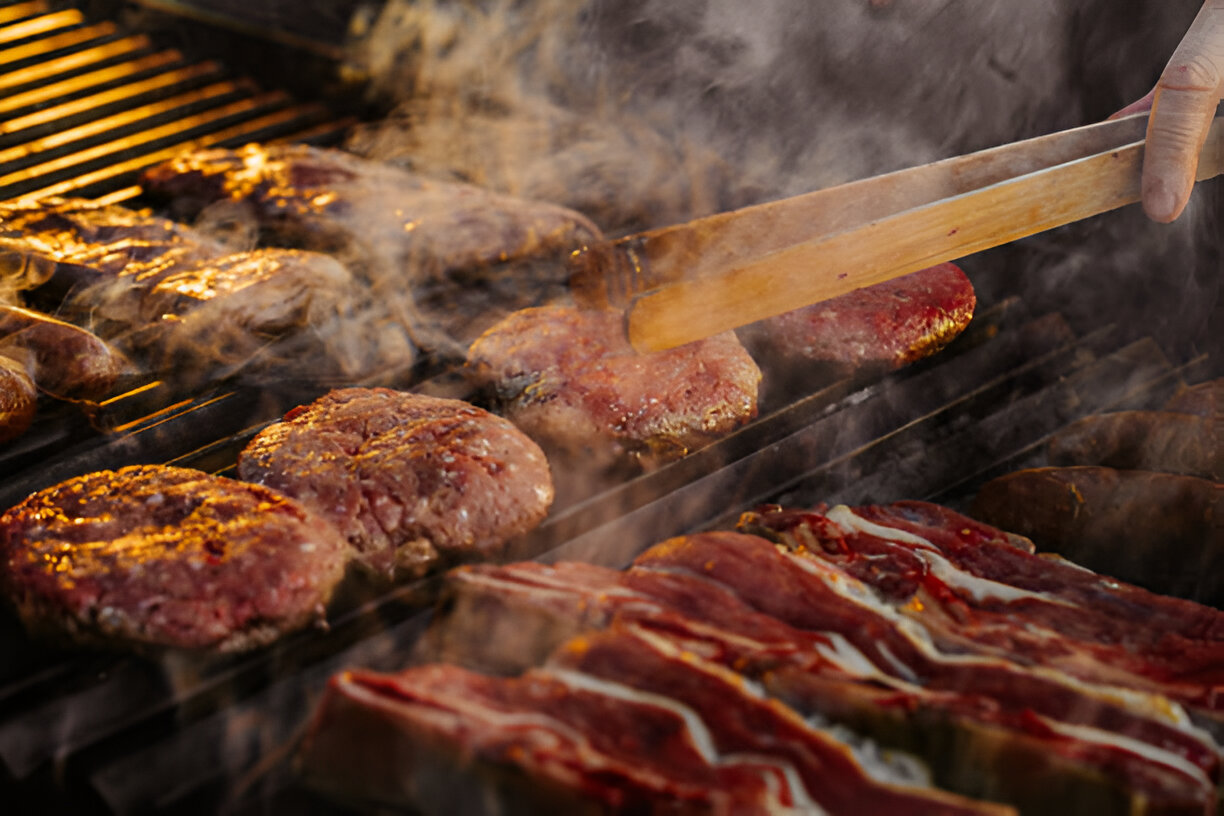
Smoking is a time-honored cooking method that imparts rich flavor to meats through the use of low and slow heat combined with aromatic wood smoke. The process of smoking can be broken down into two main types: hot smoking and cold smoking. Hot smoking occurs at temperatures ranging from 200°F to 300°F and is suitable for cooking meats thoroughly, while cold smoking is done at temperatures below 100°F, typically used to impart flavor without cooking the meat fully. For smoked prime rib, hot smoking is the desired method as it ensures a beautifully cooked and flavorful roast.
There are several types of smokers available for home cooks, each offering unique benefits. Electric smokers are user-friendly, with precise temperature control, making them a great choice for beginners. Charcoal smokers, on the other hand, are favored for their ability to produce a robust, smoky flavor that many purists appreciate. Pellet smokers combine the convenience of electric smokers with the wood-fired flavor, making them a versatile option. Regardless of the method, the art of smoking requires attention to detail for optimal results.
Choosing the right wood for smoking is another essential aspect that can elevate your prime rib. Different woods impart varying flavor profiles. For instance, hickory is known for its strong, smoky flavor, while cherry wood provides a mild, sweet aroma. Mesquite offers a bold smokiness, perfect for those who enjoy intense flavors. A popular technique is to combine different woods to achieve a unique blend of tastes, adding another layer of complexity to the smoked prime rib experience. Understanding these basics of smoking will lay the groundwork for creating a truly unforgettable dish.
3. Preparing for Smoking
Before embarking on your smoked prime rib journey, it’s essential to gather the right tools and equipment to ensure a successful cooking experience. Having the right tools handy will make the process smoother and help you achieve the best results.
3.1 Tools and Equipment Needed
- Meat Thermometer: A reliable digital thermometer is crucial for monitoring the internal temperature of your prime rib, ensuring it reaches the desired doneness.
- Smoking Box: This handy device allows you to add wood chips directly to your smoker, enhancing the flavor during the smoking process.
- Wood Chips: Choose your preferred wood chips for smoking, such as hickory, cherry, or mesquite, to impart unique flavors to your meat.
- Sharp Knife: A good quality knife will make trimming and carving the prime rib much easier.
3.2 Prepping the Prime Rib
Once you have your tools ready, it’s time to prep the prime rib for smoking. Properly preparing the meat is vital to maximize flavor and tenderness.
- Trimming Excess Fat: Start by trimming any large chunks of fat from the outside of the prime rib. While some fat adds flavor, too much can lead to greasy results.
- Seasoning Options: Consider using a dry rub or marinade to enhance the flavor of your prime rib. Popular choices include a mixture of salt, pepper, garlic powder, and herbs, or a marinade of olive oil and fresh herbs.
4. Detailed Smoked Prime Rib Recipe
4.1 Ingredients
- 1 prime rib roast (4-10 pounds)
- 2 tablespoons kosher salt
- 2 tablespoons black pepper
- 1 tablespoon garlic powder
- 1 tablespoon onion powder
- 1 tablespoon fresh rosemary, chopped
- Wood chips (hickory, cherry, or mesquite)
4.2 Directions
- Preparing the Smoker:
- Preheat your smoker to a steady 225-250°F.
- Add your chosen wood chips to the smoker box or tray.
- Rubbing the Seasoning:
- In a small bowl, mix together the salt, pepper, garlic powder, onion powder, and rosemary.
- Rub the spice mixture evenly over the entire surface of the prime rib, ensuring a thorough coating.
- Smoking Process:
- Place the seasoned prime rib directly on the smoker grate, bone side down.
- Monitor the temperature using your meat thermometer, and maintain your smoker’s temperature between 225-250°F.
- As a guideline, plan for approximately 30-45 minutes of smoking time per pound of meat.
- Finishing Touches:
- For a perfect crust, consider reverse searing the prime rib by finishing it on a hot grill or in the oven at 500°F for a few minutes.
- Allow the smoked prime rib to rest covered with aluminum foil for at least 20-30 minutes before carving.
- Use a sharp knife to carve the prime rib into thick slices, serving with desired sides.
4.3 Tips for Success
- Avoid opening the smoker too frequently, as this can lead to temperature fluctuations.
- Keep a consistent smoking temperature for the best results.
- Experiment with seasoning blends to find your preferred flavor profile.
5. Serving Suggestions
5.1 Side Dishes to Complement Smoked Prime Rib
When serving smoked prime rib, it’s essential to have delicious sides that complement the rich flavors of the meat. Here are some classic suggestions:
- Roasted vegetables (carrots, Brussels sprouts, and potatoes)
- Classic mashed potatoes with gravy
- Fresh salads to provide a refreshing contrast
5.2 Beverage Pairings
To elevate your dining experience, consider pairing your smoked prime rib with suitable beverages:
- Full-bodied red wines such as Cabernet Sauvignon or Malbec.
- Rich, dark beers like stouts or porters.
6. Storing and Reheating Leftovers
6.1 Proper Storage Techniques
To make the most of your leftover smoked prime rib, store it properly:
- Wrap the prime rib tightly in aluminum foil to minimize exposure to air.
- Store in the refrigerator for up to 3-4 days, or freeze for longer-lasting storage.
6.2 Reheating Methods
When reheating smoked prime rib, it is essential to do so carefully to preserve flavor and moisture:
- Reheat in the oven at a low temperature (around 250°F), wrapped in foil, for even warming.
- If using a microwave, cover with a damp paper towel to retain moisture but be cautious of overheating.
7. Frequently Asked Questions (FAQ)
7.1 How long does it take to smoke a prime rib?
As a general guideline, plan for approximately 30-45 minutes of smoking time per pound at a temperature of 225-250°F.
7.2 What temperature should prime rib be smoked at?
The ideal smoking temperature for prime rib is between 225°F and 250°F. This range allows the meat to cook evenly while absorbing the smoke flavor.
7.3 Can I smoke a frozen prime rib?
It’s best to thaw your prime rib before smoking to ensure even cooking. A frozen roast can result in uneven cooking and affect the final texture.
7.4 How do I know when my prime rib is done?
The best way to determine if your prime rib is done is by using a meat thermometer. Aim for an internal temperature of 125°F for rare, 135°F for medium-rare, and 145°F for medium.
7.5 What is the difference between smoking and roasting?
Smoking involves cooking meat at low temperatures with wood smoke, infusing unique flavors, while roasting typically refers to cooking meat in the oven without smoke, often at higher temperatures.
Conclusion
Embracing the art of smoking prime rib allows you to create a stunning and flavorful centerpiece for your gatherings. This culinary adventure not only enhances the dish but also provides cherished moments with loved ones around the table. We encourage you to try your hand at this recipe and share your experiences or variations with us!
Call to Action
If you enjoyed this guide on smoked prime rib, be sure to subscribe for more delicious recipes or share this article on social media to inspire fellow cooking enthusiasts!
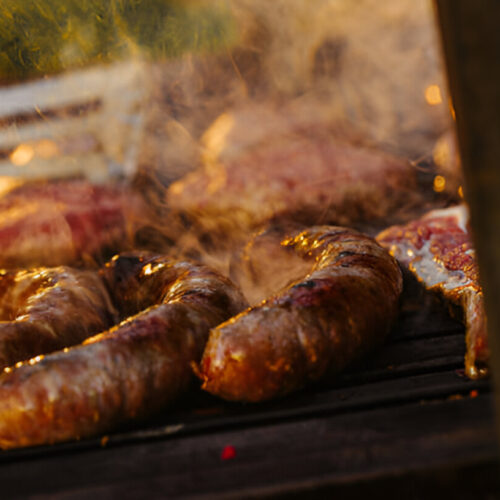
smoked prime rib
Equipment
- 1 smoker
- 1 meat thermometer
- 1 cutting board
- 1 mixing bowl
- 1 aluminum foil
- 1 tongs
Ingredients
- 6-8 lbs prime rib roast
- 3 tablespoons olive oil
- 2 tablespoons kosher salt
- 2 tablespoons black pepper
- 1 tablespoon garlic powder
- 1 tablespoon onion powder
- 1 teaspoon smoked paprika
- 1 teaspoon dried thyme
- 1 teaspoon dried rosemary
- 1 cup beef broth for spritzing
- optional wood chips hickory or oak for smoking
Instructions
- Remove the prime rib roast from the refrigerator and allow it to come to room temperature for about 1 hour.
- In a mixing bowl, combine kosher salt, black pepper, garlic powder, onion powder, smoked paprika, thyme, and rosemary. Rub the olive oil all over the prime rib and then generously apply the spice mixture, ensuring even coverage.
- Preheat the smoker to a temperature of 225°F (107°C). If using a grill, set one side for indirect cooking and add wood chips to achieve smoke.
- Once the smoker or grill is ready, place the prime rib on the cooking grate, bone side down. Insert a meat thermometer to monitor the internal temperature.
- Smoke the prime rib at 225°F until it reaches an internal temperature of 120°F (49°C) for medium-rare, which usually takes about 3 to 4 hours. Spritz with beef broth every hour to keep the meat moist.
- Once the desired temperature is reached, carefully remove the prime rib from the smoker and wrap it in aluminum foil. Allow it to rest for 20-30 minutes.
- After resting, unwrap the roast and slice against the grain. Serve with your favorite sides.