

Delicious Strawberry Jam Recipe and Health Benefits Explained
Strawberry jam is a beloved spread made from ripe strawberries, sugar, and often a touch of lemon juice or pectin for thickness. This sweet and tangy preserve is cherished in kitchens around the world, showcasing the vibrant flavors of fresh strawberries in a jar. Whether slathered on warm toast, dolloped on scones, or used as an ingredient in desserts, strawberry jam adds a burst of fruity goodness that elevates any dish. Its versatility makes it a staple not only for breakfast but also as a delightful addition to various culinary creations, ranging from pastries to sauces.
In addition to its delicious taste, strawberry jam boasts numerous nutritional benefits. Strawberries are rich in antioxidants, vitamins, and minerals, making them a fantastic addition to a healthy diet. They contain vitamin C, which supports immune function and skin health, as well as dietary fiber that aids digestion. This means that enjoying strawberry jam isn’t just a treat for the taste buds—it’s a way to include the healthful properties of strawberries in your daily routine. As more people seek out ways to preserve the flavors of seasonal fruits, strawberry jam remains a popular choice for home canning and gifting, combining practicality with indulgence.

History of Strawberry Jam
The art of jam making has roots that trace back thousands of years, with fruits preserved in sugar as a means to extend their shelf life. Strawberry jam, in particular, gained popularity in European kitchens, especially during the 19th century, as canning methods advanced. Each region brought its own twist to the recipe, leading to unique flavors and techniques. The sweet and tangy combination of strawberries and sugar perfectly encapsulated the essence of summer, making it a favorite among households.
In various cultures, strawberry jam carries a significant culinary heritage. In France, for example, it’s often featured in traditional pastries, while in the United States, it has become a quintessential breakfast staple alongside peanut butter or cream cheese. The cultural significance of strawberry jam extends beyond just being a spread; it often evokes nostalgia, warm memories, and shared family moments, particularly during canning season when families come together to prepare seasonal preserves.
Ingredients for Strawberry Jam
To create a delicious batch of strawberry jam, you’ll need a few essential ingredients:
- Fresh Strawberries: 2 quarts, hulled and mashed for best flavor.
- Sugar: 5 cups, essential for sweetness and preservation.
- Lemon Juice: 1/4 cup (preferably freshly squeezed) to enhance flavor and act as a natural preservative.
- Pectin: 1 box (specifically pectin designed for strawberries) to ensure the jam thickens properly.
Additionally, you may consider adding optional ingredients to elevate your jam’s flavor:
- Vanilla Extract: for a hint of warmth.
- Cinnamon: to provide a touch of spice.
- Other Fruits: for blending purposes, such as raspberries or blueberries, to create unique flavor profiles.
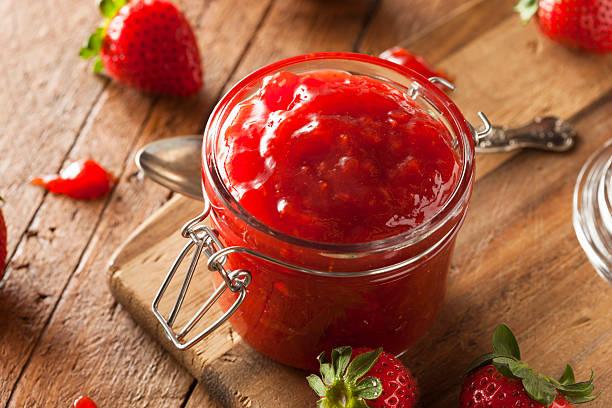
Detailed Strawberry Jam Recipe
Ingredients
To create a delicious batch of strawberry jam, you’ll need:
- Fresh Strawberries: 2 quarts, hulled and mashed for best flavor.
- Sugar: 5 cups, essential for sweetness and preservation.
- Lemon Juice: 1/4 cup (preferably freshly squeezed) to enhance flavor and act as a natural preservative.
- Pectin: 1 box (specifically pectin designed for strawberries) to ensure the jam thickens properly.
Directions
1. Preparation of Strawberries
Start by washing the strawberries thoroughly under running water. Remove the stems and hulls, then mash the strawberries in a bowl using a potato masher or a fork. This will release their juices and create a flavorful base for your jam.
2. Cooking the Mixture
In a large pot, combine the mashed strawberries, lemon juice, and pectin. Stir well to mix the ingredients. Place the pot on the stove over medium-high heat and bring the mixture to a boil, stirring frequently. It’s essential to reach a rolling boil to activate the pectin properly.
3. Adding Sugar
Once the mixture has reached a full rolling boil, gradually add the sugar while continuing to stir. Allow the mixture to return to a full boil and cook for about 1-2 minutes, ensuring the sugar has completely dissolved.
4. Testing for Doneness
To test if your jam is ready, use the plate test: place a spoonful of the jam on a cold plate and let it sit for a minute. Run your finger through it; if it holds its shape, the jam is done. If not, continue boiling for another minute and test again.
5. Canning Process
Prepare your canning jars and lids by sterilizing them in boiling water. Ladle the hot jam into the sterilized jars, leaving about 1/4-inch headspace. Wipe the rim of each jar with a clean cloth to ensure a good seal. Place the lids on the jars, and process them in a water bath for 5-10 minutes to ensure proper sealing.
Advice on Variations and Storage
For exciting flavor variations, consider adding spices such as cinnamon or nutmeg during the cooking process or blending in other fruits, like raspberries, to enhance the taste. When storing your strawberry jam, keep it in a cool, dark place. Once opened, store it in the refrigerator where it can last for several weeks. Unopened canned jam can be stored for up to a year.
Health Benefits of Strawberry Jam
Strawberries are not only delicious but also packed with essential nutrients. They are rich in antioxidants, which help combat oxidative stress, and they contain significant amounts of vitamin C, an essential nutrient that supports immune function and skin health. Moreover, strawberry jam retains dietary fiber found in strawberries, promoting healthy digestion.
Including strawberry jam in your diet can potentially benefit your heart health due to strawberries’ ability to reduce cholesterol levels and improve circulation. Its natural sweetness can also satisfy cravings for sugary snacks, providing a healthier option compared to artificial sweets.
Uses for Strawberry Jam
Strawberry jam is incredibly versatile. It’s commonly used as a spread on toast, bread, pancakes, and waffles, creating a delightful breakfast experience. In baking, it can be incorporated into recipes for pastries, tarts, and cakes, adding a burst of flavor and moisture.
Beyond breakfast and desserts, strawberry jam can be transformed into a base for sauces, marinades, or dressings, enhancing both savory and sweet dishes. Furthermore, it’s a perfect homemade gift that can bring joy to friends and family during special occasions or holiday seasons.
Common Mistakes to Avoid When Making Strawberry Jam
When crafting strawberry jam, certain pitfalls can affect the final product. Here are common mistakes to avoid:
- Using Too Much Sugar: While sugar is essential for proper preservation and sweetness, excessive amounts can lead to overly sweet jam that lacks the natural flavor of strawberries.
- Not Using Enough Pectin: Failing to add the recommended amount of pectin can result in a runny or soupy jam. Always follow the guidelines on pectin packages for best results.
- Poor Sterilization of Jars: To prevent spoilage, ensure your jars and lids are properly sterilized. Inadequately sterilized jars can lead to contamination, ruining your jam.
FAQs
1. Can you make strawberry jam without pectin?
Yes, strawberry jam can be made without pectin by using the natural pectin present in the fruit. However, the consistency may be thinner, and you may need to cook it longer to achieve the desired thickness.
2. How long does homemade strawberry jam last?
Homemade strawberry jam can last for up to one year when properly canned and sealed. Once opened, it should be refrigerated and consumed within a few weeks.
3. Can you substitute other fruits for strawberries?
Yes, you can substitute other fruits such as raspberries, blueberries, or blackberries for strawberries to create different flavors of jam. Each fruit will provide its own unique taste and sweetness.
4. What are the best ways to use strawberry jam?
Strawberry jam can be used in numerous ways, including as a spread for breakfast items, a filling for cakes and pastries, a topping for yogurt or ice cream, or as an ingredient in savory sauces.
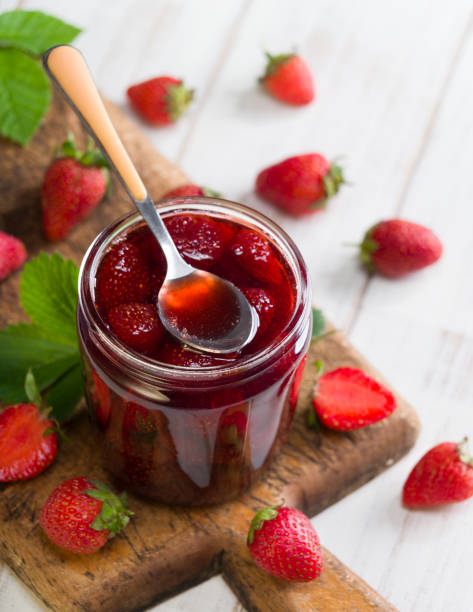
Strawberry Jam
Equipment
- 1 large mixing bowl
- 1 pot or saucepan
- 1 wooden spoon or spatula
- 1 potato masher or fork
- required canning jars with lids
- optional jar lifter
- optional water bath canner
Ingredients
- 2 pounds fresh strawberries, hulled and halved Use fresh, ripe strawberries for the best results.
- 1 ½ cups granulated sugar If you prefer less sweetness, you can reduce the amount.
- ¼ cup lemon juice
- 1 package (1.75 oz) fruit pectin
Instructions
- In a large mixing bowl, mash 2 pounds of hulled and halved strawberries using a potato masher or fork until you reach your desired consistency (smooth or chunky).
- In a large pot or saucepan, combine the mashed strawberries, 1 ½ cups of granulated sugar, ¼ cup of lemon juice, and 1 package of fruit pectin. Stir well to incorporate all the ingredients.
- Place the pot over medium-high heat and bring the mixture to a boil, stirring constantly. Once boiling, continue to boil for about 10 minutes.
- To check if the jam is ready, put a small spoonful on a cold plate and let it sit for a minute. Run your finger through the jam; if it holds its shape, it’s ready. If not, boil a little longer while stirring.
- Once the jam has reached the desired consistency, remove it from heat. Pour the hot jam into prepared canning jars, leaving about ¼ inch of headspace at the top. Wipe the rims of the jars with a clean cloth to remove any residue and seal with lids.
- If you plan to store the jam for an extended period, use a water bath canner to process the jars for about 10 minutes to ensure they're sealed properly.
- Allow the jars to cool at room temperature. Store sealed jars in a cool, dark place. Once opened, store in the refrigerator and consume within a few weeks.