
Lobster Roll: History, Types, Recipes, and Best Spots to Enjoy
A lobster roll is a delectable seafood sandwich that features tender lobster meat, often combined with a creamy dressing and served in a soft, buttery roll. This iconic dish has become synonymous with coastal dining, particularly in New England, where the fresh catch thrives. As a celebrated representative of seafood cuisine, lobster rolls not only showcase the rich flavors of the ocean but also serve as a testament to the culinary traditions of the Northeast U.S.
Steeped in history and local pride, lobster rolls are a must-try for seafood enthusiasts and casual eaters alike, drawing people to coastal towns and bustling seafood shacks. Their appeal transcends regional boundaries, capturing the taste buds of food lovers across the country and even beyond. Although variations exist, the classic lobster roll remains a staple, epitomizing the essence of summer days spent by the seaside. The popularity of this dish has given rise to numerous culinary adaptations, yet the core ingredients and preparations continue to resonate with those who savor their unique flavor and nostalgia. Whether enjoyed in a rustic shack against the backdrop of the ocean or recreated in home kitchens, lobster rolls are an irresistible culinary delight that encapsulates the spirit of coastal living.
1. History of the Lobster Roll
The lobster roll, a beloved delicacy of the northeastern United States, has its roots firmly planted in New England’s coastal communities. It is believed to have originated in the early 20th century when lobster became more accessible to the general public. Before this time, lobster was often considered a food for the impoverished, but as transportation improved and the demand for seafood grew, its status transitioned. The first known mention of a lobster roll can be traced back to 1929 at a roadside clam shack in Milford, Connecticut, owned by a man named Lawrence “Larry” F. Smith. His creation was a simple affair, combining fresh lobster meat with mayonnaise and serving it on a toasted bun, thus laying the groundwork for the iconic dish we know today.
As the years went by, the lobster roll gained traction, especially during the post-World War II era, when tourism to coastal regions surged. Cities like Portland, Maine, began to embrace the sandwich, leading to friendly competition among local eateries to claim the title of the best lobster roll. Notable events, such as the opening of seafood markets and festivals, further propelled its popularity, establishing it as a quintessential part of coastal dining in New England and beyond.
2. Types of Lobster Rolls
While the lobster roll is often enjoyed in its classic form, distinct regional variations highlight the culinary creativity and local preferences that have emerged over the years. Two of the most notable are the Maine lobster roll and the Connecticut lobster roll, each boasting its own unique characteristics.
2.1 Maine Lobster Roll
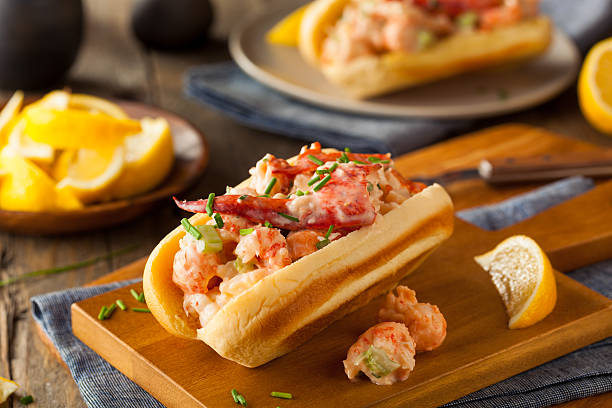
The Maine lobster roll typically features chilled lobster meat, lightly dressed with mayonnaise, and served in a buttered, toasted bun. This version often showcases the sweet, succulent nature of the lobster itself, allowing the flavor to shine through. Common toppings for a Maine lobster roll may include a sprinkle of paprika or a garnish of fresh chopped chives. Pairing it with a side of crispy potato chips or a simple coleslaw complements the dish perfectly, enhancing the coastal dining experience.
2.2 Connecticut Lobster Roll
In contrast, the Connecticut lobster roll presents a warm and buttery alternative. This variation opts for freshly steamed lobster meat, which is gently tossed in melted butter rather than mayonnaise. This approach allows the natural flavors of the lobster to take center stage while adding richness and decadence. Typically served on a grilled, buttered bun, the Connecticut lobster roll can be elevated with the addition of lemon juice, a sprinkle of fresh herbs, or even a dash of Old Bay seasoning for a hint of spice. It’s often paired with a light salad or fries, creating a comforting yet elegant dish.
2.3 Other Variations
As culinary innovation continues to thrive, modern adaptations of the classic lobster roll have started to emerge. Some chefs have experimented with spicy variations that incorporate elements like sriracha or jalapeños, adding heat to the traditional flavor profile. International influences have also made their mark, with fusion versions featuring toppings inspired by Asian or Mediterranean cuisines. Whether it’s a lobster roll prepared with a kimchi slaw or one accompanied by a mango salsa, these creative takes offer a delightful twist on the timeless favorite.

3. Ingredients and Preparation
A perfect lobster roll starts with fresh, high-quality ingredients. The quality of the lobster meat is paramount, as it directly influences the dish’s flavor and texture. Below, we outline the essential components and detailed steps to prepare a classic lobster roll.
3.1 Fresh Ingredients
The cornerstone of a delicious lobster roll is the lobster itself, which is best when sourced locally and cooked shortly before serving. Other typical ingredients include:
- Fresh lobster meat: Ideally, freshly cooked lobster provides the best flavor.
- Butter: For richness, especially in the Connecticut version.
- Mayonnaise: For the Maine lobster roll, it should be creamy and light.
- Celery: Adds a refreshing crunch and texture.
- Lemon juice: Brightens the overall flavor of the mixture.
- Seasoning: A simple blend of salt and pepper works well.
- Rolls: Top-split or regular rolls that are buttered and toasted.
- Optional garnishes: Scallions or herbs add a burst of flavor and color.
3.2 Detailed Recipe
Ingredients
- Fresh lobster meat (about 1 pound)
- 4 tablespoons unsalted butter
- 3-4 tablespoons mayonnaise
- 1/4 cup finely chopped celery
- 1 tablespoon lemon juice
- Salt and pepper to taste
- 4 top-split rolls
- Optional garnishes: fresh herbs, scallions
Directions
- Preparing the Lobster: Cook the lobster by boiling or steaming it for about 8-10 minutes until the shell turns bright red. If boiling, use a large pot of salted water. Once cooked, allow it to cool before extracting the meat from the claws and tail.
- Making the Mixture: In a mixing bowl, combine the lobster meat with mayonnaise, chopped celery, lemon juice, salt, and pepper. Gently fold the mixture together, being careful not to break up the lobster meat too much.
- Assembling the Roll: Melt the butter in a skillet over medium heat and toast the rolls until golden brown on both sides. Fill each roll with the lobster mixture and garnish with optional herbs or scallions for added flavor and presentation.
3.3 Expert Advice
When selecting the best lobster, look for lobsters with a heavy shell and lively movement; these indicators suggest freshness. For home preparation, it’s recommended to steam the lobster for a more delicate flavor. Additionally, pairing your lobster roll with side dishes such as crispy fries, coleslaw, or a light salad complements the meal beautifully.
4. Lobster Roll Nutrition
4.1 Nutritional Breakdown
Lobster rolls offer a delightful balance of flavors and nutrients. Typically, a lobster roll contains approximately 300-500 calories, depending on the ingredients used and portion size. The nutrition profile includes a good source of protein, omega-3 fatty acids, and vitamins. Fresh lobster meat is particularly rich in:
- Protein: Essential for muscle repair and growth.
- Vitamin B12: Important for nerve function and cell production.
- Trace minerals: Such as zinc and copper, supporting overall health.
4.2 Potential Health Risks
While lobster rolls are a delicious treat, it’s essential to be mindful of certain health considerations. Allergies to shellfish are common, and individuals with such allergies should avoid consuming lobster and related products. Additionally, moderation is key, as lobster meat can be high in cholesterol. Enjoying lobster rolls occasionally as part of a balanced diet is the best approach to savoring this coastal delicacy.
5. Where to Find the Best Lobster Rolls
5.1 Local Hotspots
For the ultimate lobster roll experience, New England is home to several renowned restaurants and shacks. Notable places include:
- Luke’s Lobster: Famous for its sustainable seafood and signature rolls, available in multiple locations.
- The Lobster Shack: A quaint eatery offering fresh lobster rolls right by the coast in Cape Elizabeth, Maine.
- Eventide Oyster Co.: Located in Portland, Maine, known for its unique take on the lobster roll.
5.2 Food Trucks and Shacks
Food trucks and local seafood shacks are dotted along the coastal towns, often serving up delicious and affordable lobster rolls. These casual spots usually feature limited but exquisite options, allowing diners to enjoy their meal with an ocean view.
5.3 Lobster Roll Festivals
Throughout the summer, various festivals celebrating lobster rolls take place in New England. These events offer the chance to sample different styles and explore local seafood culture. The Maine Lobster Festival is particularly famous for its lobster-centric activities and dishes, attracting food lovers from far and wide to indulge in this coastal gem.
6. FAQs
6.1 How much does a lobster roll typically cost?
The cost of a lobster roll can vary significantly depending on the location and the quality of ingredients used. On average, you can expect to pay between $15 to $30 per roll in restaurants, while food trucks or casual eateries may offer them for less.
6.2 Can I make a lobster roll with frozen lobster?
While fresh lobster is preferred for the best flavor, frozen lobster can be used if fresh is not available. Ensure to thaw it properly before cooking and use it immediately for optimal taste.
6.3 What can I use instead of lobster in a roll?
If you are looking for alternatives to lobster, crab meat or shrimp can make excellent substitutions, providing a somewhat similar texture and complementing the traditional roll setup.
6.4 How do I store leftover lobster roll ingredients?
To store leftovers, keep the lobster mixture in an airtight container in the refrigerator for up to two days. For the rolls, it’s best to keep them separate to avoid sogginess. Toast the rolls fresh when you’re ready to enjoy the leftovers.
7. Conclusion
Lobster rolls are not just a meal; they encapsulate the essence of coastal living and summer days. With a rich history and various regional adaptations, there is a lobster roll for every palate. Whether you’re creating your own version at home or visiting a local favorite, embracing this seafood delight is sure to please.
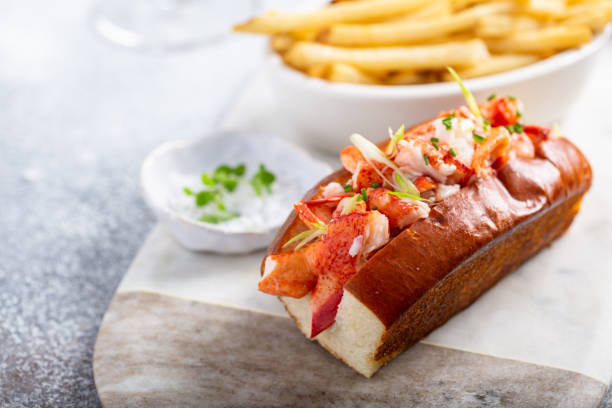
Lobster roll
Equipment
- 1 large pot
- 1 colander
- 1 mixing bowl
- 1 grill or skillet
Ingredients
- 1 1/2 pounds lobster meat, cooked and chopped
- 1/2 cup mayonnaise
- 1 tablespoon Dijon mustard
- 1 tablespoon lemon juice
- 1/4 cup celery, finely chopped
- to taste salt and pepper
- 4 rolls New England-style rolls (or your preferred bread rolls)
- 2 tablespoons unsalted butter, softened
- Fresh chives or parsley, for garnish optional
Instructions
- Start by cooking the lobster if it's not already cooked. Boil the lobster in a large pot of salted water for about 5-7 minutes. Once cooked, remove from water and let cool before chopping.
- In a mixing bowl, combine the chopped lobster meat, mayonnaise, Dijon mustard, lemon juice, and finely chopped celery. Mix well until all ingredients are well incorporated. Season with salt and pepper to taste.
- Heat a grill or skillet over medium heat. Spread softened butter on the outside of each roll to prepare for toasting.
- Place the rolls on the grill or skillet and toast until golden brown, about 2-3 minutes per side.
- Once toasted, fill each roll generously with the lobster mixture.
- If desired, garnish with freshly chopped chives or parsley for added flavor and presentation.