
Ultimate Guide to Chocolate Ganache: Recipes and Tips
Chocolate ganache is a rich and luxurious mixture made from chocolate and cream, revered for its versatility and indulgent texture. It serves as the backbone of countless desserts, acting as a luscious frosting, a glossy glaze, or a decadent filling for pastries and confections. Whether you’re preparing an elegant celebration cake, crafting delightful truffles, or enhancing pies and tarts, ganache elevates baked goods with its smooth finish and deep flavor.
For bakers, mastering chocolate ganache is not just about creating stunning desserts; it’s about understanding a foundational technique that can be adapted and transformed in endless ways. This guide delves into the intricacies of ganache, offering you the knowledge and skills to create the perfect batch every time. From basic recipes to advanced techniques, we’ll explore the science behind ganache, its various uses, and tips for troubleshooting common mistakes. Whether you’re a novice baker or an experienced pastry chef, demystifying chocolate ganache will significantly enhance your baking repertoire.
What is Chocolate Ganache?
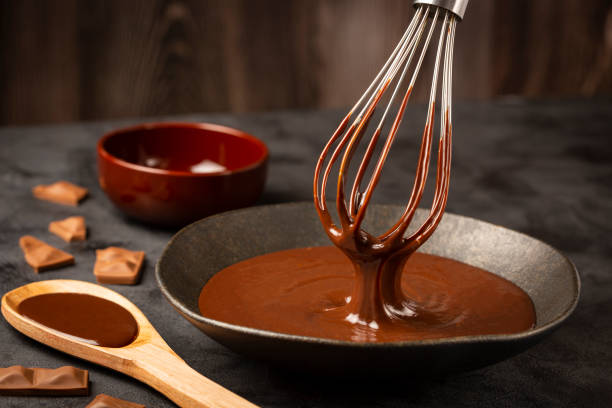
Chocolate ganache is a delightful blend of chocolate and cream, celebrated for its rich, silky texture. At its core, ganache is composed of two main ingredients: high-quality chocolate and heavy cream. The ratio of these ingredients can vary depending on the desired consistency and intended use. Typically, a ganache made with equal parts chocolate and cream yields a thick, fudgy mixture ideal for truffles, while a mixture with a higher ratio of cream results in a pourable glaze.
There are various types of ganache, distinguished by the type of chocolate used. Dark chocolate ganache, made from semi-sweet or bittersweet chocolate, is the most common and provides a deep, intense flavor. Milk chocolate ganache offers a sweeter, creamier profile, making it perfect for those who prefer a softer taste. White chocolate ganache, while technically not a true chocolate, adds a sweet and buttery dimension that can enhance many desserts.
The origins of ganache trace back to the French culinary tradition, where it was first crafted in the 19th century. The name “ganache” is believed to have derived from the French word for “foolish” or “stupid,” reflecting a tale of its accidental creation by a novice pastry chef who inadvertently mixed hot cream with chocolate. Today, ganache is an essential component in the world of baking and dessert making, revered for its versatility and luxurious appeal.
The Science of Chocolate Ganache
Understanding the science behind chocolate ganache is essential for bakers seeking to achieve the perfect texture and flavor. At its core, ganache results from the emulsification process, where fat from the chocolate and cream combines to create a smooth, cohesive mixture. When heated, the cocoa butter in chocolate melts, allowing the cream’s fat to incorporate seamlessly.
The temperature at which the chocolate and cream are combined plays a crucial role in achieving the desired consistency. Heating the cream to a gentle simmer before pouring it over the chocolate helps melt the chocolate evenly, ensuring a silky texture. It is important to stir the mixture gently, allowing air bubbles to escape, which contributes to that glossy finish.
Moreover, the importance of emulsification cannot be overstated. When properly emulsified, ganache becomes thick and luscious. If the mixture is over-stirred or the temperatures are not adequately managed, it can become grainy or separate. This delicate balance of heat and mixing underscores the necessity of mastering the foundational techniques involved in creating chocolate ganache, allowing bakers to unlock its full potential in various applications.

Uses of Chocolate Ganache
Chocolate ganache is not only delectable but also incredibly versatile, making it an essential component for various dessert applications. Here’s how to make the most of this luxurious mixture:
- As a Frosting and Glaze: Ganache can be used to frost cakes and cupcakes, providing a shiny and smooth finish. To achieve a perfect frosting consistency, let the ganache cool and set until it thickens slightly. Spread it on your cake using an offset spatula for a professional touch. For a glaze, simply maintain a warmer temperature while pouring it over your desserts, allowing it to drip elegantly down the sides.
- For Truffles and Confections: Making truffles from ganache is a delicious way to impress your guests. Once the ganache has cooled, scoop it into small balls and roll them in cocoa powder, chopped nuts, or shredded coconut for added texture. Here’s a quick step-by-step:
- Chill the ganache until firm.
- Using a melon baller or teaspoon, scoop out small portions.
- Roll between your palms to form balls.
- Coat in your choice of toppings and refrigerate until set.
- In Pastries and Tarts: Ganache serves as a rich filling for pastries and tarts. You can pour room-temperature ganache into a pre-baked tart shell for an indulgent dessert. Alternatively, incorporate ganache into layers of yule logs or éclairs for a decadent treat.
Recipe Section: Classic Chocolate Ganache
This classic chocolate ganache recipe is simple yet rewarding, perfect for all your baking needs.
Ingredients:
- 8 oz (226 g) dark chocolate (70% cacao recommended)
- 1 cup (240 ml) heavy cream
- 2 tablespoons (30 g) unsalted butter (optional, for shine)
Directions:
- Prepare the chocolate: Chop it into small pieces and place in a heatproof bowl.
- Heat the cream: In a saucepan, bring the cream to a gentle simmer over medium heat.
- Combine: Pour the hot cream over the chopped chocolate and let it sit for a few minutes to allow the chocolate to melt.
- Mix: Stir the mixture gently until smooth and shiny. If desired, add butter to enhance the shine.
- Cool: Let the ganache cool to your preferred consistency for usage, whether for drizzling, frosting, or filling.
Advice:
- Tips for adjusting thickness: If your ganache is too thick, you can gently reheat it with a splash of cream to thin it out. To thicken ganache for frosting, simply let it cool further at room temperature.
- Storage tips: Ganache can be stored in the refrigerator for up to one week or at room temperature for a couple of days. Reheat gently as needed.
- Suggested variations: Experiment with flavored ganaches by adding extracts like vanilla, coffee, or even a splash of liqueur for a delightful twist on this classic recipe.
Common Mistakes to Avoid
To ensure that your ganache turns out perfectly every time, steer clear of these common pitfalls:
- Overheating the chocolate: Avoid overheating the chocolate when mixing it with cream. High temperatures can lead to a grainy texture.
- Incorrect chocolate-to-cream ratios: Stick to the recommended ratios for the intended use. Too much chocolate will make the ganache too thick, while too much cream could result in a runny consistency.
- Not letting ganache cool properly: Allowing the ganache to cool completely is crucial for achieving the desired consistency for frosting or filling.
- Under or over-mixing: Mix gently to incorporate the cream without adding excessive air; over-mixing can lead to separation, while under-mixing could leave chunks of unincorporated chocolate.
Variations of Chocolate Ganache
Chocolate ganache can be customized in various ways to suit different flavor profiles and dietary needs. Here are some exciting variations:
- Flavored Ganaches: Infuse your ganache with herbs, spices, or citrus zest for a unique twist. Popular infusions include mint, lavender, or orange zest, adding depth to the taste.
- Vegan Ganache: For a dairy-free version, replace heavy cream with full-fat coconut milk or a nut milk mixed with coconut oil. The result is a rich and slightly tropical ganache.
- Different Types of Chocolate: Experiment with milk and white chocolate instead of dark chocolate. Keep in mind that these types will result in different consistencies and flavor profiles, with milk chocolate being sweeter and white chocolate giving a creamier, more buttery taste.
Pairing Suggestions
Pairing chocolate ganache with the right flavor profiles can elevate your desserts even further. Here are some suggestions:
- Best desserts to pair with chocolate ganache: Consider using ganache on rich chocolate cakes, brownies, and tart shells. It beautifully complements the flavors of coffee cakes and pastries as well.
- Flavors that complement ganache: Fresh fruits like strawberries, raspberries, or citrus can provide a bright contrast. Additionally, liqueurs such as Grand Marnier or Frangelico work remarkably well in flavored ganaches.
Chocolate Ganache FAQs
- What is the difference between ganache and chocolate frosting? While both are delicious, ganache is typically richer and made from chocolate and cream, while traditional chocolate frosting often incorporates additional sweeteners and fats like butter.
- Can you reheat chocolate ganache? Yes, ganache can be gently reheated in the microwave or over a double boiler. Be cautious not to overheat it to avoid affecting the texture.
- How do you fix grainy ganache? If your ganache turns grainy, try adding a small amount of warm cream or milk and blending it until smooth.
- How long does ganache last? Ganache can be stored in an airtight container in the refrigerator for up to a week, depending on the ingredients used.
- Can you freeze chocolate ganache? Yes, you can freeze ganache for up to three months. Thaw it in the refrigerator and gently reheat to restore consistency.
- What is the ratio of chocolate to cream for ganache? The common ratio is 1:1 for a thick ganache, but you can adjust this according to your needs—reduce cream for thicker ganache or increase for a pourable consistency.
Conclusion
Recap the importance of mastering chocolate ganache. Encourage readers to experiment with different uses and variations.
chocolate ganache
Equipment
- 1 medium saucepan
- 1 heatproof bowl
- 1 whisk or spatula
- 1 set measuring cups and spoons
- 1 serving dish or container
Ingredients
- 1 cup heavy cream
- 8 oz semi-sweet chocolate, chopped or chocolate chips
- 1 tablespoon unsalted butter optional, for extra shine
Instructions
- In a medium saucepan, heat the heavy cream over medium heat until it just begins to simmer. Do not let it boil.
- Remove the saucepan from heat and add the chopped chocolate (or chocolate chips) to the hot cream.
- Let it sit for 2-3 minutes without stirring, allowing the chocolate to melt.
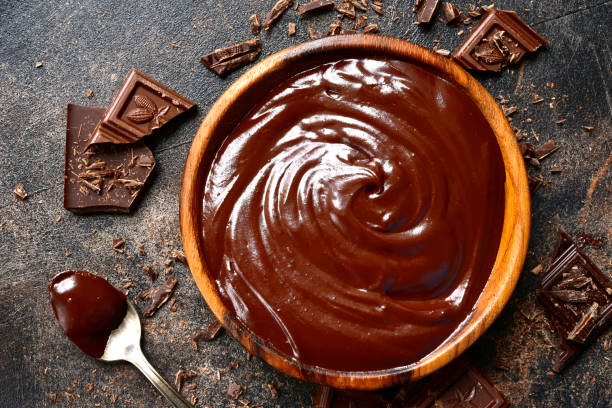
- After the resting period, gently whisk the mixture until it becomes smooth and shiny. If desired, add the unsalted butter and continue to whisk until fully incorporated.
- Allow the ganache to cool at room temperature or refrigerate for a thicker consistency, depending on your use.
- For a different flavor, you can add a splash of vanilla extract or a pinch of sea salt, if desired.