Delicious Shrimp Ramen Recipe and Cooking Tips for Perfection
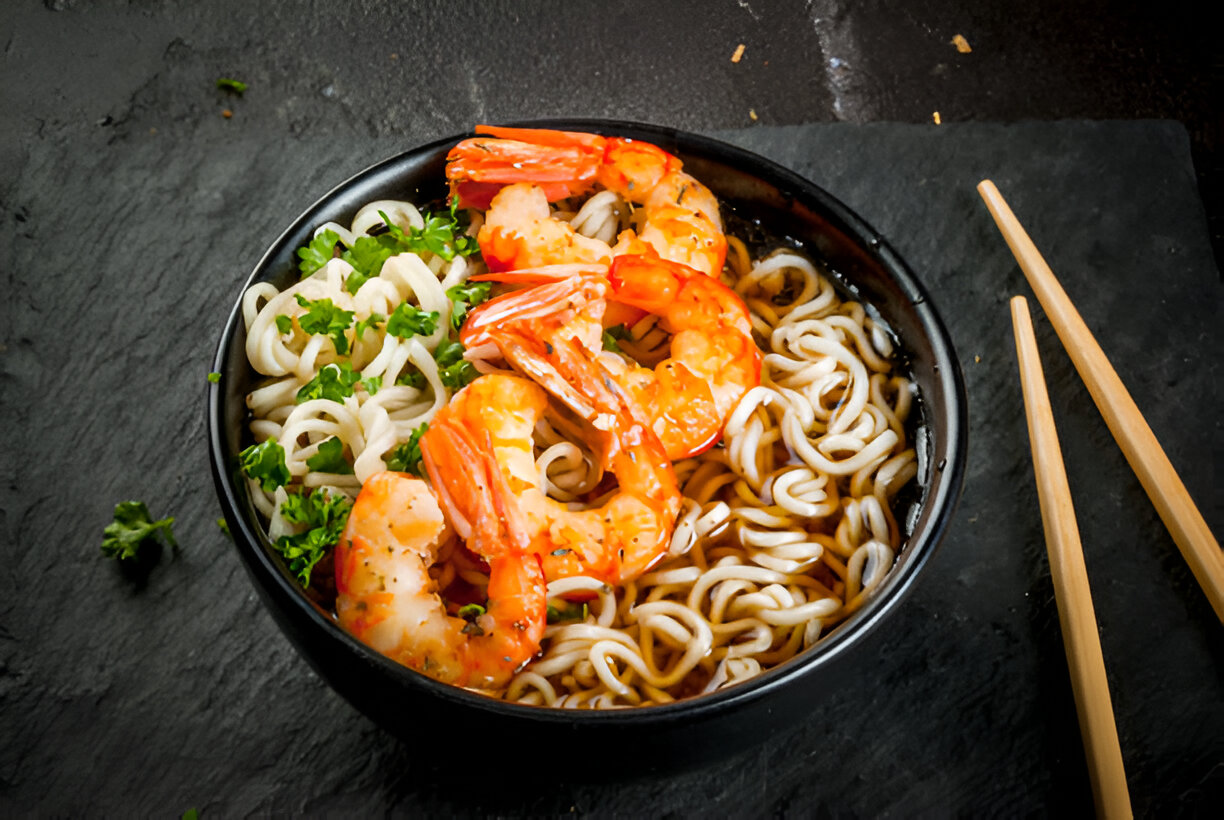
Shrimp ramen has emerged as a beloved dish that captivates the taste buds of food enthusiasts around the globe. This delightful bowl of goodness combines succulent shrimp with savory broth, tender noodles, and a medley of toppings to create a meal that is both comforting and flavorful. The culinary allure of shrimp ramen lies not only in its taste but also in its versatility, allowing for a range of variations that cater to differing palates and preferences.
The global popularity of shrimp ramen can be attributed to its unique blend of flavors and textures, which brings together traditional Japanese recipes and regional adaptations. Whether enjoyed at a bustling noodle shop in Tokyo, a trendy café in New York City, or crafted at home, shrimp ramen continues to inspire chefs and home cooks alike. This article aims to dive deeper into the world of shrimp ramen by exploring a variety of recipes, regional variations, and essential tips to help you perfect this dish at home. From selecting the freshest ingredients to mastering the cooking process, we will guide you on your culinary journey toward making a delicious bowl of shrimp ramen that will impress family and friends.
1. What is Shrimp Ramen?
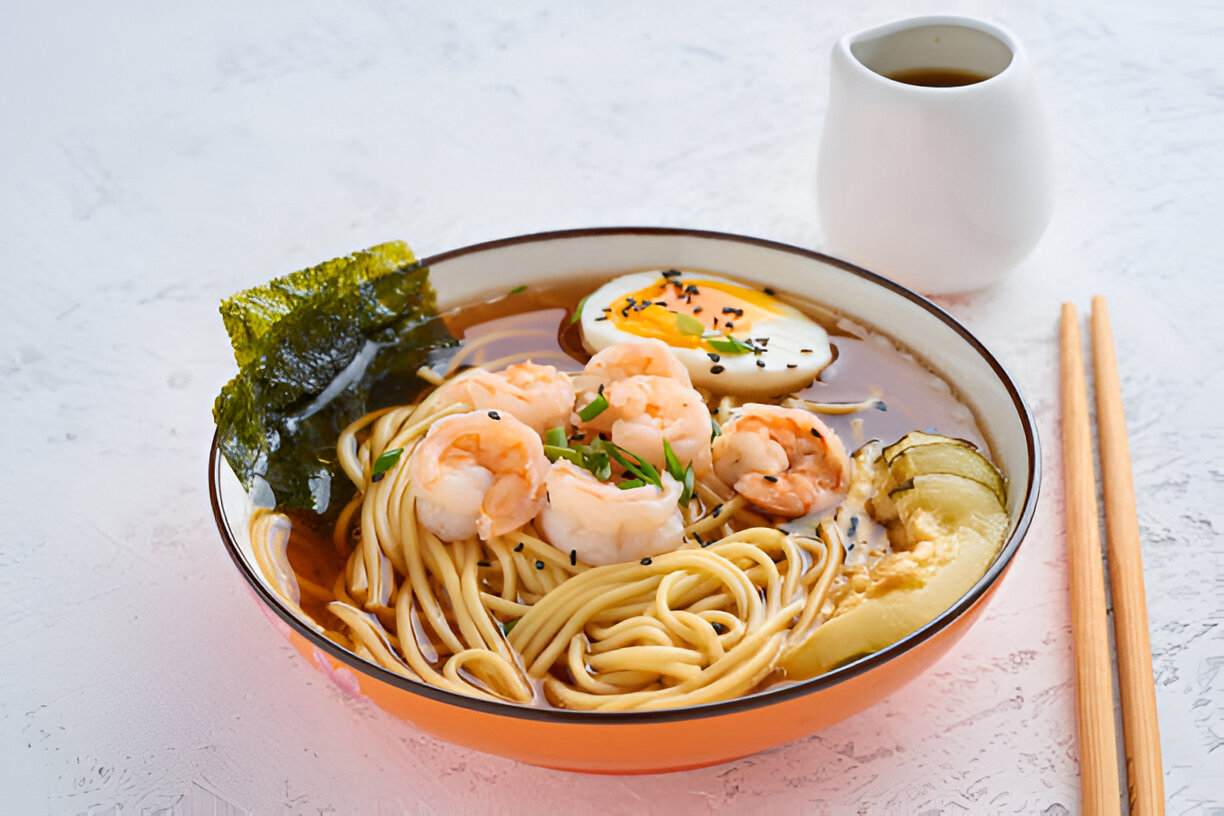
Shrimp ramen is a flavorful variety of ramen that integrates succulent shrimp into its traditional components, creating a harmonious blend of taste and texture. Ramen itself has a rich history originating in China, later embraced and modified by Japanese cuisine. The dish typically consists of wheat noodles served in a savory broth, and the addition of shrimp enhances its umami profile. Seafood has always played a significant role in ramen, particularly in coastal regions where fresh fish and seafood are abundant. Over the years, ramen has evolved beyond its humble beginnings, with variations that highlight different ingredients and techniques.
1.1 Definition and Origins
The term “ramen” is derived from the Chinese words “lamian,” which means pulled noodles. Initially served as a simple noodle dish, it gained popularity in Japan post-World War II, thanks to the availability of cheap wheat flour and the influence of Japanese soldiers returning from China. Shrimp ramen is a modern interpretation that showcases the adaptability of this iconic dish. The infusion of shrimp not only amplifies the taste but also introduces a level of sophistication, appealing to seafood lovers and ramen enthusiasts alike.
1.2 Shrimp Ramen Variations
Shrimp ramen exists in various styles, each reflecting local flavors and culinary techniques. Among the traditional forms, shoyu (soy sauce) and miso (fermented soybean paste) ramen often feature shrimp as a key ingredient. Meanwhile, fusion variations are on the rise, blending flavors from different cuisines—such as spicy shrimp ramen with a kick of Thai chili or creamy coconut shrimp ramen that takes inspiration from Southeast Asian dishes. This versatility allows shrimp ramen to cater to a diverse audience, ensuring that everyone can enjoy a bowl tailored to their tastes.
2. Nutritional Benefits of Shrimp Ramen
Shrimp ramen, while often viewed as a comforting and indulgent meal, also packs a nutritional punch if prepared thoughtfully. The ingredients that come together in this dish can provide essential vitamins and minerals, particularly from the shrimp and the accompanying vegetables. Understanding the nutritional benefits of shrimp ramen highlights how this dish can be both enjoyable and nourishing.
2.1 Nutritional Profile of Shrimp
Shrimp is a standout contributor to the health benefits of shrimp ramen. It is an excellent source of high-quality protein, providing about 20 grams of protein per 3-ounce serving. Additionally, shrimp is low in calories and fat, making it a guilt-free addition to any meal. It is rich in vitamins such as B12, which is crucial for energy production and neurological function, as well as selenium, an essential antioxidant that supports the immune system. The presence of omega-3 fatty acids is another benefit, which promotes heart health and reduces inflammation.
2.2 Benefits of Ramen Ingredients
The broth, noodles, and added vegetables each contribute to the overall health profile of shrimp ramen. A well-prepared broth serves as a source of hydration and can be enriched with nutrients from simmered bones or seafood. Noodles, while providing carbohydrates, can also be sourced from whole grain or alternative flours for added fiber. Supplementing shrimp ramen with vegetables like bok choy, green onions, or mushrooms not only enhances flavor but also boosts the fiber, vitamins, and minerals in the dish, making it a more balanced meal option.
3. Ingredients for Shrimp Ramen
Creating a delicious bowl of shrimp ramen starts with selecting the right ingredients. Knowing the essential components as well as optional additions can elevate your dish and customize it to your preferences.
3.1 Essential Ingredients
- Shrimp: Fresh or high-quality frozen shrimp are ideal, preferably a medium to large size for better texture.
- Noodles: Ramen noodles are the classic choice, but you can also use udon or soba noodles for a unique twist.
- Broth: A rich seafood or chicken broth serves as the foundation. You can make your own or use store-bought for convenience.
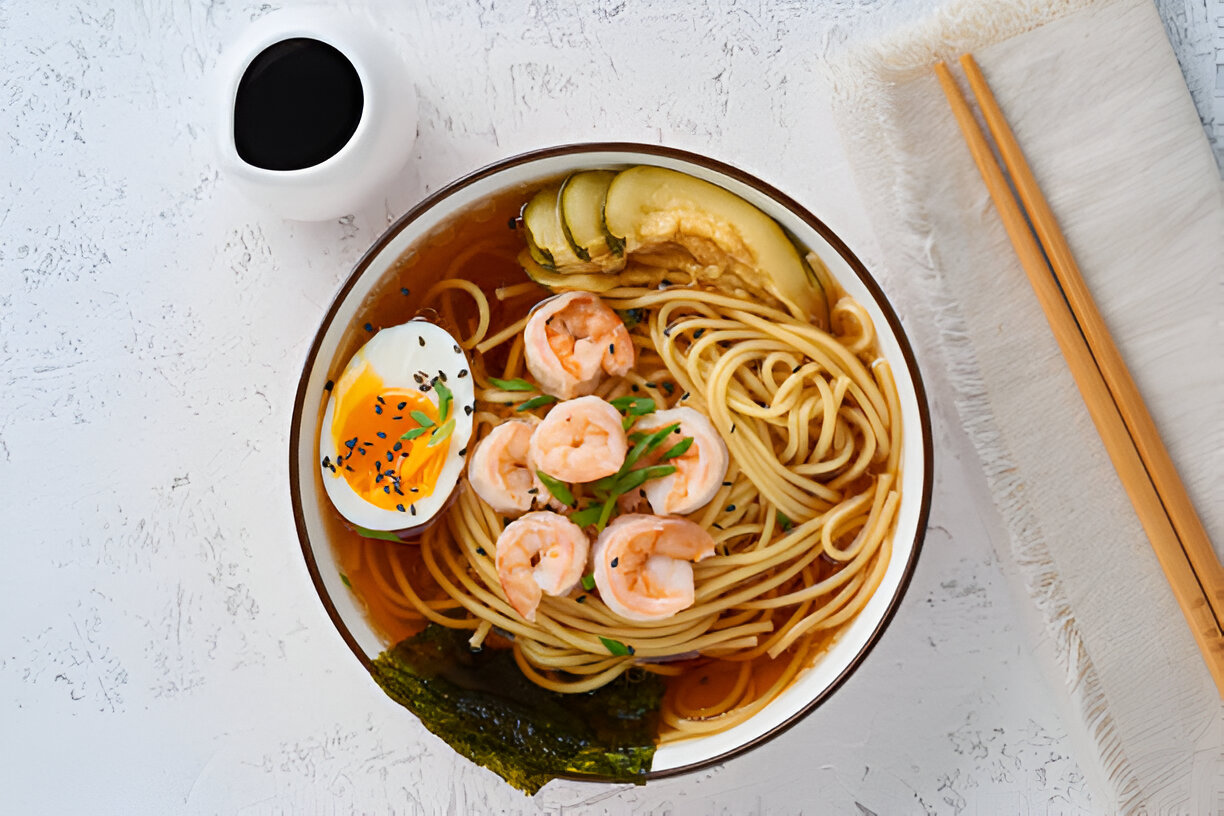
- Toppings: Common toppings include soft-boiled eggs, green onions, nori (seaweed), and bean sprouts, which add flavor and texture.
3.2 Optional Additions
- Aromatics: Garlic, ginger, and scallions can enhance the broth’s flavor profile.
- Vegetables: Add bok choy, mushrooms, or spinach for added nutrition and color.
- Spices: Consider adding chili oil or miso paste for a kick and depth.
- Garnishes: Sesame seeds, cilantro, or lime wedges can provide a fresh finishing touch.
4. Detailed Shrimp Ramen Recipe
4.1 Ingredients List
To make a flavorful shrimp ramen, gather the following ingredients:
- 8 oz ramen noodles
- 1 lb large shrimp, peeled and deveined
- 4 cups seafood broth (homemade or store-bought)
- 2 tablespoons soy sauce
- 1 tablespoon miso paste (optional)
- 2 green onions, chopped
- 2 cloves garlic, minced
- 1-inch piece of ginger, sliced
- 1 cup bok choy, halved
- 2 soft-boiled eggs (for topping)
- Nori sheets (for topping)
- Chili oil (optional, for flavor)
4.2 Step-by-Step Directions
Follow these steps to create your perfect bowl of shrimp ramen:
Step 1: Prepare the Broth
In a pot, combine the seafood broth, garlic, ginger, soy sauce, and miso paste. Bring to a simmer and let it cook for about 15 minutes to allow the flavors to meld. Strain out the solids if desired.
Step 2: Cook the Noodles
Boil the ramen noodles according to the package instructions, usually around 3-4 minutes for fresh noodles. Drain and set aside, ensuring they remain slightly undercooked, as they will continue to cook when combined with the hot broth.
Step 3: Prepare the Shrimp
Add the shrimp to the simmering broth and cook for about 3-4 minutes or until they turn pink and opaque. Be careful not to overcook them.
Step 4: Assemble the Ramen
Divide the cooked noodles among serving bowls. Pour the hot shrimp broth and shrimp over the noodles, ensuring each bowl has a good amount of shrimp.
Step 5: Adding Toppings
Top each bowl with halved soft-boiled eggs, bok choy, chopped green onions, nori sheets, and a drizzle of chili oil if desired. Serve hot and enjoy!
4.3 Expert Tips for Perfecting Shrimp Ramen
- For a shortcut, consider using pre-cooked shrimp to save time, just heating them through in the broth.
- If using instant ramen, discard the flavor packet and use your homemade broth to customize the flavors.
- Leftover ramen can be stored in the fridge for up to 2 days; reheat the broth separately before serving with fresh noodles.
5. Common Mistakes to Avoid When Making Shrimp Ramen
5.1 Overcooking the Shrimp
One common mistake is overcooking the shrimp, which can lead to a rubbery texture. Aim for around 3-4 minutes of cooking time, and remove them from heat as soon as they turn pink and opaque.
5.2 Inadequate Broth Flavors
Ensure to taste and adjust the broth’s flavor before serving. A balanced seasoning with soy sauce and perhaps a hint of salt is essential to create a satisfying depth of flavor.
5.3 Skipping the Toppings
Toppings are crucial for enhancing the dish’s overall flavor and presentation. Don’t skip them; rather, customize based on your preference to create a more vibrant and enjoyable experience.
6. Pairing Suggestions
6.1 Beverage Pairings
To complement your shrimp ramen, consider the following beverage options:
- Sake: A chilled or warm sake can enhance the umami flavors.
- Japanese Beer: Light lagers or ales provide a refreshing contrast.
- Green Tea: This traditional drink offers a gentle palate cleanser.
6.2 Side Dishes
Accompany your shrimp ramen with delicious side dishes for a complete meal:
- Gyoza: These pan-fried dumplings are a popular and flavorful choice.
- Edamame: Lightly salted edamame adds a healthy touch.
- Seaweed Salad: This refreshing dish adds a unique texture and flavor profile.
7. Shrimp Ramen around the World
7.1 Variations by Country
Shrimp ramen has garnered international popularity, leading to diverse interpretations across different cultures. For instance, in Thailand, shrimp ramen may include spicy elements with lemongrass and coconut milk, while in the United States, creative chefs may incorporate local ingredients for a unique fusion dish.
7.2 Popular Restaurants and Recipes
Many acclaimed eateries offer their take on shrimp ramen, such as the renowned Ichiran Ramen in Japan, known for its rich broth and custom ordering system, or Ippudo, famous for their perfectly cooked noodles and flavorful toppings. Exploring these establishments can inspire you to create your own delicious interpretations at home.
8. Frequently Asked Questions (FAQs)
8.1 What type of shrimp is best for ramen?
Opt for fresh or high-quality frozen shrimp, preferably medium to large-sized for improved flavor and texture. Varieties such as Gulf shrimp or wild-caught shrimp work particularly well.
8.2 Can I use frozen shrimp?
Yes, frozen shrimp can be used, but ensure to thaw them properly. Simply place them in cold water for about 15-20 minutes before cooking to preserve their texture.
8.3 What noodles should I use for shrimp ramen?
Ramen noodles are ideal due to their unique texture, but you can also choose udon noodles for a chewier bite or soba for a gluten-free option.
8.4 How can I make shrimp ramen spicier?
To add heat, consider incorporating fresh sliced chilies, Thai chili paste, or a splash of sriracha to your broth. Adjust to your spice tolerance for the perfect balance.
8.5 Can I make shrimp ramen vegetarian/vegan?
Yes, you can substitute shrimp with tofu or mushrooms and use vegetable broth instead of seafood broth. Amplify flavors with miso paste or spices while maintaining the dish’s essence.
Conclusion
Shrimp ramen is a dish that encompasses a world of flavors and textures, combining the richness of seafood with the heartiness of traditional ramen. Encouraging culinary experimentation, its versatility allows for countless variations and personalization. With this guide, you’re well-equipped to create a delightful bowl of shrimp ramen at home, impressing family and friends with your skills and inviting them to savor this delectable dish.
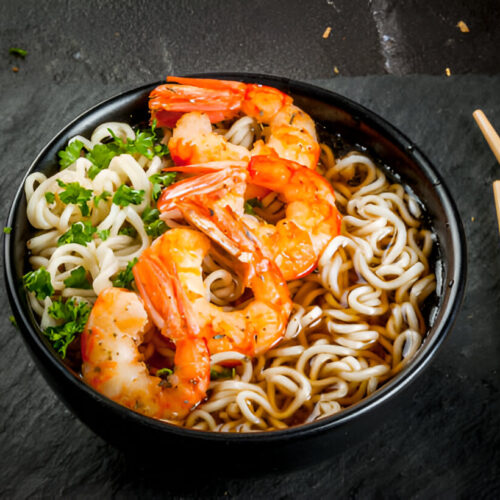
shrimp ramen
Equipment
- 1 large pot
- 1 strainer
- 1 measuring cups and spoons
- 1 cutting board
Ingredients
- 8 cups chicken or seafood broth
- 12 ounces fresh or dried ramen noodles
- 1 pound shrimp, peeled and deveined
- 1 cup bok choy, chopped
- 1 cup shiitake mushrooms, sliced
- 1 cup carrots, julienned
- 2 pieces green onions, chopped
- 4 tablespoons soy sauce
- 2 tablespoons sesame oil
- 1 tablespoon ginger, minced
- 2 cloves garlic, minced
- to taste salt
- to taste pepper
- soft-boiled eggs for garnish Optional
Instructions
- In a large pot, heat the sesame oil over medium heat. Add the minced garlic and ginger, sauté for about 1-2 minutes until fragrant.
- Pour in the chicken or seafood broth and bring it to a boil.
- Add the carrots and shiitake mushrooms to the pot. Reduce the heat and let it simmer for about 5 minutes.
- Stir in the soy sauce and bok choy, simmer for an additional 2-3 minutes.
- Add the shrimp to the pot and cook for about 3-4 minutes, or until the shrimp is pink and cooked through.
- In a separate pot, cook the ramen noodles according to package instructions. Once done, drain and set aside.
- To serve, place a portion of the cooked ramen noodles in a bowl. Ladle the shrimp and broth over the noodles.
- Garnish with chopped green onions and, if desired, a soft-boiled egg. Season with salt and pepper to taste.