
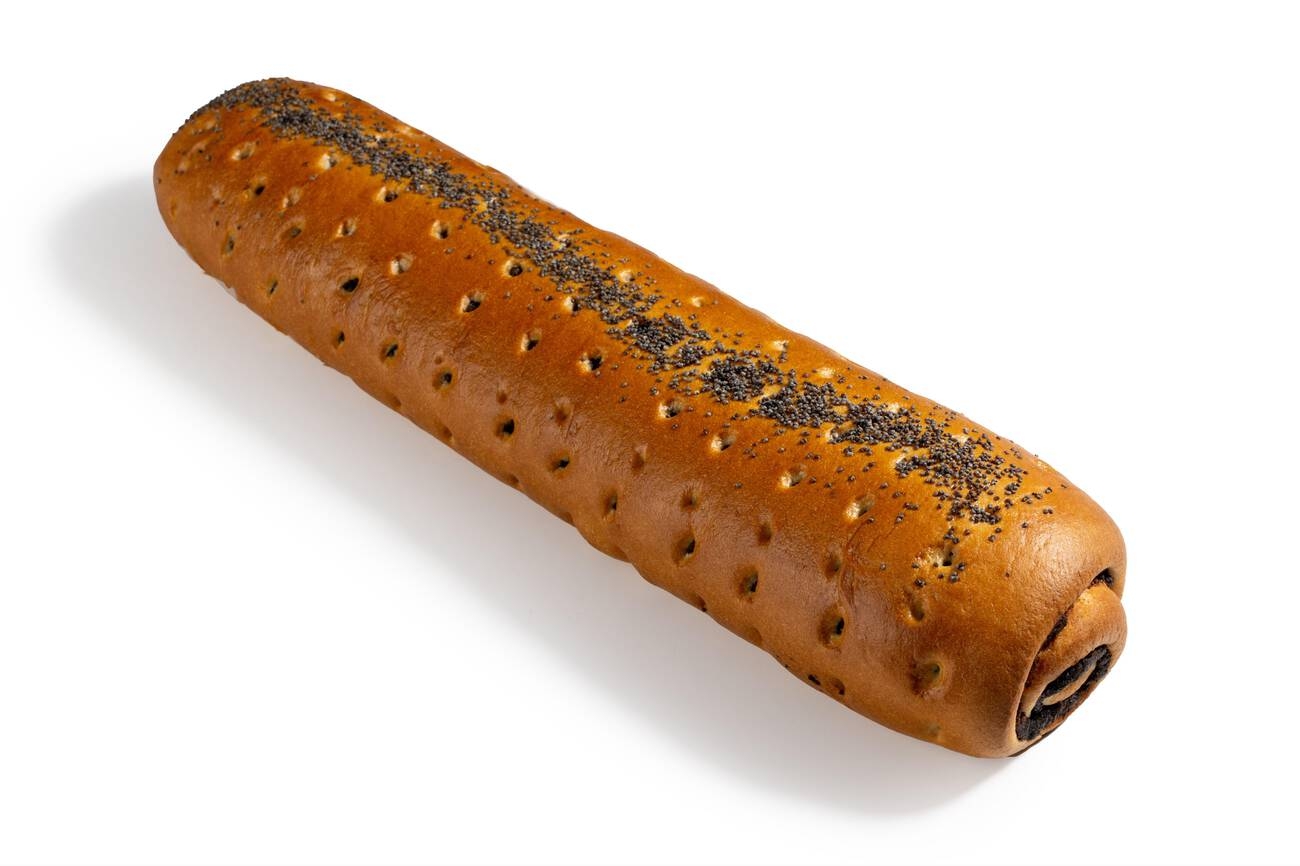
Bread Recipe Baguette: Bake the Perfect French Loaf at Home
In this article, we will guide you through the art of baking baguettes, a beloved staple of French cuisine. You’ll learn about the essential ingredients, the step-by-step process, and key tips that will elevate your baking skills. Whether you are a novice or a seasoned baker, this comprehensive recipe will help you achieve that crusty exterior and soft, chewy interior characteristic of the perfect baguette, right in your own kitchen.
Baking baguettes is not just about following a recipe; it’s about embracing a culinary tradition that dates back centuries. The baguette has become a symbol of French culture and cuisine, symbolizing craftsmanship and patience. Its popularity has transcended borders, capturing the hearts (and appetites) of people worldwide. As you embark on this baking journey, you’ll not only savor the delicious results but also gain a deeper appreciation for this timeless bread. Get ready to impress your family and friends with your homemade baguettes, a delicious testament to your newfound baking skills.

Understanding Baguettes
A baguette is one of the most iconic types of bread, known for its long, thin shape, crispy crust, and airy interior. Measuring about 65 centimeters (26 inches) in length, a traditional baguette is approximately 5 to 6 centimeters (2 to 2.5 inches) in diameter. Its distinct characteristics arise from a simple combination of flour, water, yeast, and salt, which, when skillfully prepared and baked, create the perfect balance between a robust crust and a light, chewy crumb. Baguettes are typically enjoyed fresh, making them a staple accompaniment to meals, or they can be used to create delicious sandwiches that showcase a variety of fillings.
Beyond a mere bread form, the baguette embodies a cultural symbol of France, representing culinary artistry and a deep-seated appreciation for quality. Baguettes are often served alongside traditional French dishes, enjoyed with cheese or pâté, or simply paired with a good glass of wine. Their versatility and wide appeal have led to their adoption across various cultures globally, transforming them into more than just a staple of French cuisine but a beloved bread for many.
History of Baguette Baking
The history of baguette baking is rich and steeped in tradition, tracing back to the early 18th century in France. The term “baguette,” which means “stick” or “wand” in French, is believed to have been coined in Paris in the early 20th century. However, the bread itself likely has older roots, with variations of long loaves existing in bakeries long before the baguette became a symbol of French culture.
The introduction of the baguette to the French diet can be attributed to several factors, including advancements in baking technology and shifts in grain production. By the time of World War I, the baguette had started to become more established within the French culinary landscape, often associated with a quick, inexpensive meal. Moreover, it was during this period that the establishment of standardized recipes helped to solidify its place as a staple in French households and restaurants alike.
In 1920, the French government introduced regulations aimed at ensuring the quality of the bread, leading to the creation of what we now know as the classic French baguette. Over the years, the baguette has maintained its status not only as a dietary staple but also as a cultural icon, often invoked in artistic expressions, cinema, and literature, furthering its significance as a representation of French identity.

Key Ingredients for Baguettes
The foundation of a perfect baguette lies in its simple yet essential ingredients. Understanding each component will not only improve your baking skills but also deepen your appreciation for this classic bread.
Basic Bread Dough Ingredients
- Flour: The type of flour you use is critical to the structure and flavor of the baguette. Aim for a high-protein flour, such as type 55 flour, or all-purpose flour that creates a strong gluten network. This gluten is what gives the baguette its chewy texture and helps retain the gas produced during fermentation.
- Water: The hydration level of your dough is crucial in determining the final texture of your baguette. Using room temperature water helps activate the yeast and ensures that the dough absorbs moisture adequately, which is key for achieving that airy interior.
- Yeast: Fresh yeast can provide a more robust flavor, while dry active yeast is more convenient and has a longer shelf life. Both types can yield excellent results, so choose based on your personal preference and availability.
- Salt: Not just a flavor enhancer, salt plays a vital role in strengthening the gluten structure of the dough. It also helps control fermentation, ensuring a balanced rise.
Tools Needed
To achieve the best results while baking baguettes, there are several essential tools you should have on hand. These tools will help streamline the process and ensure consistent outcomes.
- Mixing Bowls: A large mixing bowl is necessary for combining your ingredients and allowing the dough to rise.
- Dough Scraper: This handy tool helps you manipulate the dough and transfer it without excessive sticking.
- Baking Stone or Sheet: A baking stone provides even heat and helps create a crispy crust, while a baking sheet is suitable for those without a stone.
- Baguette Pan: This specially designed pan helps shape baguettes and allows for proper airflow during baking.
- Sharp Knife or Blade (lame): A sharp knife or lame is essential for scoring the baguettes for proper expansion during baking.
bread recipe baguette
Equipment
- 1 large mixing bowl
- 1 wooden spoon or spatula
- 1 kitchen scale optional for precise measurement
- 1 bench scraper
- 1 baking sheet or baguette pan
- 1 parchment paper optional
- 1 oven mitts
Ingredients
- 500 grams all-purpose flour
- 350 ml warm water Around 100°F or 37°C.
- 10 grams salt
- 5 grams active dry yeast
Instructions
- In a large mixing bowl, combine the warm water and active dry yeast. Let it sit for about 5 minutes until it becomes frothy.
- Add the flour and salt to the yeast mixture. Using a wooden spoon or spatula, mix until a shaggy dough forms.
- Transfer the dough onto a clean, floured surface and knead for about 10 minutes until the dough is smooth and elastic.
- Place the kneaded dough in a lightly oiled bowl. Cover it with a kitchen towel and let it rise in a warm place for about 1 hour, or until doubled in size.
- Once the dough has risen, punch it down to release the air. Turn it out onto a floured surface.
- Divide the dough into two equal pieces. Shape each piece into a long baguette by flattening it slightly, then rolling it tightly from one end to the other while maintaining an even thickness.
- Place the shaped baguettes on a baking sheet lined with parchment paper or on a baguette pan. Cover them with a towel and allow them to rise for another 30 minutes.
- Preheat your oven to 475°F (245°C). Place an empty baking tray on the bottom rack of the oven.
- Once the baguettes have risen, use a sharp knife or bread lame to make several diagonal slashes on the tops of the dough.
- Carefully place the baguettes in the oven and pour a cup of water into the empty baking tray. This will create steam for a crispy crust.
- Bake for 20-25 minutes until the baguettes are golden brown and sound hollow when tapped on the bottom.
- Remove the baguettes from the oven and let them cool on a wire rack before slicing.


