
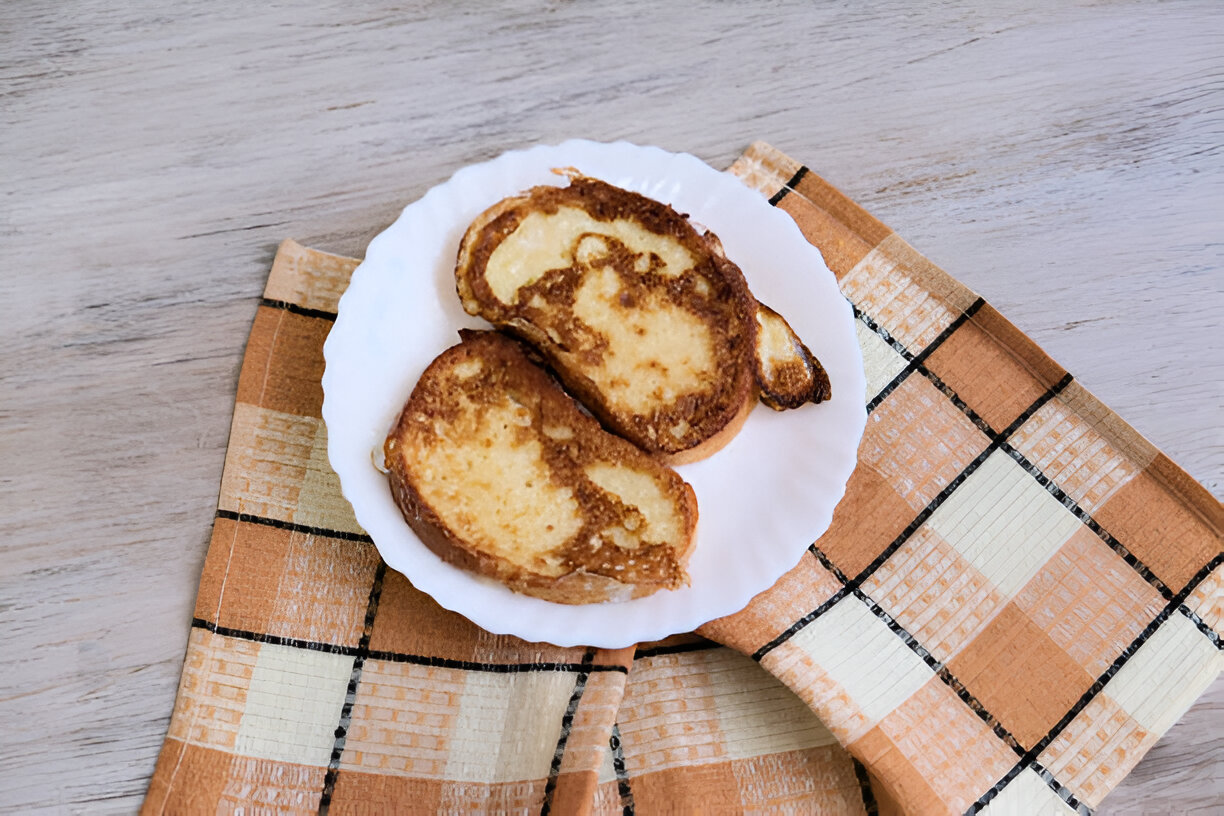
Crispy Baked French Toast: Easy Recipe & Variations Guide
Baked French toast is a delightful twist on the classic breakfast favorite, combining the comforting flavors of traditional French toast with the convenience of baking. This dish involves soaking bread in a rich and creamy egg mixture, then baking it to golden perfection, resulting in a soft interior and a deliciously crispy exterior. The appeal of crispy baked French toast lies in its irresistible texture and the ease with which it can be prepared, making it a favorite choice for both casual breakfasts and festive brunches.
In this article, readers will discover the essential elements that make crispy baked French toast a standout dish. From understanding what sets it apart from traditional French toast to exploring the key ingredients that contribute to its flavor and texture, we’ll guide you through everything you need to know. You’ll also find a step-by-step recipe that ensures your baked French toast turns out perfectly every time, along with tips for variations, serving suggestions, and storage solutions. Whether you’re hosting a brunch or simply treating yourself to a delightful breakfast, this guide will help you create a crispy baked French toast that is sure to impress.
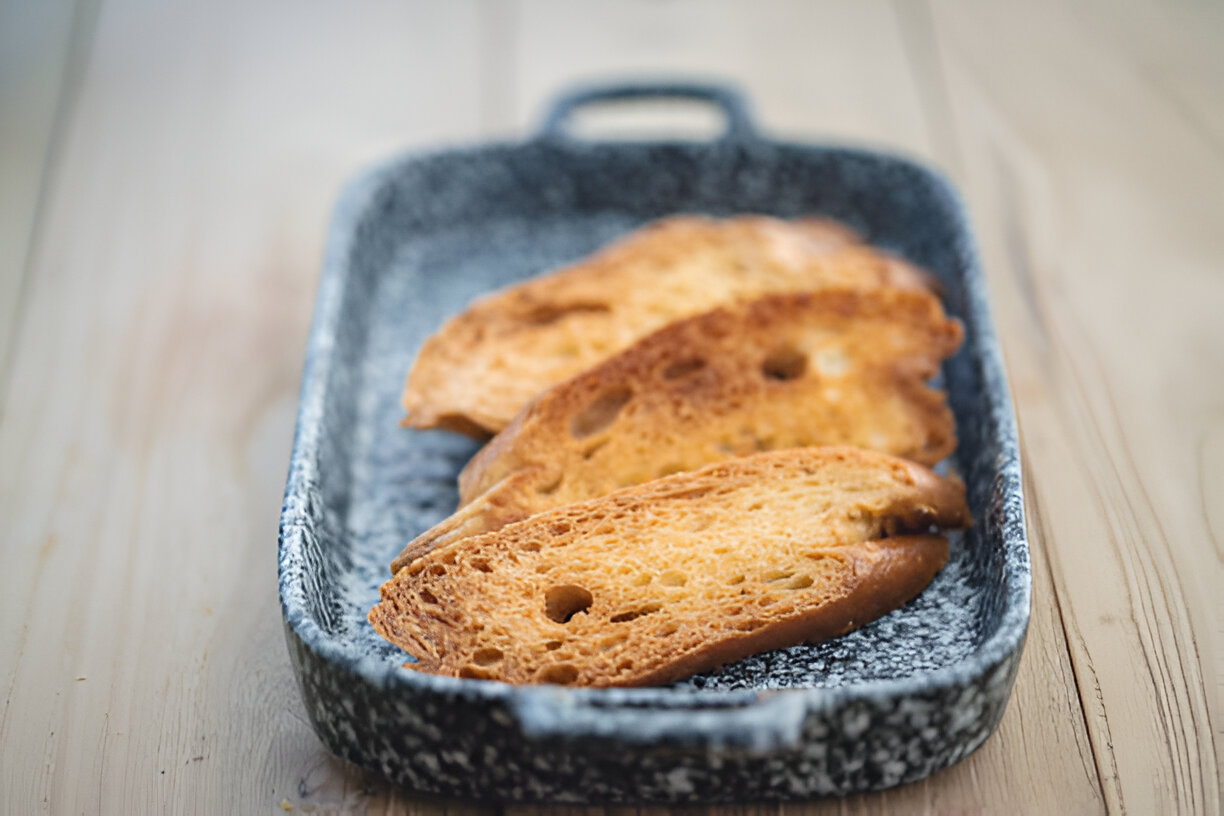
1. What is Crispy Baked French Toast?
Crispy baked French toast is a delicious breakfast dish that brings together the classic flavors of traditional French toast and the benefits of baking. In essence, this dish involves soaking slices of bread in a custard-like mixture of eggs, milk, and flavorings, which is then baked in the oven until the exterior develops a golden-brown crust while the inside remains soft and custardy. The end result is a satisfying combination of textures that delights the palate.
What sets crispy baked French toast apart from its pan-fried counterpart is primarily the cooking method. Traditional French toast is cooked on a stovetop, often requiring constant attention to achieve that perfect balance of softness and crispiness. The baking method, however, allows multiple servings to be prepared at once, making it ideal for gatherings and family breakfasts. Additionally, baking can result in a more uniform texture and less mess to clean up afterward.
1.1 Historical Background
The origins of French toast can be traced back to ancient civilizations, with variations of this dish appearing in cultures around the world. The term “French toast” is believed to have originated in England, where bread soaked in a mixture of eggs and milk was a staple for making use of stale bread. Over the centuries, the dish evolved, with France popularizing its sweeter tendencies by adding ingredients like cinnamon and sugar.
As cooking methods advanced, so did the techniques for preparing French toast. The evolution of baking technology has allowed for a more widespread recreation of this beloved dish, leading to the development of baked versions that capture the traditional flavors while offering added convenience. Today, baked French toast is cherished for its ease of preparation and the ability to cater to larger groups without sacrificing quality.
1.2 Benefits of Baking
Baking French toast not only simplifies the cooking process but also has certain health advantages compared to frying. When baked, less oil or butter is required, which reduces the overall calorie and fat content of the dish. This makes crispy baked French toast a lighter option while still providing the satisfying flavors associated with the classic recipe.
Additionally, baking is a time-saving method. Once the bread is soaked in the egg mixture and placed in the oven, cooks can focus on preparing other parts of their meal or entertaining guests, rather than standing over the stove. The ability to bake large batches also means that more people can be served simultaneously, making it perfect for festive brunches and family gatherings.
2. Key Ingredients for Crispy Baked French Toast
To create an unforgettable crispy baked French toast, using the right ingredients is essential. Each component plays a vital role in achieving the desired taste and texture, ensuring that the dish will impress every time.
2.1 Bread Selection
The foundation of any excellent French toast is the bread used. For the best results, opt for thicker slices of bread with a sturdy texture, such as challah, brioche, or even sourdough. These types of bread can absorb the egg mixture well without falling apart during baking. Quality matters greatly here, as fresh bread will yield a superior flavor and texture compared to pre-packaged varieties.
2.2 Egg Mixture
The custard that soaks the bread is a crucial element for texture. Eggs provide richness and structure, creating a creamy interior that contrasts beautifully with the crispy outside. For those with dietary restrictions, several egg substitutes like flaxseed meal, silken tofu, or commercial egg replacements can be utilized in the same proportions, allowing those who are vegan or allergic to enjoy this delicious breakfast option.
2.3 Milk Choices
When it comes to the milk used in the egg mixture, both dairy and non-dairy options are available. Whole milk, half-and-half, or cream creates a rich custard, while almond milk, oat milk, or soy milk can be great alternatives for a dairy-free version. The choice of milk can subtly influence the flavor and creaminess of the final dish, so select one that best aligns with your preferences.
2.4 Flavor Enhancements
To elevate the taste of your crispy baked French toast, consider incorporating flavor enhancers such as cinnamon, vanilla extract, and nutmeg. These spices complement the sweetness of the egg mixture beautifully, adding depth of flavor. Additionally, toppings and accompaniments like fresh fruit, maple syrup, whipped cream, or even a dusting of powdered sugar can further enhance the dish, allowing for creativity and personalization according to individual tastes.
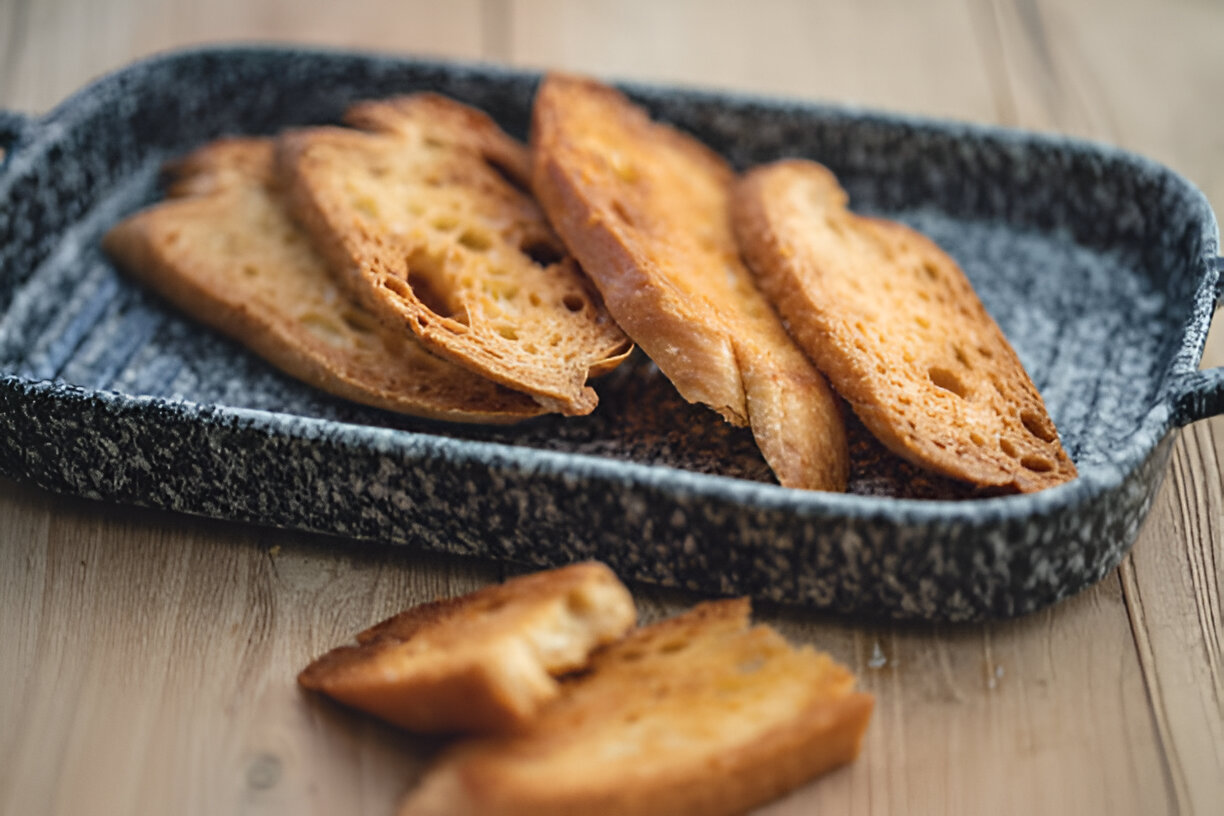
3. Recipe for Crispy Baked French Toast
This section provides a detailed, step-by-step recipe for creating the perfect crispy baked French toast. With the right ingredients and simple instructions, you’ll be able to impress your family and friends with this delightful dish.
3.1 Ingredients
- Bread: 1 loaf of challah or brioche, cut into thick slices.
- Eggs: 6 large eggs.
- Milk: 1 cup of whole milk (or a non-dairy alternative).
- Sugar: 1/4 cup granulated sugar.
- Vanilla extract: 1 teaspoon.
- Cinnamon: 1 teaspoon ground cinnamon.
- Cooking spray or butter: for greasing the baking dish.
- Optional toppings: fresh fruit, maple syrup, whipped cream.
3.2 Directions
- Preheat the oven: Preheat your oven to 375°F (190°C).
- Prepare the egg mixture: In a large mixing bowl, whisk together eggs, milk, sugar, vanilla extract, and cinnamon until well combined.
- Soak the bread: Arrange the slices of bread into a greased baking dish. Pour the egg mixture evenly over the bread, ensuring each slice is well-coated. Allow it to soak for at least 15-30 minutes.
- Arrange in the baking dish: After soaking, gently press the bread down to help it absorb the mixture, then spread it out evenly in the dish.
- Bake and achieve crispiness: Cover the dish with aluminum foil and bake for 20 minutes. Remove the foil and continue baking for an additional 15-20 minutes or until the top is golden brown and crispy.
- Serve and enjoy: Once baked, remove from the oven and let cool slightly. Serve warm with your choice of toppings.
3.3 Tips for Perfecting Your Baked French Toast
- For the best texture, allow the bread to soak for longer, ideally, overnight in the refrigerator.
- Consider adjusting the oven temperature if necessary; a thermometer can help ensure it’s accurate for even cooking.
- Experiment with different types of bread or add-ins for personalized flavors.
4. Variations of Crispy Baked French Toast
There are numerous ways to customize crispy baked French toast to suit your taste preferences and dietary needs. Here are some delicious variations to consider.
4.1 Sweet Variations
- French toast casserole: Layer pieces of bread with fruit or chocolate chips for a sweet delight.
- Toppings combinations: Experiment with fresh berries, nuts, or caramel sauce to enhance flavors.
4.2 Savory Alternatives
If you prefer a savory twist, consider incorporating cheese and herbs into the recipe. Adding ingredients like Gruyère cheese, chives, or spinach can create an entirely different flavor profile.
4.3 Gluten-Free and Vegan Options
- Best gluten-free bread choices: Look for high-quality gluten-free bread to ensure a similar texture.
- Vegan egg and milk alternatives: Use flaxseed meal or aquafaba in place of eggs and plant-based milk for a vegan-friendly option.
5. Serving Suggestions
5.1 Ideal Pairings
To make the meal complete, pair your crispy baked French toast with a selection of beverages such as:
- Coffee
- Tea
- Freshly squeezed juice
5.2 Presentation Tips
Enhance the dining experience by giving attention to presentation. Consider:
- Arranging slices on a colorful platter.
- Garnishing with fresh mint or powdered sugar.
- Serving with small bowls of syrup and fruit for an appealing display.
6. Storing and Reheating Tips
6.1 Proper Storage
To keep your baked French toast fresh, store it in an airtight container in the refrigerator for up to 3 days. If you prefer to make it ahead of time, consider baking it the night before.
6.2 Reheating Methods
When reheating, opt for the oven to maintain crispiness. Preheat your oven to 350°F (175°C), place the French toast on a baking sheet, and warm for about 10-15 minutes. Microwave reheating is also an option but may yield a softer texture.
7. FAQs
7.1 Can I make crispy baked French toast ahead of time?
Yes, you can prepare it ahead of time by soaking the bread and leaving it in the refrigerator overnight before baking the next morning.
7.2 What bread is best for baked French toast?
Thicker, sturdy breads like challah, brioche, or sourdough are ideal for absorbing the egg mixture without falling apart.
7.3 Can I freeze crispy baked French toast?
Yes, baked French toast can be frozen. Wrap it tightly in plastic wrap and foil before placing it in the freezer. Thaw in the refrigerator before reheating.
7.4 How do I store leftover crispy baked French toast?
Store any leftovers in an airtight container in the refrigerator for up to 3 days to maintain freshness.
7.5 What can I use instead of eggs?
Some great egg substitutes include flaxseed meal mixed with water, silken tofu, or commercial egg replacers, allowing those with dietary restrictions to enjoy the dish.
8. Conclusion
Crispy baked French toast offers a delightful combination of textures and flavors that can be tailored to suit any occasion. With this guide, you’re equipped to create a breakfast dish that’s not only easy to prepare but also sure to impress. Ready to dive in? Experience the joy of making and sharing crispy baked French toast today!
Crispy Baked French Toast
Equipment
- 1 baking dish (9x13 inches)
- 1 mixing bowl
- 1 whisk
- 1 measuring cups
- 1 measuring spoons
- 1 plastic wrap or aluminum foil
- 1 cutting board
Ingredients
- 8 slices thick-cut bread (brioche or challah)
- 4 large eggs
- 1 cup milk
- 1 teaspoon vanilla extract
- 1 teaspoon ground cinnamon
- 1/4 teaspoon nutmeg (optional)
- 1/4 cup granulated sugar
- 1/4 cup all-purpose flour
- 1/2 cup breadcrumbs (for topping)
- 2 tablespoons unsalted butter, melted
- to taste powdered sugar (for serving, optional)
- to taste maple syrup (for serving, optional)
Instructions
- Preheat the oven to 375°F (190°C). Grease a 9x13-inch baking dish lightly with cooking spray or butter.
- In a mixing bowl, whisk together the eggs, milk, vanilla extract, ground cinnamon, nutmeg (if using), and granulated sugar until well combined.
- Lay the slices of bread in the greased baking dish in a single layer. If needed, cut the bread to fit.
- Pour the egg mixture evenly over the bread, ensuring each slice is soaked. Cover with plastic wrap or aluminum foil and refrigerate for at least 30 minutes or overnight for the best results.
- In another bowl, combine the breadcrumbs and melted butter. Mix until the crumbs are well coated.
- Remove the bread from the refrigerator and sprinkle the breadcrumb mixture evenly over the soaked bread slices.
- Bake in the preheated oven for 25-30 minutes, or until the top is golden brown and crispy.
- Once done, remove from the oven and allow to cool for a few minutes. Cut into individual pieces and serve warm, dusted with powdered sugar and drizzled with maple syrup if desired.
- For added flavor, consider including fruits like blueberries or strawberries between the bread slices before adding the egg mixture.
- Adjust the sweetness according to your preference by adding more or less sugar.
- Store leftover baked French toast in the refrigerator and reheat in the microwave or toaster oven.


